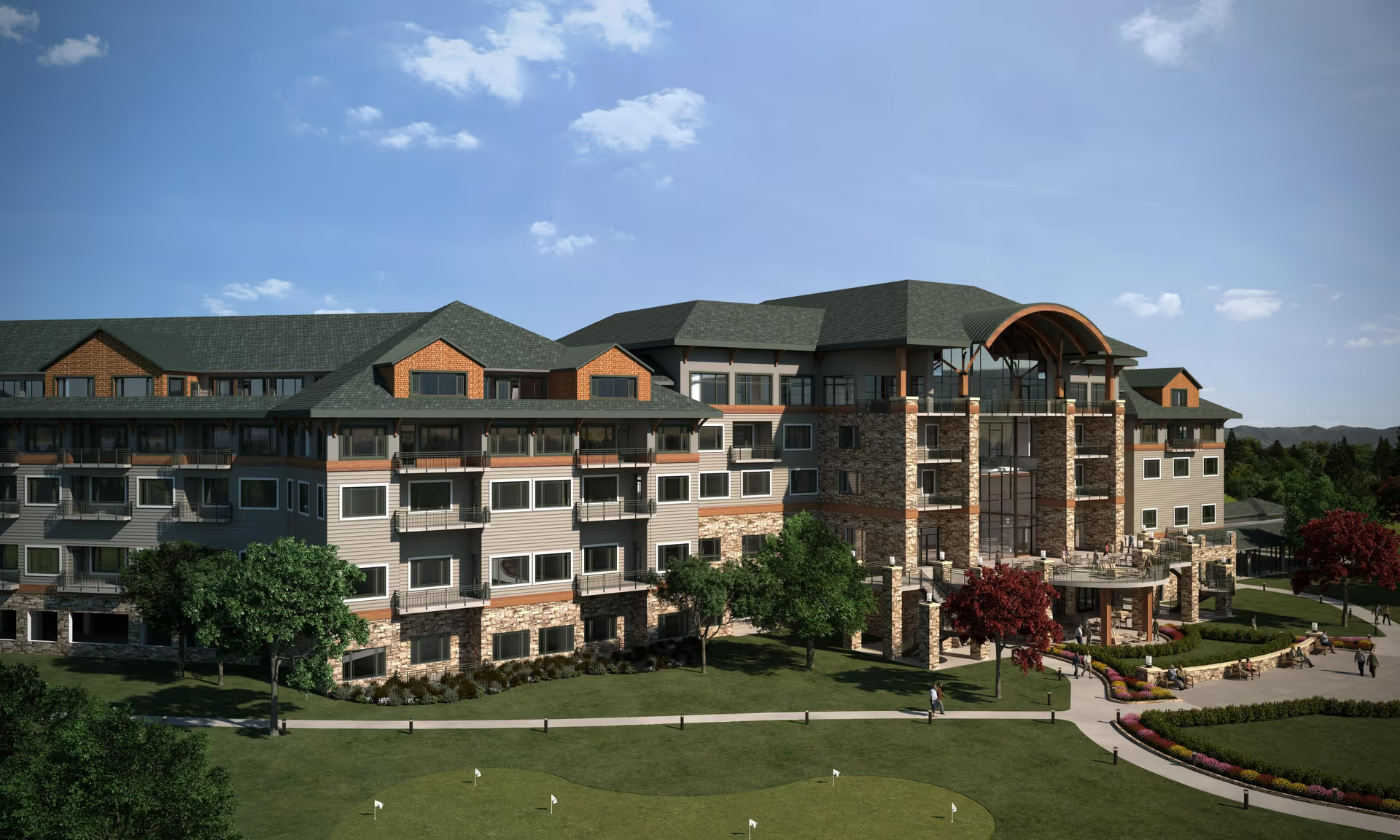
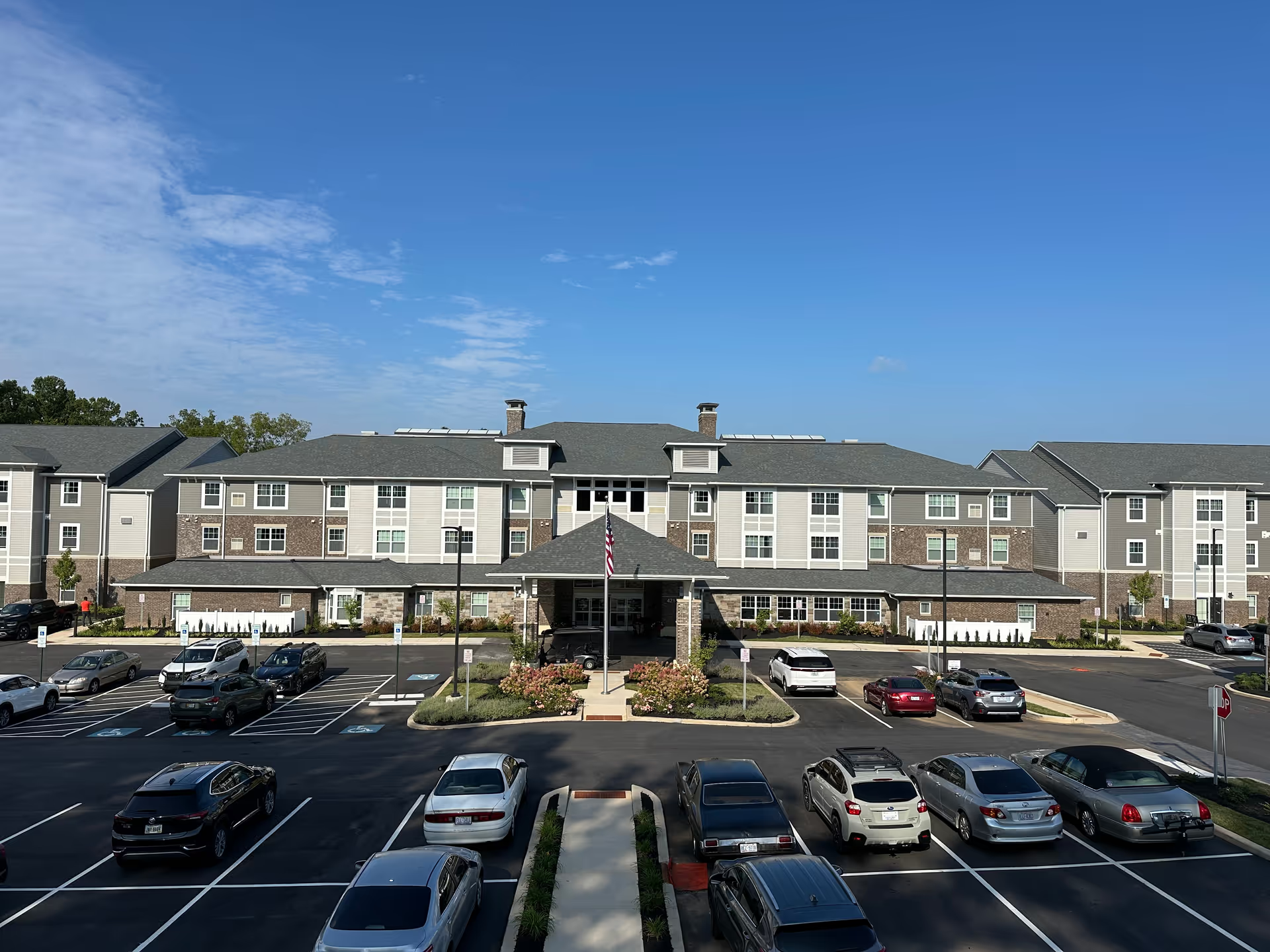
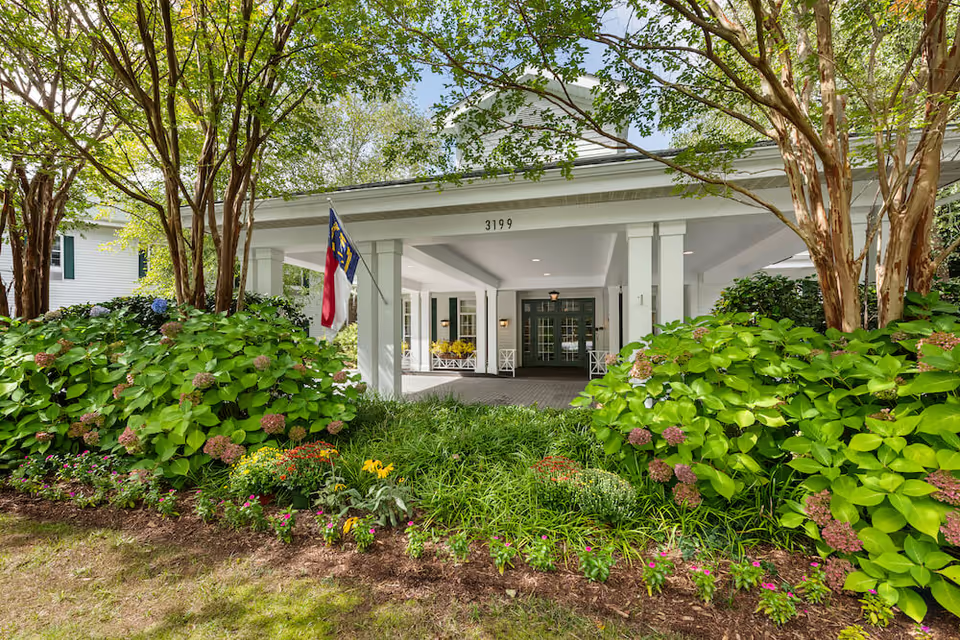
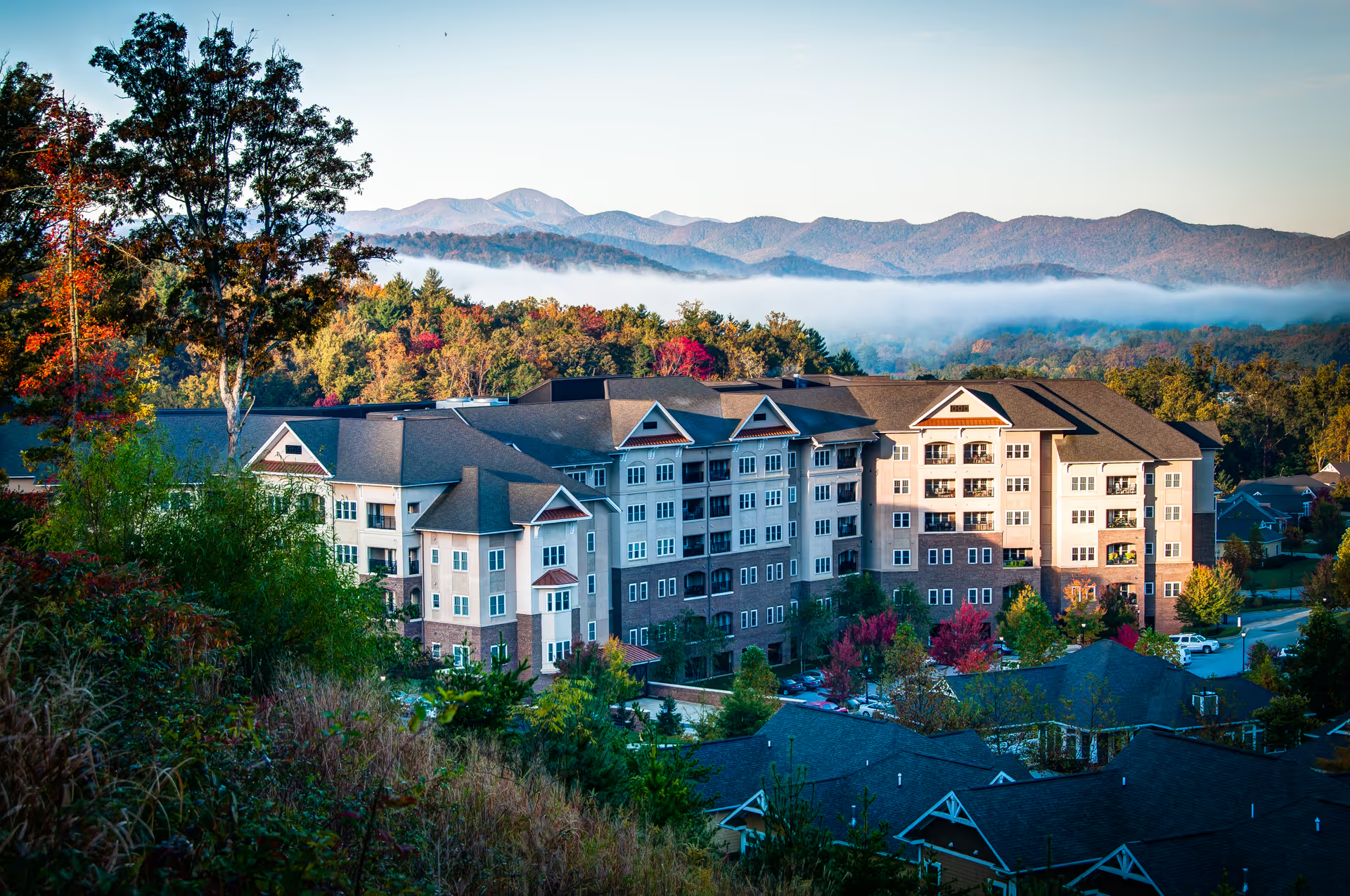
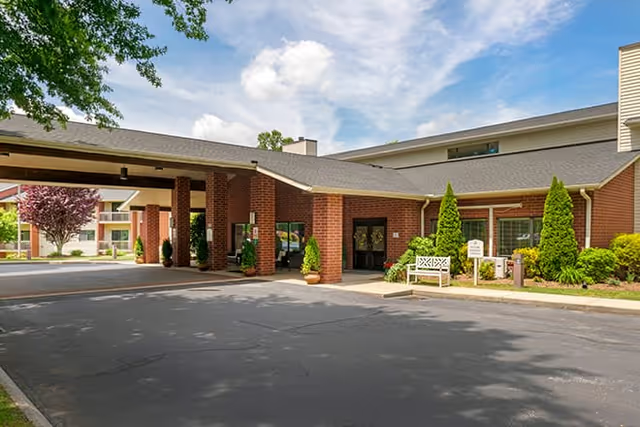
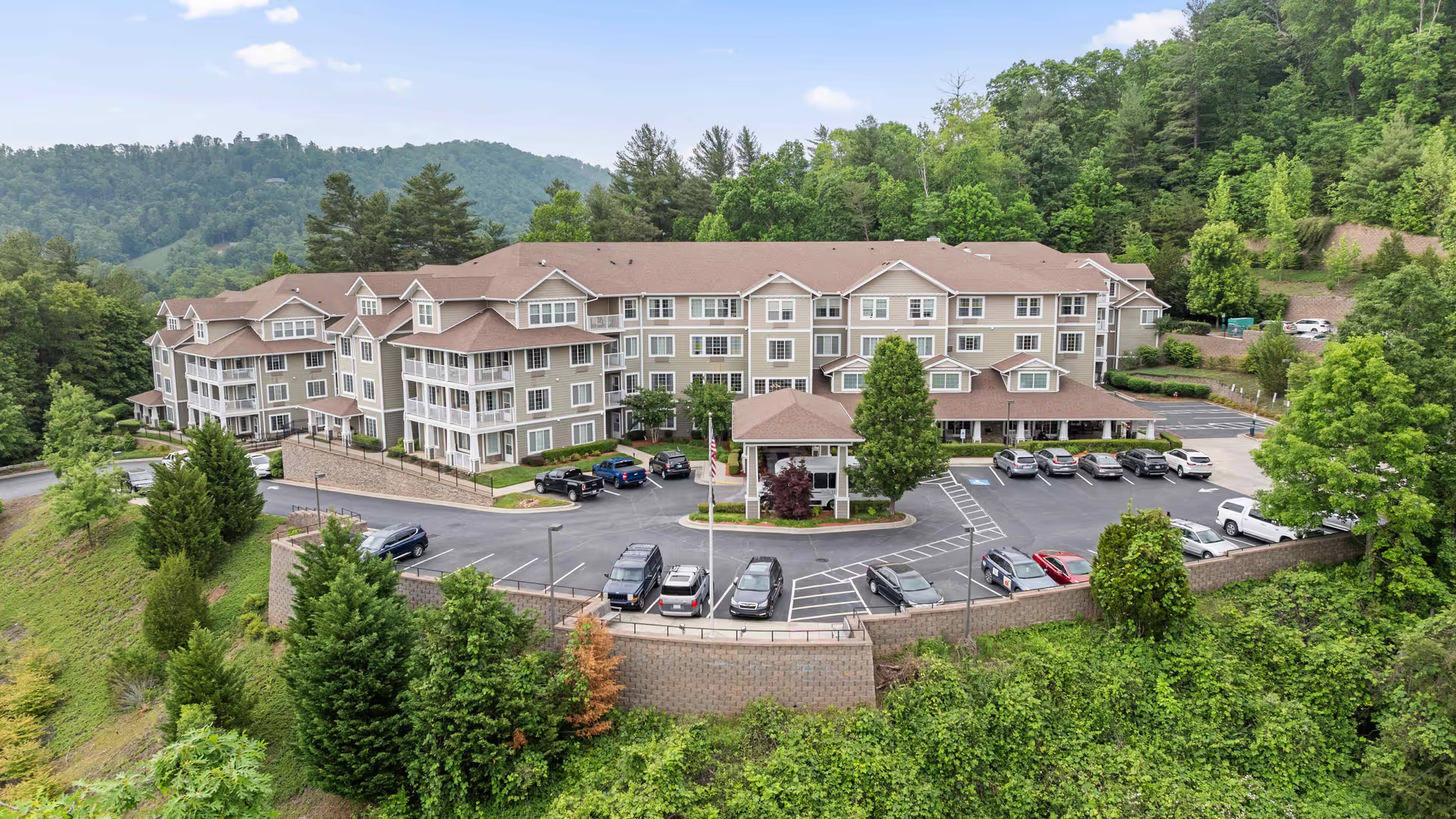
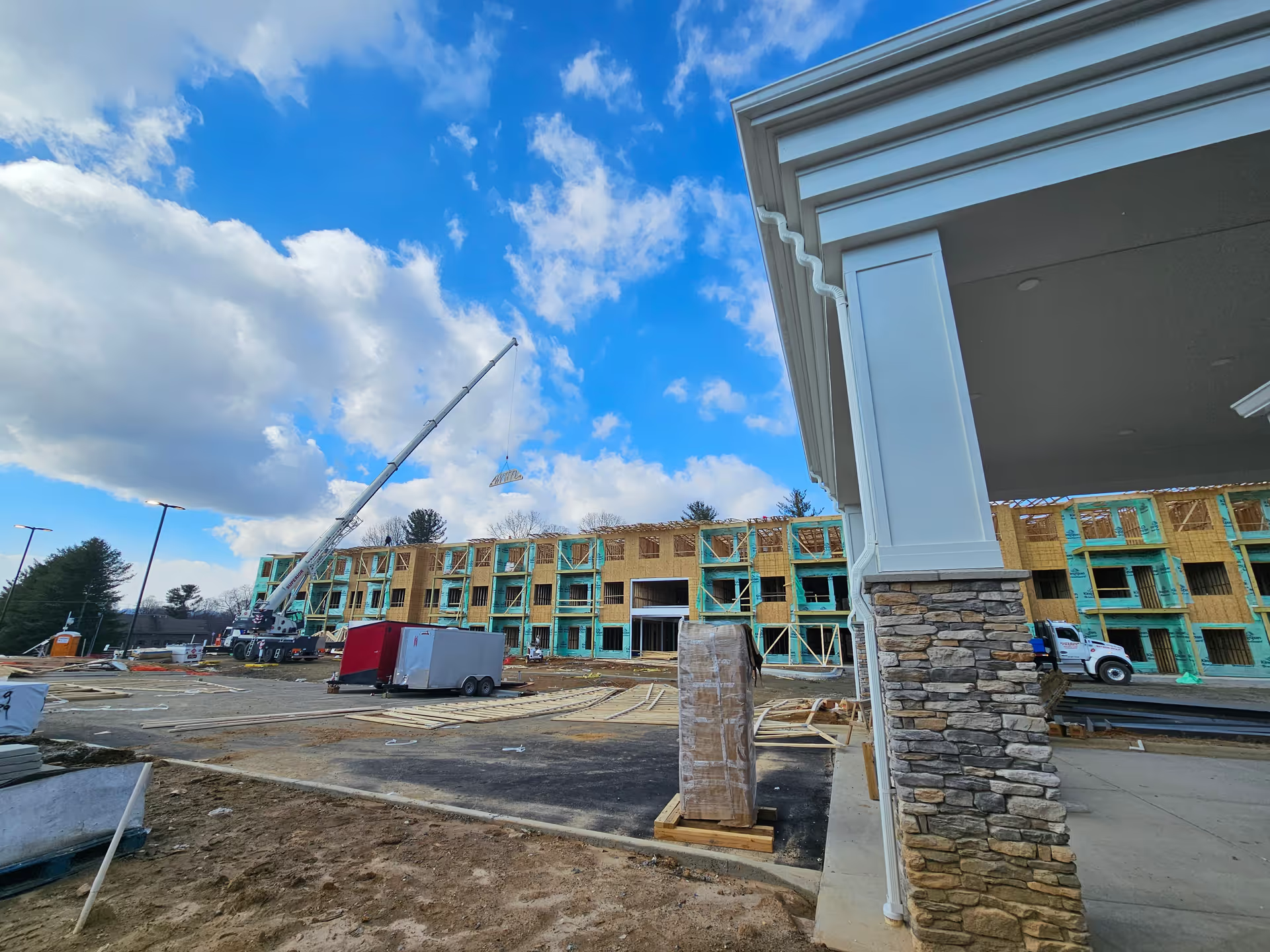
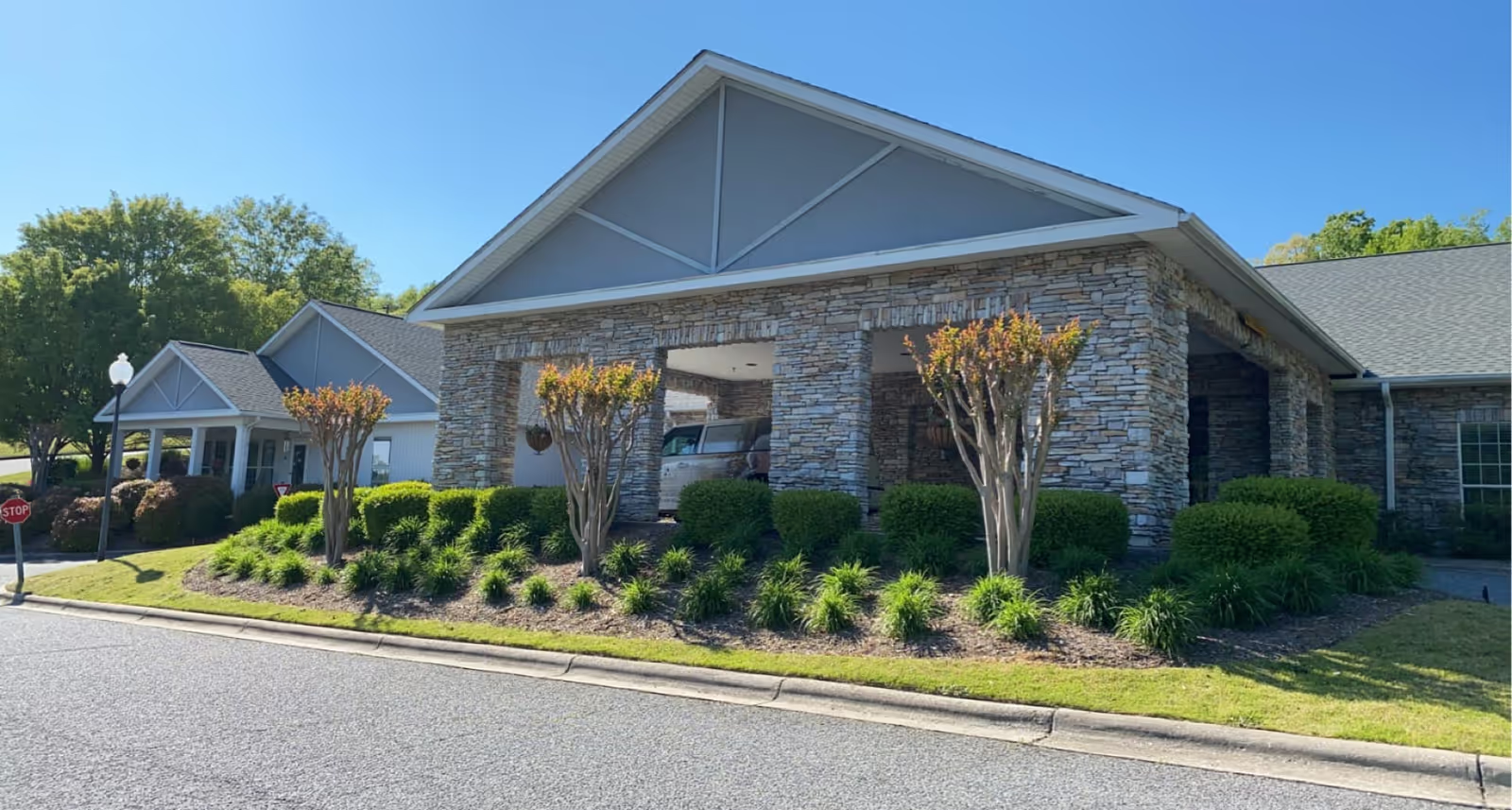
The Lodge at Mills River Health and Rehabilitation is frequently described as a clean, attractive, and well-appointed facility with a resort-like interior and multiple comfortable common spaces. Many reviewers highlight a warm, chalet-style decor, attentive housekeeping, and a layout that supports social interaction. The building’s inside environment, seating areas, sun rooms and fireplaces are repeatedly noted as pleasant features that contribute to resident comfort.
Clinical and rehabilitative services receive consistent praise. Physical and occupational therapy programs are commonly characterized as skilled, goal-oriented, and effective in producing measurable mobility gains and timely discharge home. Reviewers also note solid wound-care and nursing oversight in many cases, active involvement by therapists and nurses, and an administrative team that maintains clear family communication and proactive safety recommendations. Short-stay rehabilitation outcomes are often favorable, and families frequently commend staff for dignity, respect, and individualized attention.
Dining and activities are a visible strength for many families: multiple dining options, flexible or à la carte selections, and celebratory events (birthdays, holidays) contribute to a hospitality-oriented experience. An activities program with daily offerings and attentive coordinators is described as engaging and supportive of residents’ social needs. Front-desk staff and visitor accommodations are also cited as helpful and welcoming.
Despite these strengths, the reviews reveal patterns of operational variability. Several concerns point to uneven nursing responsiveness—particularly across night shifts—and inconsistent timing for medication administration and pain management. Dining quality and nutritional balance are described as inconsistent across stays, with some families praising the food and others finding it lacking in variety or healthful preparation. A subset of comments raises issues with clinical-incident handling and escalation (including delayed responses in urgent situations) and occasional problematic staff conduct or communication tone that can affect family trust.
Other practical considerations include reports of HVAC or air-quality inconsistencies in resident rooms and limited outdoor/garden amenities or a dated exterior in certain areas of the property. A few reviews also raised broader concerns about leadership–staff dynamics and how that affects coordination of care. These patterns suggest the facility performs well in rehabilitation, hospitality, and many aspects of daily care, but that prospective residents and families should clarify expectations around night-shift staffing, medication timing, incident escalation procedures, dietary options, and air-quality/ventilation during the tour or pre-admission planning.
Overall, The Lodge at Mills River presents a generally strong option for short-term rehabilitation and for families seeking a warm, well-kept environment with effective therapy services. Balancing the frequently noted strengths are operational inconsistencies that merit targeted questions during a visit and ongoing attention from management to ensure reliable clinical responsiveness across all shifts.