Care quality: Reviews indicate a generally strong day-to-day care program. Families and long-term residents describe attentive, compassionate caregiving and consistent personal-care routines; several narratives note that residents received extraordinary daily assistance and that relatives felt reassured by the care provided. That positive pattern suggests reliable basic-care processes and staff who invest personally in residents' wellbeing.
Staff: Staff are consistently described as pleasant and caring, with specific caregivers named as exemplars of the facility’s approach to resident engagement. At the same time, there is clear concern about the facility’s compensation model — low wages and dissatisfaction with pay were highlighted and framed as a potential constraint on recruitment and retention. This creates a mixed picture: strong caregiver commitment under present conditions, coupled with an operational risk that staffing stability could be affected if compensation practices are not addressed.
Dining: Review content provided little specific information about meals or food quality. No consistent commentary on menu variety, mealtime service, or dietary management emerged from the summaries, so dining cannot be confidently characterized from the available material.
Activities: Recreational programming is a relative strength. Residents described enjoying activities and the daily environment, and reviewers credited the facility with providing engaging options that contributed to residents’ comfort and satisfaction. Activity offerings appear to support a home-like, socially engaging atmosphere for many residents.
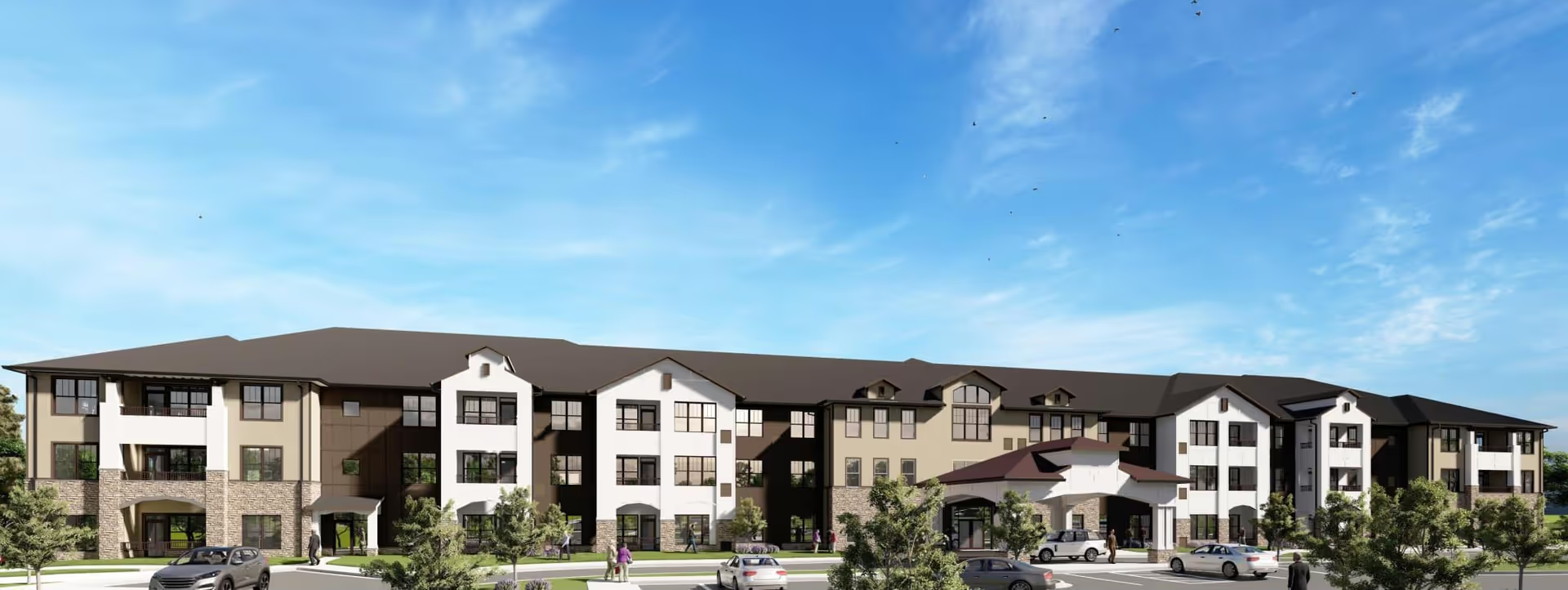
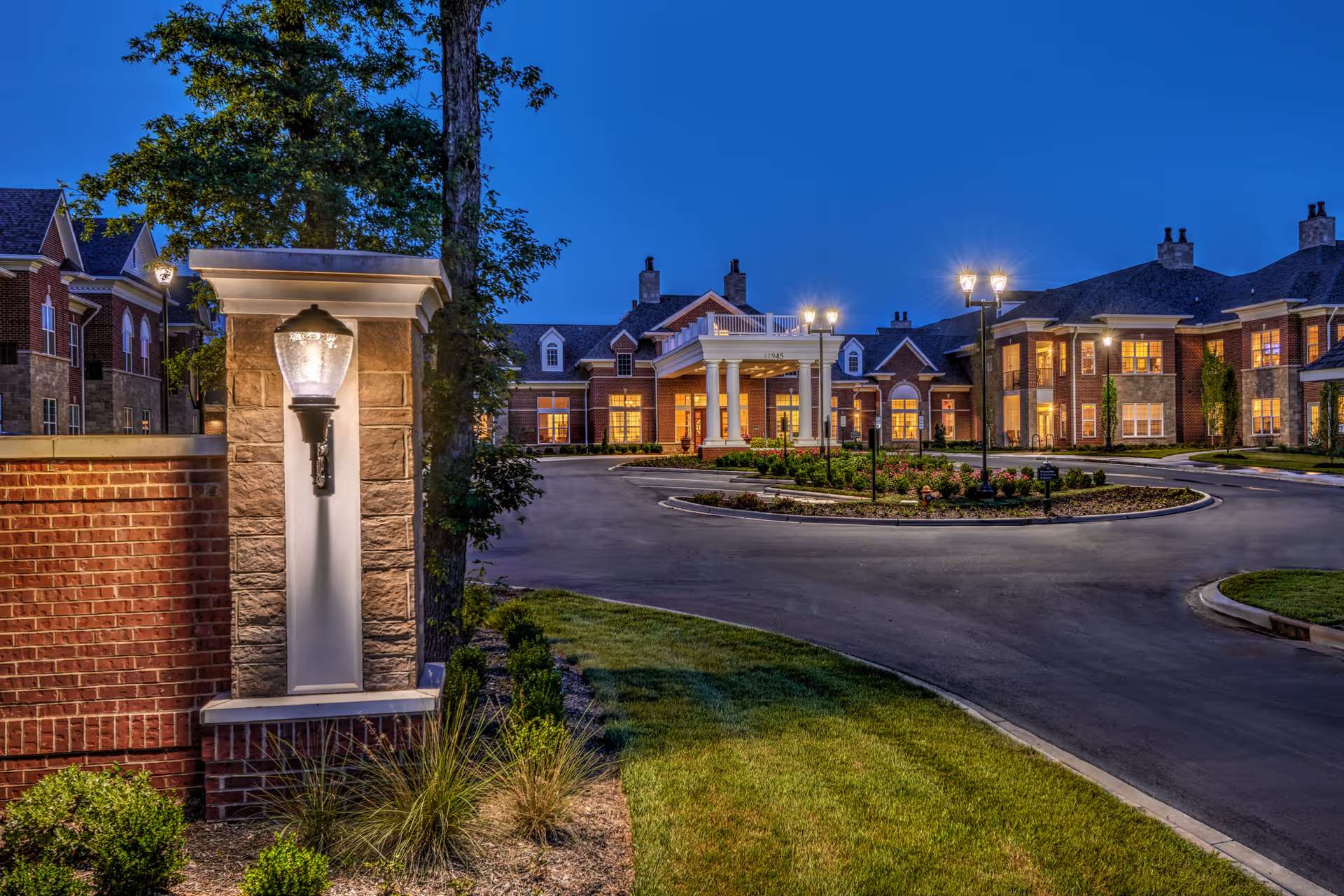
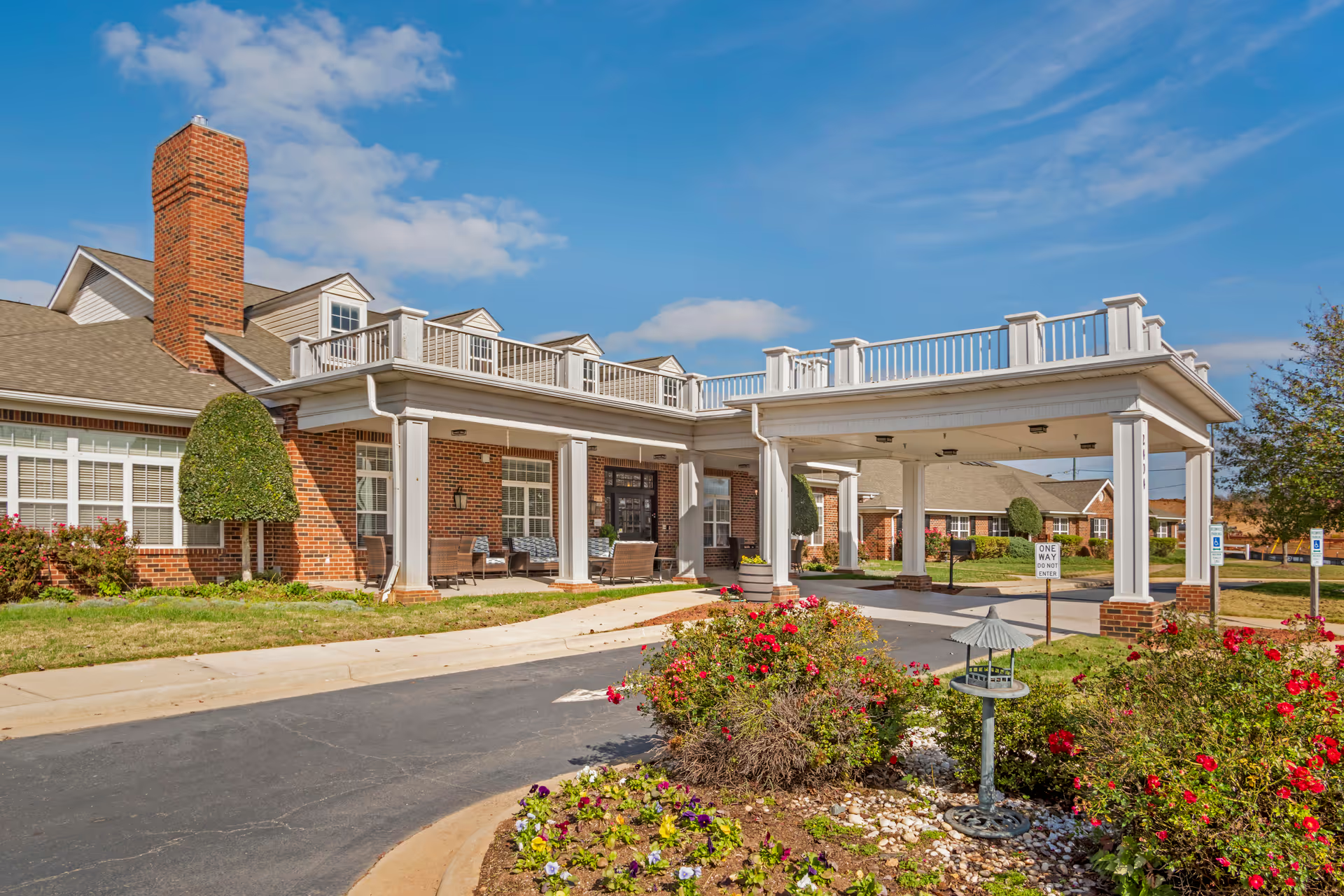
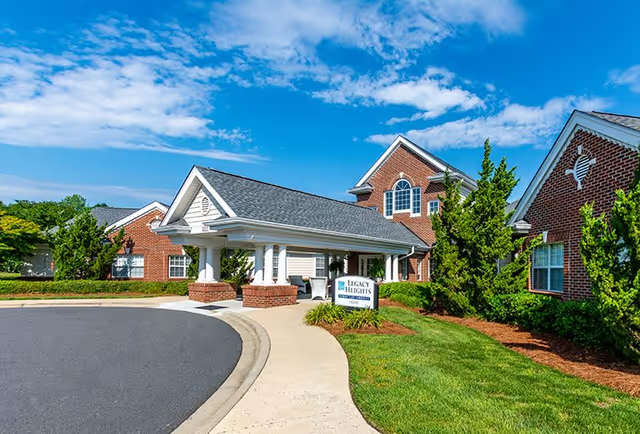
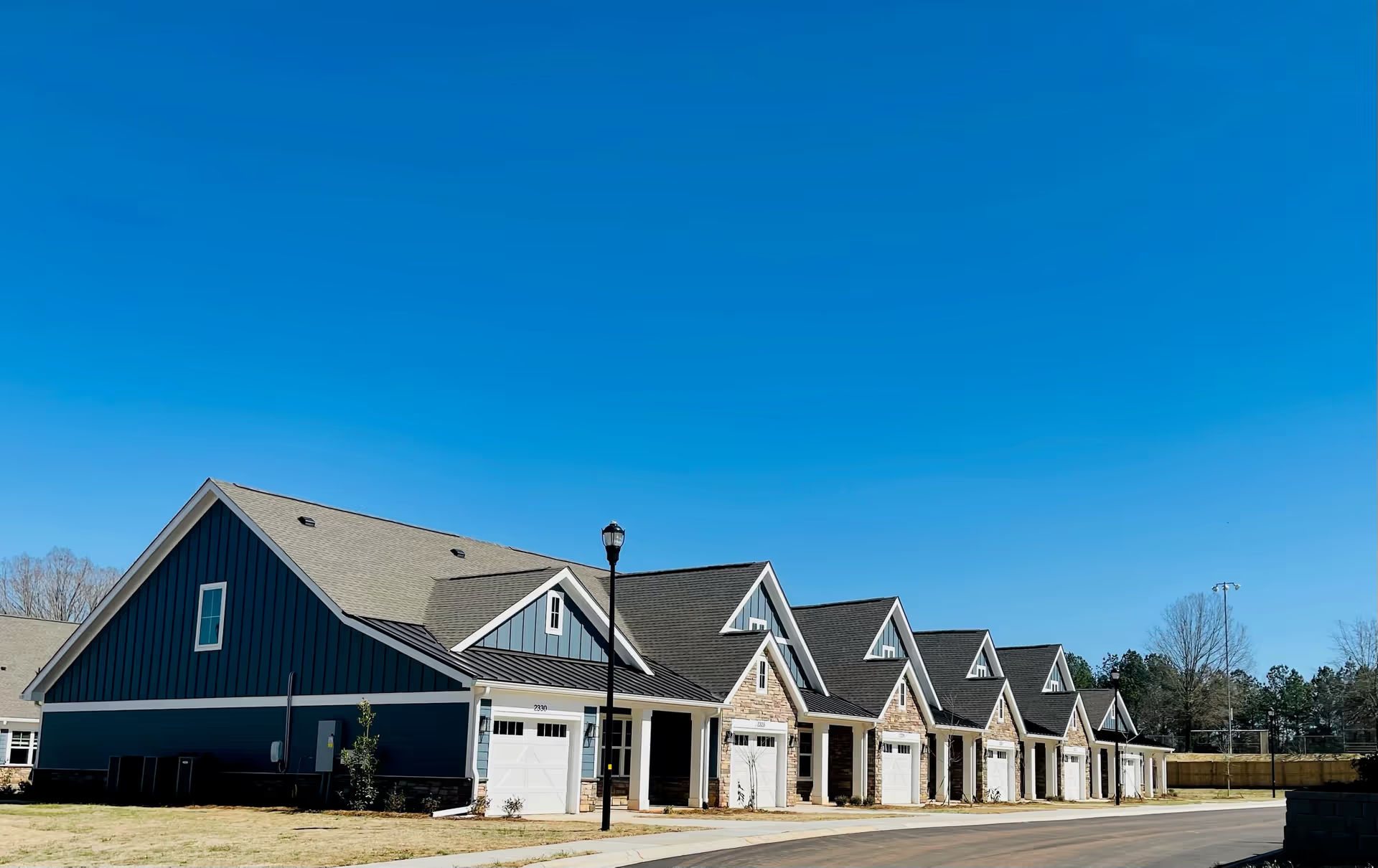
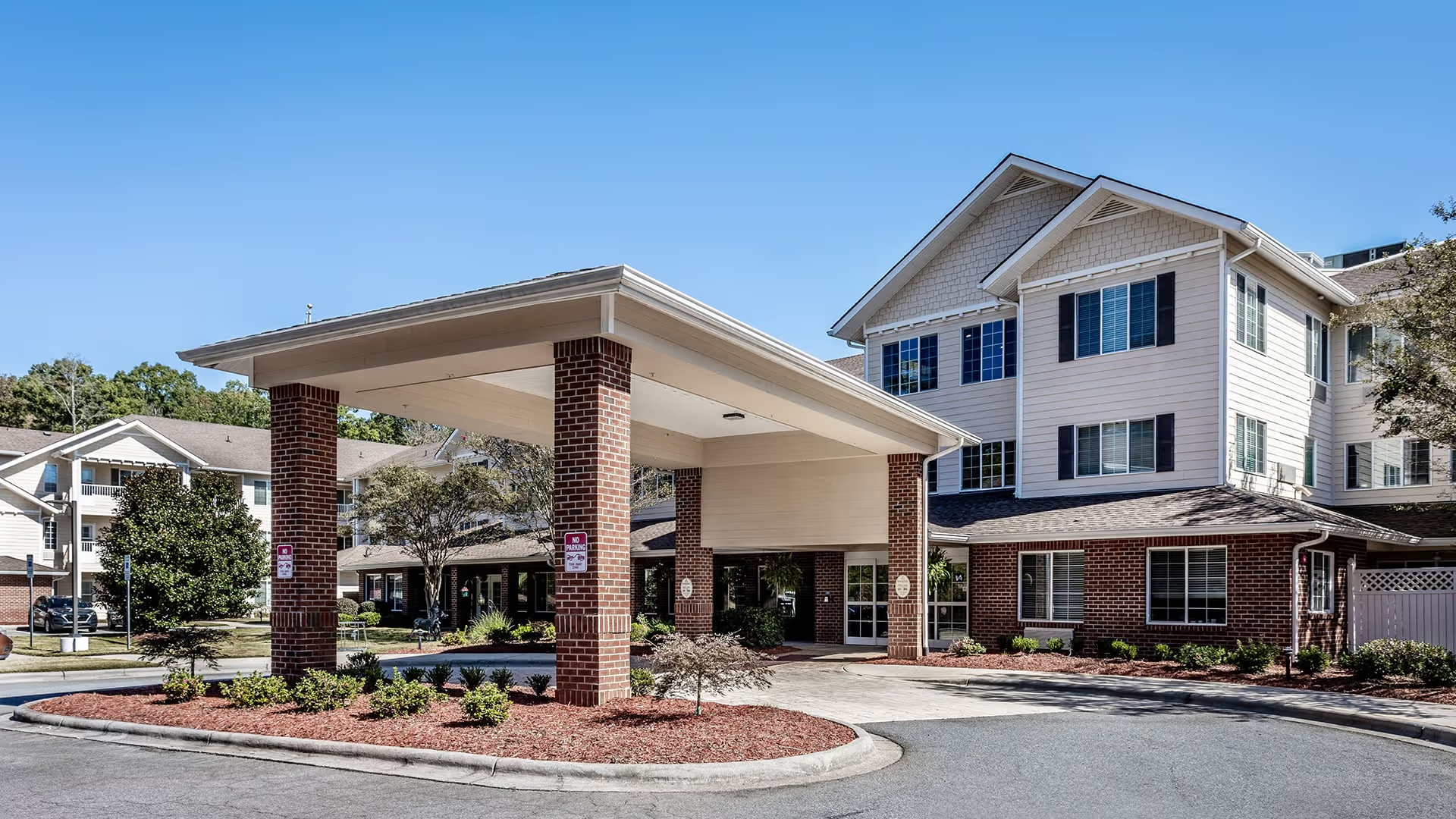
Facilities: The facility appears to be an older building with a mix of strengths and limitations. Cleanliness and sanitation standards are described positively, and common areas and rooms are often characterized as neat and comfortable. However, the physical plant is described as dated in parts — older furniture, darker or more institutional-feeling areas, and small room footprints. A notable operational limitation is the prevalence of shared rooms and limited access to private bathrooms for some residents; private-room options are available but not universal.
Management and notable patterns: Management is viewed as approachable by some families, and the overall tone toward leadership includes expressions of gratitude from relatives. The dominant patterns across the reviews are a contrast between high-touch caregiving and a facility operating from an older infrastructure with constrained staffing economics. For prospective residents and families, the tradeoffs to consider are the strong interpersonal care and cleanliness versus the aging environment, room configuration limitations, and potential staffing stability issues related to compensation. If these operational traits align with a family’s priorities, the facility may be a good fit; families prioritizing newer accommodations, private-bath access for every room, or clear assurances about long-term staffing levels may want to seek detailed, current information from management before deciding.