Reviewer feedback for Croatan Ridge Rehabilitation & Nursing Center is markedly mixed, with a clear split between accounts of attentive, high-quality services and serious operational concerns. On the positive side, many families and clinicians praised the facility’s therapy program, noting strong physical and occupational therapy services that supported rehabilitation and transitions back home. Numerous reviewers described individual staff—especially certain CNAs, aides, therapists, and the social work team—as compassionate, proactive, and helpful; admissions staff and some leadership were also acknowledged for assisting with placement and comfort adjustments.
Care quality descriptions vary considerably. Positive accounts highlight dignified, respectful care and good communication from some nurses and aides. However, several accounts describe delays in attending to resident needs, inconsistent personal-care routines (including bathing schedules), incontinence-care delays, and examples where clinical follow-up or wound care did not meet family expectations. A small number of serious clinical concerns were reported by families, including one account that led to urgent hospitalization and a limb-saving intervention, and other reports raising concerns following a resident’s death. These indicate variability in clinical vigilance and escalation practices that prospective families should clarify during a tour.
Staffing, culture, and management are recurring themes. Many reviewers described the staff as overworked and understaffed; that pattern is associated with delayed responses to call lights, rushed care, and perceived gaps in monitoring and transfers. Several reviewers expressed concern about leadership and morale, citing management behaviors that undermined staff efforts and contributed to turnover. Conversely, where leadership and individual managers were engaged, families noted better experiences, indicating that leadership practices appear to influence day-to-day consistency.
Dining and nutrition feedback is mixed. Some families enjoyed home-style meals and specific entrees and desserts, and appreciated accommodations for picky eaters. Others described inconsistent meal quality, limited dietary adjustments in certain cases, and shortages or small portions of supplemental nutrition. Administrative follow-through on dietary requests and reimbursement issues was also cited as inconsistent in some accounts.
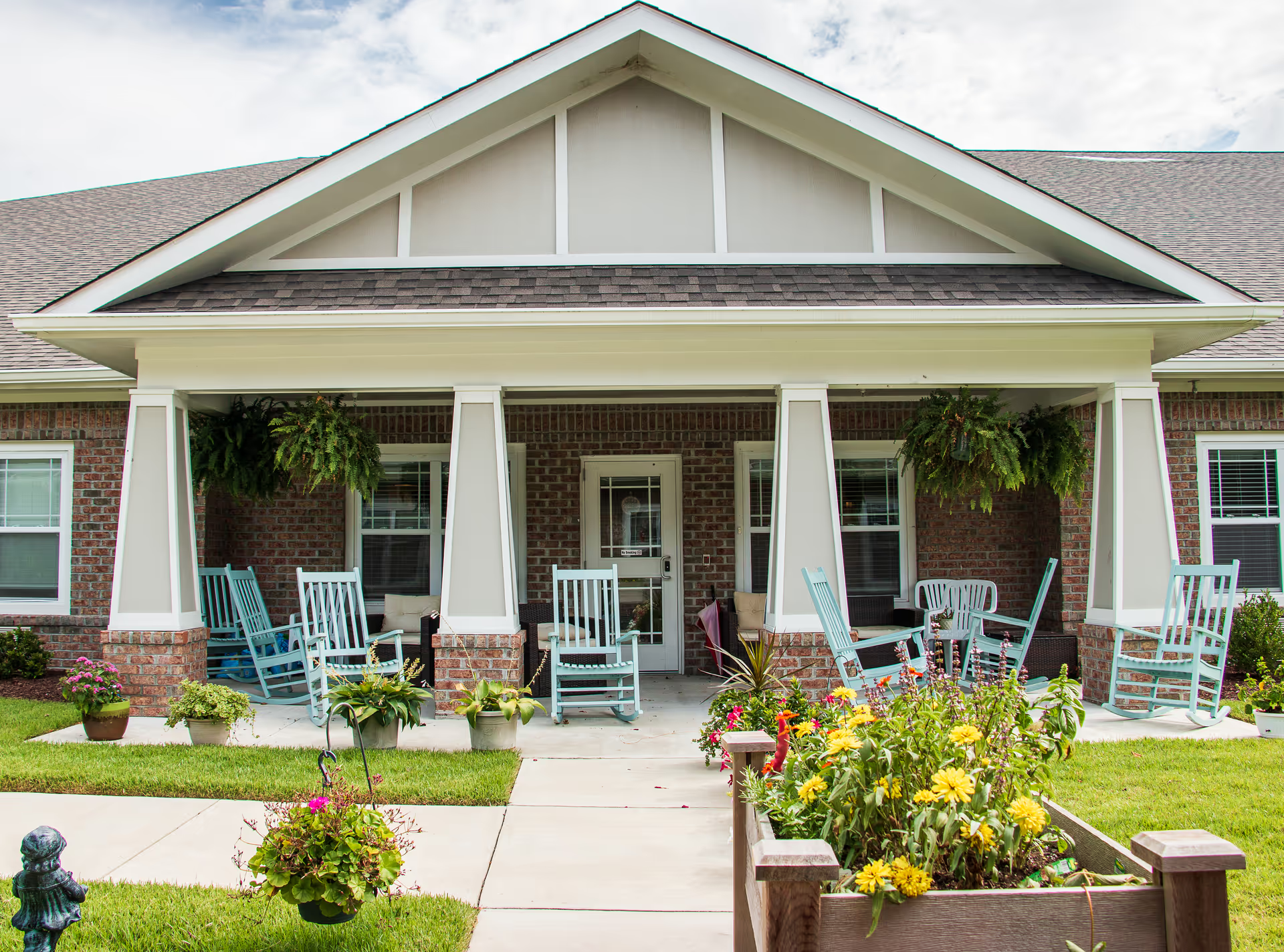
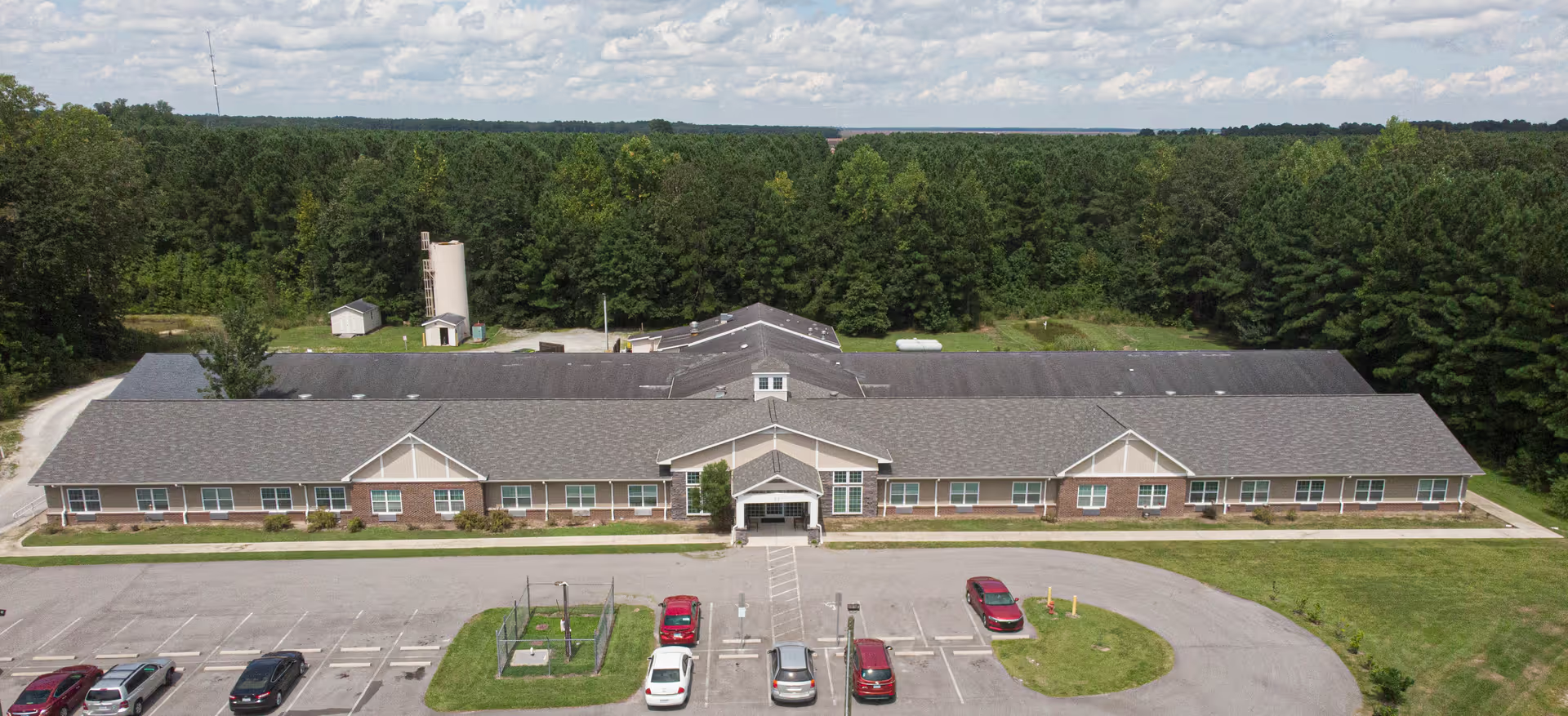
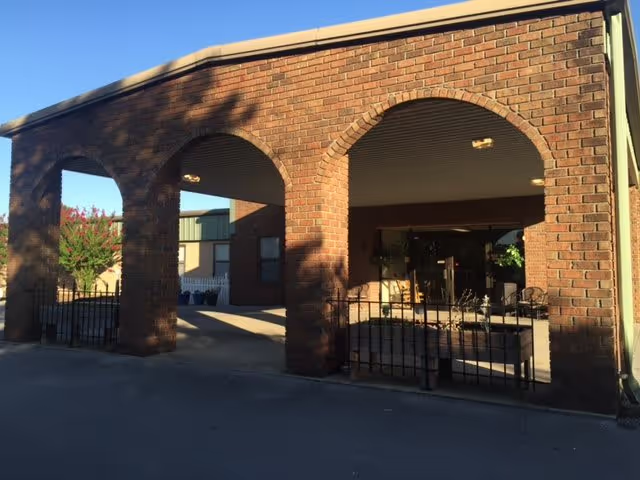
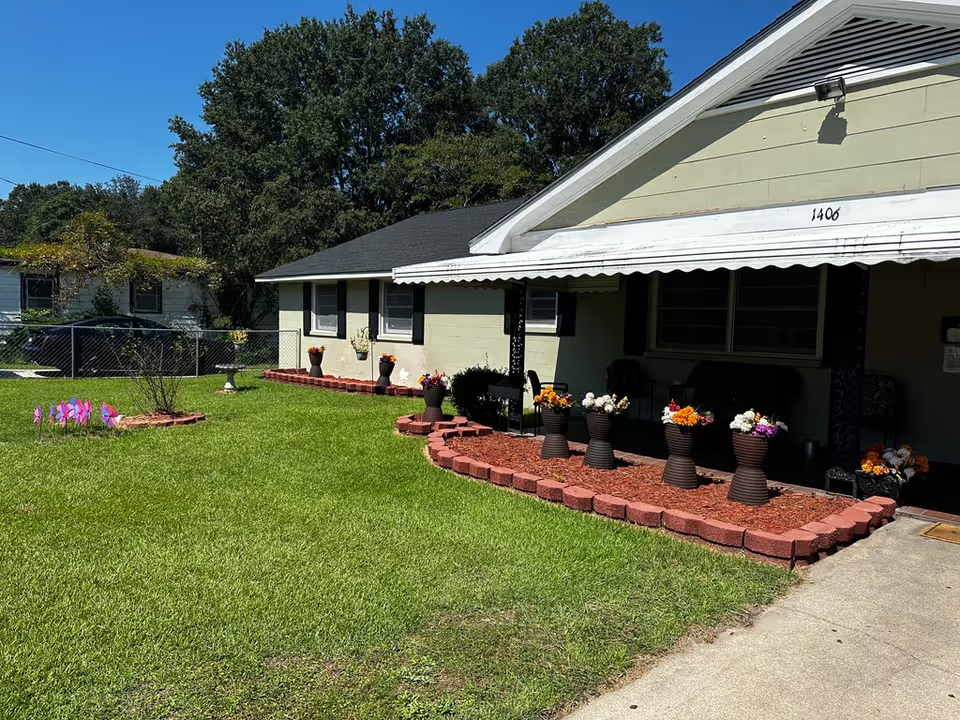
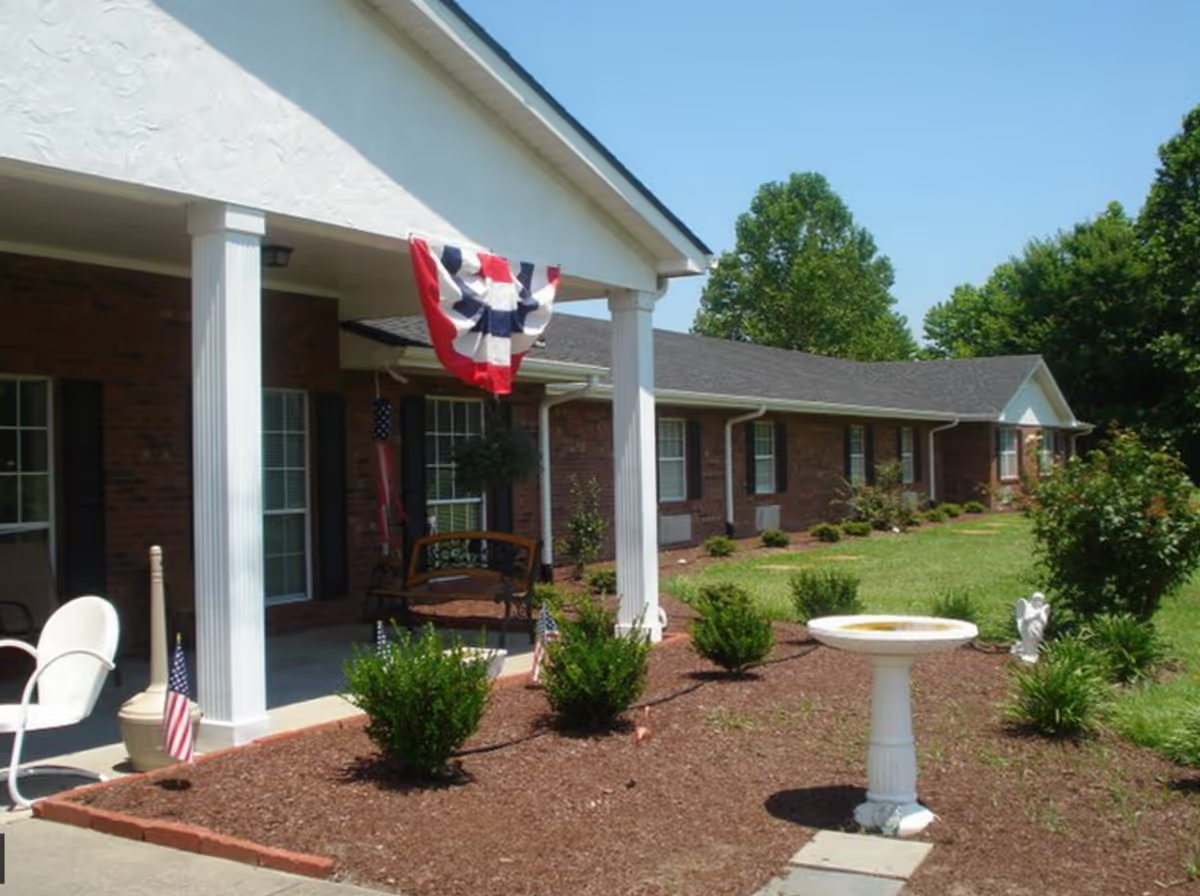
Facilities and activities present a similarly mixed picture. Positive comments referenced cleaner, newer sections, pleasant common spaces with birds and fish displays, courtyards, game rooms, and frequent activities. Negative feedback focused on older, small double-occupancy rooms with shared bathrooms, inconsistent housekeeping and sanitation practices in some areas, and odor concerns. Property management issues such as missing clothing or belongings have also been raised.
Overall pattern and practical considerations: experiences at this facility appear polarized—some families describe excellent, family-like care and effective therapy, while others report operational weaknesses tied to staffing, communication, and housekeeping that they felt compromised care. Prospective residents and families would benefit from asking targeted questions about current staffing ratios and turnover, call-light response times, wound- and transfer-protocols, housekeeping schedules, property-tracking processes, dietary accommodation practices, and examples of recent quality-improvement efforts. An on-site visit that includes observing therapy, dining, and a typical room (especially if double-occupancy) and speaking directly with nursing leadership and the admissions/social work team will help assess consistency and fit for individual needs.