Reviews of The Landings of Oak Island present a mixed but consistent picture: many families and residents praise the quality of direct care and the living environment, while a subset of reviews describe operational and administrative weaknesses that warrant careful inquiry.
Care and staff: Frontline caregivers receive frequent, affirmative comments for being compassionate, attentive, and helpful during hospitalizations and transitions. Reviewers commonly describe warm greetings at reception, individualized attention during difficult periods, and staff who accommodate room changes and family involvement. Several accounts also highlight reliable medication administration and effective hospice support. However, recurring operational concerns center on clinical oversight for residents with cognitive impairment, inconsistent responsiveness to call bells, and delays or gaps in formal care planning and discharge coordination. Staffing shortages and workload pressure are described as contributing factors to these gaps.
Dining and activities: The facility’s dining and activity programs are strengths. Multiple reviewers note three nutritious meals per day, generous portions, a pleasant dining room, and generally positive mealtime experiences. The activities calendar is robust — including games (bingo, pokeno, trivia), crafts, movies, walking groups, salon services, and frequent live concerts — and there are opportunities for exercise and pet therapy. These programs contribute to a social, home-like atmosphere for many residents.
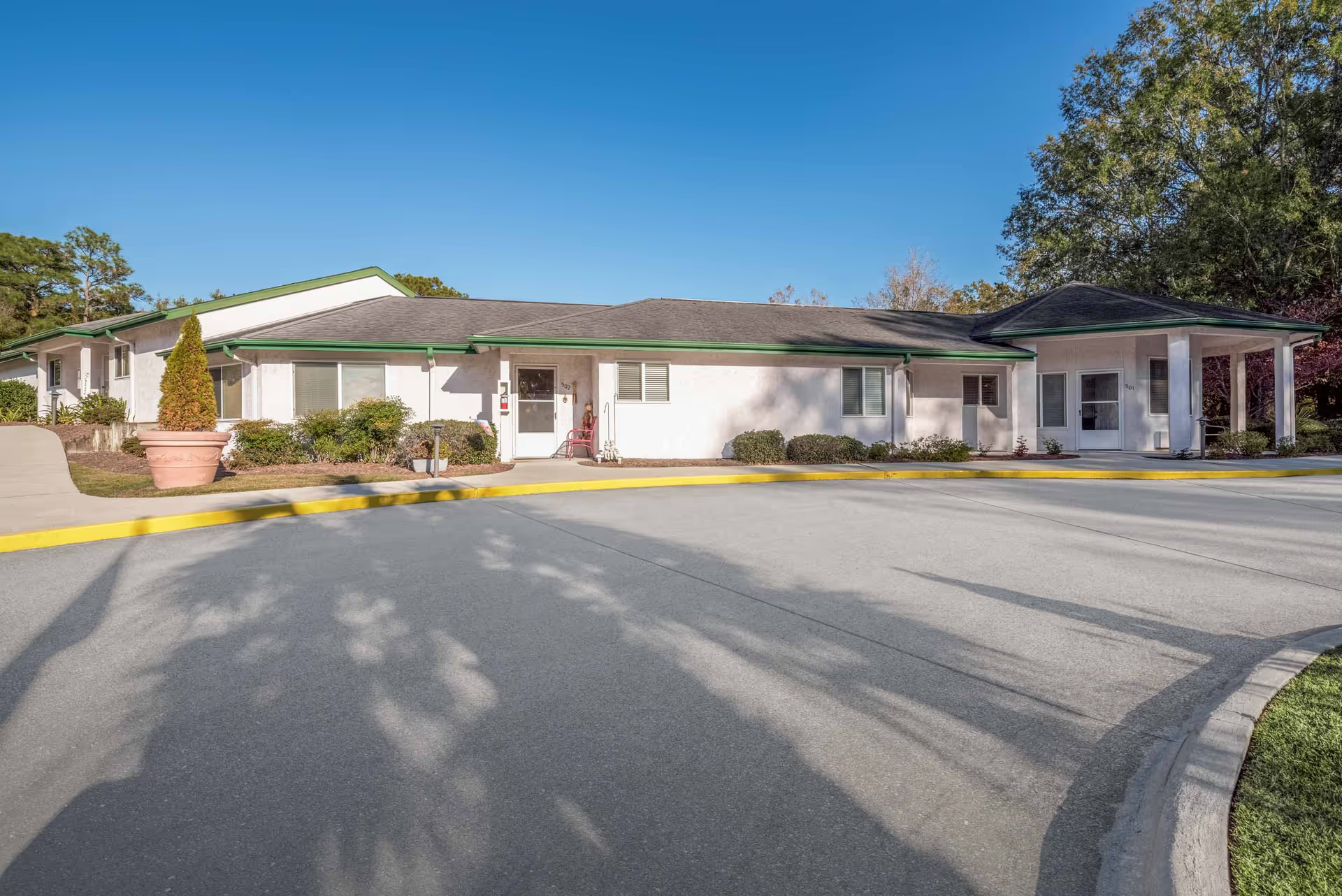
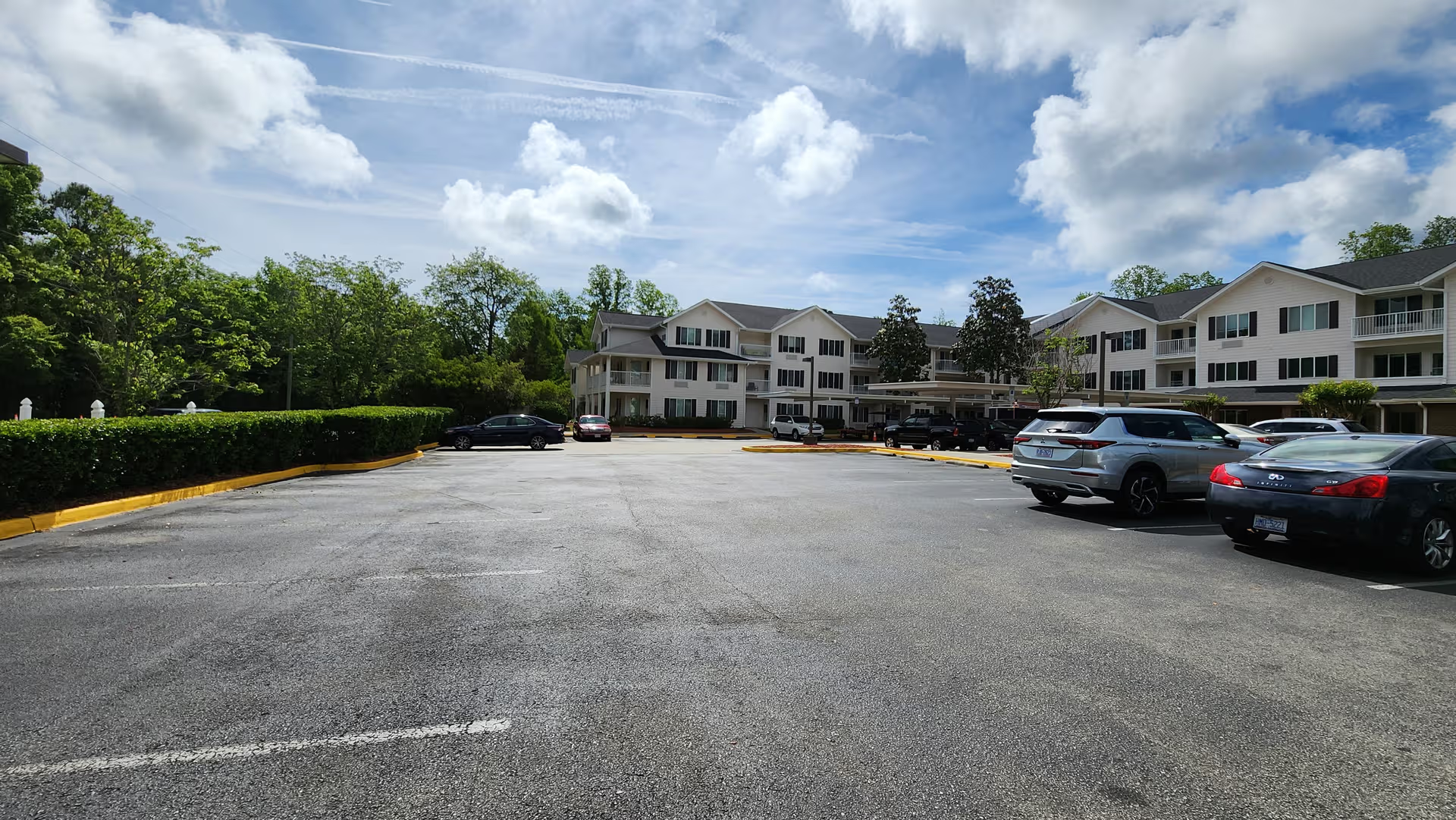
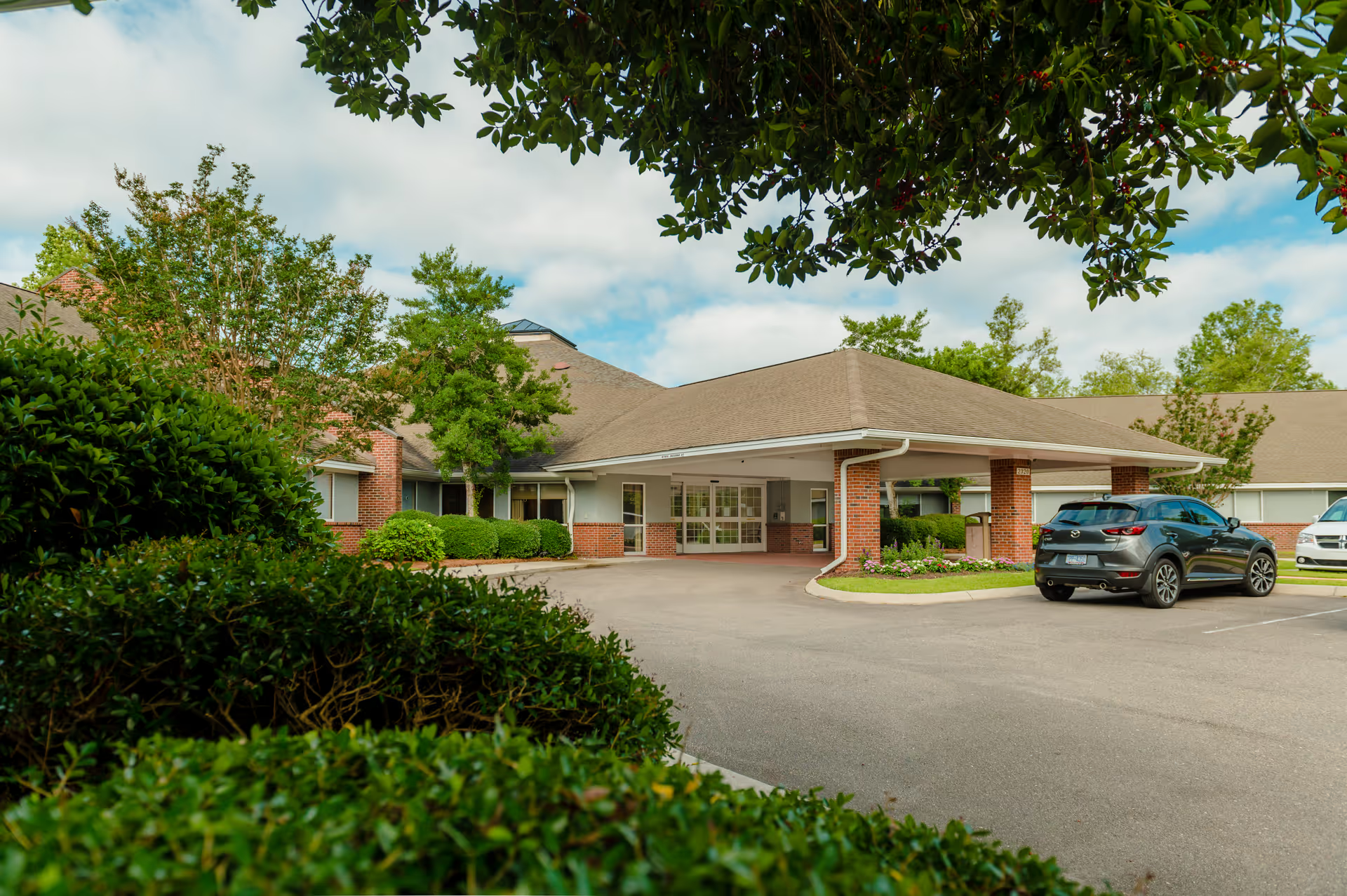
Facilities and amenities: The physical environment is frequently described as attractive, bright, and coastal-themed, with spacious common areas and abundant windows. Varied floor plans and on-site services such as transportation and laundry are noted as practical conveniences that support resident independence. Overall cleanliness and a welcoming resident community are commonly cited positives.
Management and operations: A notable pattern in the reviews is a contrast between strong frontline caregiving and inconsistent administrative practices. Concerns include misfiled paperwork, perceived unprofessional conduct by some administrative staff, gaps in documentation, and instances described as irregularities in admissions or financial handling. These operational weaknesses appear to affect family confidence and, in some accounts, the continuity of care. Reviewers also mention lost personal items and questions about medication and food handling processes, suggesting opportunities to strengthen property controls and clinical procedures.
Notable patterns and guidance: In summary, The Landings of Oak Island appears to offer strong resident-facing services — compassionate caregivers, active programming, pleasant facilities, and available supportive services. At the same time, families should be alert to administrative and clinical-process issues that have been raised. Prospective residents and families may wish to ask specific questions during a tour about staffing levels and turnover, dementia-care staffing and training, medication-storage and handling procedures, call-bell response times, care-plan development and discharge protocols, property-loss policies, and the facility’s process for handling billing and admissions. Observing a mealtime and an activity session and requesting recent inspection or compliance documentation can help clarify whether the operational concerns described have been addressed.