Overall impression: Reviews present a mixed picture. Many comments highlight active programming, a warm, family-like culture, and attentive caregiving from specific staff members, while other feedback raises operational concerns about staffing, dining, clinical responsiveness, and maintenance. Prospective families should weigh these divergent signals and verify practices in person.
Care quality and clinical responsiveness: Several families praised individualized care and described staff who assist with grooming and personal needs. At the same time, reviews indicate chronic understaffing and training gaps that appear most acute in the memory-care setting. There are also serious concerns about how clinical incidents are handled and communicated to families; some reviews reference delays in response and concerns following an adverse event. Prospective families should ask about staffing ratios, dementia-specific training, and the facility's protocols for clinical incidents and family notification.
Staff and culture: The facility is frequently described as having a friendly, family-oriented atmosphere and some dedicated, personable employees—attributes that contribute to resident engagement and a secure environment. However, other reviewers describe inconsistent staff professionalism and poor communication from administration. This split suggests variability in staff conduct and management responsiveness; callers should seek to meet multiple staff members and request examples of staff training and supervision practices.
Dining and nutrition: Dining experience is a prominent area of concern. Several reviews criticize reliance on pre-prepared or frozen meals, limited menu choices, and a one-size-fits-all meal approach. Reported deficiencies include lack of restaurant-style service and limited beverage/snack availability outside main meals. There are conflicting impressions, but the pattern points to constrained culinary variety and inconsistent meal-service quality. Visitors should sample meals, review menus, and ask about accommodations for dietary needs and preferences.
Activities and engagement: Activity offerings receive consistent positive mention—card games, bingo, walking/exercise, church services, and a strong activity director are cited as strengths. These programs appear effective for many residents, though there are explicit concerns that memory-care residents may not receive equivalent cognitive stimulation and individualized programming throughout the day. Confirming the activity schedule for memory-care residents and observing programs during different times of day is advisable.
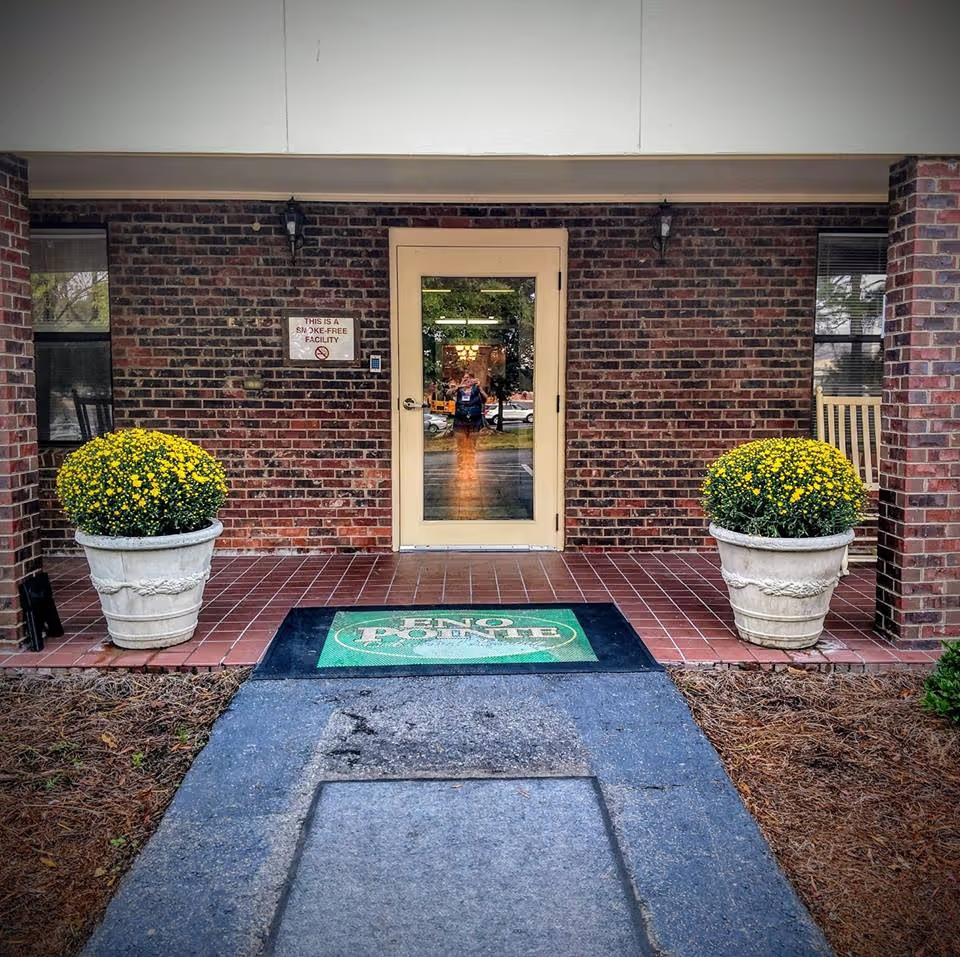
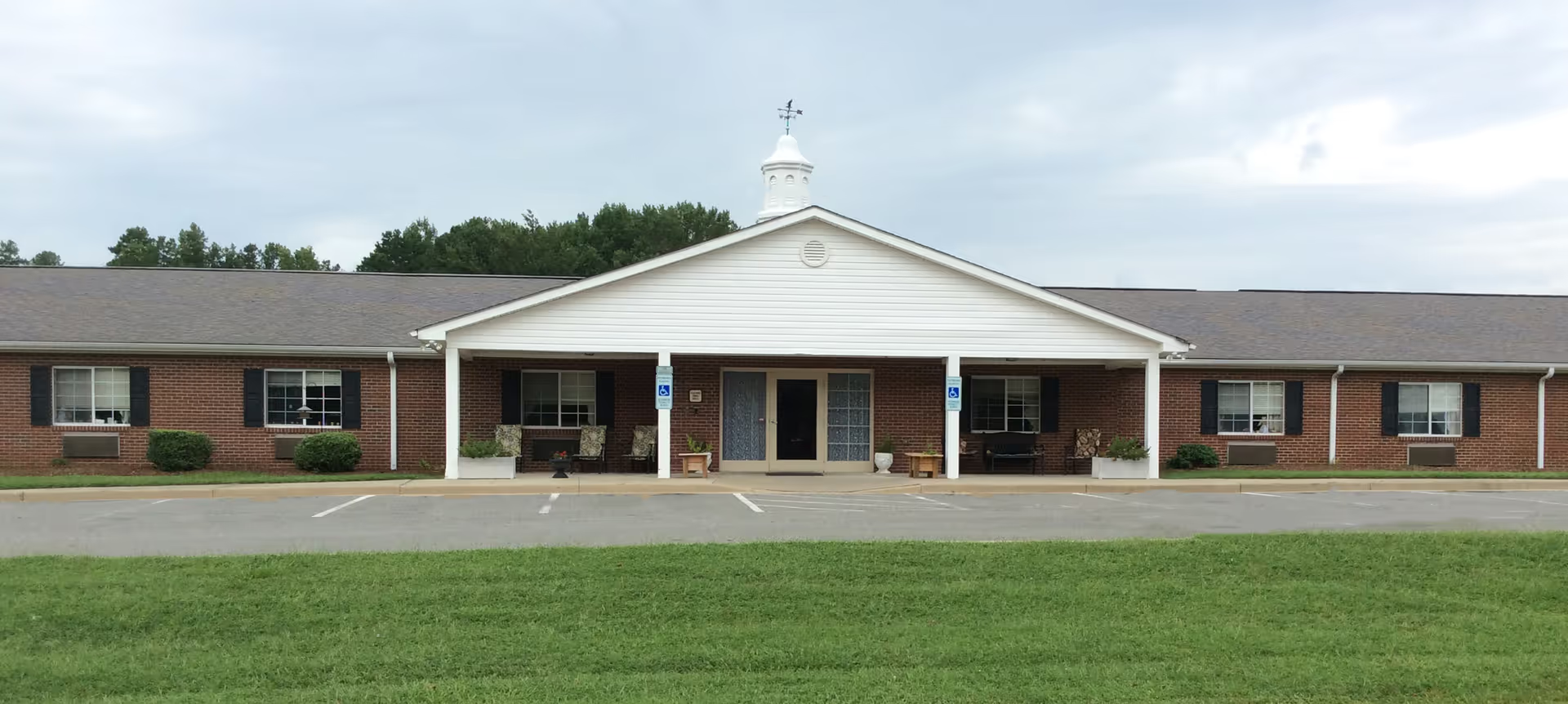
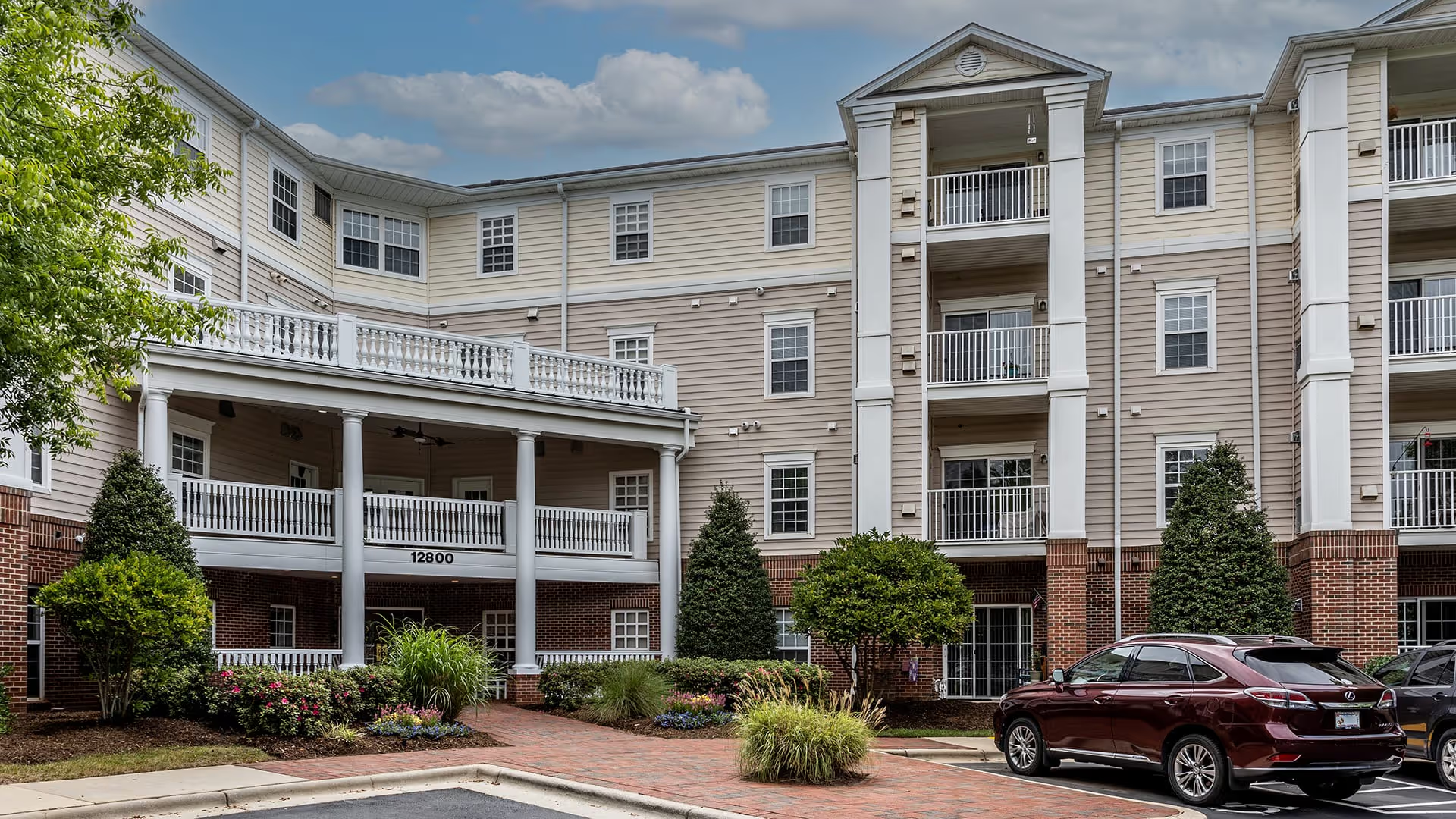
Facilities and cleanliness: Some reviewers describe clean common areas and an overall well-kept interior. Counterbalancing that, there are sanitation and laundry-handling concerns and examples of deferred maintenance (outdoor planters, rusted furnishings). These indicate uneven upkeep across the property. A thorough in-person inspection—including laundry and kitchen areas, outdoor spaces, and rooms at varying times—will help assess consistency.
Management and operations: Feedback about administration is polarized. Positive notes include a locally involved ownership model, straightforward single-fee pricing, and reportedly easy availability of space. Negative feedback centers on perceived unresponsiveness to family concerns, disrespectful communication, and lack of follow-through on maintenance or resident requests. Ask direct questions about grievance procedures, family communication protocols, and who is responsible for operations and oversight.
Notable patterns and recommendations for families: The strongest, consistent strengths are activity leadership and a warm, familial culture among some staff. The most significant operational weaknesses are staffing/training shortfalls in dementia care, dining limitations, gaps in clinical incident response and communication, and inconsistent facility maintenance and sanitation processes. For an informed decision, conduct multiple visits (including unannounced or off-hours), meet direct-care staff and the activity director, review menus and clinical protocols, and get written answers about staffing levels, emergency response, and laundry/housekeeping procedures.