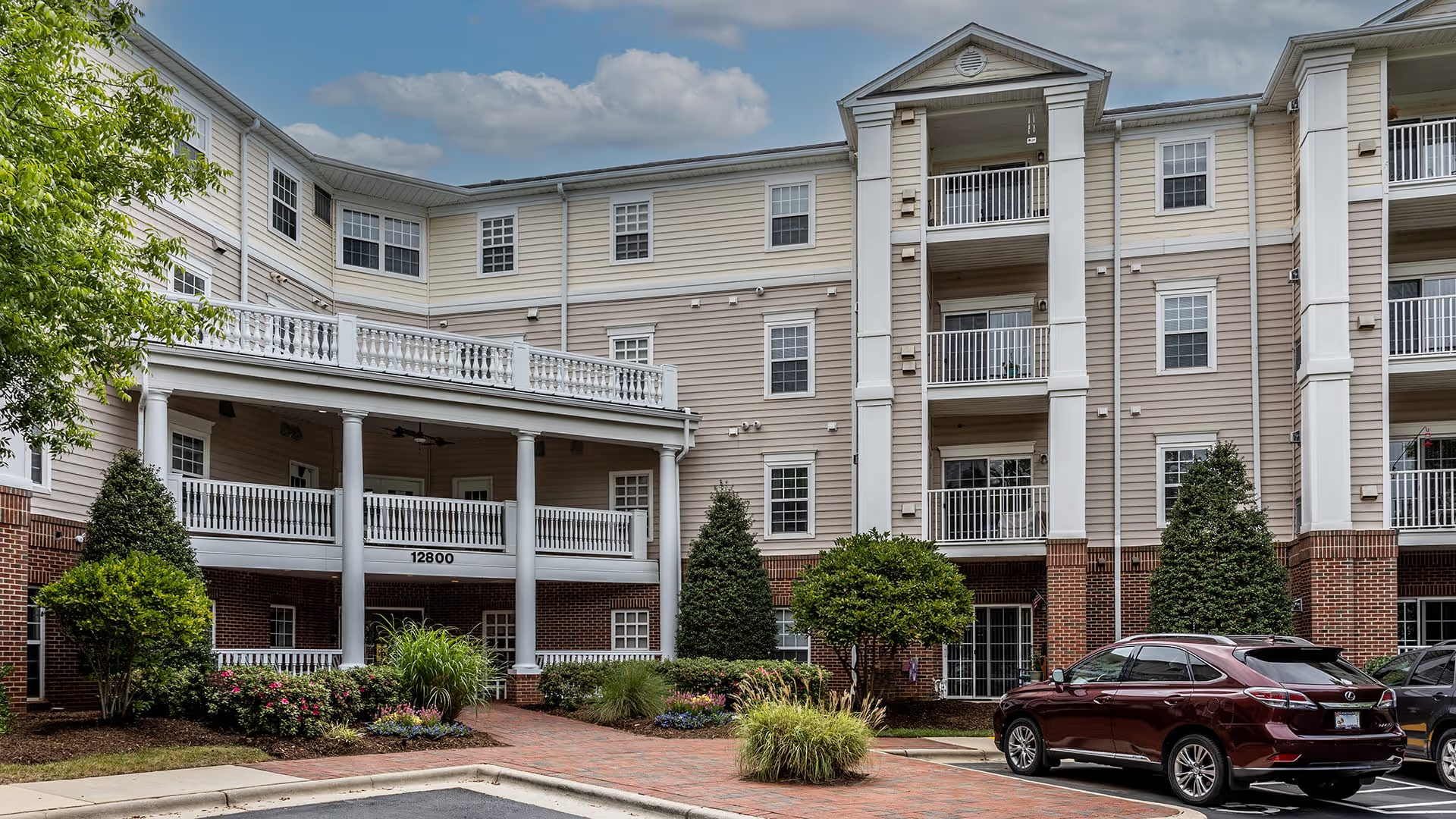
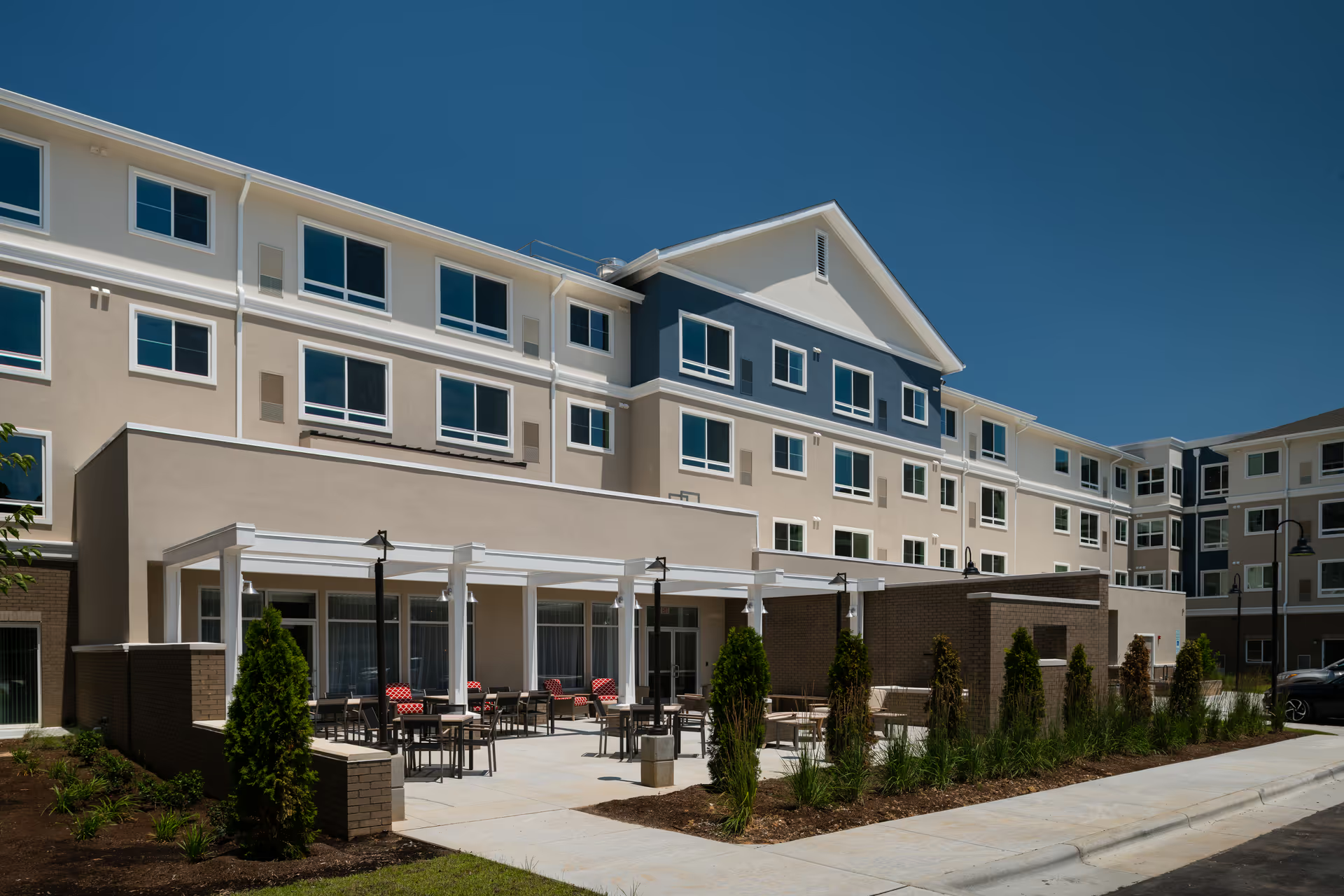
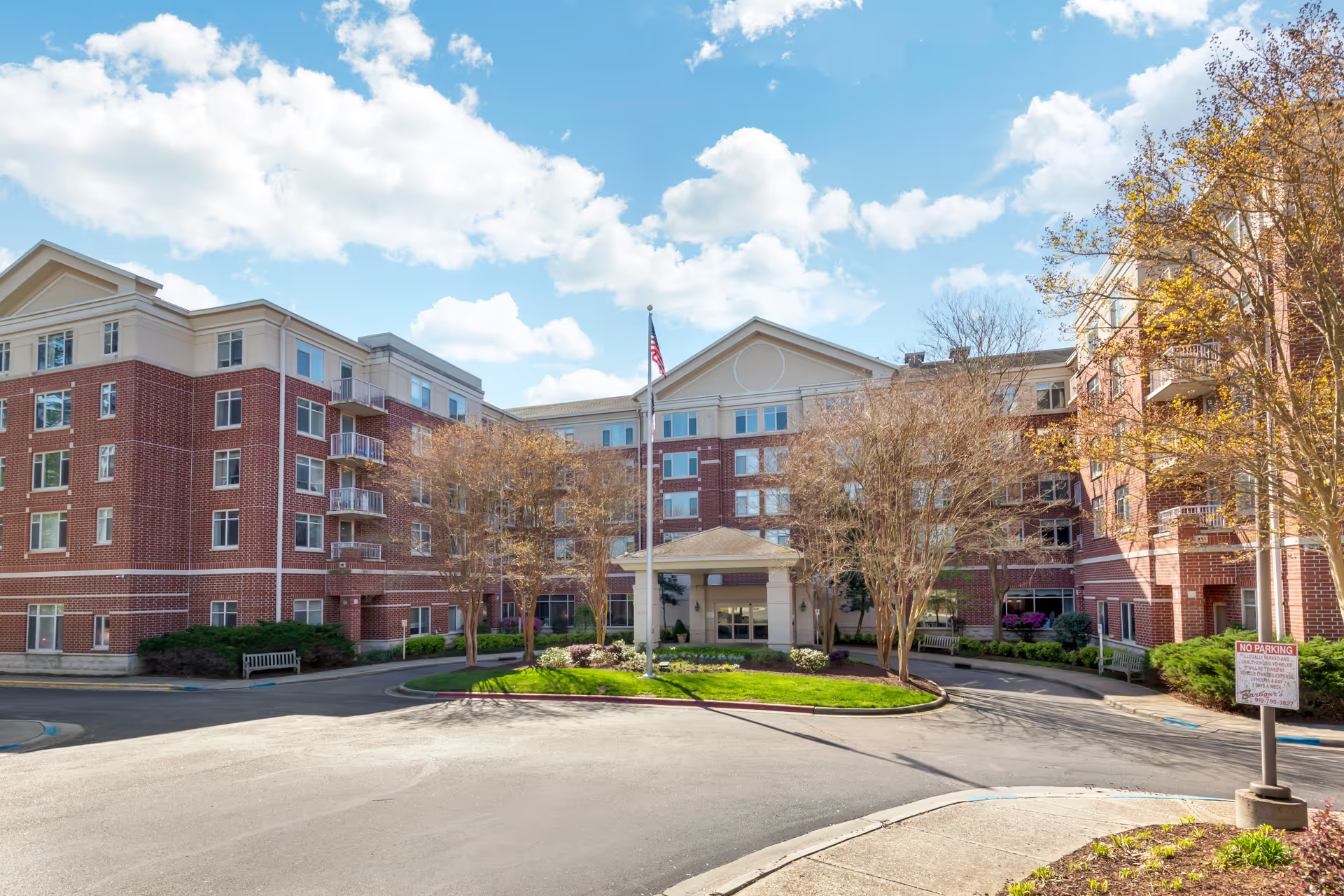
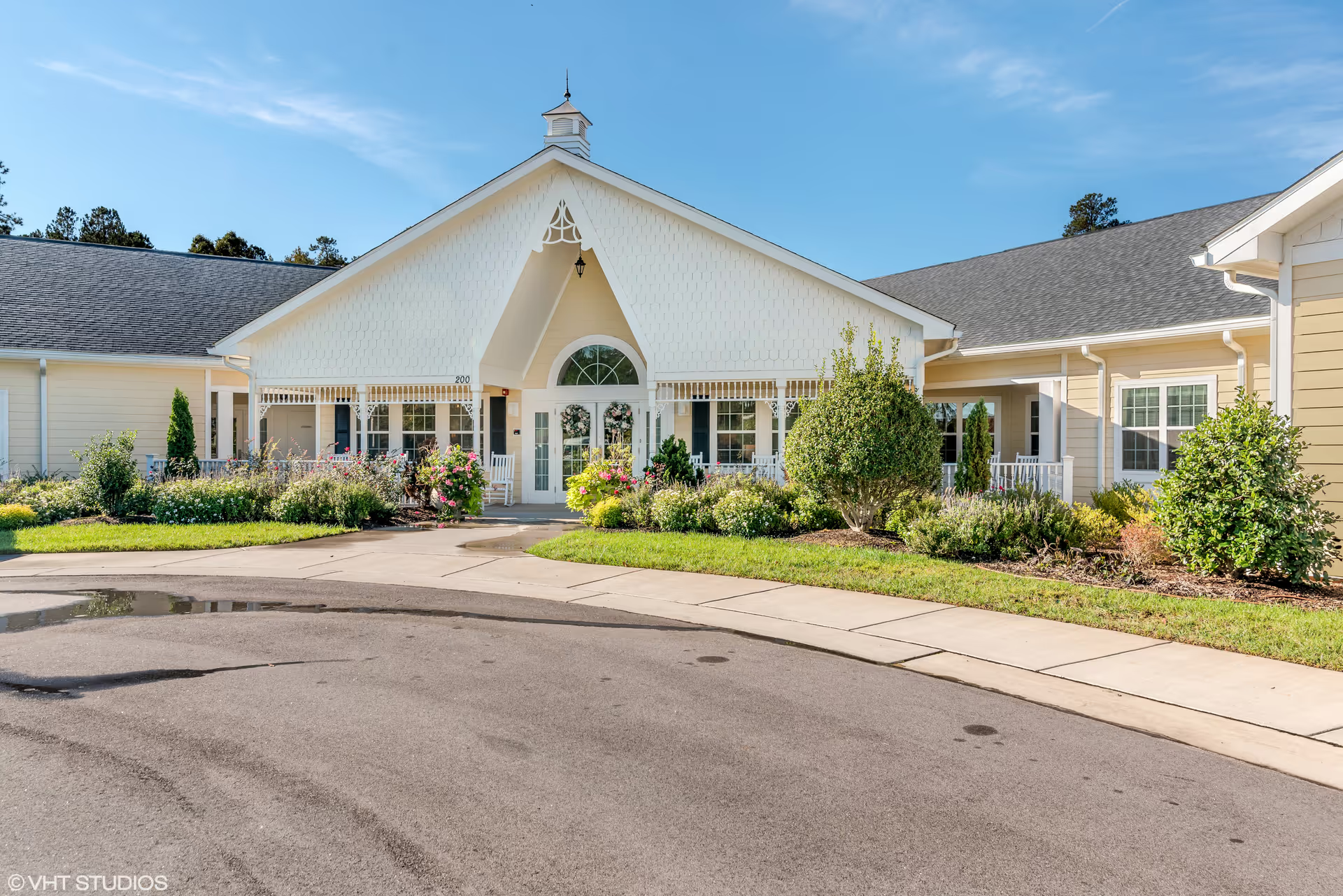
Falls River Court Memory Care presents as a smaller, memory-care–focused community with several clear strengths for families seeking dementia- and Parkinson’s-specific programming. Reviewers consistently note a welcoming atmosphere, attentive nursing coverage associated with the community’s size, and a team of long-tenured staff who often know residents personally. The facility emphasizes proactive safety checks (15-minute checks) and individualized programming: activity options such as art classes, music/piano, cooking, gardening and sensory spaces are highlighted, and staff tailor engagement to residents’ interests. Physical amenities — private rooms with en-suite bathrooms, accessible outdoor seating, an inner courtyard, on-site salon, a lavender-scented calming room and an herb garden — support both daily life and memory-care needs. Many families also describe the meals as well liked and point to a published weekly activities schedule that helps families understand daily programming.
Despite those strengths, reviews reveal consistent operational weaknesses that prospective families should weigh. Staffing levels and staff consistency emerge as the primary concern: reviewers describe variability in caregiver quality, impatience or unprofessional conduct from some staff, and overall tension around short staffing and low staff-to-resident ratios. These staffing patterns are linked to delays in routine tasks and contribute to uneven resident interaction and supervised engagement. Families also raise issues about leadership and corporate support: some on-site staff are praised, but several comments indicate perceived lack of support from corporate management and uneven compassion or responsiveness from some directors and supervisors.
Communications and incident handling are additional areas of concern. There are reports of gaps in family communication, delayed or unsatisfactory responses to clinical incidents, and frustration with how certain events were acknowledged and resolved. These patterns point to opportunities for clearer incident-response protocols, improved family outreach following adverse events, and more consistent follow-through on requests such as refunds or explanations. Operationally, reviewers also noted inconsistent laundry and housekeeping practices, some maintenance shortcomings (including delayed renovations and isolated hot-water issues), and variability in the move-in process and transitional support.
Overall, Falls River Court offers many features attractive for memory-care residents — specialized programming, engaging activities, pleasant indoor/outdoor spaces, and caregivers who in many cases provide individualized, family-like attention. At the same time, the facility appears to experience typical small-community constraints: staffing variability, periodic service inconsistencies, and management/communication gaps that can affect families’ experience. Families prioritizing strong dementia programming and a welcoming physical environment may find Falls River Court a good fit, but those for whom consistent staffing, transparent incident communication, and robust administrative responsiveness are critical should seek clarifying conversations with management about staffing ratios, incident protocols, and recent turnover/retention strategies before deciding.