Reviews of Falls River Village Assisted Living present a mixed picture: many families and visitors praise the facility's small, home-like setting, the friendliness of front-line staff, attractive outdoor spaces, and a generally well-kept building and dining environment. Several accounts highlight positive interactions with tour and admissions staff, convenient on-site services (laundry, beauty shop), and an active calendar of activities and outings that support social engagement.
Care quality assessments vary. Positive comments describe patient, attentive CNAs and staff who help residents feel comfortable during short stays and transitions into memory care. Conversely, a number of reviewers describe operational gaps that affect clinical care: inconsistent staffing levels on some shifts, concerns about medication-management practices, and limitations in the facility's ability to support higher-acuity medical needs. There are also references to delays or inconsistencies in personal-care routines and incontinence-related care that families found troubling.
Staff and management themes are polarized. Many reviews commend individual caregivers and specific employees for compassion and helpfulness, while others note high turnover, leadership changes, and low staff morale. These organizational issues appear linked in some accounts to inconsistent communication with families, slow follow-up on concerns, and difficulty obtaining timely responses or resolution when incidents occur. A small number of reviewers raised serious incident-related concerns that have increased family unease; these items underscore the importance of clarifying incident reporting and post-event procedures during a tour.
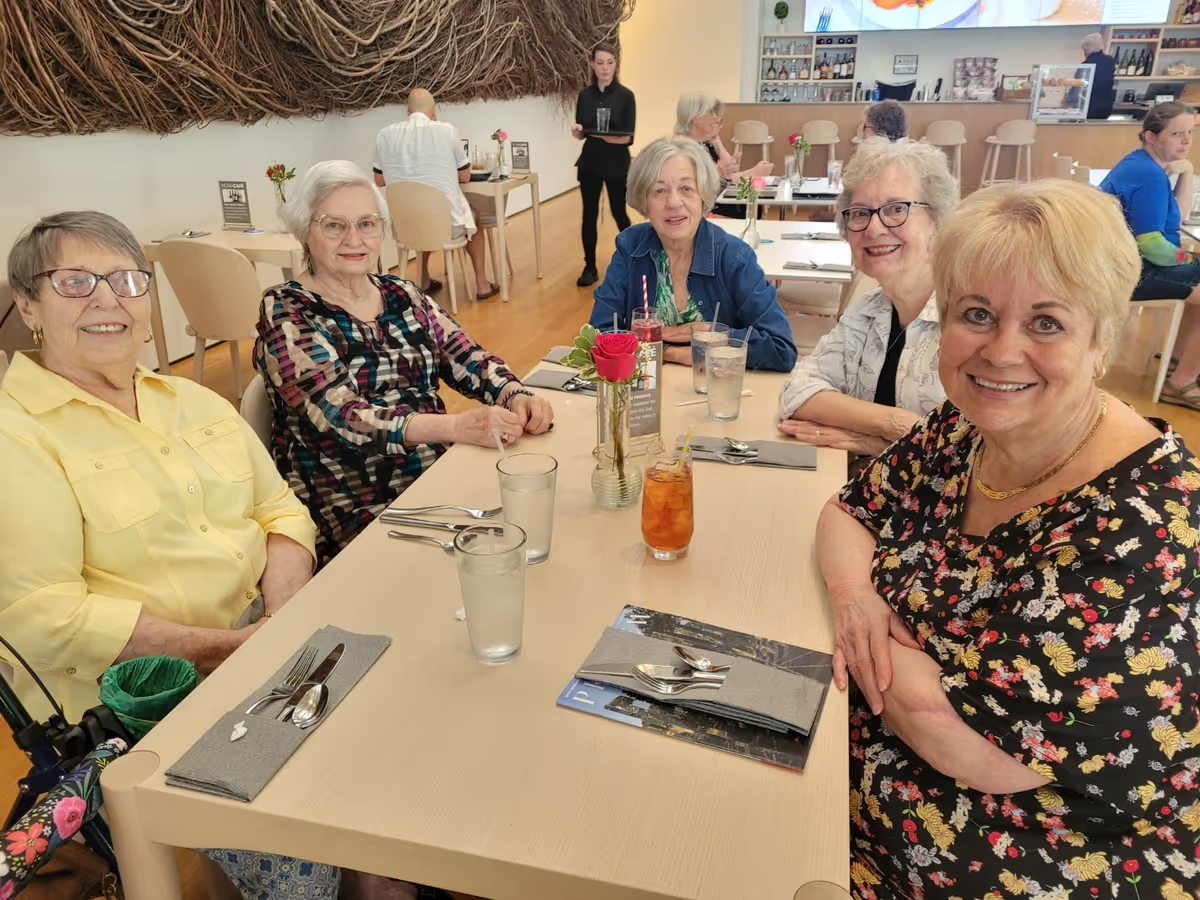
Dining and activities receive both positive and critical remarks. The menu and meal options are frequently described as appealing, with some reviewers noting good portion choices and dining-room ambiance. However, others experienced variability in meal quality and dining-room organization. Activity offerings are described as robust in many accounts (flower arranging, outings, social events), but some families observed that scheduled programming can be canceled or run with limited staff support, and transportation for off-site appointments has been described as unreliable by several reviewers.
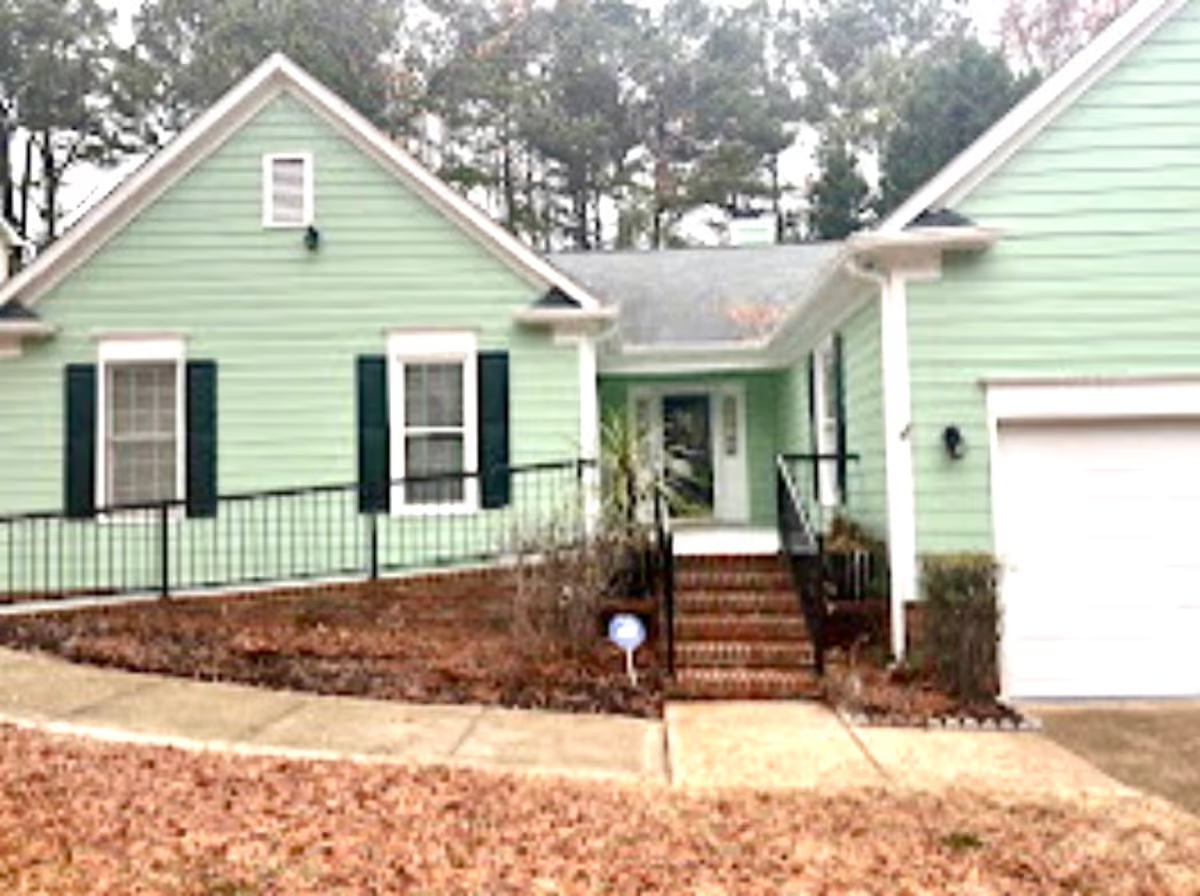
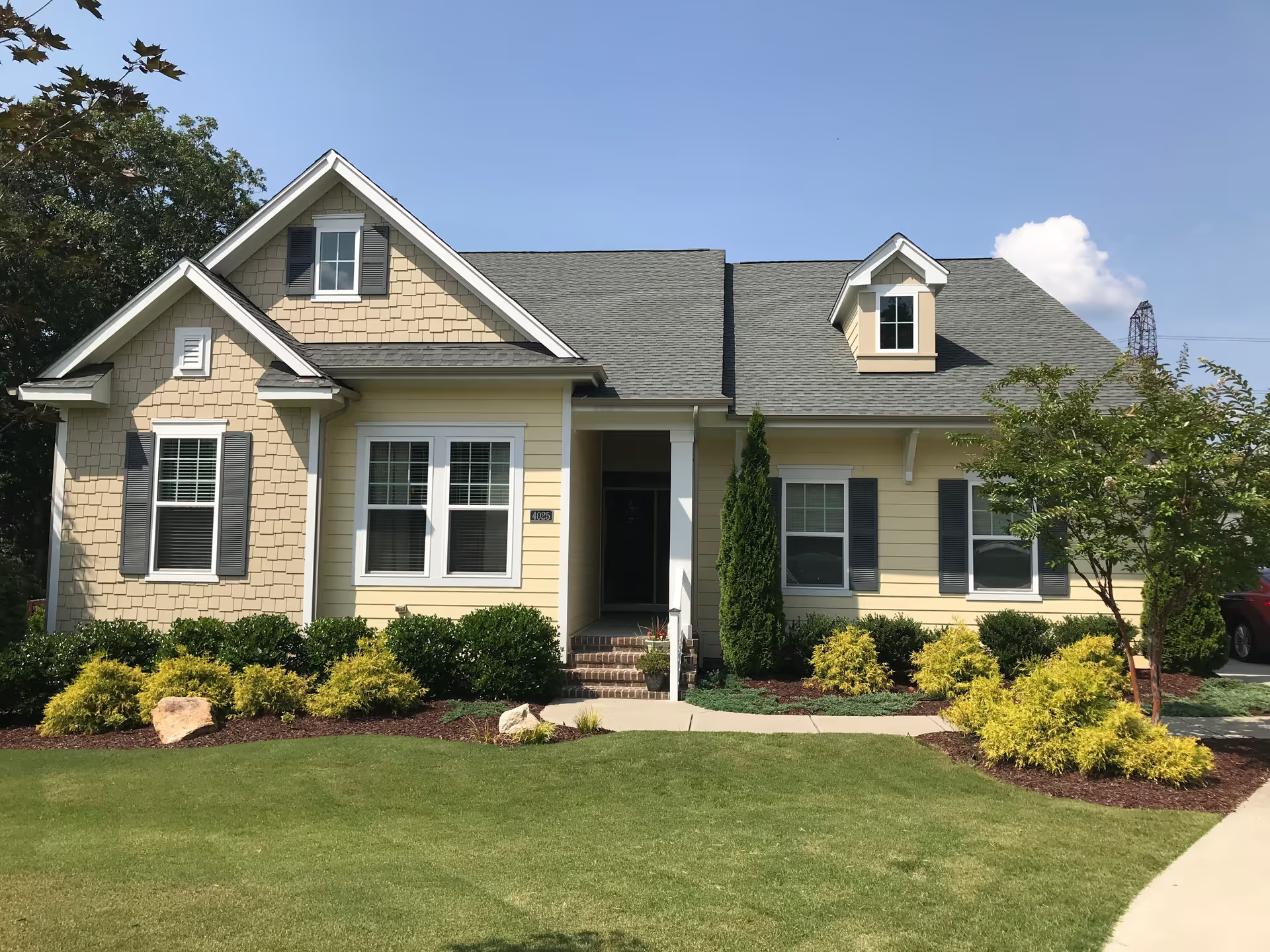
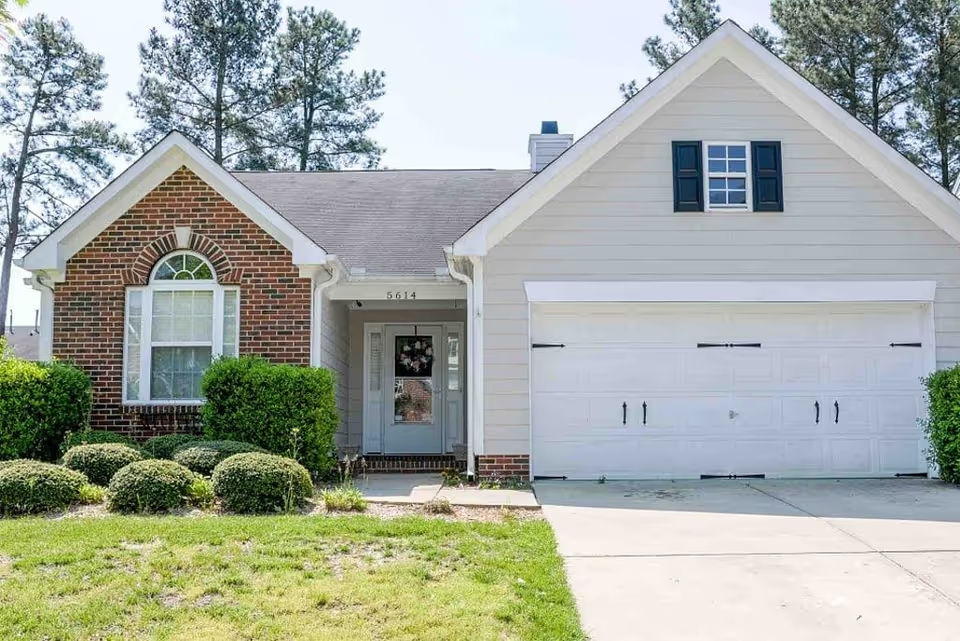
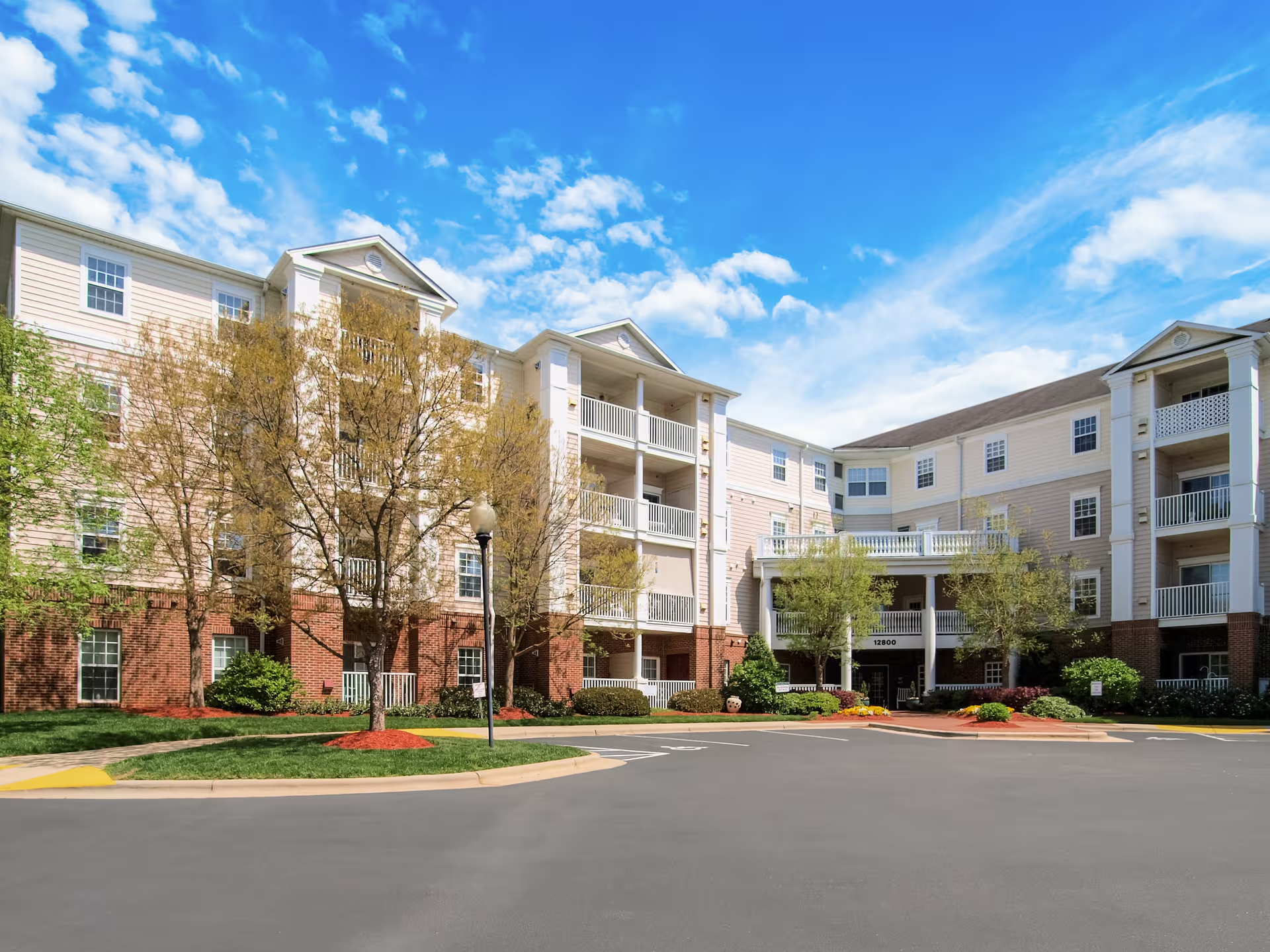
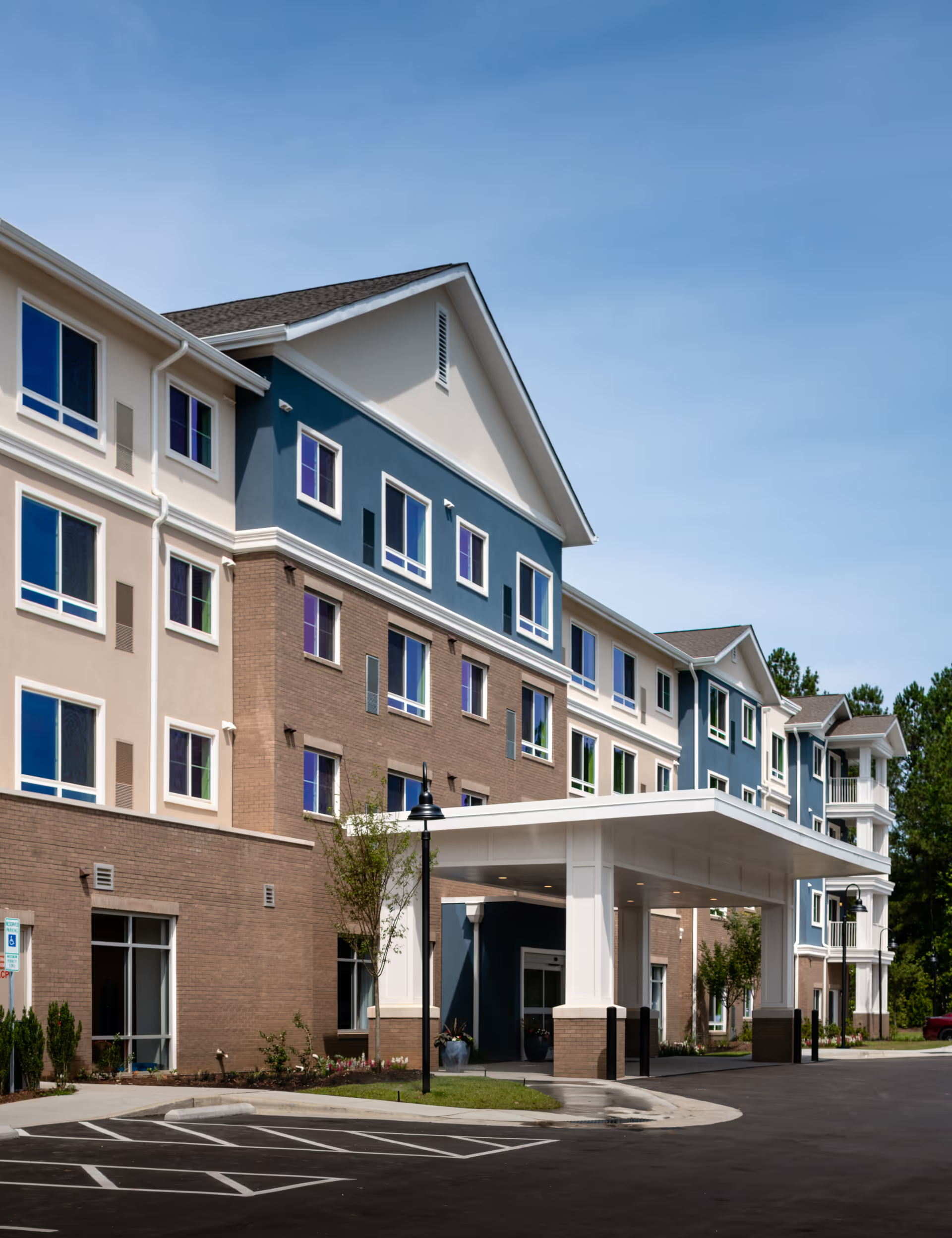
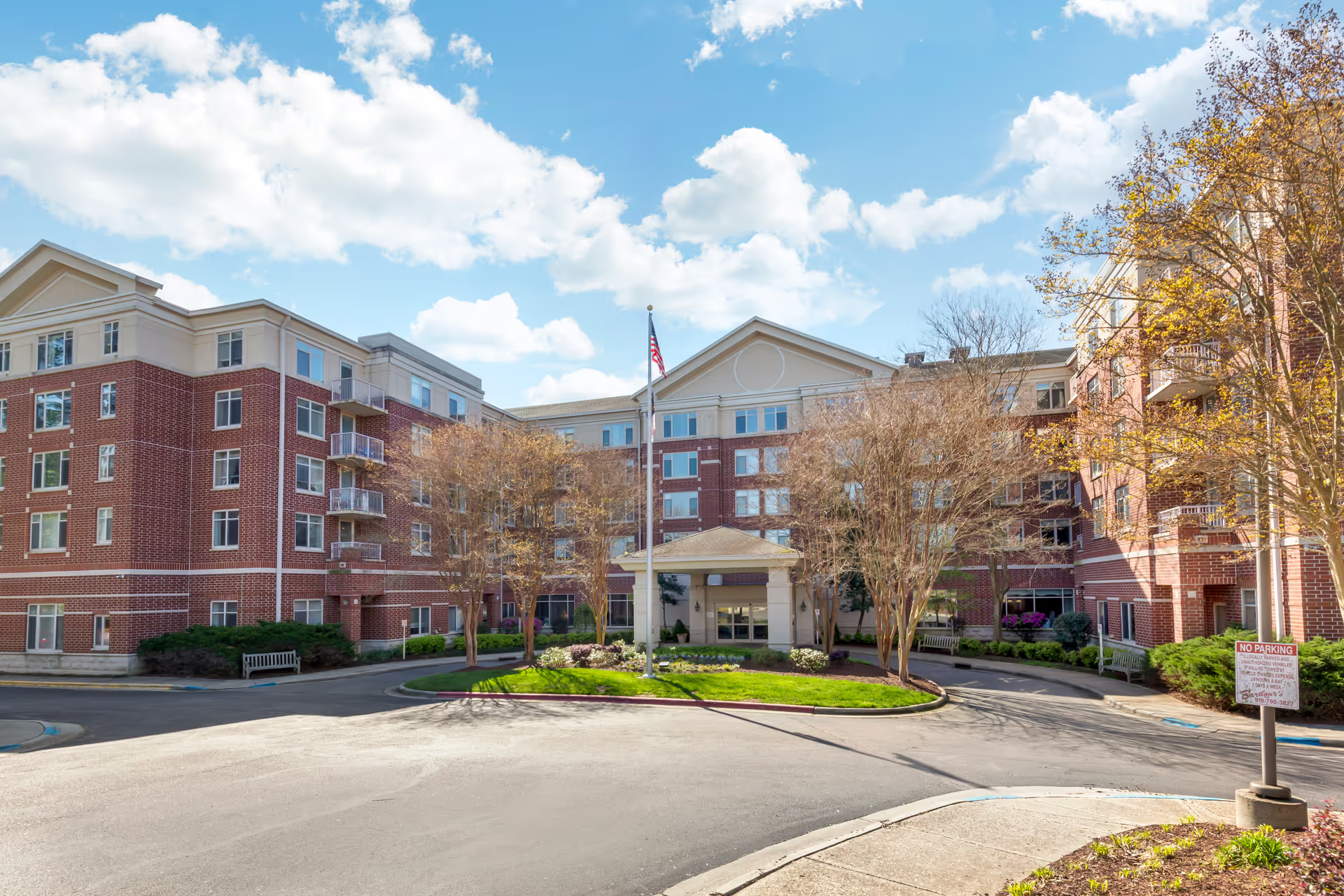
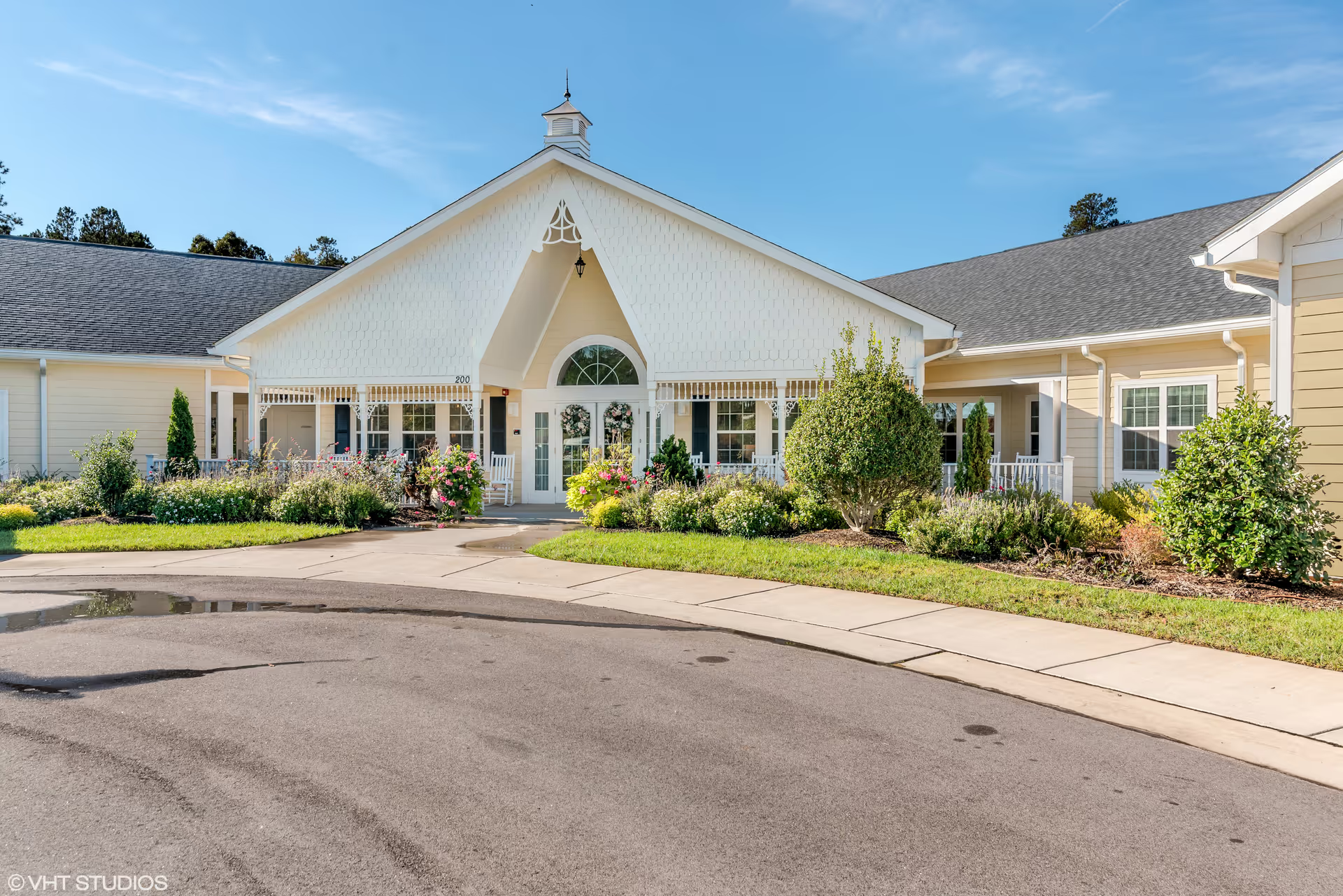
Facility features are often a strength: single-floor design, wide halls, pleasant courtyards, attractive common spaces, and generally clean public areas. Still, some reviewers cited localized cleanliness or odor concerns and variability in room sizes and carpeting condition; potential residents should confirm unit measurements and furnishing policies. Security measures such as controlled-entry systems are in place, but memory-care supervision and exit controls were singled out as an area requiring careful inquiry.
Notable patterns for prospective residents and families: experiences appear variable and can depend on timing, unit, and staff on duty. Before committing, families should tour during meal and activity times, ask for current staffing ratios (including med-tech coverage), review medication-management and incident-reporting protocols, clarify memory-care supervision procedures, confirm transportation availability, and verify billing/assessment and ownership status. These targeted questions can help align expectations with the facility's strengths and address the operational concerns highlighted by reviewers.