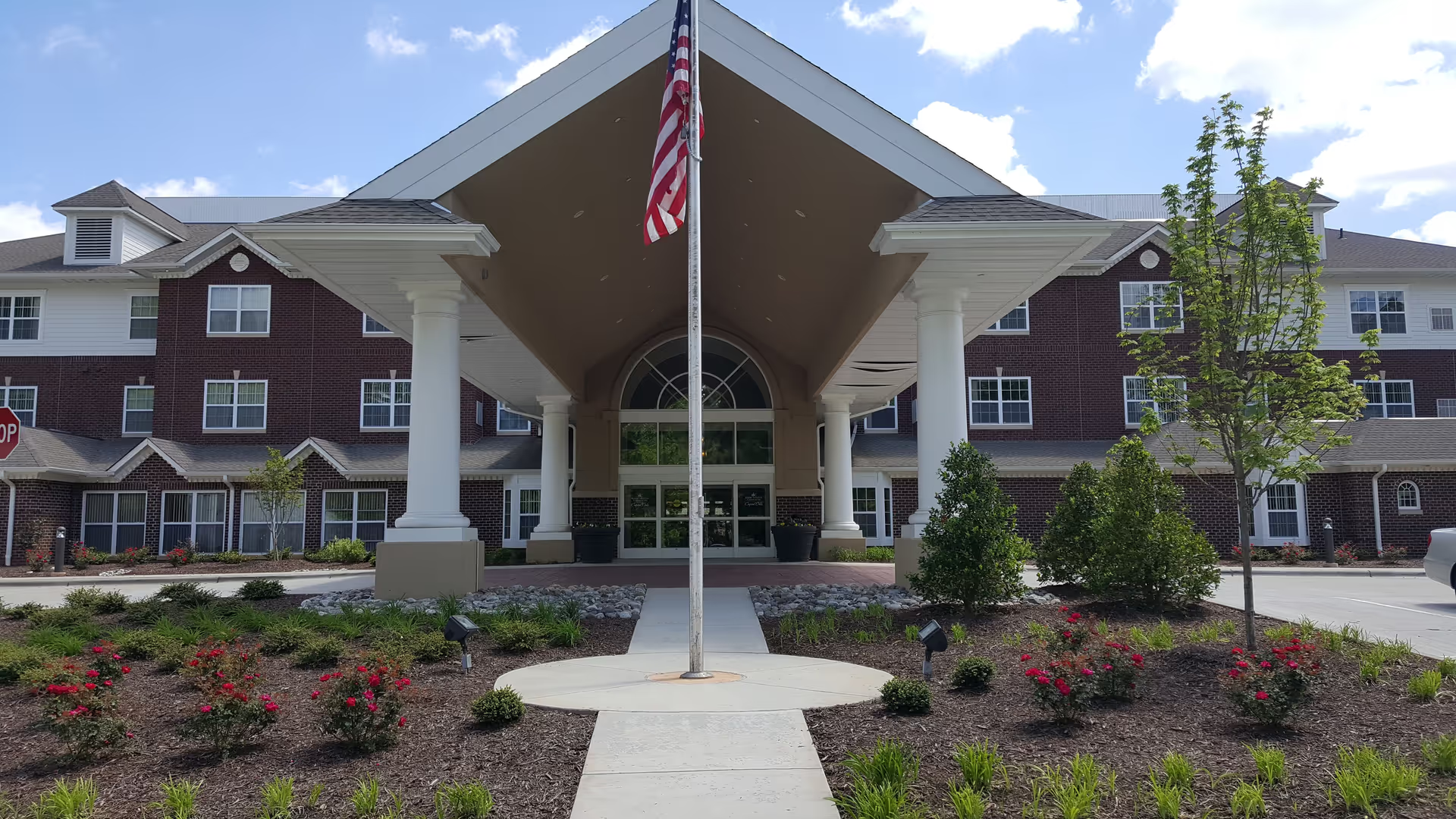
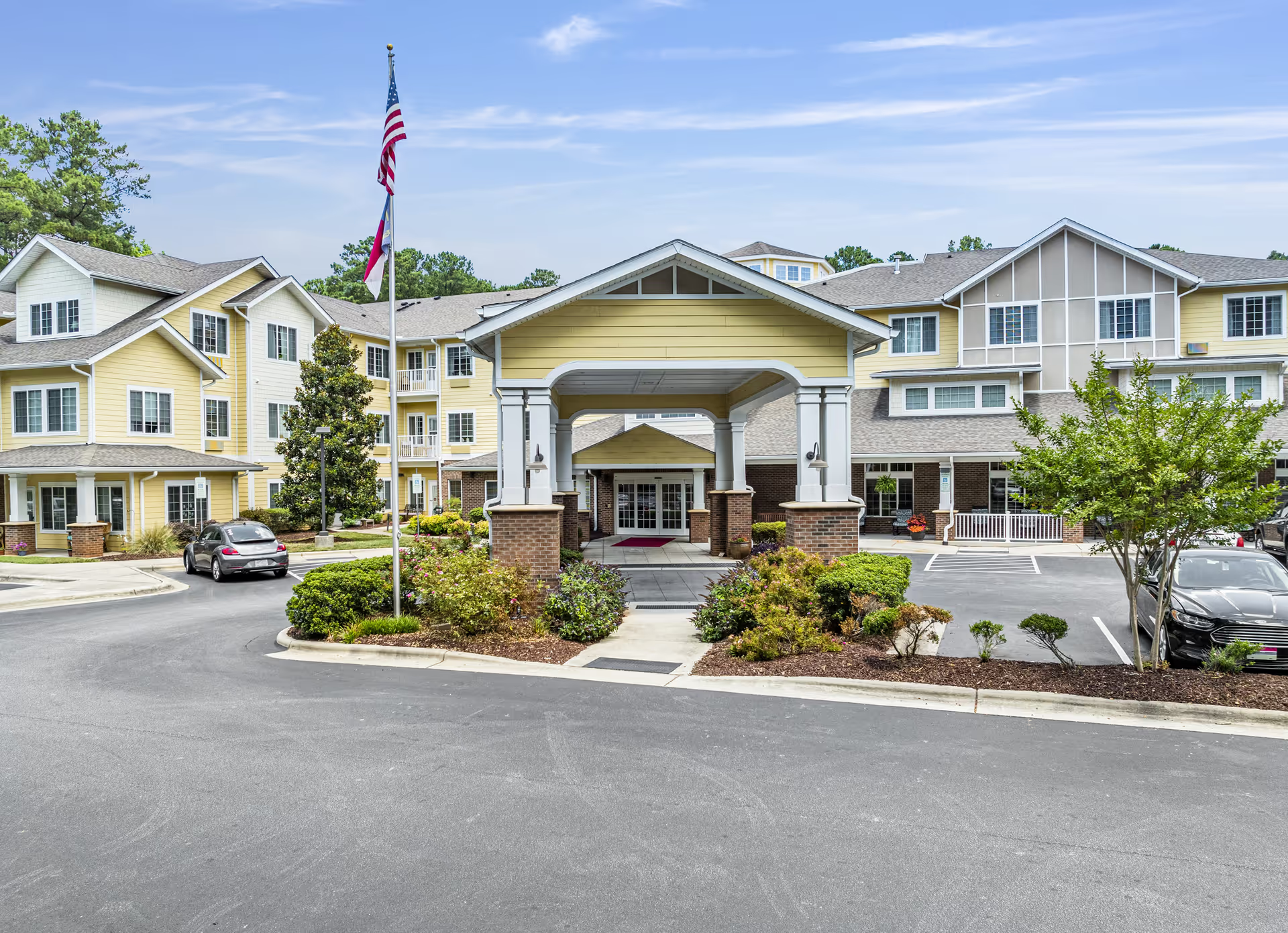
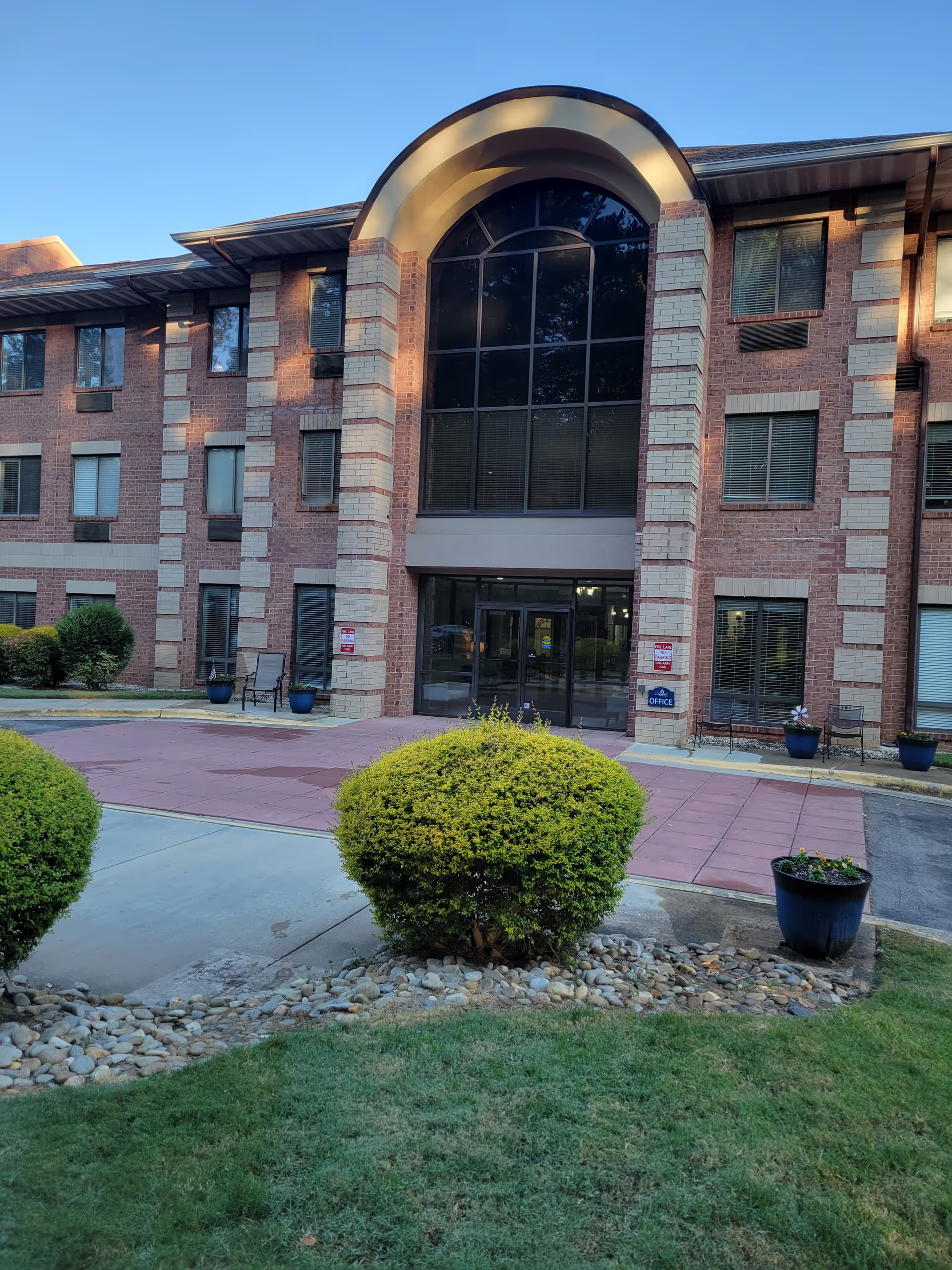
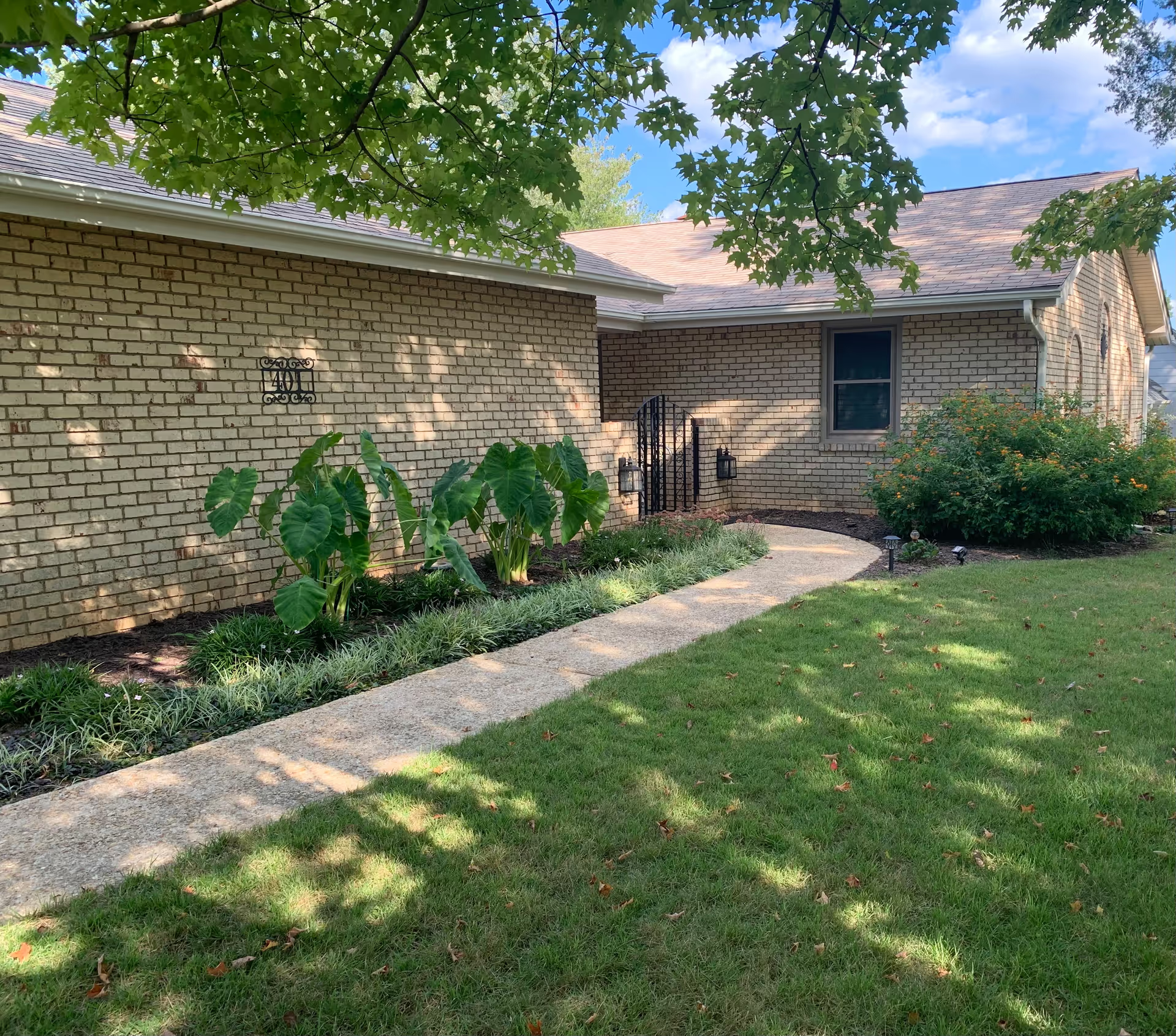
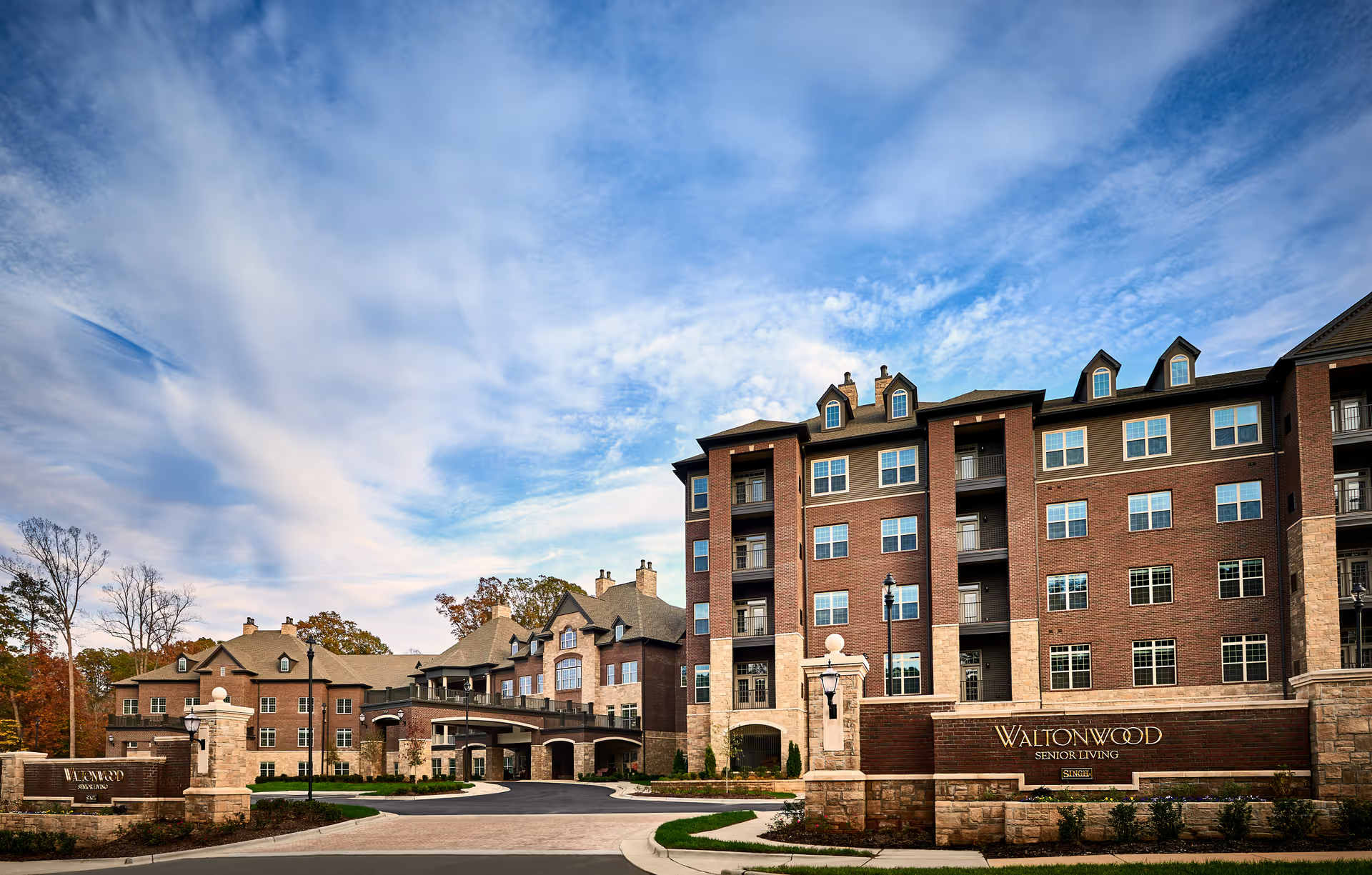
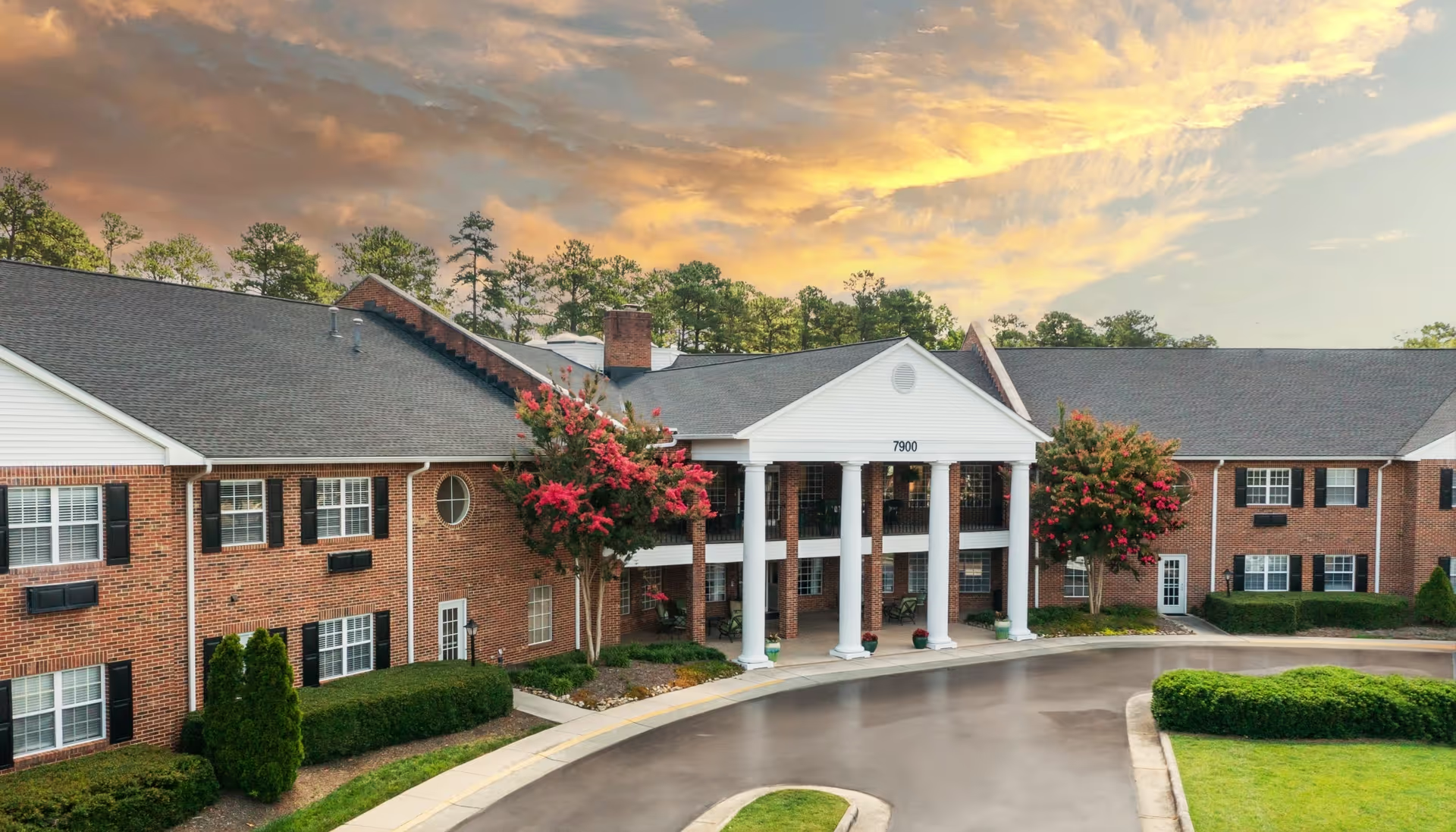
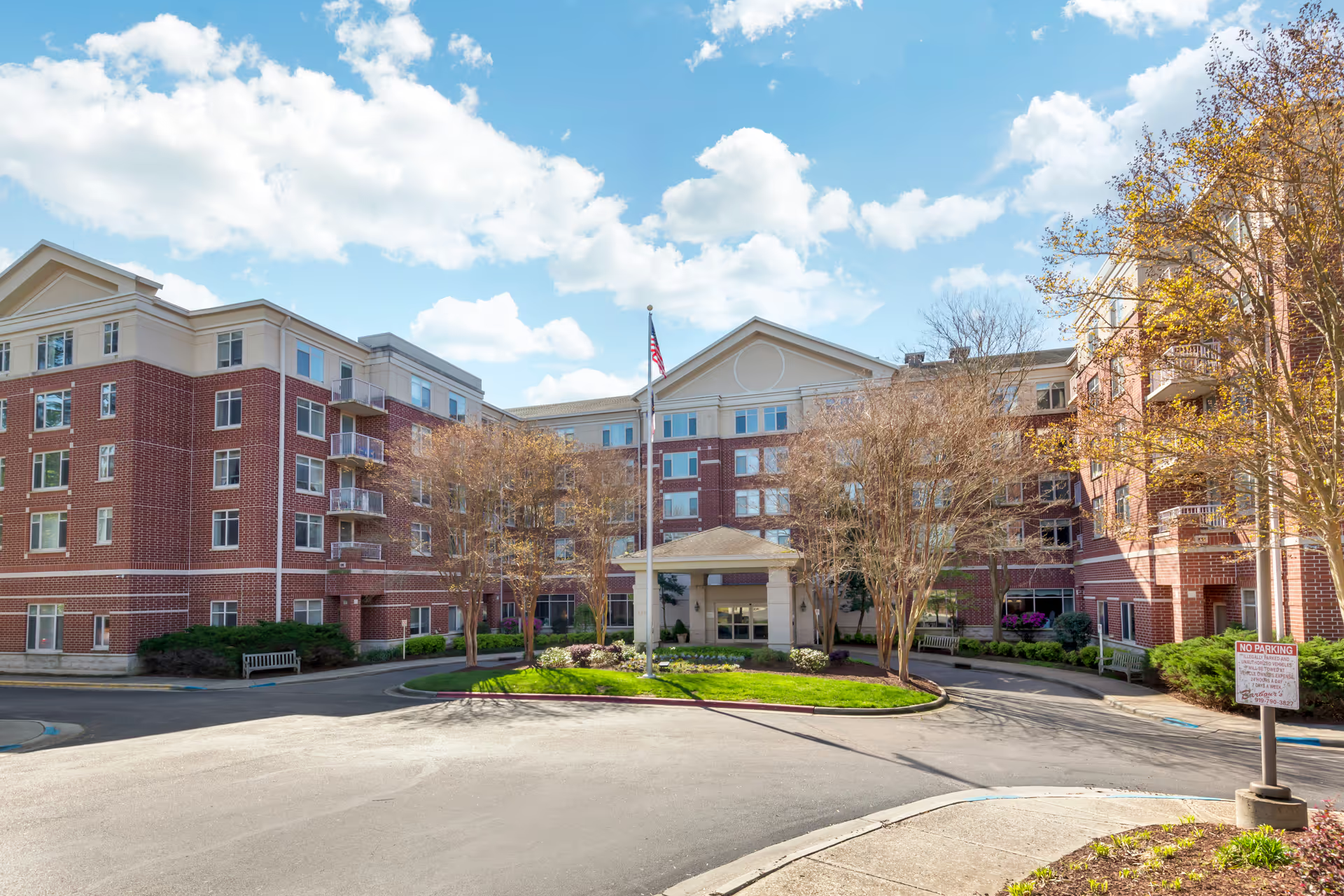
Magnolia Glen presents as a well-appointed senior community with extensive amenities and an active social calendar. The campus, grounds, and public spaces consistently receive positive comments: heated indoor pool, walking trails and nature-park access, multiple gathering rooms (auditorium, library, game room, bistro/pub), and garden-club programming support a lively lifestyle for independent and assisted-living residents. Many families and residents highlight professional admissions support, move-in assistance, and a generally welcoming, home-like culture.
Care and staff are frequently cited as the facility's primary strength. Reviews point to compassionate, attentive CNAs and strong nursing leadership, onsite therapy services (PT/OT), daily check-ins, and an in-house interim healthcare presence. Leadership style is often described as accessible, with an open-door approach and active family communication. At the same time, several accounts raise operational concerns: inconsistent staffing levels and turnover have been linked to care gaps and, in some cases, the need for private-pay supplemental caregivers. There are also isolated but serious allegations regarding staff conduct and kitchen hygiene; these underscore the importance of discussing conduct policies, grievance procedures, and recent corrective actions with management during a tour.
Dining and meal service are a mixed picture. Many reviewers praise fresh, well-presented meals, flexible dining options, and a varied menu; some describe restaurant-style dining and specific favorite dishes. Conversely, there are repeated notes about inconsistent meal temperature and quality, limited accommodation of certain dietary preferences (for example, some regional breakfast selections or strict low-sodium needs), and occasional pressure around dining-room attendance and billing. Families should verify meal-plan details, dietary accommodation processes, and how billing for extra meals or missed meal charges is handled.
Activities and lifestyle programming are strong relative to many peers: arts and craft themes, concerts, outings, fitness classes, clubs (woodworking, garden, Wii bowling) and regular social events are well represented and appear to support an active community. Physical spaces and amenities enable this programming, but reviewers also note unevenness in interior finishes—hallway décor and signage updates that do not always match public-area renovations—suggesting variation in capital-maintenance attention across the campus.
Management practice shows a pattern of strengths and pain points. Infection-control efforts during the pandemic (regular testing, masking) and proactive communication were repeatedly praised. Conversely, some families described contract or refund disputes, unclear policy communication, and variable responsiveness to serious operational complaints. Prospective residents and families should review contracts carefully, ask about staff-to-resident ratios on the specific unit, clarify end-of-life care protocols and supplemental-care options, and request up-to-date documentation of food-safety and pest-control measures.
Overall, Magnolia Glen offers a breadth of amenities, an engaging activity schedule, and many examples of dedicated staff and strong leadership. It appears well suited to people seeking independent living with available assisted services and an active community life. Those with high, complex medical needs or who prioritize consistent high-acuity staffing and uncompromised dining/food-safety records should perform focused due diligence: ask for staffing ratios, recent inspection or corrective-action reports, dietary-accommodation procedures, and written policies on escalation and family communication before committing.