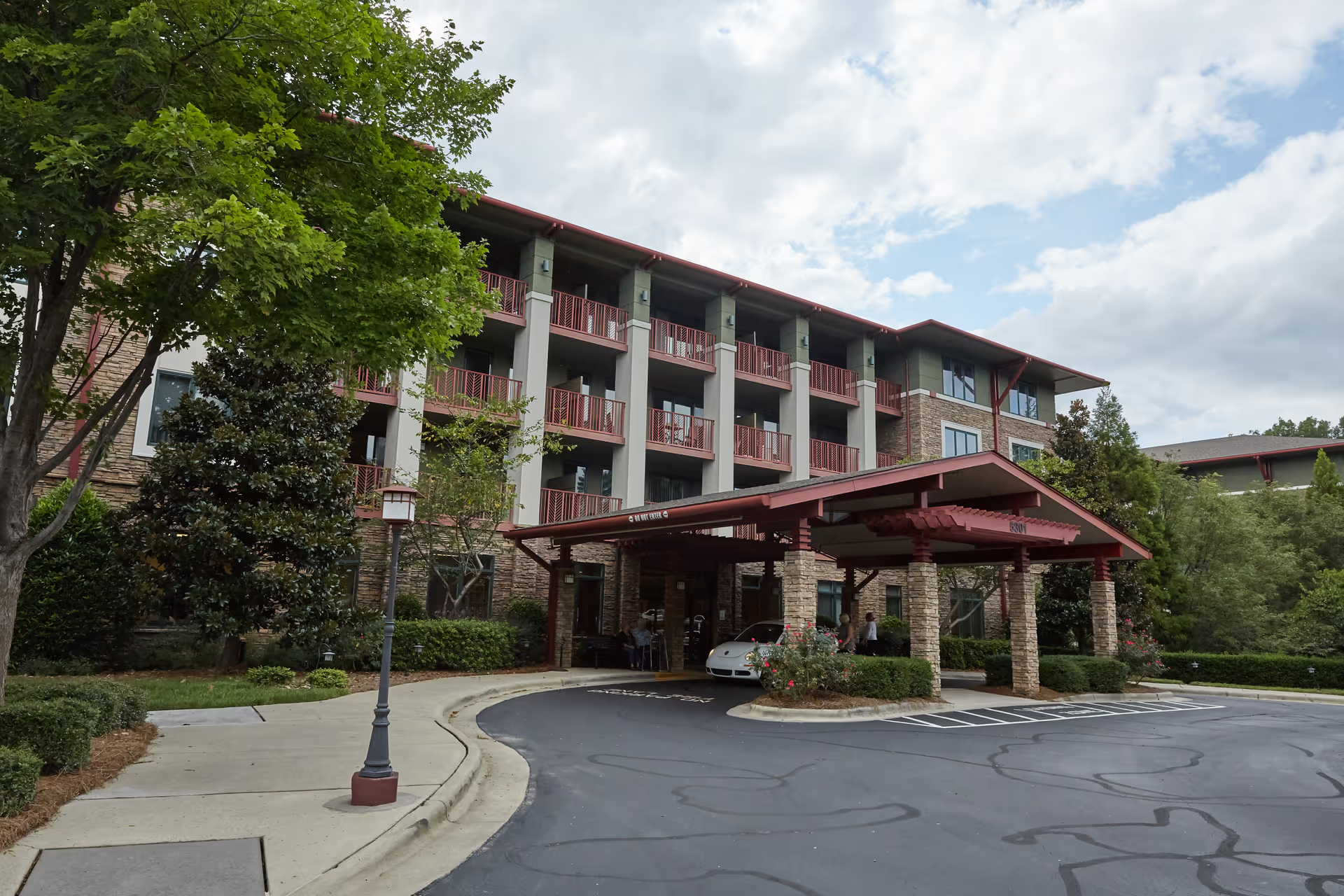
Raleigh Rehabilitation Center elicits a mixed but distinct pattern across reviewers. Strengths cluster around clinical skill and rehabilitation: families and patients frequently describe strong physical and occupational therapy programs, knowledgeable therapists, and access to specialty clinicians such as a wound nurse practitioner and a psychologist. Nursing personnel are often characterized as skilled, compassionate, and attentive, and several comments highlight visible administrators who take a hands-on approach. The facility offers a number of practical amenities noted positively by families, including covered parking, an on-site flu clinic, specialty outpatient services (vision, dental, podiatry), and relatively sophisticated therapy equipment.
At the same time, there are recurring operational concerns that prospective families should weigh. Staffing levels and staff continuity are inconsistent; reviewers attribute variability in care quality to turnover and reliance on agency personnel. That inconsistency appears to affect responsiveness to call buttons and requests, timeliness of medication administration, and follow-through on care plans. There are also repeated mentions of weaknesses in safety processes related to falls and transfers and uneven oversight of pressure-injury prevention and wound management — while some patients received excellent wound care, others experienced suboptimal outcomes, indicating variability in practice and oversight.
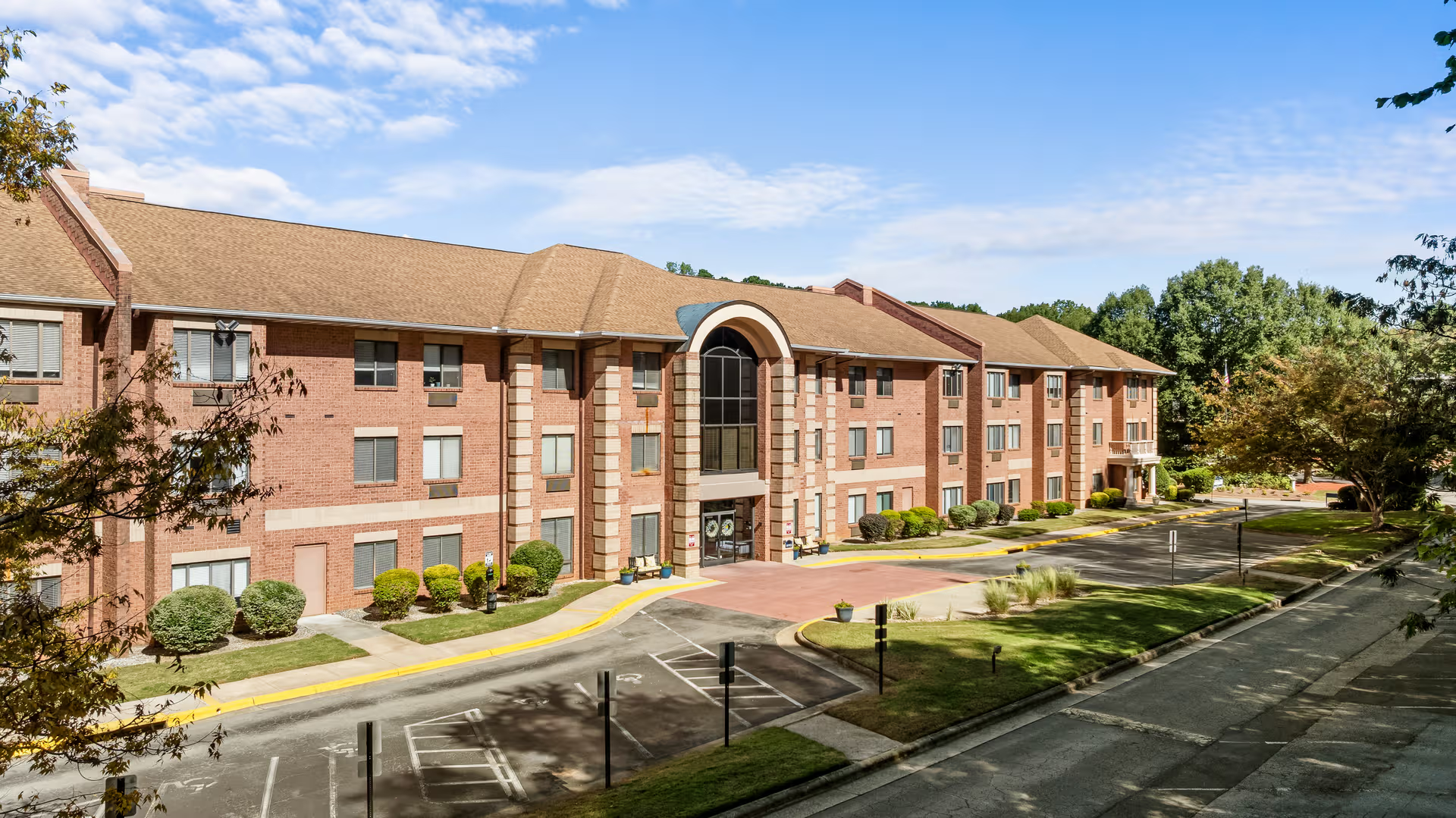
Facility maintenance and environmental controls show a similar pattern of contrast. Some visitors describe clean, well-maintained common areas and pleasant rooms, whereas other accounts cite sanitation concerns, mold or moisture issues, and pest-control concerns in specific areas. The building has an older footprint in places and reviewers indicate that maintenance and renovations are uneven across units. Laundry and personal-property management are another area of concern, with reports of inconsistent handling and lost or mislabeled items. Communication technology and family access also vary: several families reported limited in-room phone access and unreliable Wi‑Fi, which can hinder remote contact and coordination.
Dining and activity programs are generally viewed as positive elements: an active recreation program, transportation for appointments, and family-friendly visitation policies are cited as helpful for recovery and social engagement. Food quality and adherence to dietary restrictions are, however, described as inconsistent. Administrative leadership receives both praise and criticism; some reviewers single out administrators and business managers for proactive communication and supportive discharge planning, while others describe periods of management turnover, lapses in accountability, and uneven responsiveness to serious concerns. There are also isolated but serious allegations — including theft and concerns following a resident's death — that families should investigate further through state inspection reports and direct conversations with facility leadership.
Overall, Raleigh Rehabilitation Center appears to offer strong clinical resources and rehabilitation outcomes for many patients, supported by committed staff and several engaged leaders. The primary risks identified in reviews are operational: variability in staffing, environmental sanitation, medication and safety processes, and administrative consistency. Prospective residents and families should tour the facility, ask about recent staffing patterns, review the most recent inspection reports, and confirm specific protocols for wound care, fall prevention, medication administration, infection control, and family communication before making placement decisions.