Reviews present a mixed and highly variable picture of the facility. Positive accounts emphasize strong rehabilitation services, an engaged activities program, and individual staff members—particularly therapists, some nurses, and front-desk personnel—who provided attentive, compassionate care. Several families described meaningful therapy progress, helpful reception staff, and pleasant common areas that created a home-like atmosphere. At the same time, a substantial number of reviews describe operational inconsistencies that materially affect day-to-day resident experience.
Care and staffing are the most frequently cited areas of concern. While some caregivers and nurses are characterized as compassionate and responsive, persistent staffing shortages and high turnover were recurring themes. These workforce issues are associated with long response times to call bells, inadequate assistance with feeding and toileting in some shifts, and stretched aide-to-resident ratios. Clinical concerns were also raised about medication administration, insulin guidance, oxygen management, and follow-up after clinical events. Conversely, therapy services (physical, occupational, and speech) receive consistently positive mention as strengths when available and staffed.
Dining, housekeeping, and personal-care services showed mixed results. Several reviewers appreciated supportive dining coordination and enjoyed therapy-assisted mobility to dining rooms, while others described inconsistent meal timing, limited menu choices, and variable food quality. Housekeeping and room cleanliness were reported as satisfactory by some families but problematic by others; specific sanitation concerns and inconsistent bathing or incontinence-care schedules were noted. Management of personal items—loss, misplacement, or perceived theft of clothing and personal effects—was reported frequently enough to be an operational concern.
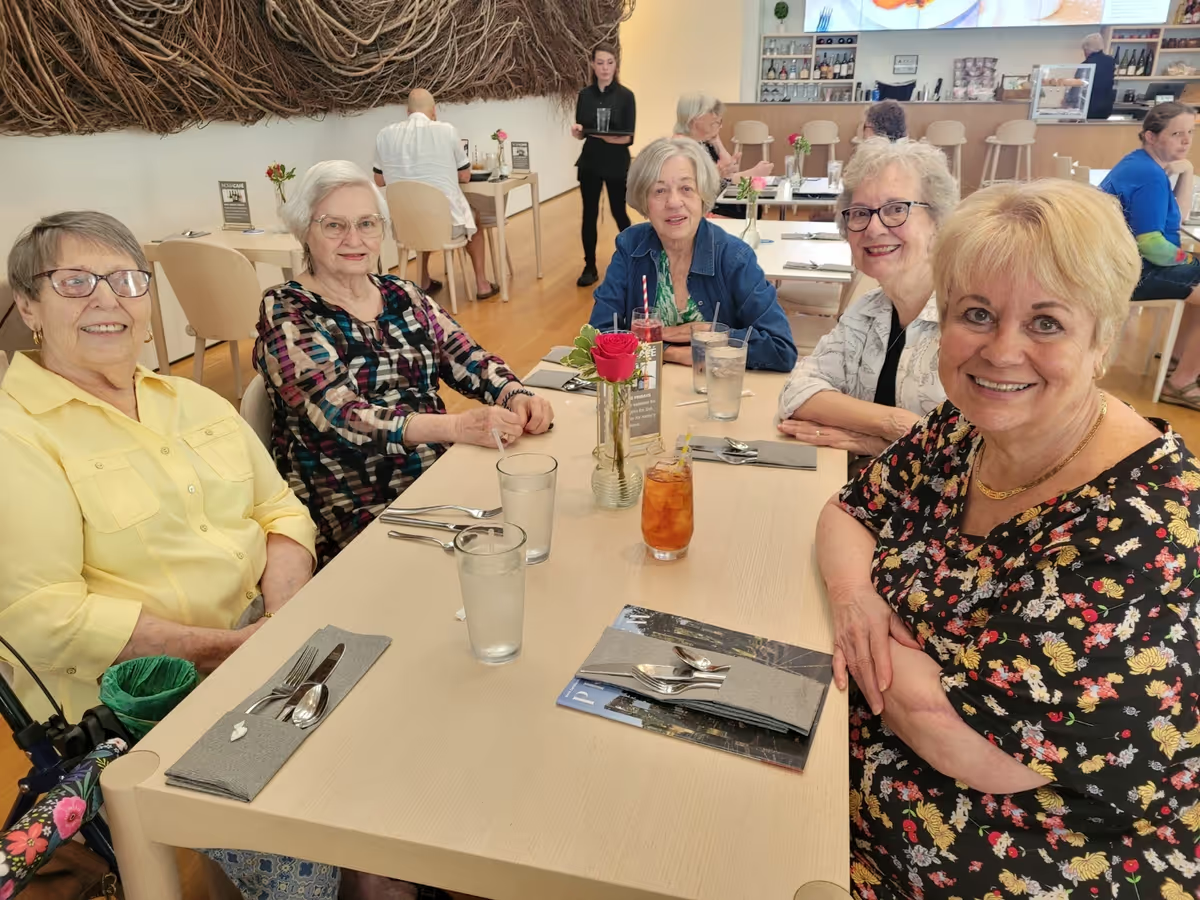
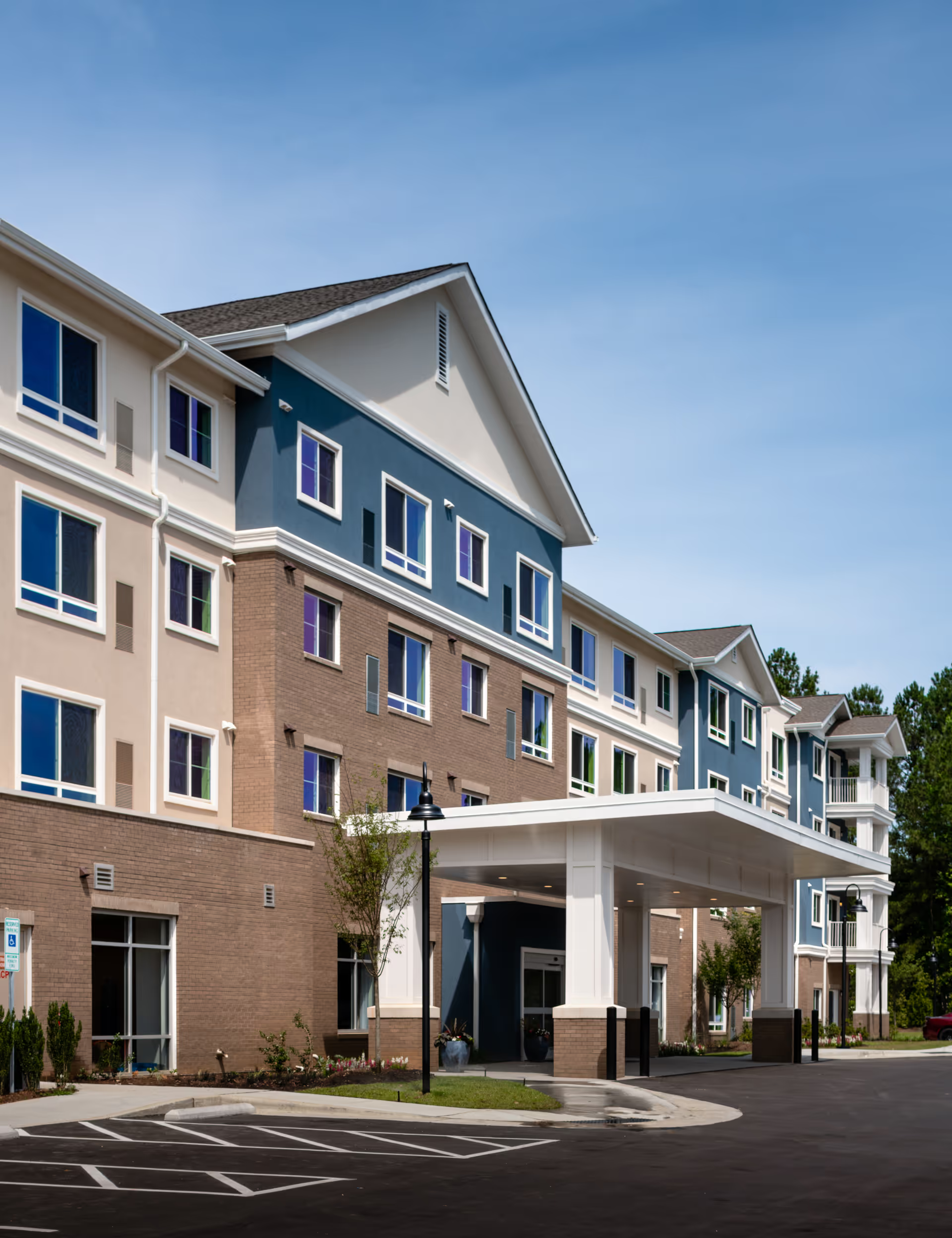
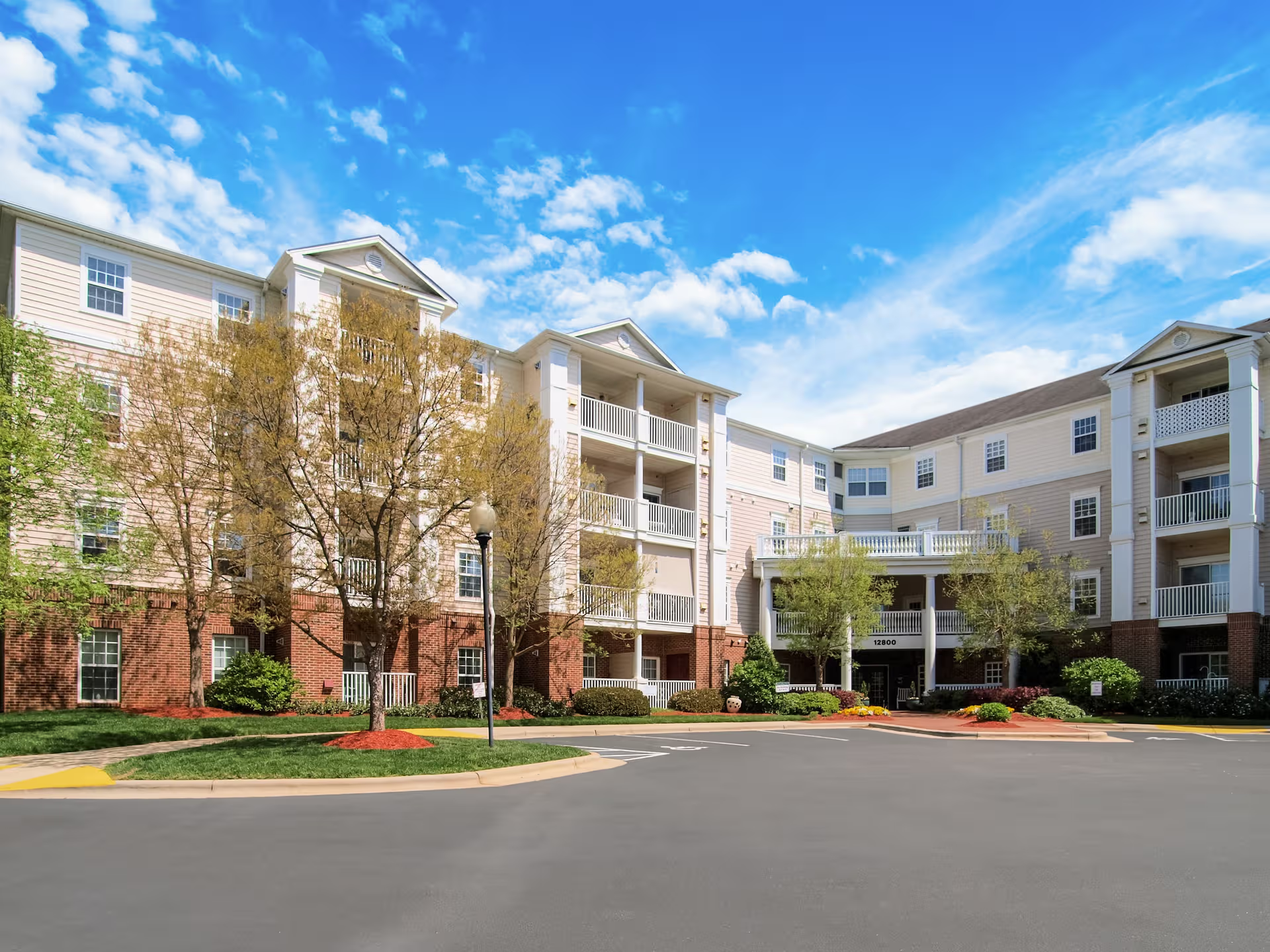
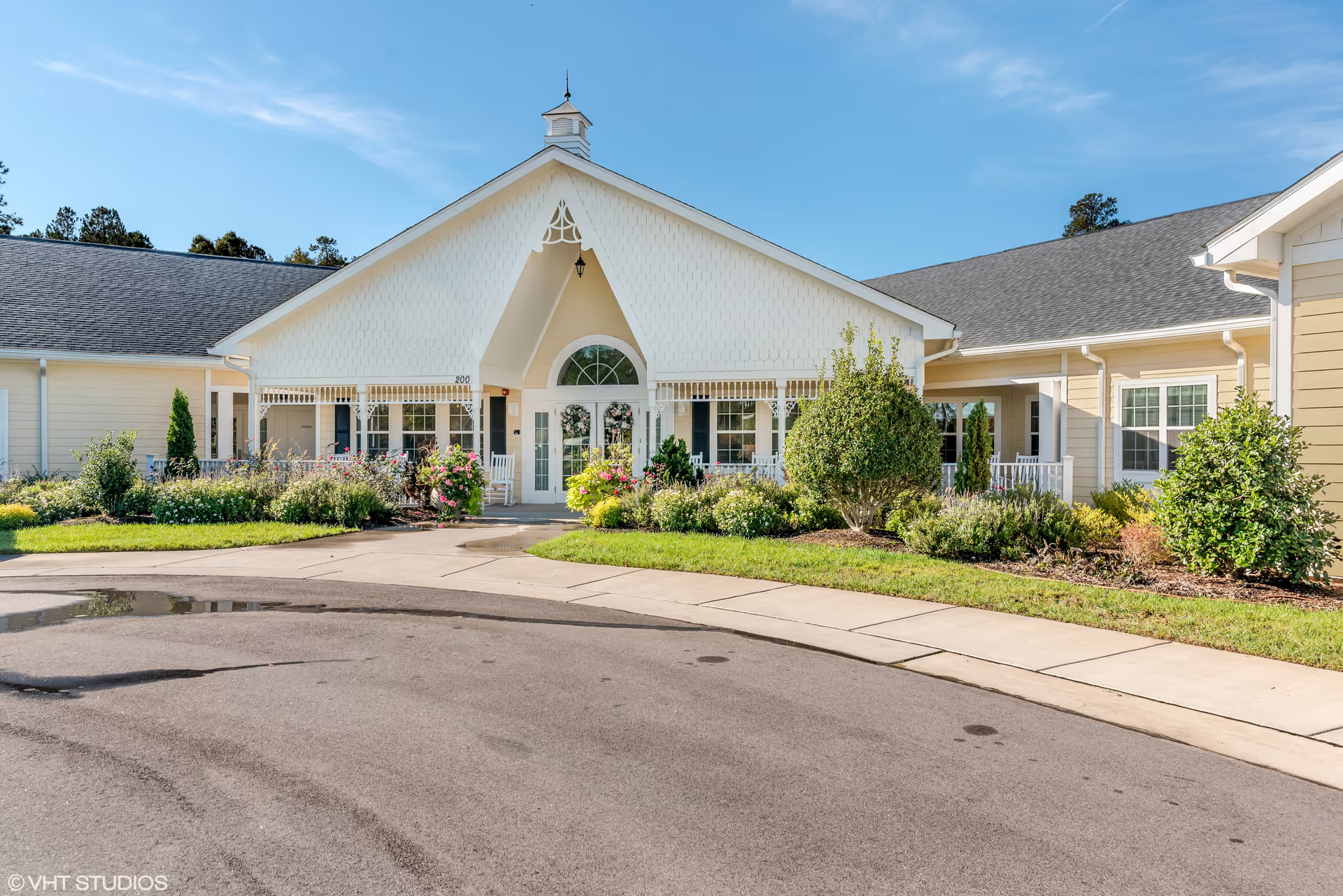
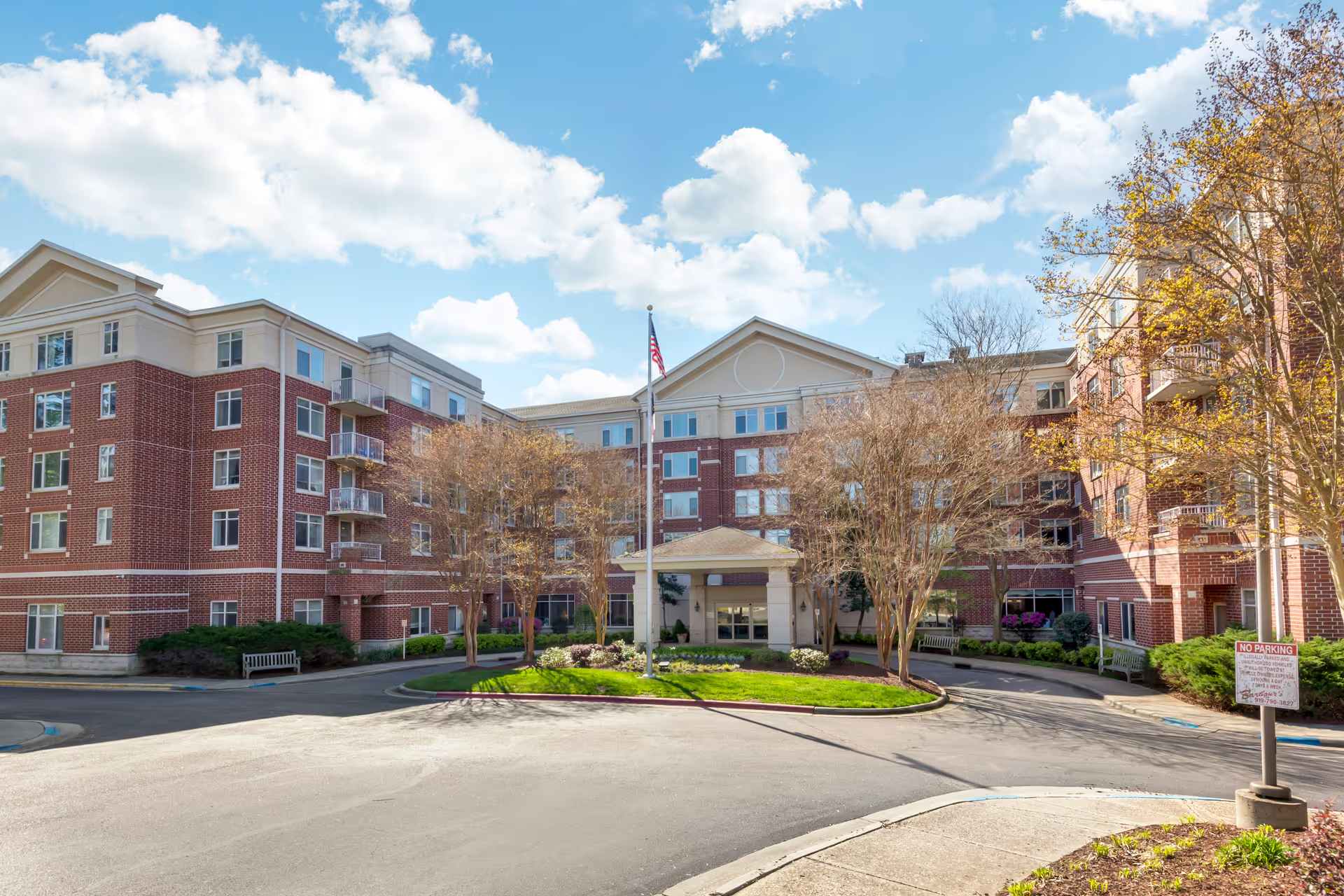
Activities and facilities are commonly described as a relative strength. The building, common areas, and social programming were often portrayed as pleasant and engaging, with an activity director singled out for above-average effort. Several families reported that common spaces and therapy areas supported resident socialization and rehabilitation. However, some accounts also mentioned odor concerns and uneven cleanliness on certain resident floors.
Management, supervision, and administrative processes emerge as central drivers of the facility’s variability. Reviews indicate weak leadership, a focus on census over care, limited supervision of staff, and problematic communication with families and during admissions. There are also references to billing and paperwork pressure and at least one mention of regulatory attention and serious conduct allegations; such items suggest the need for careful review of oversight and compliance history. Allegations of unprofessional conduct by staff (including substance-use concerns) and instances of hostile or dismissive communication were reported and raise questions about staff supervision and culture.
In summary, the facility appears to deliver high-quality rehabilitation and benefits from some dedicated frontline staff and a welcoming physical environment, but those strengths are offset by systemic operational weaknesses: staffing instability, inconsistent clinical and personal-care practices, property-management lapses, and leadership gaps. Prospective residents and families should arrange in-person visits, ask for current staffing levels, inquire about recent regulatory findings and corrective actions, request examples of medication- and belongings-management protocols, and meet key clinical leaders (administration, DON, therapy leads) to evaluate whether the current operational state matches their expectations for safe, reliable care.