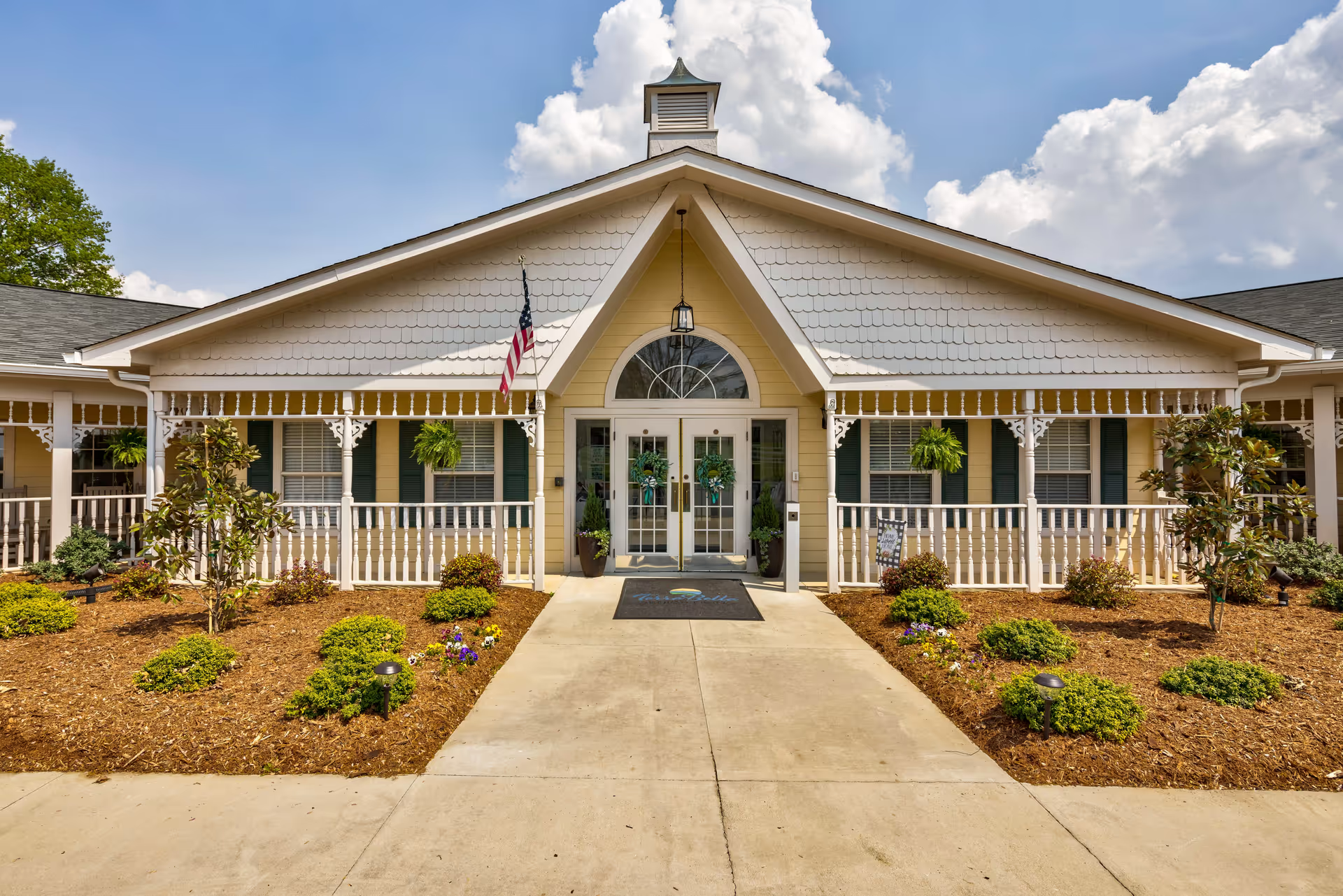
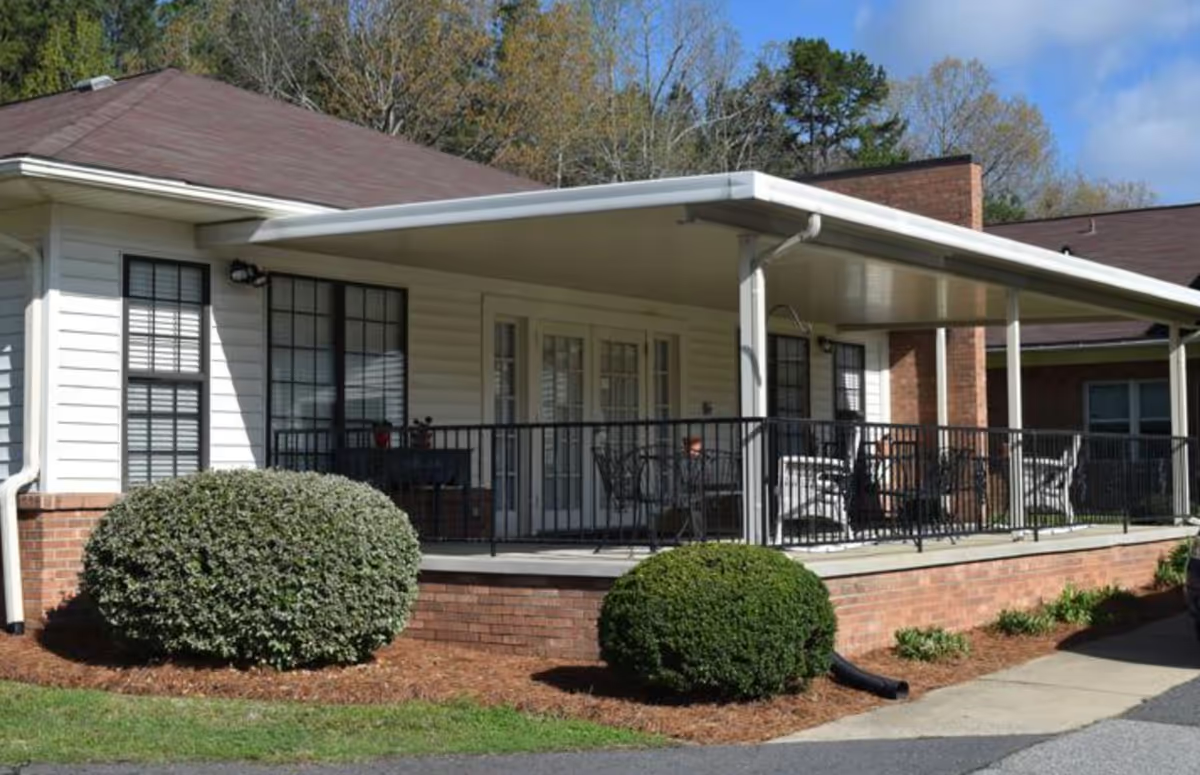
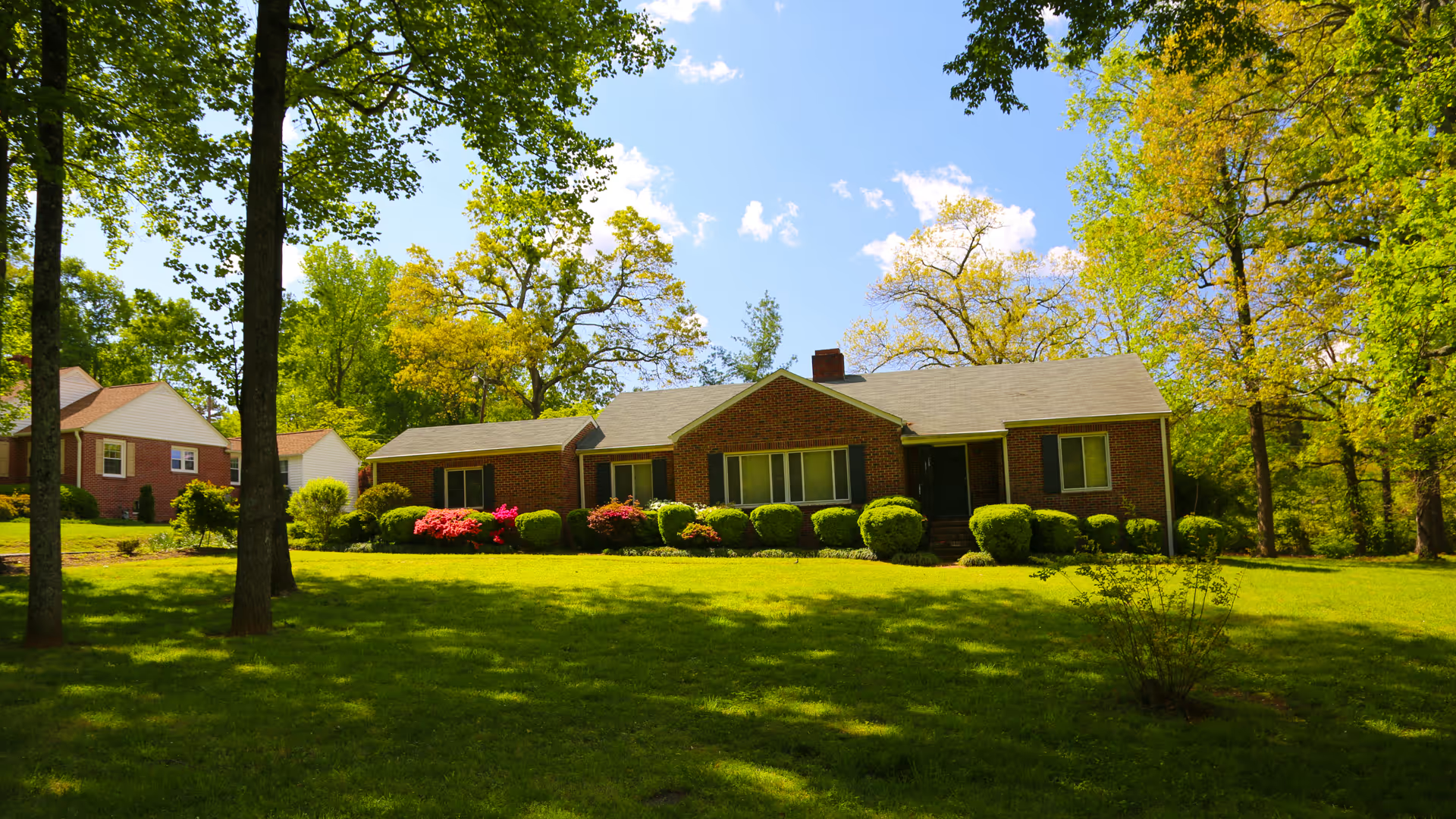
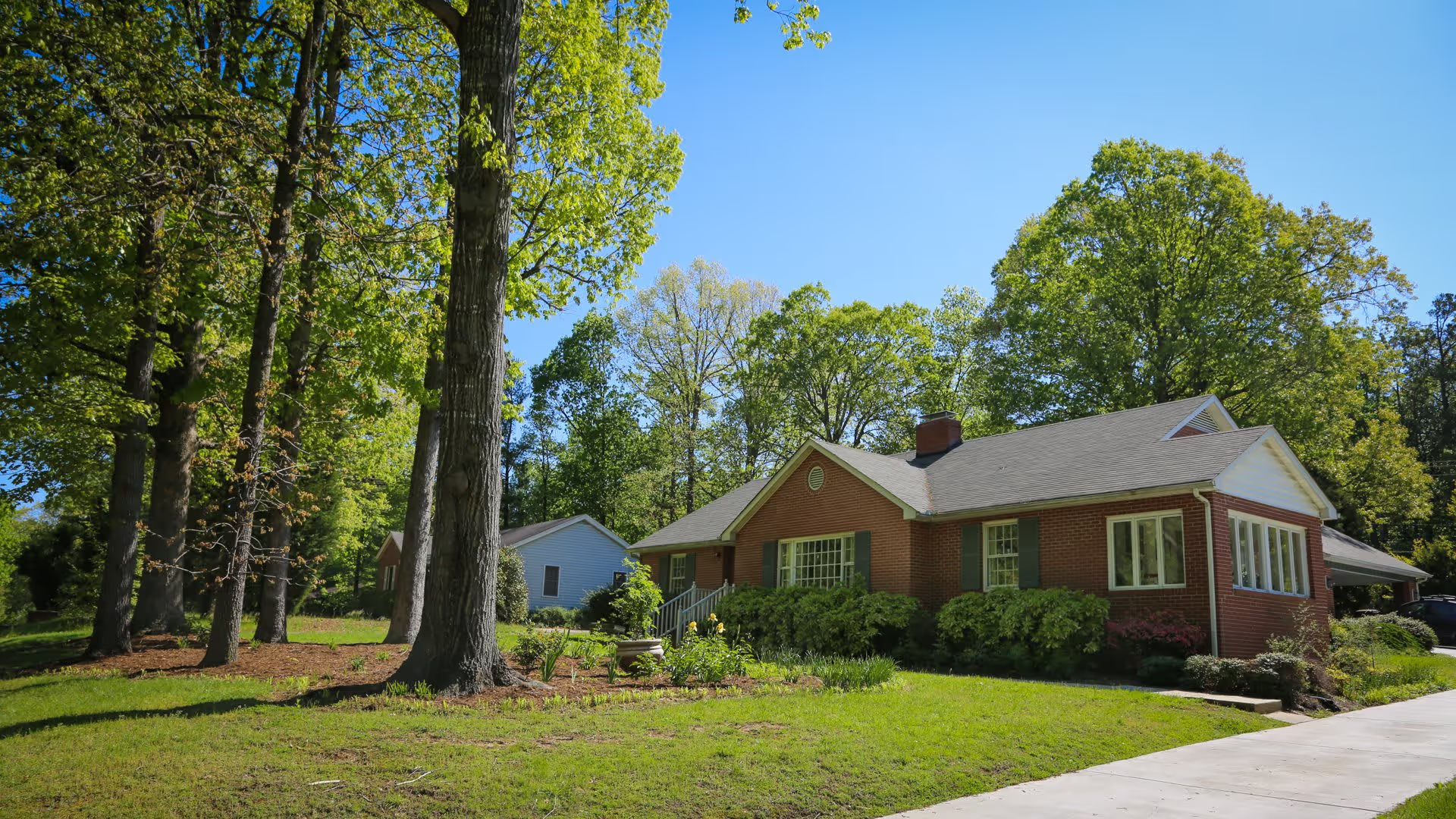
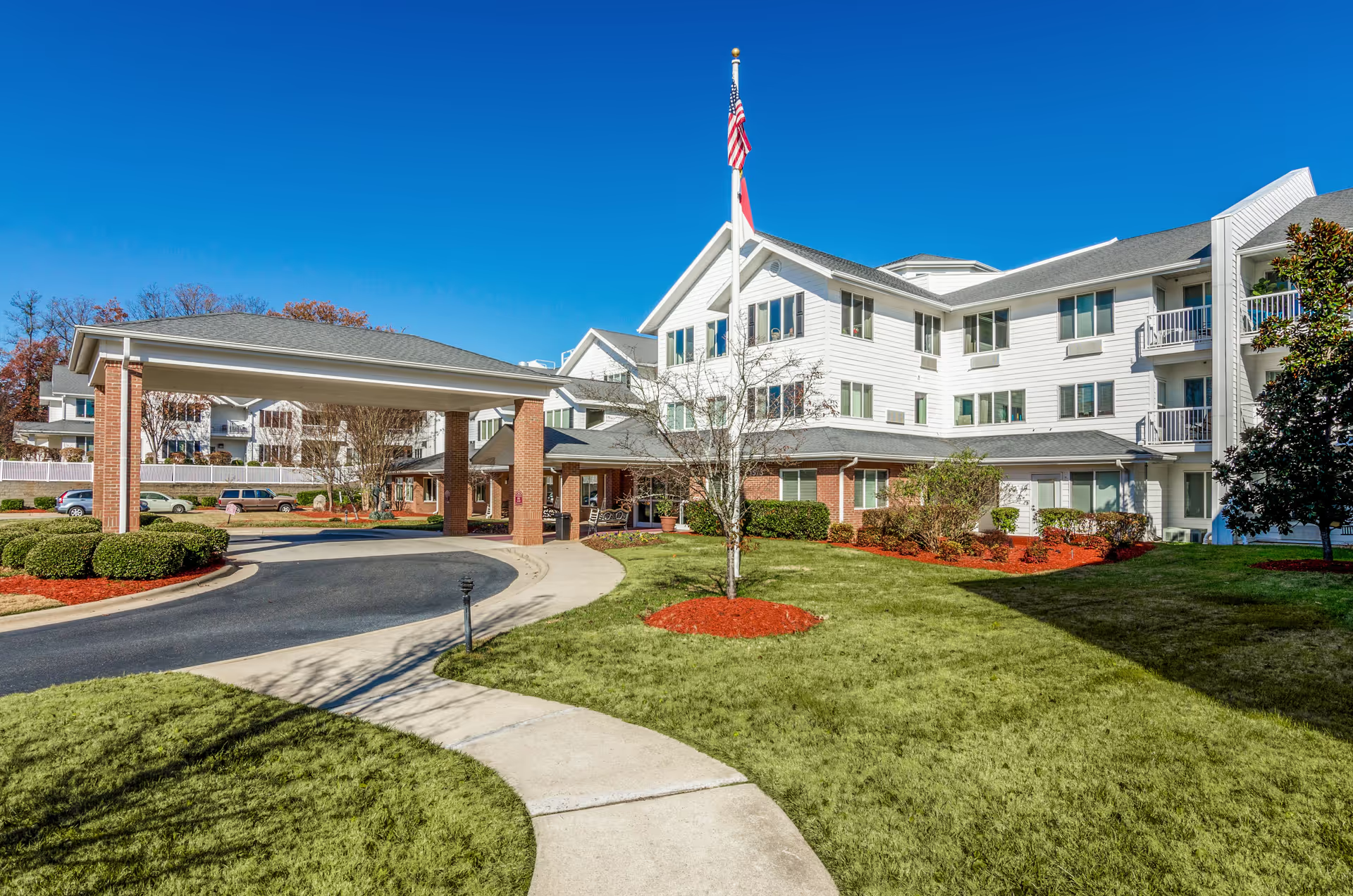
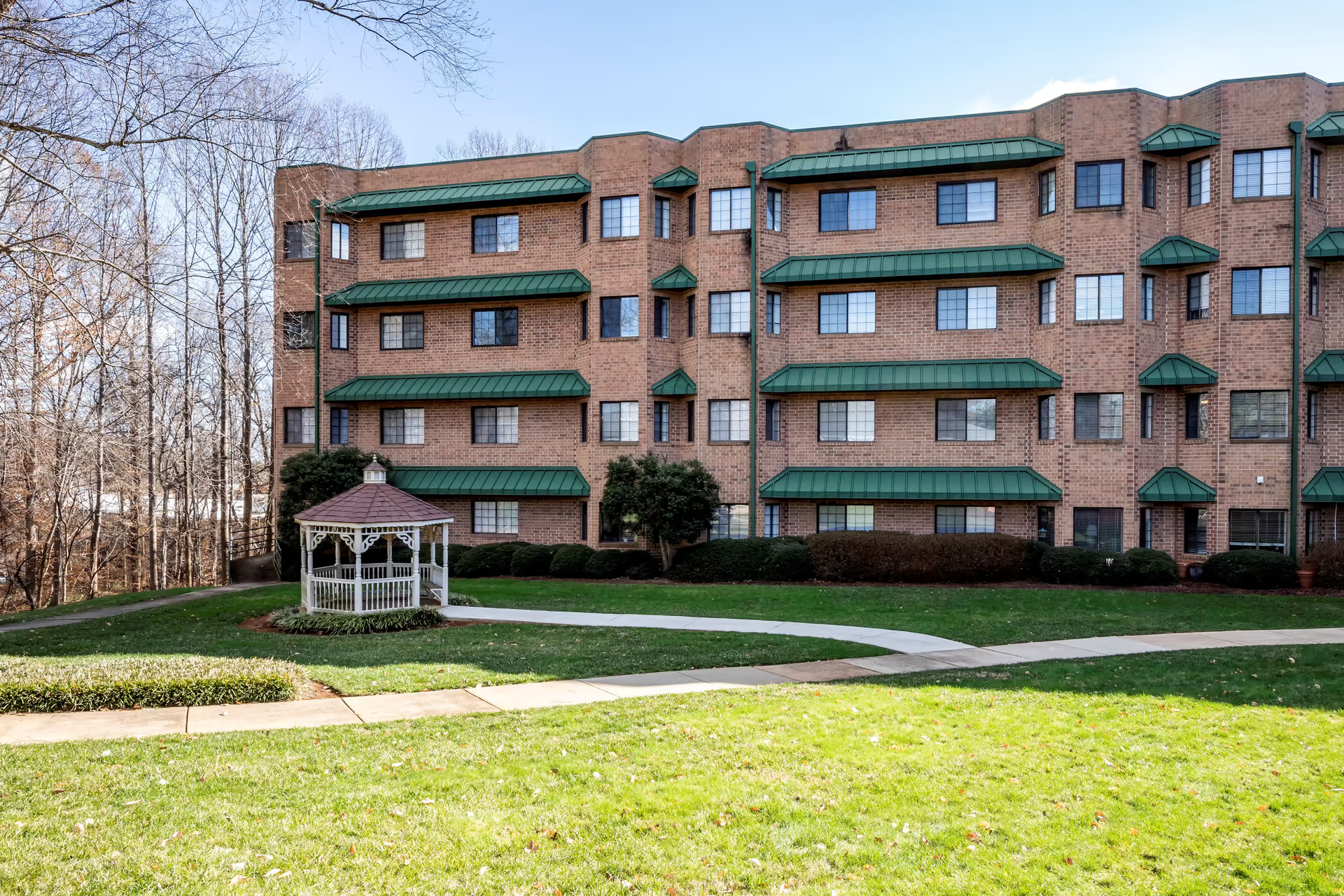
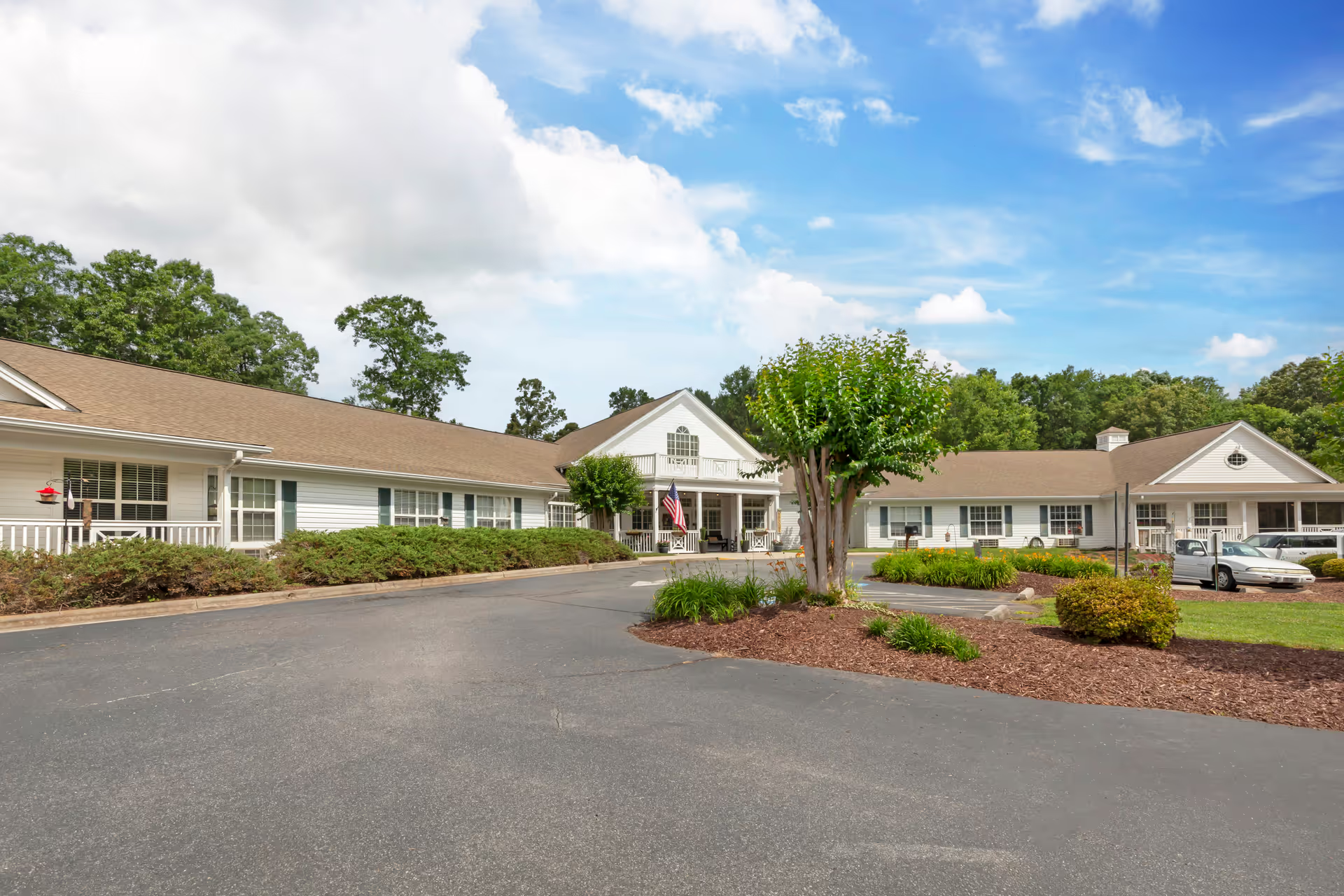
Reviews of North Pointe of Asheboro present a mixed picture with distinct positive operational strengths alongside recurring operational weaknesses. Positives frequently cited include compassionate caregiving from many staff members, routine personal-care services (laundry, bathing assistance, weekly hair care), and a visible activities program offering exercise, entertainment, and spiritual options. Families and short-stay guests commonly note a pleasant, updated facility aesthetic, clean communal areas, transportation to appointments and planned outings, and a generally home-like atmosphere that some residents find reassuring.
At the same time, reviews reveal consistent operational concerns that affect quality of care for some residents. Medication management appears inconsistent: while timely administration is noted by several families, others describe delays, errors, and procedures that suggest weaknesses in medication controls and handoff practices. Staffing levels and staff continuity are recurring issues; reviewers describe periods of understaffing, high turnover, and uneven training—particularly on first shift—which correlate with missed care tasks, delayed responses to requests, and gaps in supervision.
Dining and nutrition are another area of divergence. The facility has a clean dining environment, but multiple accounts identify limited meal variety, a reliance on prepared/canned options, and concerns about the nutritional value and consistency of meals when the kitchen is short-staffed. Sanitation and incontinence-care gaps are also mentioned, reflecting concerns about cleanliness and timeliness of personal-care assistance during staffing shortages.
Management and oversight form a notable theme. Several reviewers describe difficult interactions with administrative leadership, turnover in management roles, and perceived weak accountability for operational problems; some reviews reference audits, regulatory scrutiny, or allegations related to property handling and financial concerns. These accounts suggest communication and policy-enforcement weaknesses that families should probe during a tour.
Taken together, the pattern is polarized: many families report positive, reliable daily care and an inviting facility, while a significant subset describe inconsistent care, administrative friction, and safety or sanitation lapses. Prospective residents and their families would benefit from an in-person visit focused on current staffing ratios and schedules, medication-administration protocols, meal planning and kitchen staffing, privacy/property-security policies, examples of staff training (especially for first shift), and the facility's processes for addressing family concerns and incident documentation. Asking about recent staffing stability, any regulatory findings, and examples of corrective actions will help assess whether the strengths noted in many reviews are consistently delivered for a given resident.