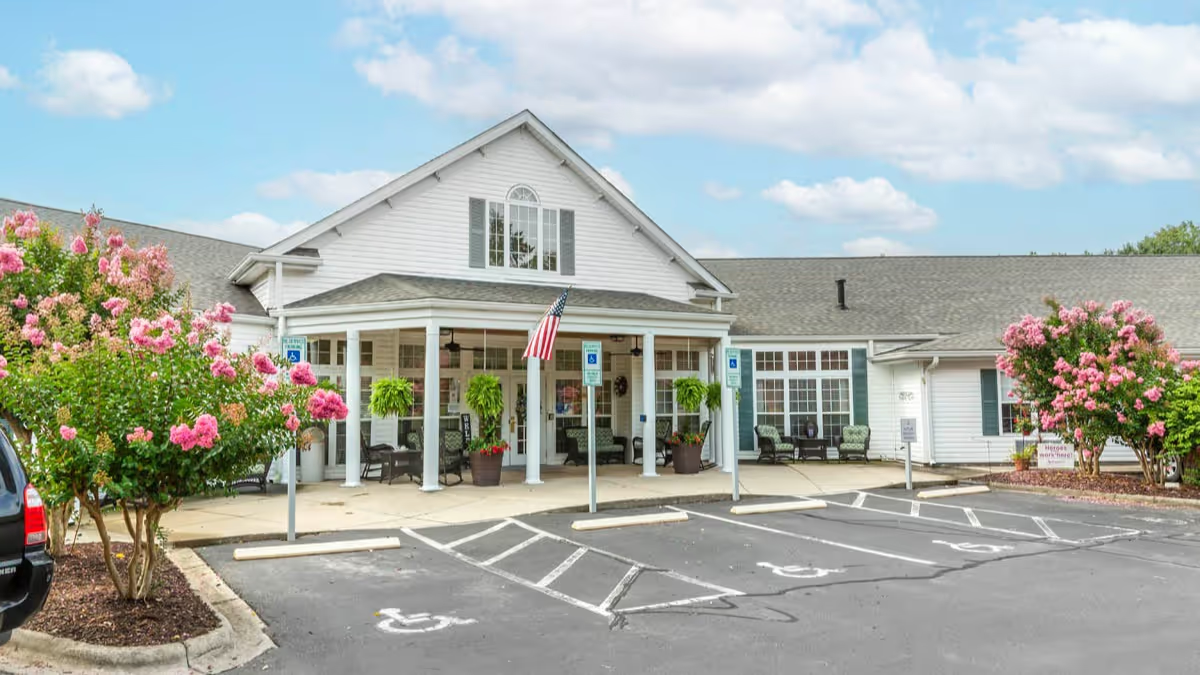
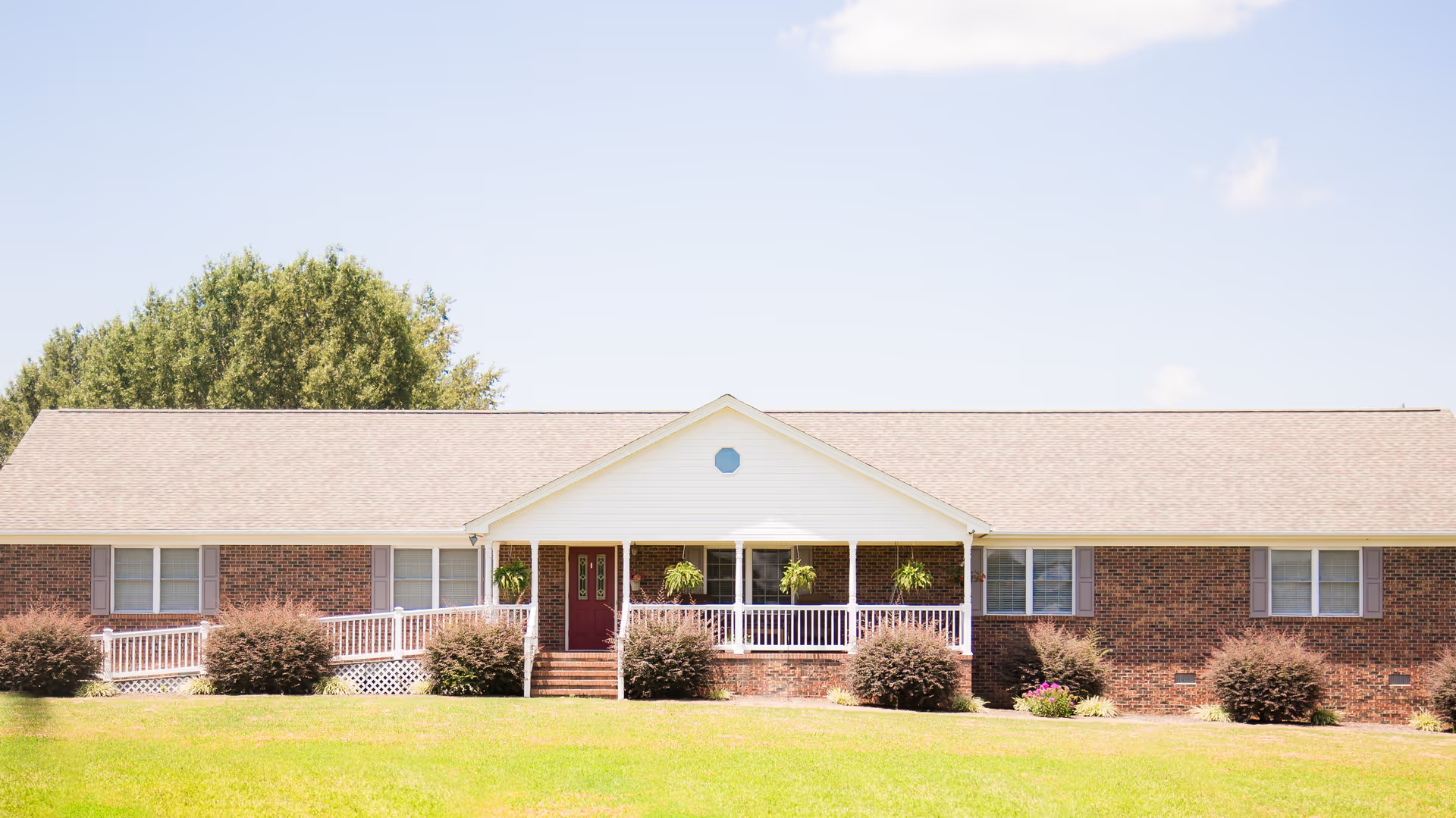
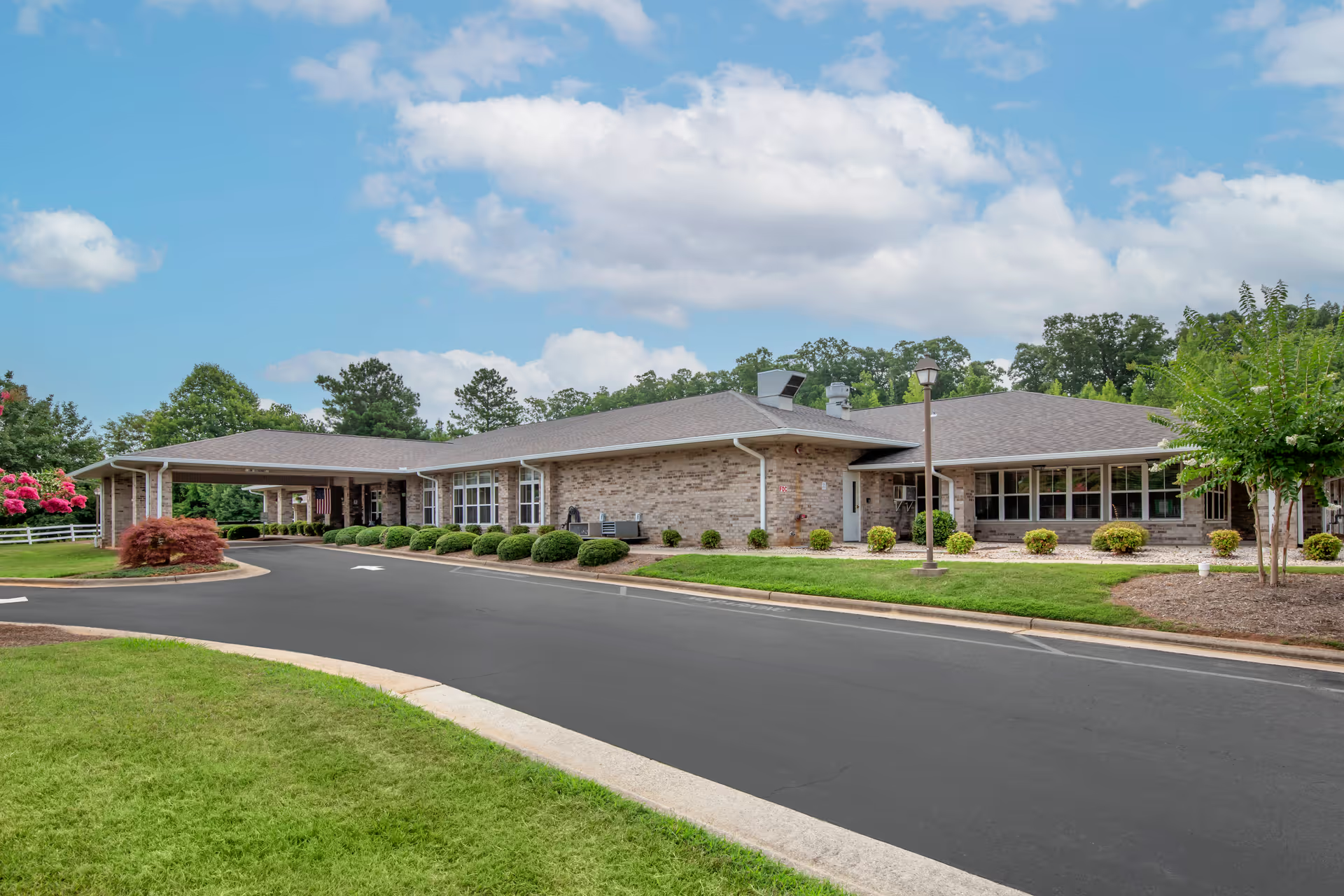
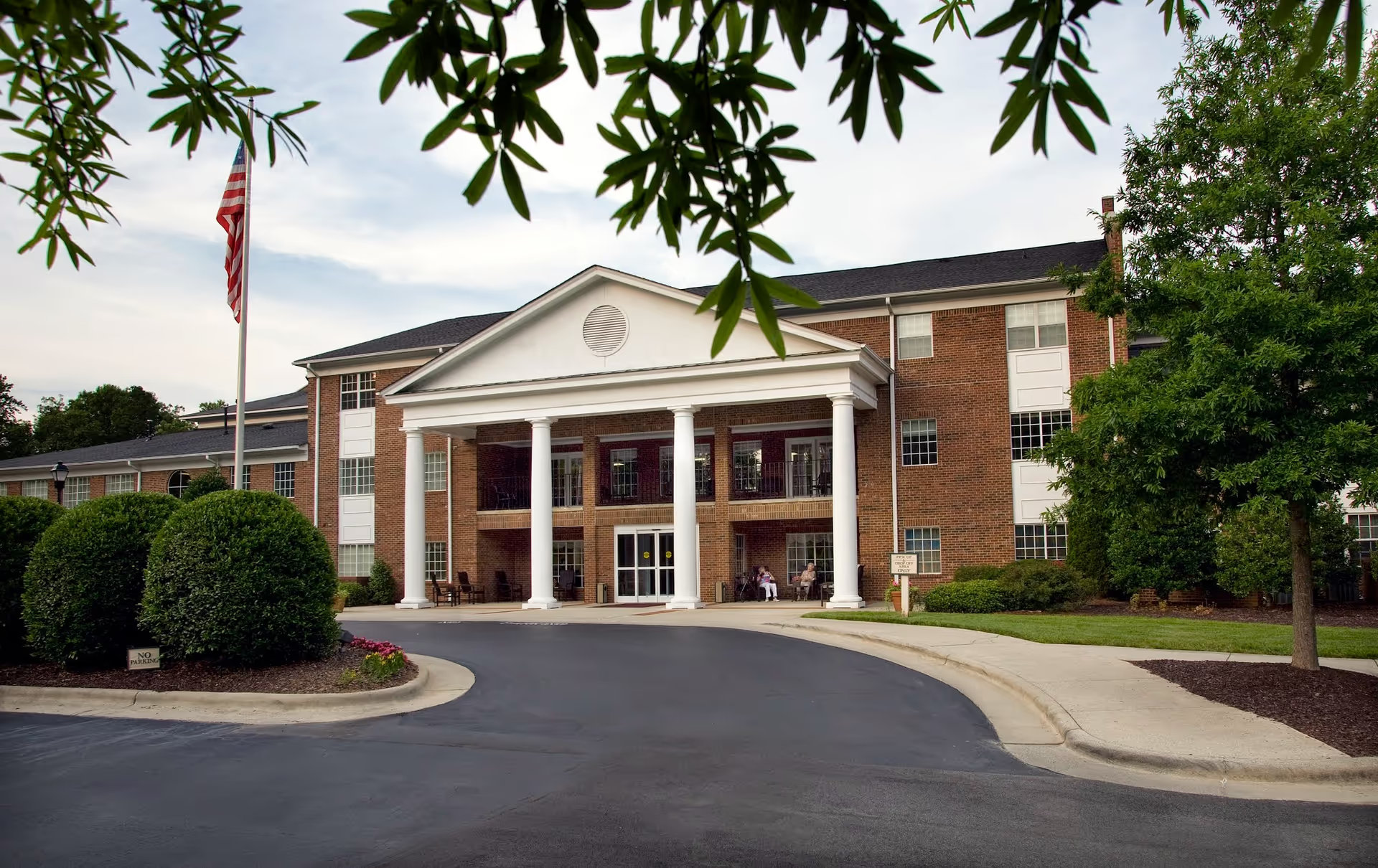
Cone Health Penn Nursing Center elicits a mix of positive and critical impressions. Strengths that recur across feedback include a clean, odor-free environment, well-kept grounds, and the advantages of being part of a hospital system with on-site therapy services. Admissions personnel and many nursing aides are described as friendly and helpful, and several families highlighted staff longevity and continuity of care as stabilizing factors. The facility appears to offer an active activities program with staff who engage residents across a range of interests, and food quality and presentation are frequently praised.
Care quality descriptions are mixed. Many families find caregivers compassionate and attentive, and some accounts describe proactive end-of-life support and regular rounds. At the same time, operational patterns emerge that affect day-to-day care: staffing levels are commonly described as inconsistent, with staff appearing overworked. This contributes to long waits for assistance (including toileting help) and delayed responses to call buttons. Reviewers also describe variability between shifts, with mornings often rated more positively than nights, and several comments indicate inconsistent nursing and physician availability and concerns about pain management follow-up.
Communication and staff conduct are notable areas of concern. While many staff interactions are characterized as respectful, there are repeated references to problematic communication tone and extended confrontational exchanges with residents. Families also reported instances where management response was perceived as inadequate — characterized by excuses rather than accountability — and expressed frustration with limited or delayed updates. Concerns about inconsistent adherence to infection-control procedures, including COVID-related practices, were raised and contribute to perceived safety uncertainty.
Dining and ancillary services show a similar pattern of strengths and variability. The food is often described favorably in presentation and taste, and therapy services are available; however, meal delivery timing and temperature have been noted as inconsistent. Facilities and campus access receive uniformly positive notes: rooms and common areas are kept neat, the site is secure, and location is convenient for visitors.
Overall, the facility offers several substantive strengths—cleanliness, engaged activities, therapy services, and a number of compassionate staff with long tenure—balanced against operational weaknesses that appear to stem from staffing shortages, inconsistent clinical coverage, uneven communication practices, and occasional lapses in infection-control and meal-service processes. Prospective residents and families should weigh the facility’s environmental and programmatic positives against these operational patterns, and where possible discuss staffing models, shift coverage, communication protocols, and infection-control practices with administration before placement.