Reviewer feedback for Roxboro Assisted Living is strongly polarized: many families describe a clean, well‑appointed building with engaging activities, good food, and staff who create a home‑like atmosphere, while others raise operational concerns that affected clinical continuity and family trust.
Care quality observations vary. Positive accounts emphasize attentive nursing and medical clinicians, efficient medication technicians, and staff who participate in residents’ daily life. These families describe proactive caregiving, prompt attention from leadership, and a sense that residents are well looked after. Conversely, other accounts point to inconsistent care performance, lapses in personal‑care assistance (for example, bathing and clothing support), and gaps in monitoring nutrition and hydration. That pattern suggests the facility is capable of delivering good direct care but demonstrates variability in consistency and reliability, particularly for residents with higher acuity or complex needs.
Staff and training present similarly mixed impressions. Numerous reviews praise caring, courteous frontline employees, housekeeping, and specific individuals (including activity staff and administrators) for being accessible and supportive. At the same time, reviewers describe inconsistent staff behavior and occasional unprofessional communication tone, and some indicate staff may lack specialized training for memory‑care needs. These points indicate strengths in customer‑facing roles and morale for some teams, counterbalanced by uneven training and supervision across shifts and units.
Dining and activities are among the facility’s clearer strengths. Multiple comments highlight enjoyable meals, regular devotional and religious offerings, music, bingo, card games, and celebratory events that foster social engagement. On‑site grooming services and social programming contribute to a family‑like atmosphere and are repeatedly cited as positives by families whose loved ones are active and socially engaged.
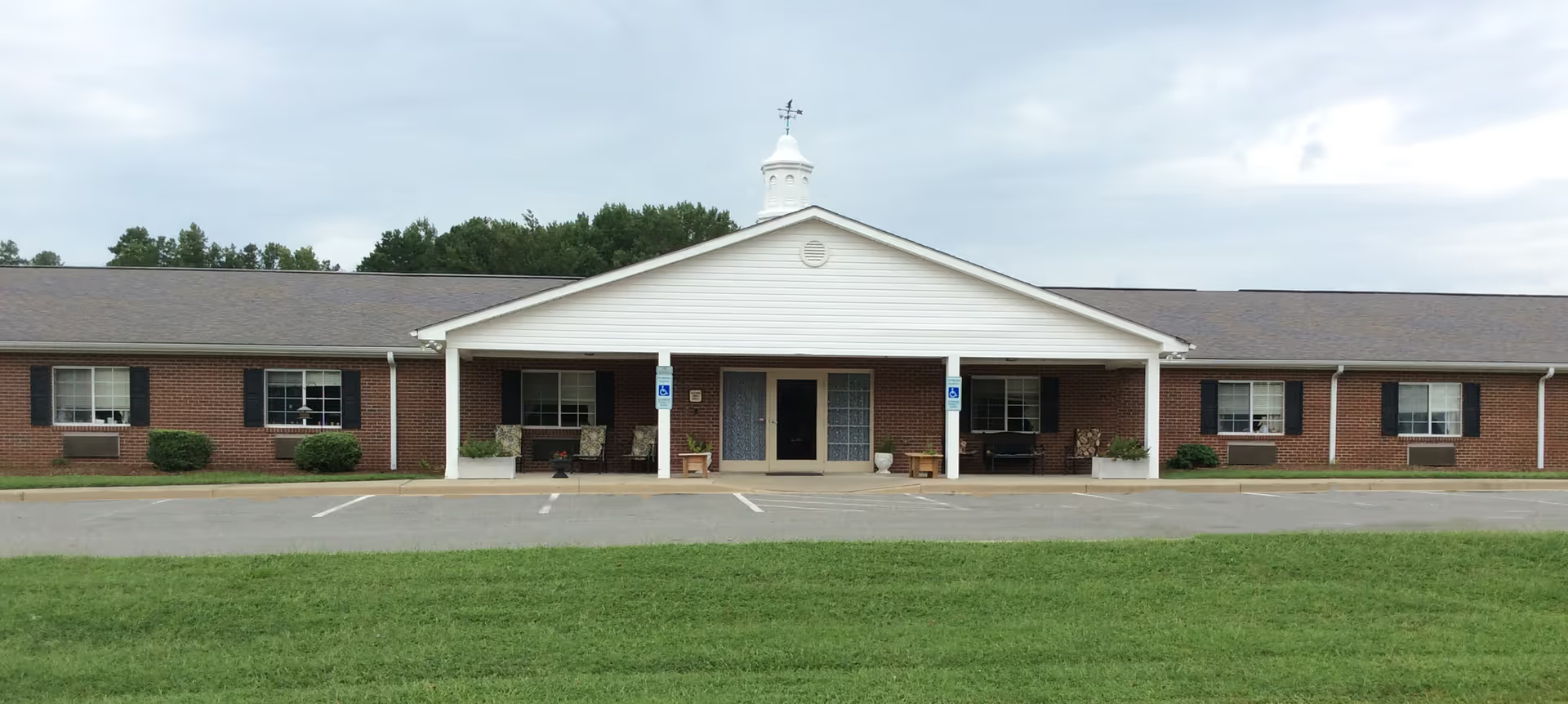
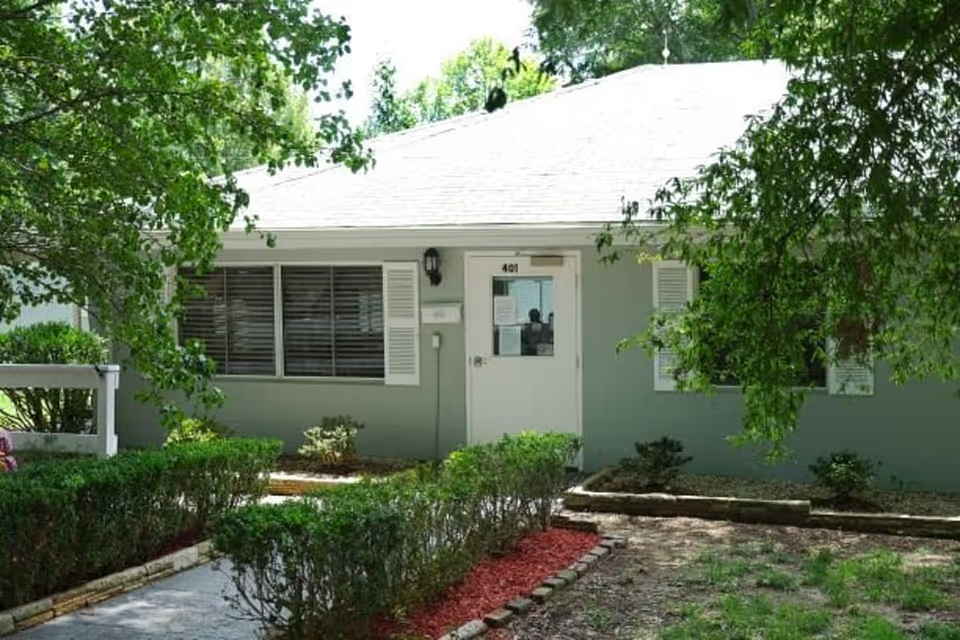
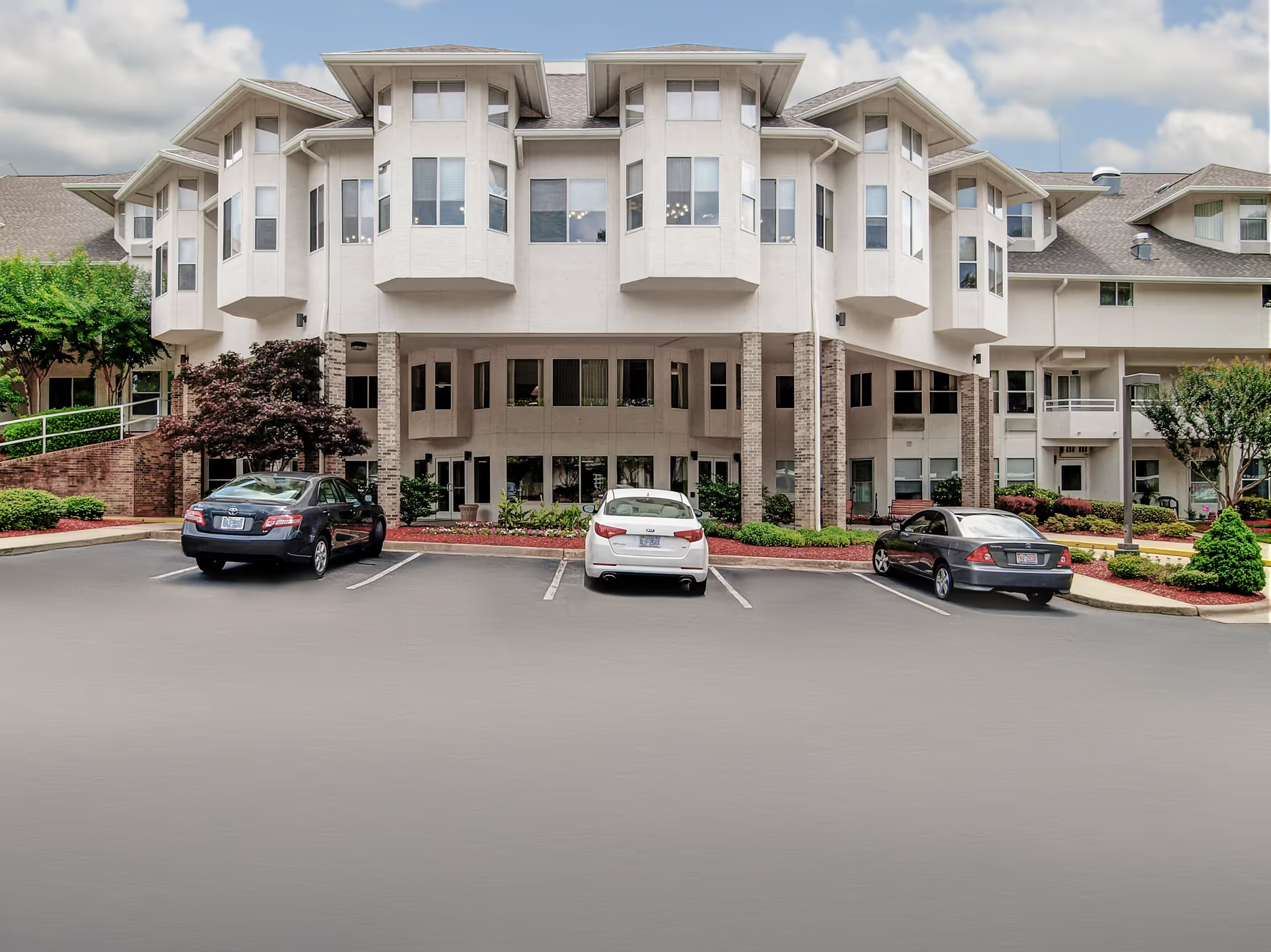
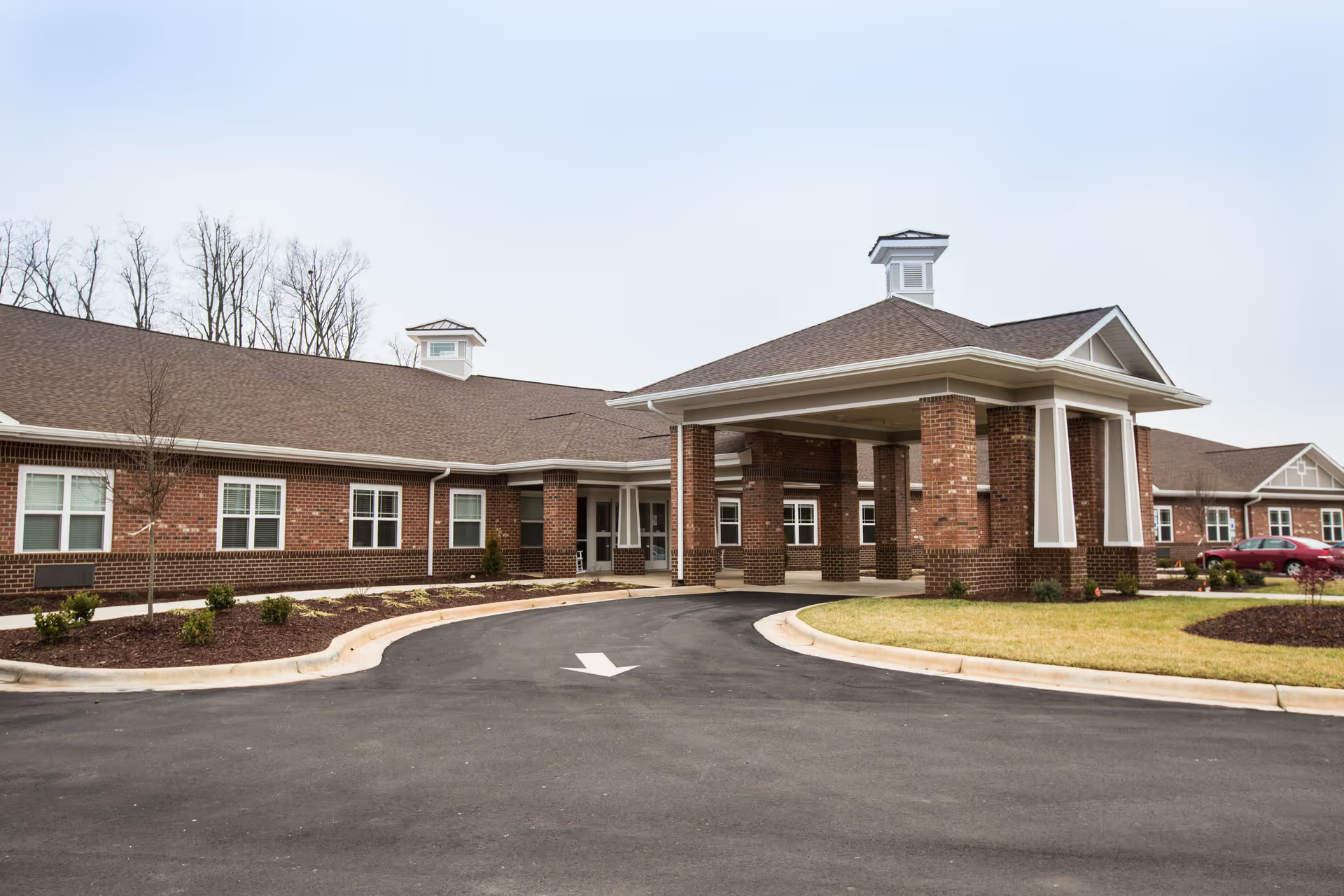
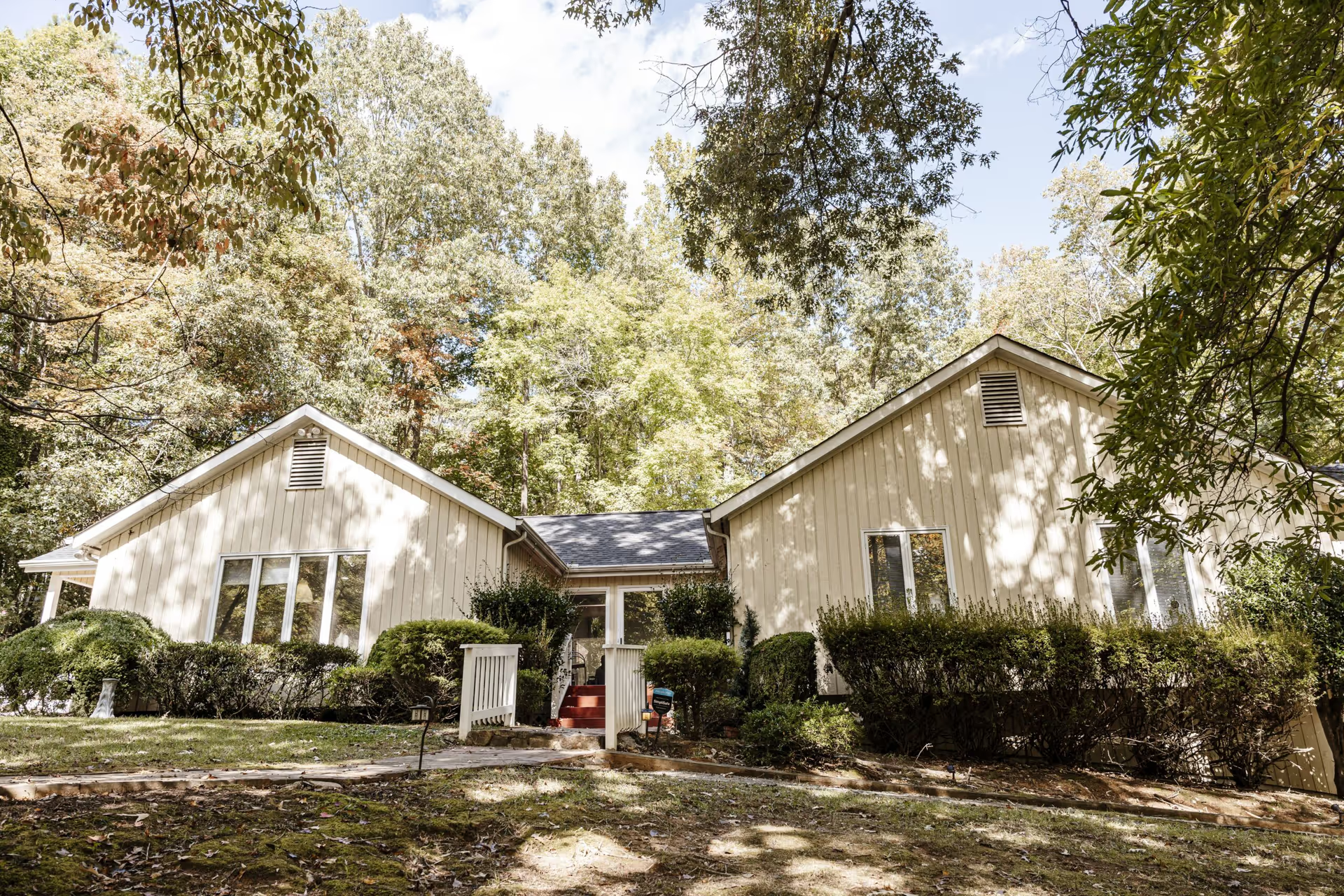
The physical environment receives consistent praise: reviewers describe a clean, fresh, home‑like interior, spacious private rooms, and well‑maintained common areas. Housekeeping and concierge services are frequently cited as responsive and contributing to comfort and dignity.
Management and communication are the most frequently cited areas of concern. Several reviewers described problematic administrative behaviors, confusing transitions in leadership, and decision‑making that families perceived as financially motivated—particularly around admissions and discharges. Multiple accounts raise specific worries about how clinical incidents and transfers to higher care levels were handled and communicated to families; these have in some cases prompted external inquiries or involvement of ombudsman/regulatory attention. The pattern suggests uneven policies or execution around clinical incident response, family notification, and placement decisions.
Notable patterns for prospective residents and families: the community can offer an active, supportive setting with strong hospitality and social programming, and it appears well suited for residents who benefit from engagement and relatively independent assistance. Families with residents who have complex medical needs, advanced memory‑care requirements, or who require consistent, high‑acuity staffing should ask targeted questions about staffing ratios, training for memory care, incident‑response protocols, recent administrative changes, and policies governing transfers and readmissions. Requesting recent state inspection results, care-plan examples, and references from current residents’ families may help assess whether the facility’s operational practices align with your expectations.