Willow Ridge Rehabilitation & Living Center elicits strongly mixed impressions. Many families and residents praise individual caregivers — particularly long‑tenured CNAs, some nurses, and therapy staff — for compassionate, resident-focused interactions and effective rehabilitation sessions. Visitors commonly describe a welcoming atmosphere, active programming (including bingo and services), and private, comfortable rooms. Admissions staff and certain administrators receive positive mention for being knowledgeable and helpful. These strengths suggest that when staffing and leadership are aligned, the facility can provide warm, coordinated care and meaningful social engagement.
At the same time, a consistent cluster of operational concerns appears across reviews. The most prominent theme is inconsistent clinical responsiveness: delays in addressing medical needs, slow medication or pain‑management administration, and lapses in wound‑care timeliness. Several accounts describe serious clinical escalations that required hospital transfer; these accounts point to gaps in wound prevention and pressure‑injury management protocols as an important area for families to query. Safety systems also appear uneven — examples include fall‑prevention and transfer practices, missing or non‑standard bed/safety equipment, and limited use of pressure alarms — indicating potential process and training weaknesses in resident handling and monitoring.
Staffing and management practices are another axis of variability. Reviewers commonly note high turnover and regular use of agency or travel staff, which can affect continuity of care and familiarity with the building. While individual caregivers are frequently described as going above and beyond, multiple reports describe weekend and overnight shortages, inconsistent nurse‑station responsiveness, and staff who appear distracted or underresourced. Leadership perception is mixed: some families cite a new administrator and Director of Nursing who are visible and caring, while others describe disengaged or inconsistent management, unclear responses to incidents, and weak follow‑up on complaints. There are also allegations relating to missing personal items and billing concerns; these raise questions about inventory controls and financial/accounting transparency.
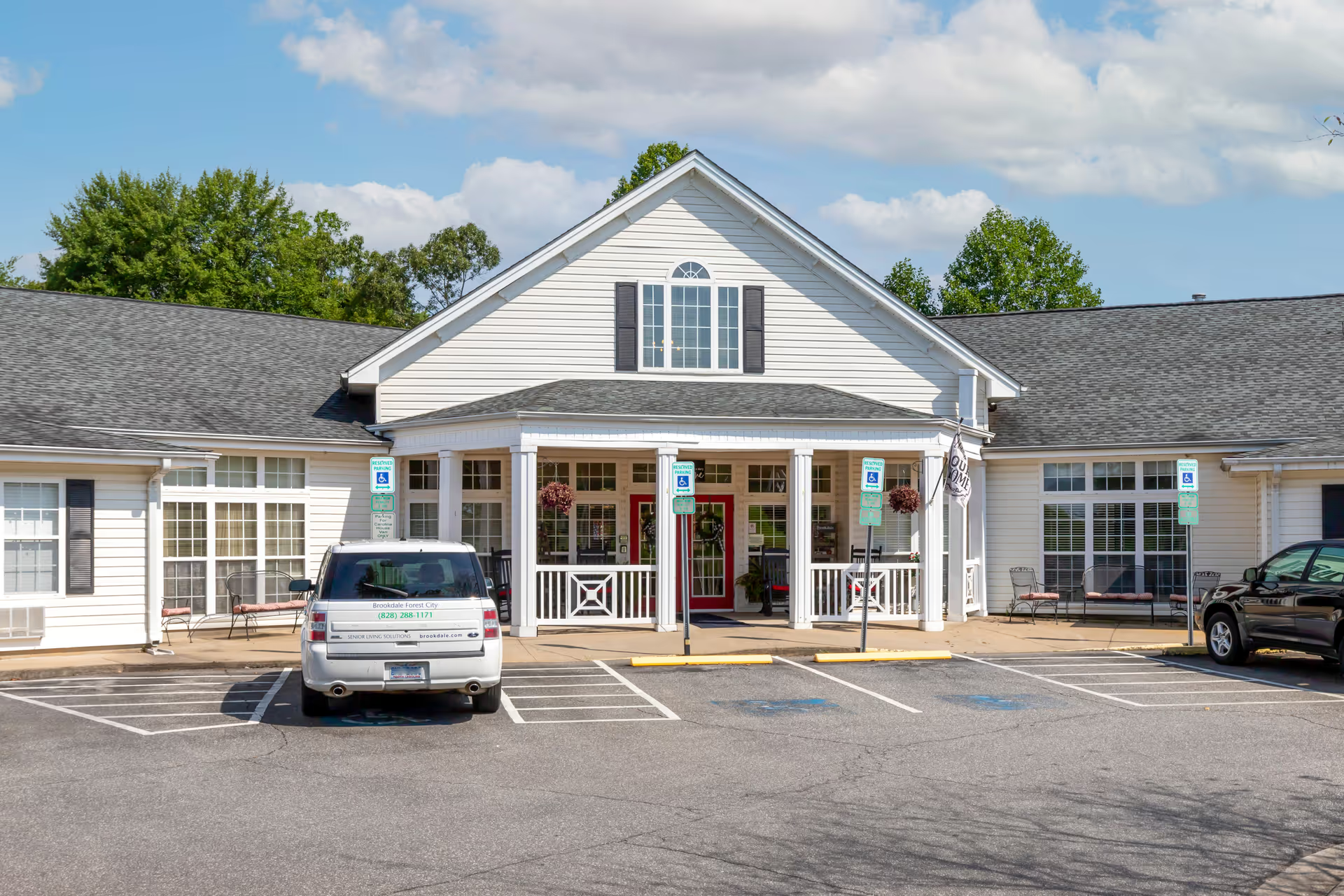
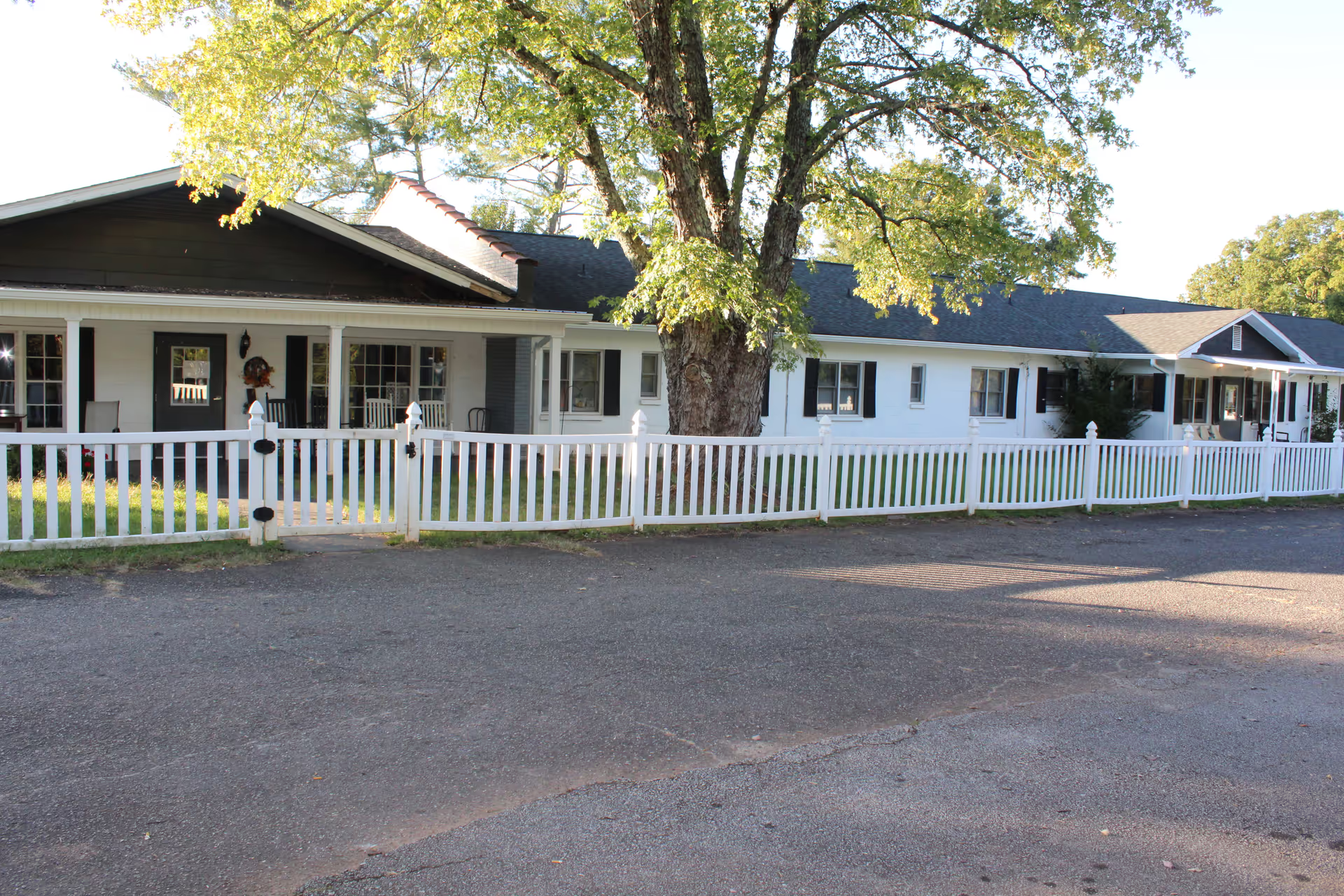
Facility environment and nonclinical services receive both praise and critique. Many reviews describe a clean, pleasant facility with friendly common areas and an active calendar. Conversely, others cite maintenance needs, broken equipment, cigarette smoke noted in hallways, and pest‑control concerns. Dining experiences are similarly mixed: some families find the food satisfactory, while others describe poor meal quality. Infection‑control communication and transparency have been singled out as areas needing improvement, particularly during outbreak or exposure events. Visitation policies are generally visitor‑friendly but have been described as inflexible in certain situations.
Notable patterns for prospective families: the distribution of experiences suggests that quality at Willow Ridge can depend heavily on staffing levels, specific unit leadership, and the mix of permanent versus agency personnel at the time of stay. To evaluate current performance, families should ask about staffing ratios (especially on weekends and nights), wound‑care and pressure‑injury prevention protocols, incident‑reporting practices, use of agency staff, inventory safeguards for personal belongings, pest‑control procedures, and recent quality or complaint investigations. A targeted tour that includes review of recent care plans, medication administration processes, therapy schedules, and speaking directly with the unit nurse or DON can help clarify whether the facility’s positive elements are consistently delivered in practice.