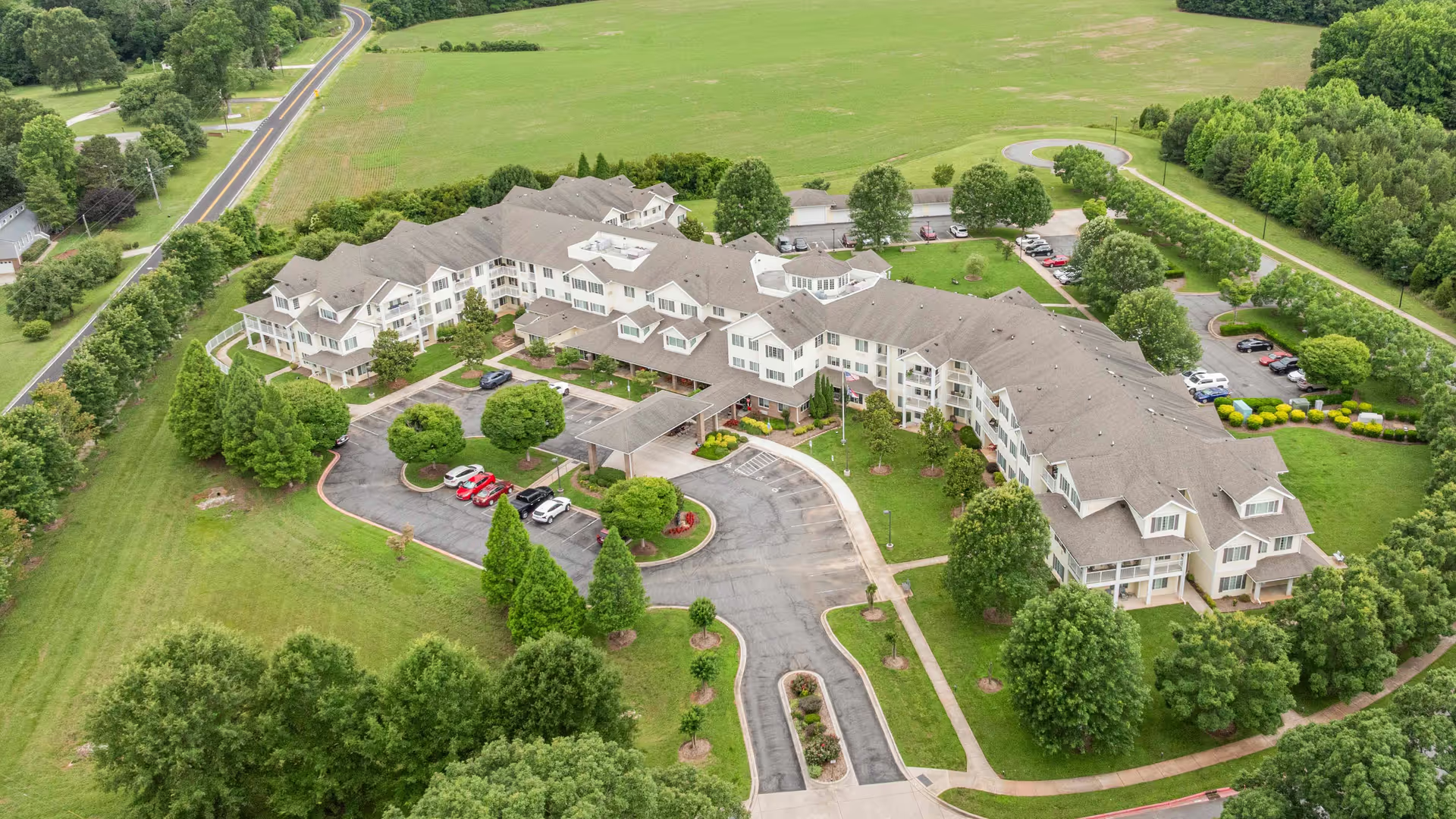
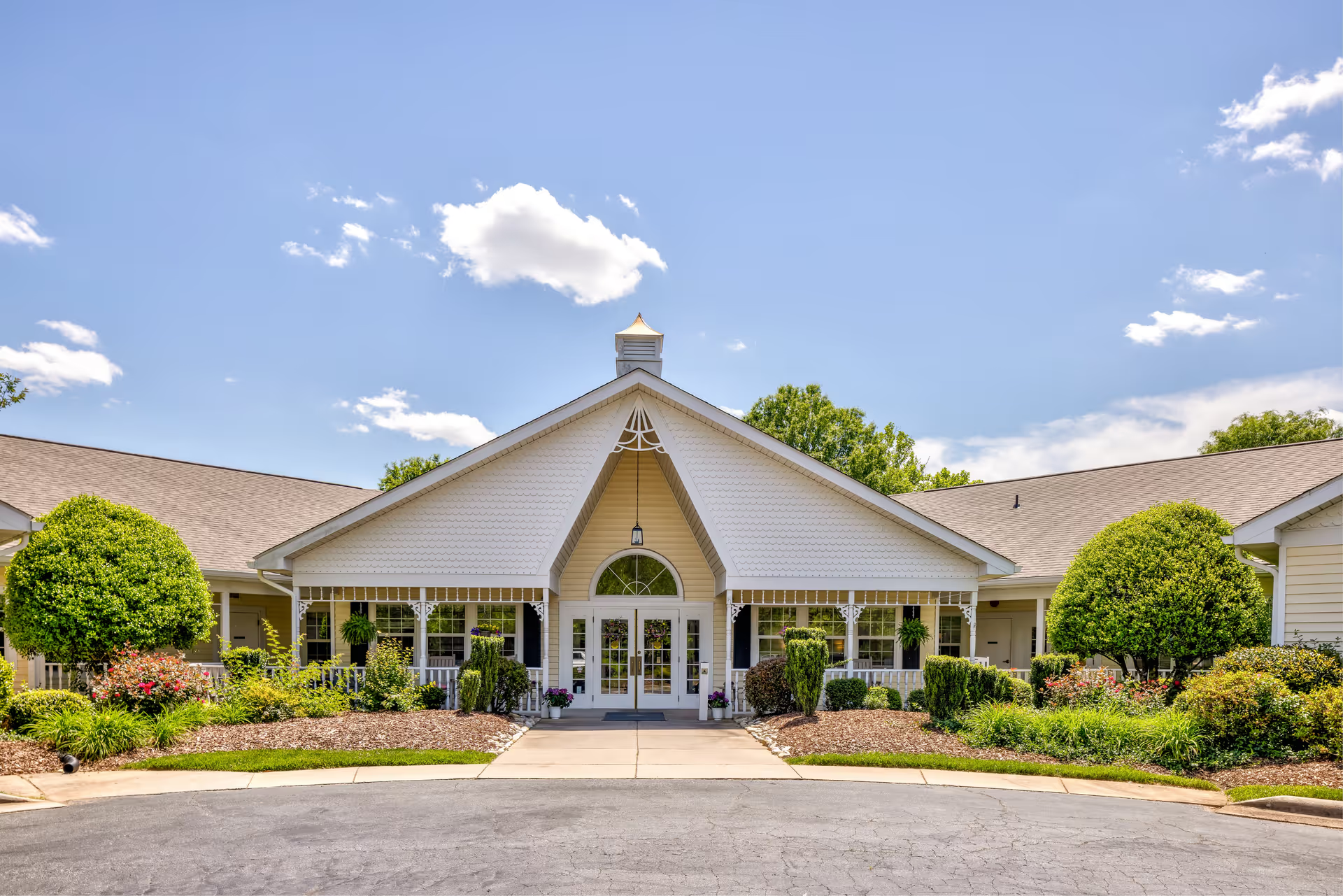
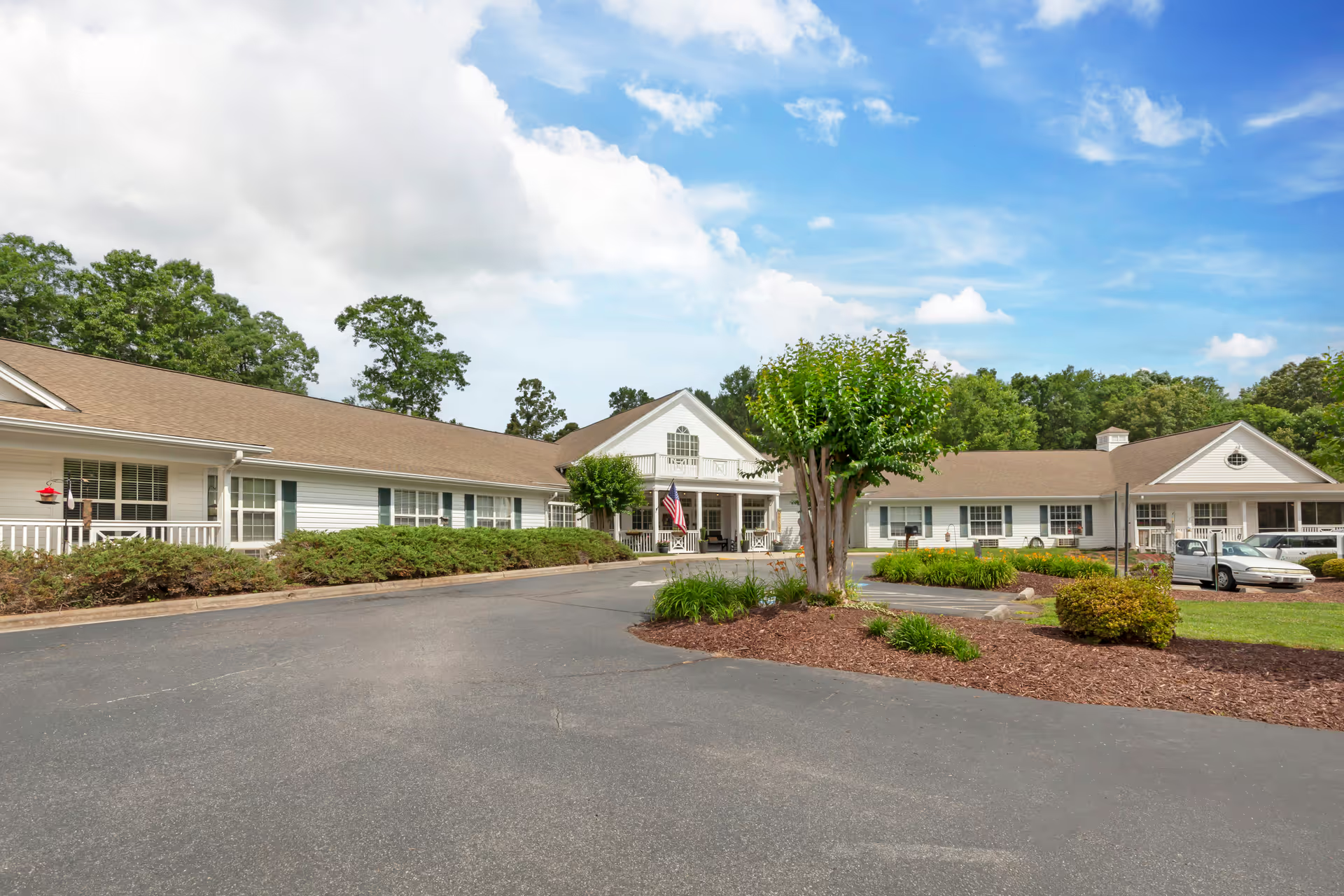
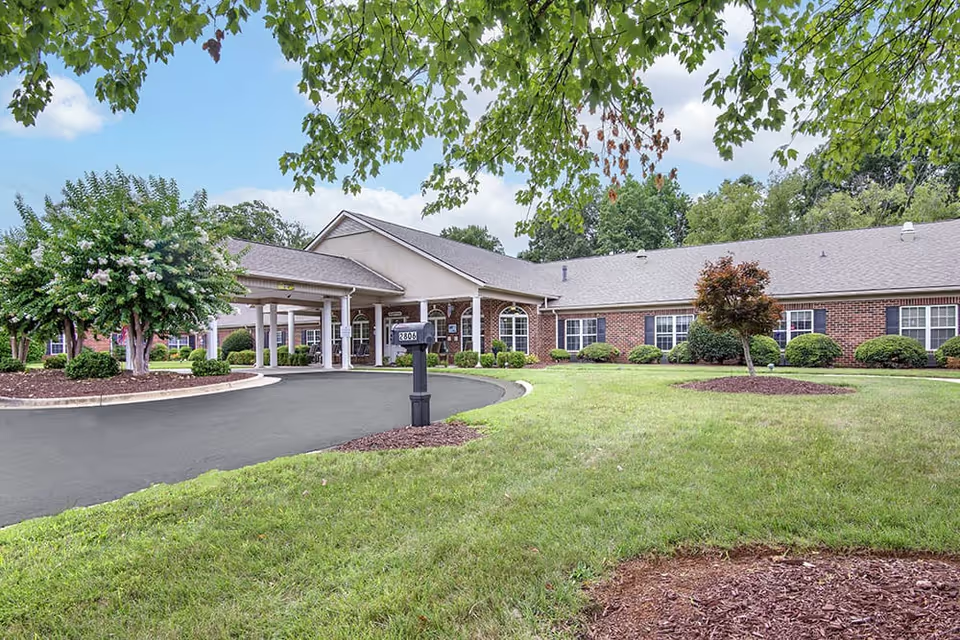
The reviews present a mixed but informative picture of The Laurels of Salisbury. Strengths cluster around rehabilitation services, interpersonal care, and facility maintenance: many families and residents described an experienced, recovery-focused PT/OT team, a well-equipped therapy gym, and clear goal-oriented therapy. Nursing and CNA staff are frequently characterized as compassionate, attentive, and family-like; several reviewers praised continuity of care, individualized care plans, and responsive housekeeping and dietary teams. The facility’s grounds, common areas, and some semiprivate rooms were noted as clean and pleasant, and administrative staff handled insurance and logistics effectively in many cases.
Despite these positives, several operational weaknesses recurred across the reviews. Staffing variability and periods when CNAs appeared stretched thin were linked to delayed responses to call lights and resident requests. Relatedly, reviewers described gaps in timely clinical escalation and in communication with families during adverse events and discharge planning. There are also concerns about infection-control adherence and inconsistent medication-management or reconciliation processes; a subset of reviews described serious clinical issues that point to variability in how safety events are documented and escalated. Wound- and skin-care outcomes were uneven across cases, suggesting inconsistent clinical follow-through in this area.
Dining and daily programming are generally viewed positively—meals are described as homestyle and activities are regularly offered—but multiple reviewers requested more dining choices and noted inconsistencies in meal temperature and presentation. Facility conveniences such as transportation and therapy scheduling were praised, while shared rooms and roommate-management sometimes limited privacy and caused dissatisfaction. Practical operational problems also appeared: laundry mistakes, occasional sanitation concerns in specific rooms/shifts, alarm noise and locked-door access policies after hours were noted as nuisances that affect family experience.
Overall, The Laurels offers a strong rehabilitation focus and many staff members are highly regarded for their compassion and clinical skill. However, the facility shows variability in staffing consistency, clinical-incident response, infection-control practices, and some housekeeping/operational details. Prospective residents and families would be well served by touring the facility, asking specific questions about current staffing ratios, infection prevention and wound-care protocols, medication-reconciliation procedures, and roommate options, and by arranging frequent visits during the initial placement to monitor care continuity and communication.