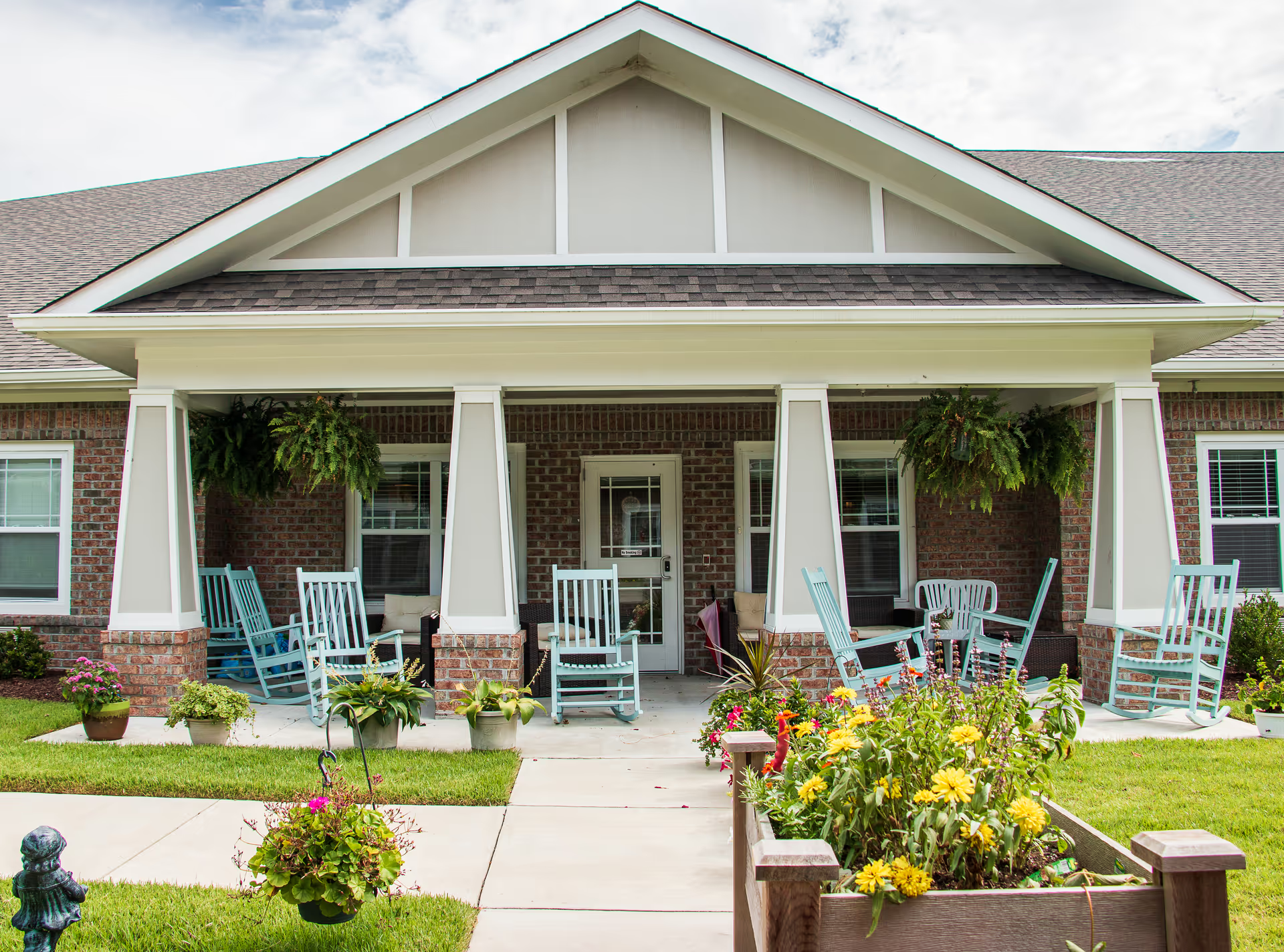
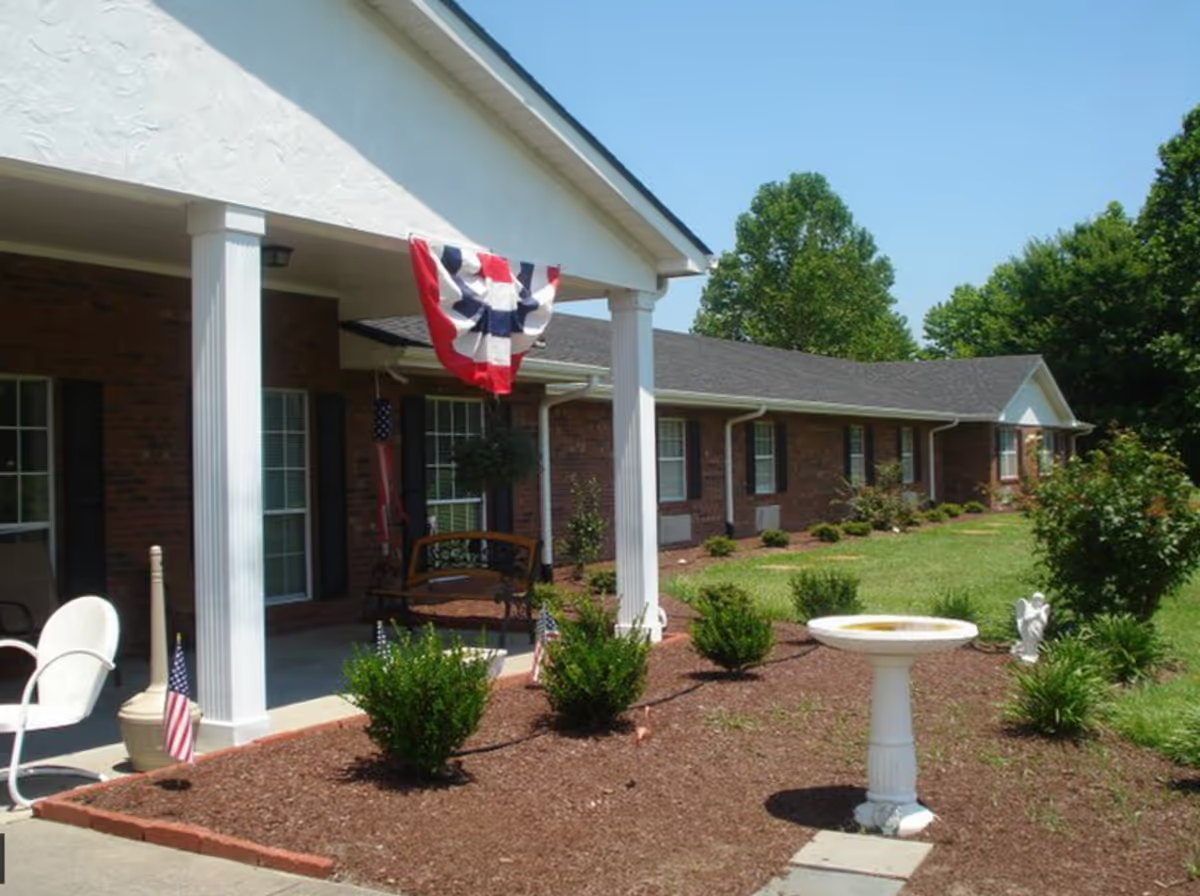
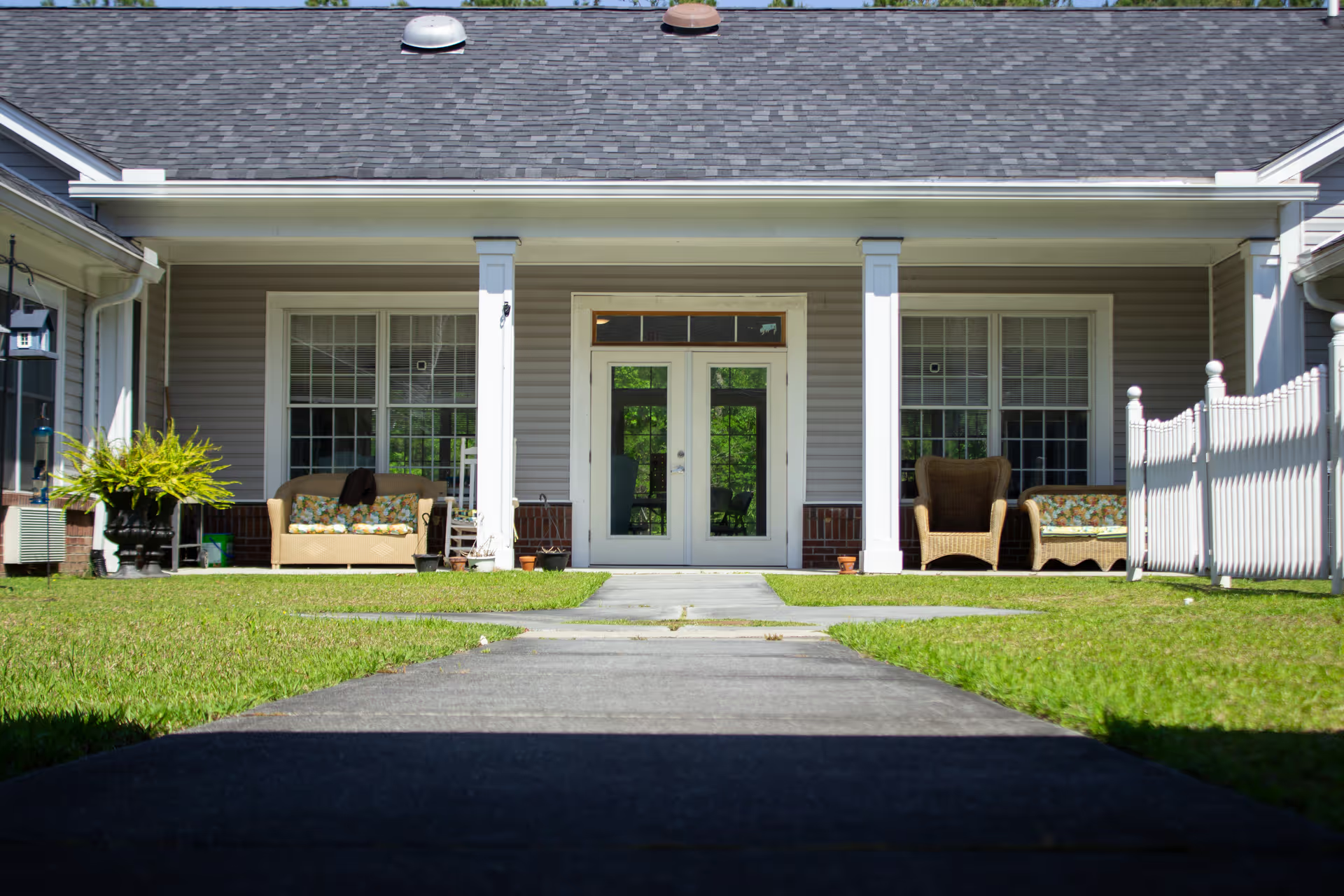
Reviews present a mixed picture of care at this facility, with clear strengths in rehabilitation, social supports, and elements of the physical environment alongside persistent operational weaknesses. Families describe effective on-site resources such as social work, financial counseling, an activities director, and well-equipped therapy spaces; several accounts also highlight pleasant, helpful frontline staff, clean newer units, private rooms in the newer wing, and attractive outdoor areas. These aspects suggest the facility can provide strong rehabilitative programming and a community-oriented environment in portions of the campus.
Clinical care and daily responsiveness emerge as the most frequently cited concerns. Many comments describe long nurse-call response times and staffing levels that contribute to delays in assistance, inconsistent transfer and mobility-support practices, and gaps in monitoring for residents with limited mobility. Therapy services and rehabilitation resources are viewed positively when available, but initiation of therapy and continued services appear inconsistent and sometimes constrained by insurance coordination. Medication management is another recurrent operational problem—families cite multi-day delays for medications and off-site pharmacy coordination issues that affect timely pain and other symptom control. Several reports also describe problems with documentation, paperwork errors, and discharge-planning delays that complicate transitions home or to other care settings.
Communication and management practices show variability. Many families praise individual staff members—nurses, transports, and therapists—for being kind and attentive. At the same time, concerns are raised about poor shift-change communication, inconsistent family notification about care changes, and a variable administrative tone, including rigid visiting rules in some instances. There are also descriptions of privacy and information-handling concerns. A small number of serious individual incidents were described, including an allegation of a staff-related incident and concerns following a resident's death; these accounts amplify worries about clinical oversight and family communication in critical events.
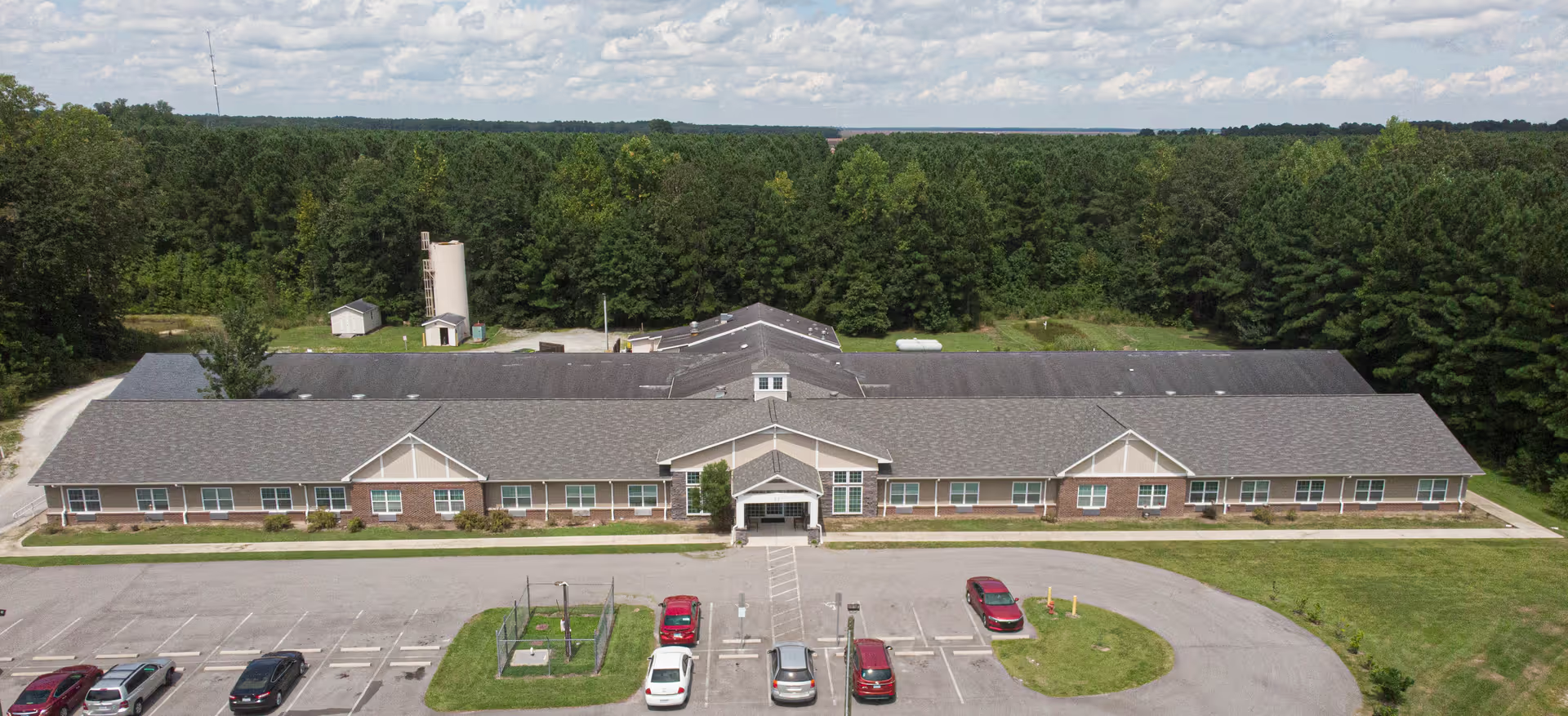
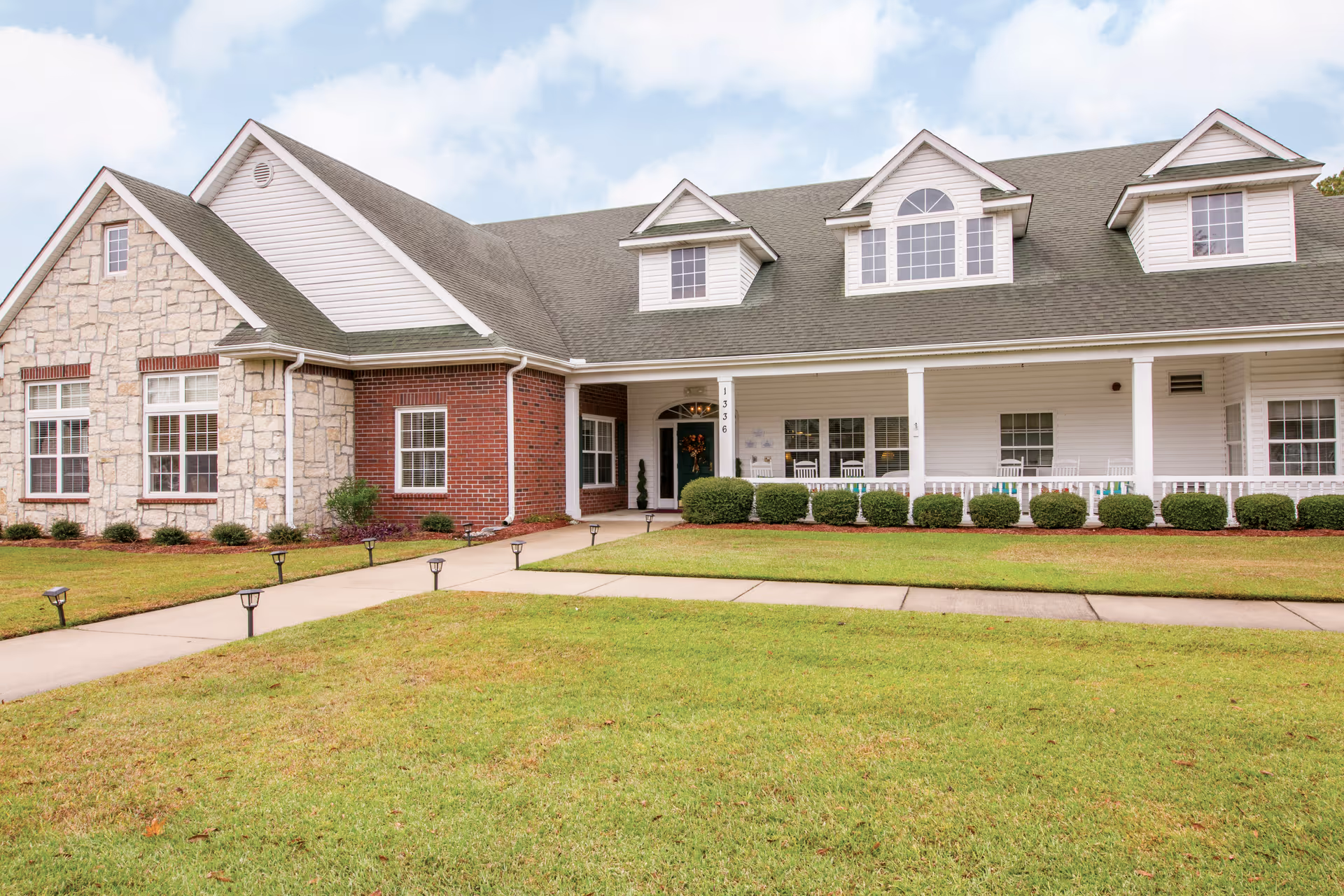
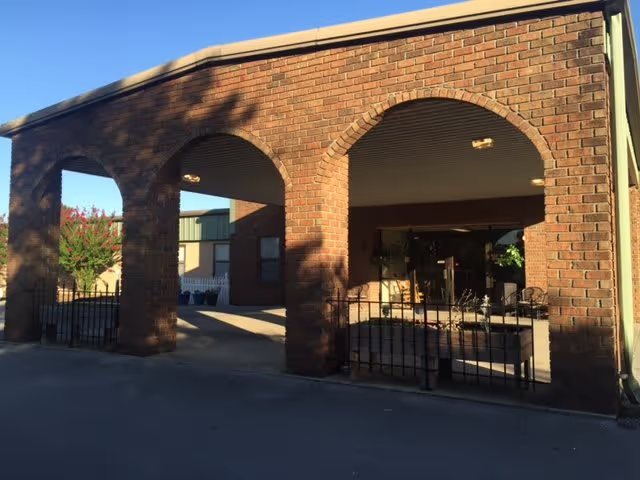
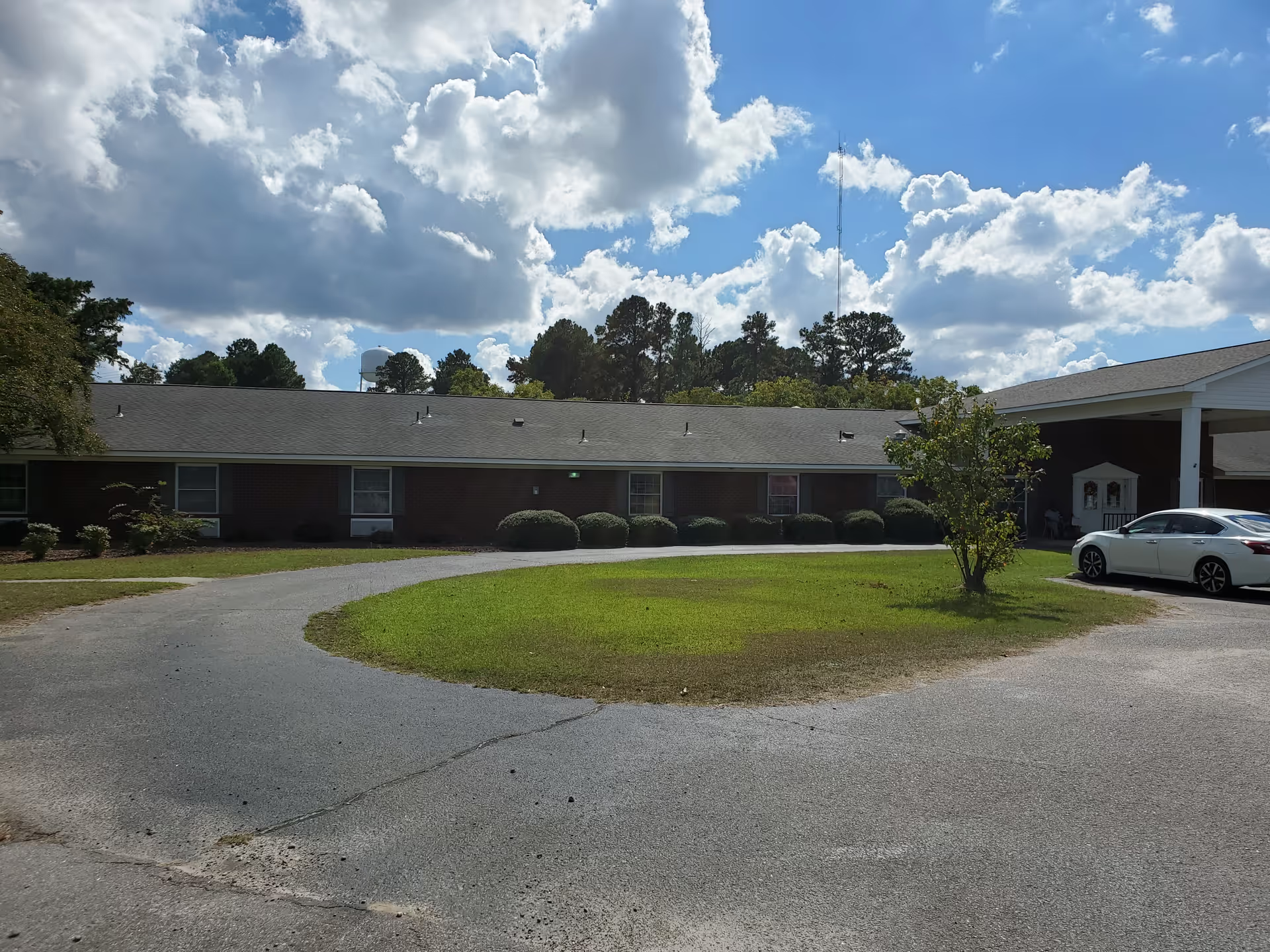
Facility condition and amenities are uneven across the campus. The newer building and rehab areas receive positive remarks for cleanliness, private rooms, and up-to-date therapy equipment. Conversely, older areas are described as dated and lacking some basic amenities (for example, inconsistent hot water and worn furniture). Residents and families also note that advertised services—salon access, certain recreational funding, or permitted personal items—are not always consistently available. Activity programming is generally seen as engaging where staffed and funded, with connections to music and faith-based groups, but some reviews describe limited activity resources or cancelled programming due to staffing or budget constraints.
Taken together, the pattern suggests a facility with substantive strengths in rehabilitation services, social supports, and some newer infrastructure, but with systemic operational issues that affect reliability of daily care. Prospective residents and families should expect variability depending on unit and staffing levels: when staffing and coordination are strong, families report very positive experiences; when staffing is thin or administrative processes falter, families report delays in care, communication breakdowns, and medication or therapy interruptions. Practical steps for families considering this facility include confirming current staffing and therapy-start timelines, clarifying pharmacy and medication-arrival processes, asking for written discharge plans and insurance-advocacy procedures, and arranging for an engaged family advocate during transitions and critical communications.