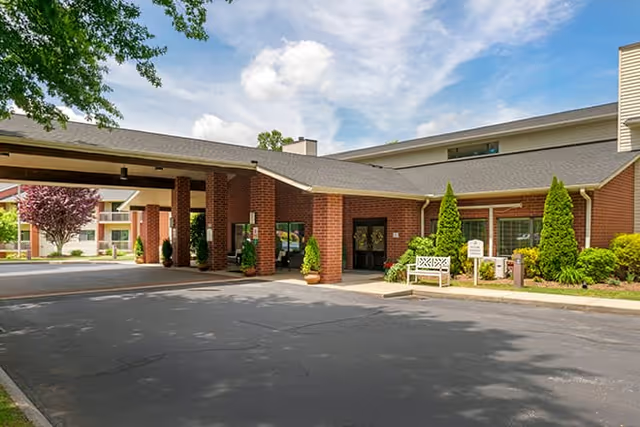
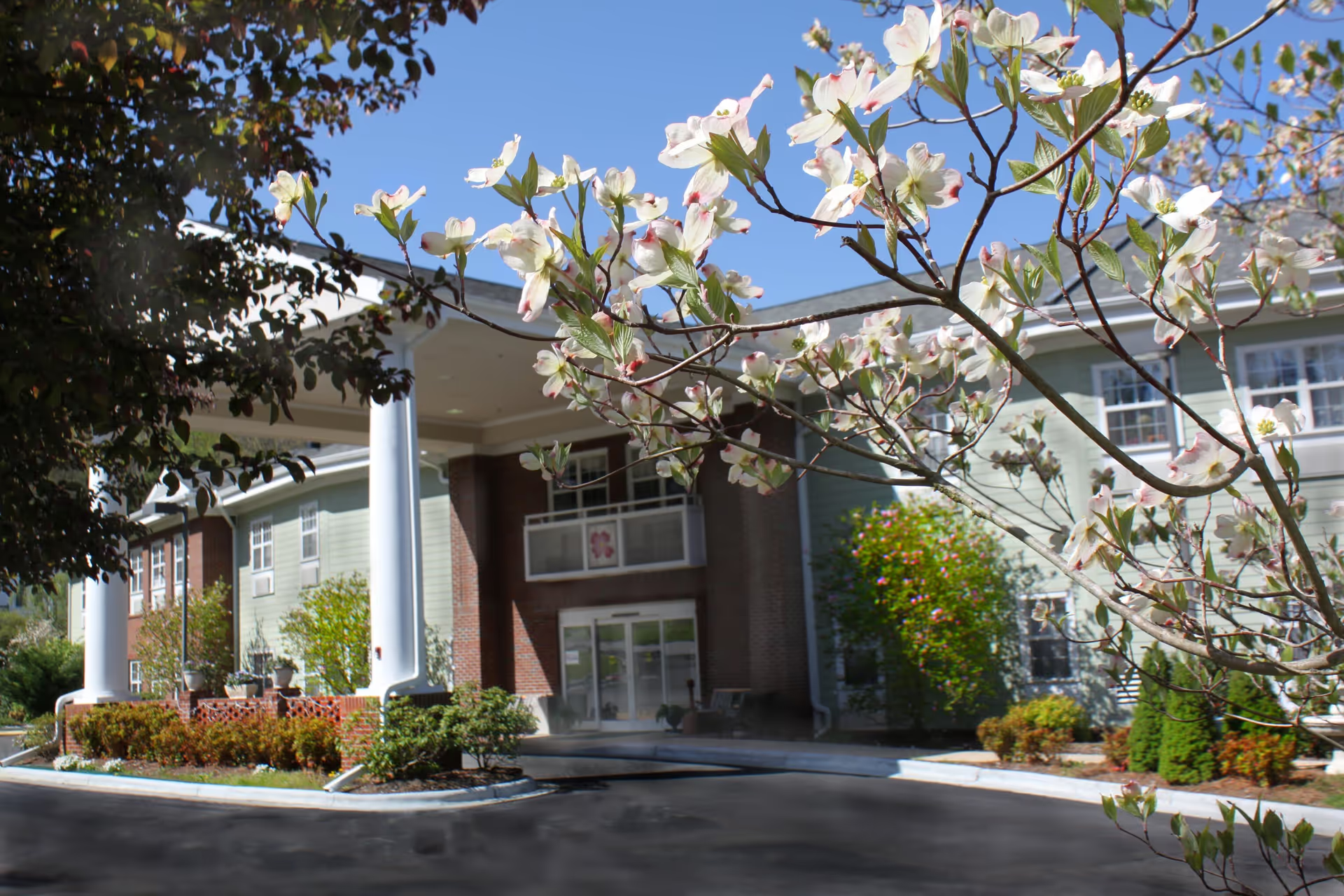
The reviews present a polarized picture of Swannanoa Valley Health and Rehabilitation. Many families and some former staff describe genuine strengths: compassionate, committed caregivers, strong physical and occupational therapy services, attentive CNAs, and an engaging activities program. Those positive accounts emphasize a family-like atmosphere, professional nursing in some units, varied dining options overseen by capable kitchen staff, and successful short-term rehabilitation outcomes for motivated residents.
Conversely, a notable set of concerns centers on operational consistency. Chronic understaffing and high turnover appear to affect continuity of care and the ability of staff to form steady relationships with residents. Several reviewers described lapses that point to gaps in clinical escalation and emergency response, including delayed attention after adverse events and missed or delayed diagnostic follow-up. These issues are amplified by reported inconsistencies in infection-control practices and PPE use during the COVID-19 period, which reviewers identified as a safety concern.
Communication and management practices are another recurring theme. Families described weak care-planning processes, limited social-work support, and difficulty obtaining timely updates or meaningful follow-through on administrative promises. Frequent leadership or name changes were said to create operational confusion. Reviewers also raised concerns about supervision and accountability when staff performance problems emerged, and some noted documentation and clinical follow-up gaps that complicated transitions to higher-acuity care.
Facility-level operations relating to daily living and property management showed mixed feedback. Positive comments noted clean, organized common areas in parts of the campus and helpful dining choices; negative comments described intermittent sanitation and cleanliness issues, occasional interruptions to meal service or supply shortages, and problems with personal-item management (lost or misplaced mobility aids and hearing devices). There are also allegations regarding theft and financial misconduct; while such claims are serious and not uniformly corroborated in the reviews, they contribute to family unease and merit inquiry.
In summary, Swannanoa Valley demonstrates clear areas of clinical and relational strength—particularly in rehabilitative therapy, compassionate caregivers, and a community-oriented environment—alongside operational weaknesses that affect reliability and perceived safety. Prospective residents and families would be well served to ask targeted questions about current staffing levels and turnover, emergency-response protocols, infection-control policies, care-plan meetings and social-work support, documentation practices, and processes for safeguarding personal property before making placement decisions.