The reviews describe a facility with clear strengths in rehabilitation, therapy, and many aspects of day-to-day resident life, alongside persistent operational weaknesses. On the positive side, numerous accounts highlight an effective physical-therapy department, professional therapists, and concrete functional gains that enabled return home for some residents. Many families and residents report compassionate, personable nursing and caregiving staff, timely communication from specific administrative team members, coordinated transportation and discharge planning, and engaging social activities that contribute to a welcoming atmosphere.
Care quality assessments are mixed. Where therapy and attentive nursing are present, reviewers note good outcomes, attentive pain control, and round-the-clock support. At the same time, there are repeated indications of inconsistent caregiving: delays in routine personal care, uneven bathing and clothing assistance, and variability in CNA performance. Weekend coverage and staffing shortages are a common theme; reviewers cite higher patient-to-caregiver ratios and less reliable coverage outside weekday hours. There are also concerns about medication-management timeliness and occasional communication tone issues between staff and families.
Dining and activities receive a range of observations. Several reviewers praised the food, meal variety, and improvements in residents' appetite and mood, and noted meaningful community events (for example, musical gatherings and social desserts). However, others describe inconsistent food quality and temperature control. Activity programming and social engagement are viewed positively by many, though some families wished for more consistent offerings.
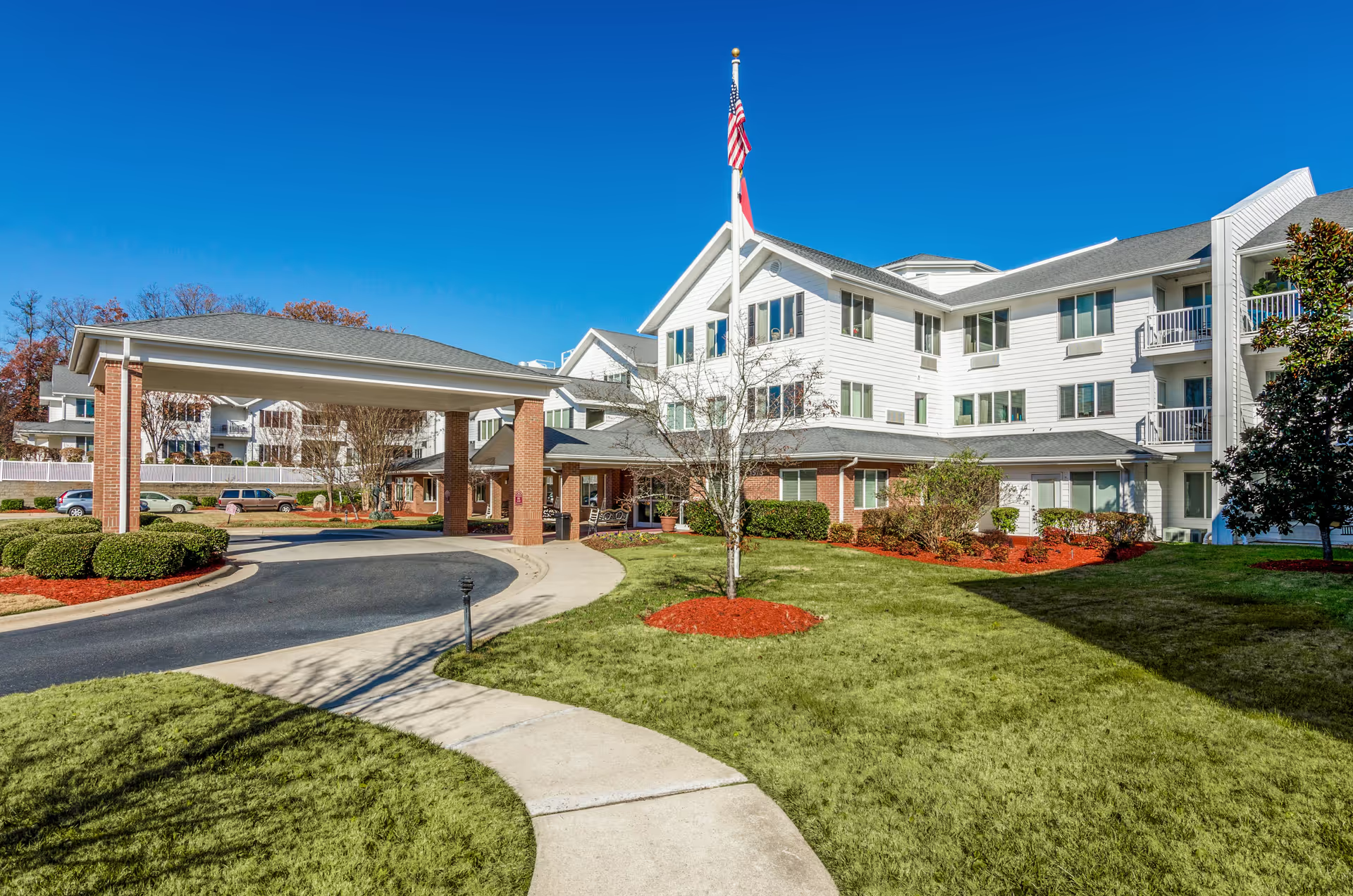
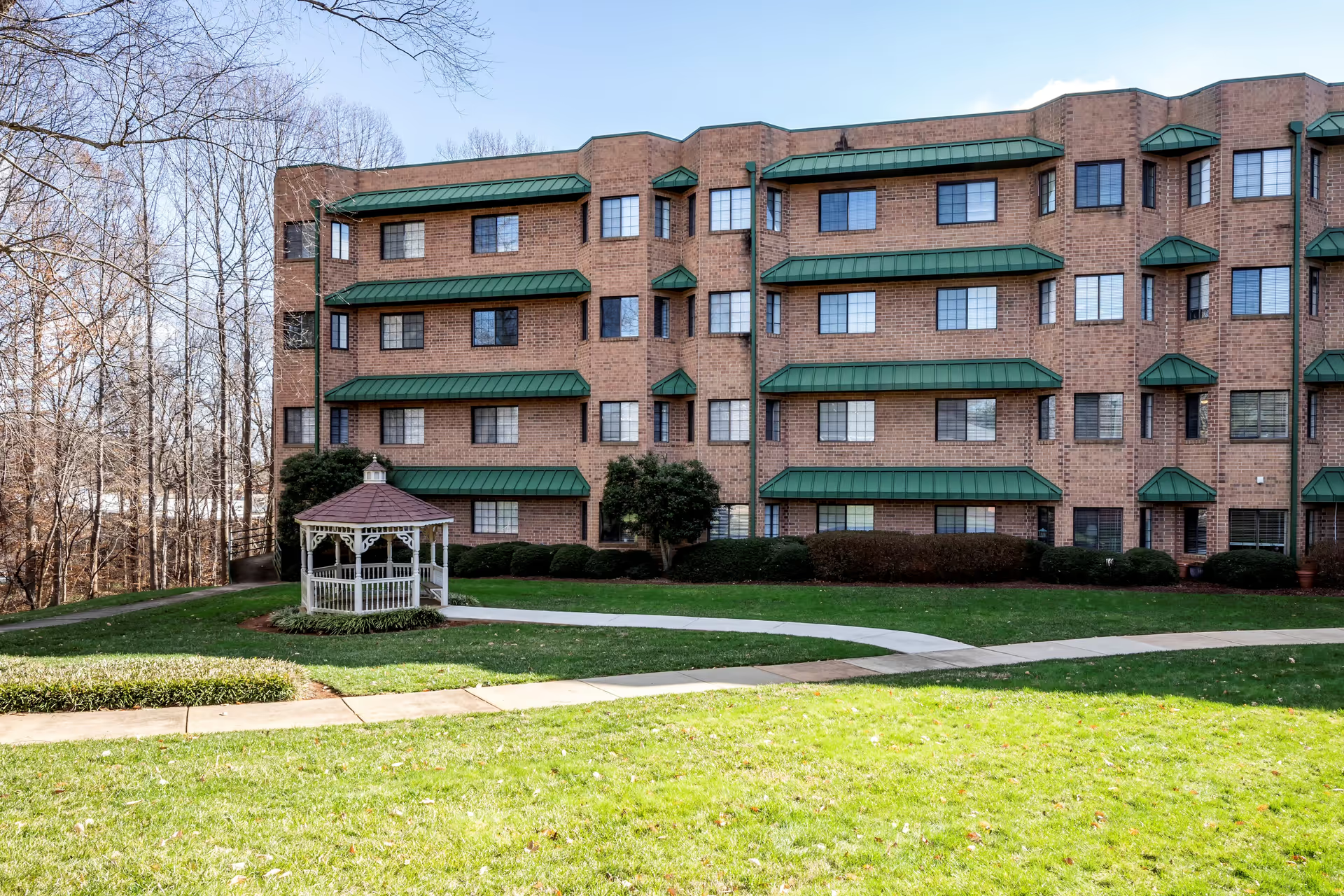
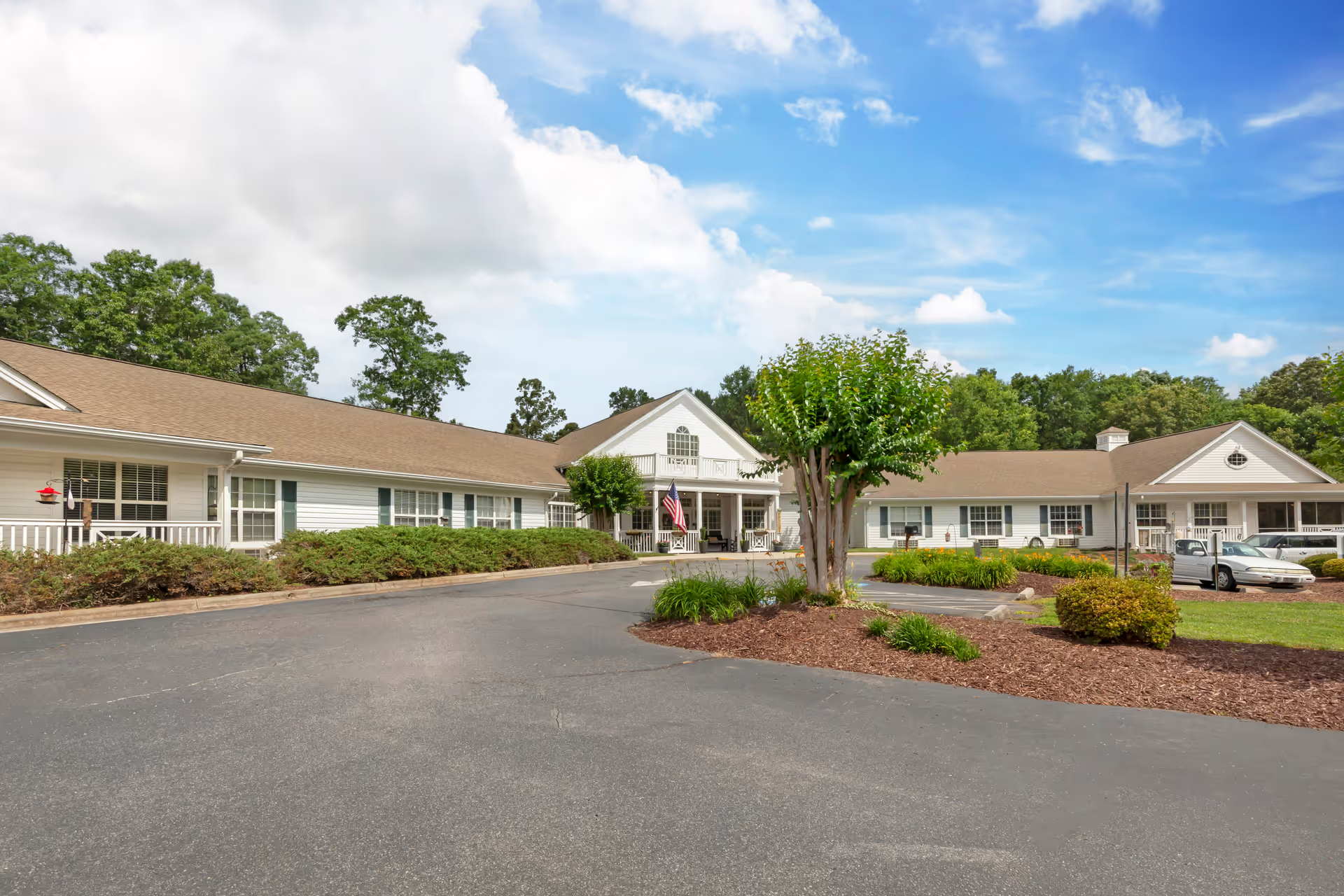
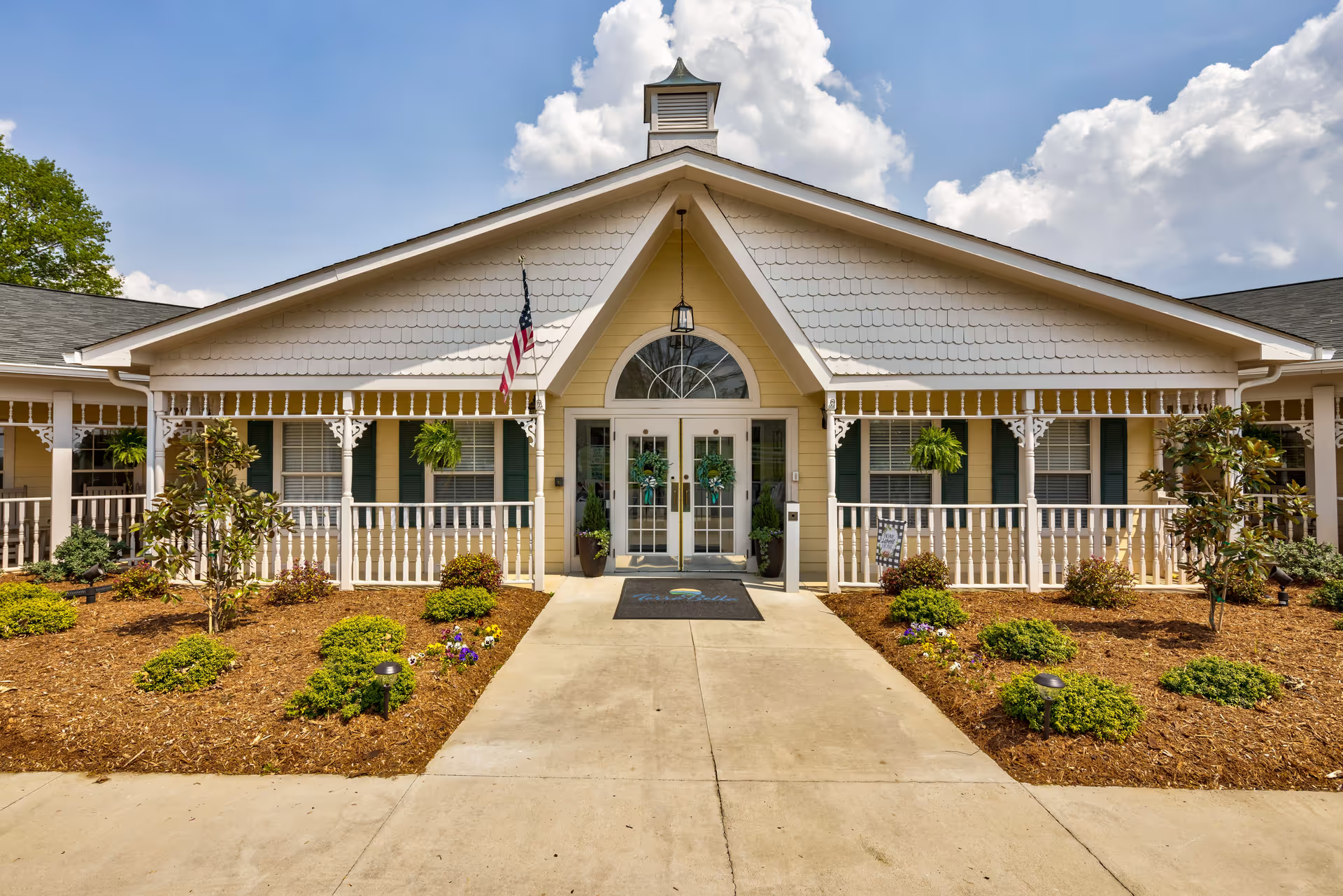
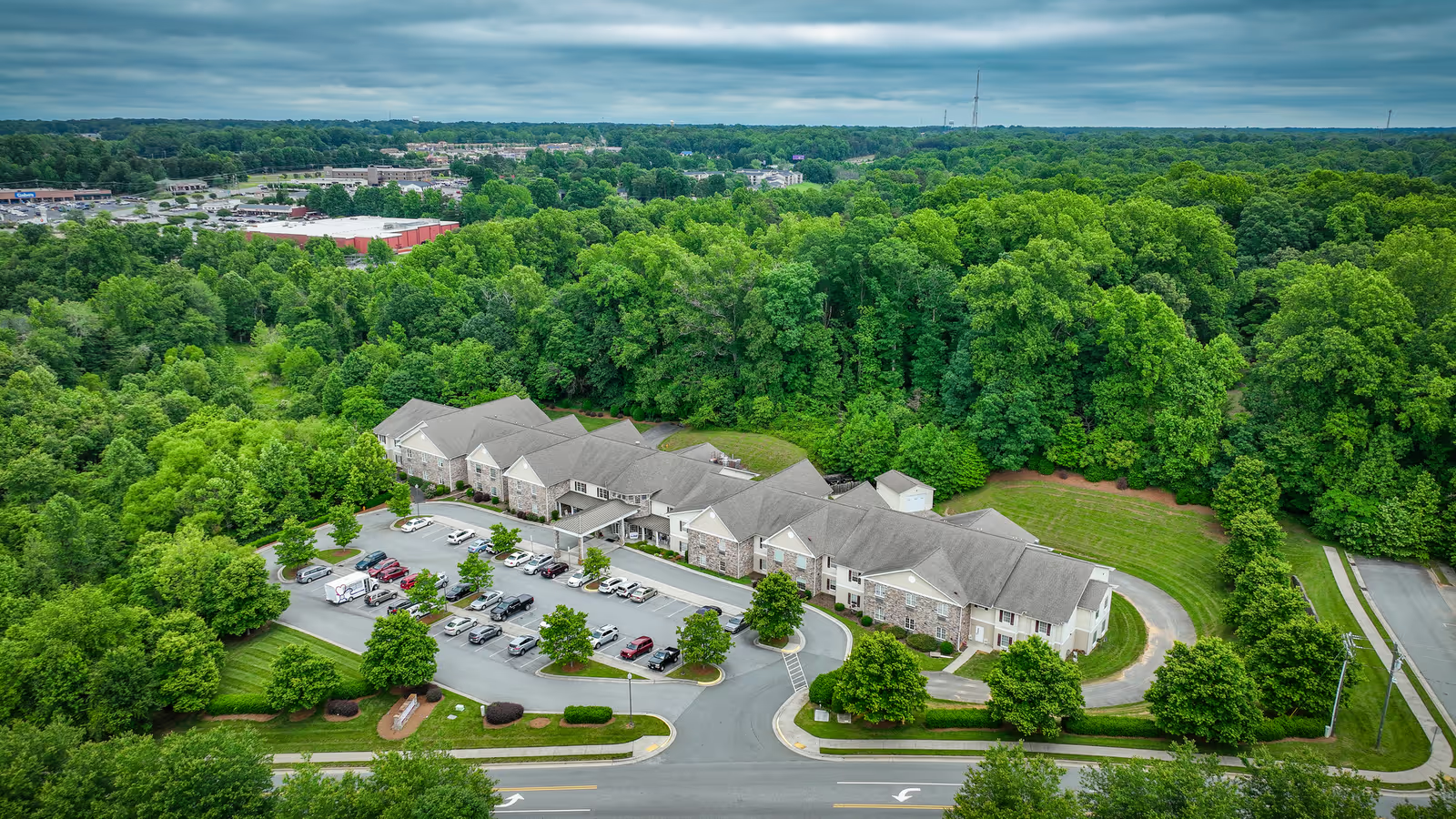
Facility condition and management present a similar contrast. The physical environment—public spaces and resident rooms—is often described as clean, well-decorated, and non-institutional, with attention to room presentation. Conversely, there are operational concerns including lost or misplaced personal items (dentures, clothing), some security/process weaknesses (locks and property control), and occasional sanitation concerns in parts of the operation. Several reviews point to management instability, high staff turnover, and gaps in family communication about insurance, discharge planning, and clinical changes. There are also reports raising clinical-safety issues such as infections and hydration or monitoring lapses; these indicate a need for stronger clinical oversight and infection-control consistency.
Notable patterns for prospective residents and families: the facility can provide strong rehabilitation and many compassionate staff members, and it tends to perform well on facilities and social programming. At the same time, variability in staffing (especially on weekends), personal-care consistency, medication and clinical-monitoring processes, item management, and administrative communication recur across reviews. Visitors should assess staffing ratios at different times of week, ask for specifics about infection-control and medication administration protocols, clarify property and laundry procedures, and confirm discharge-safety planning and insurance communication processes before placement. Doing so will help align expectations with the facility's strengths and areas where operational improvements appear needed.