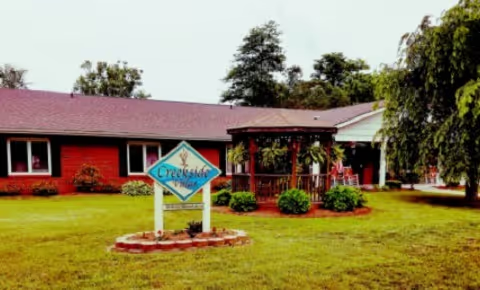
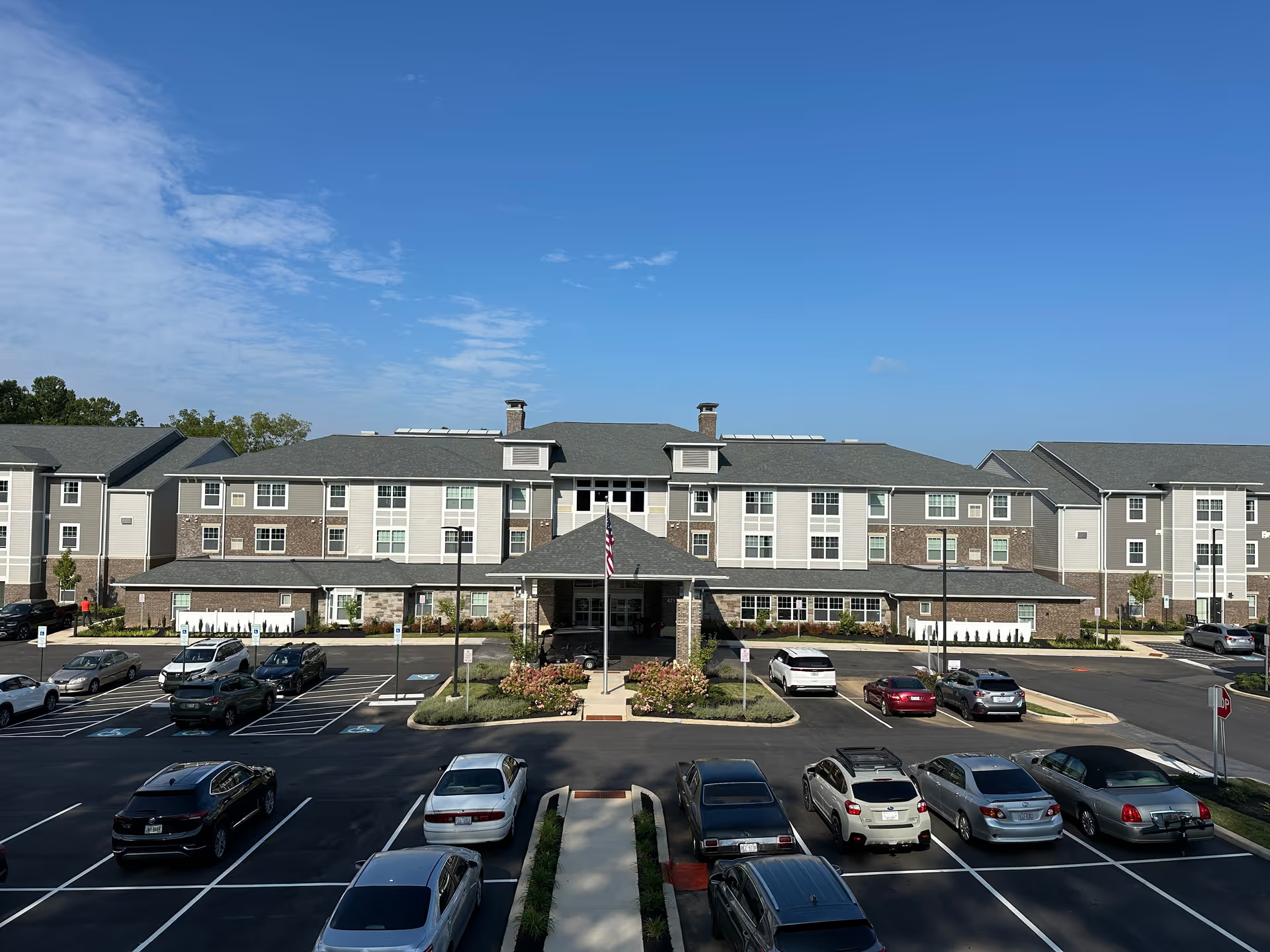
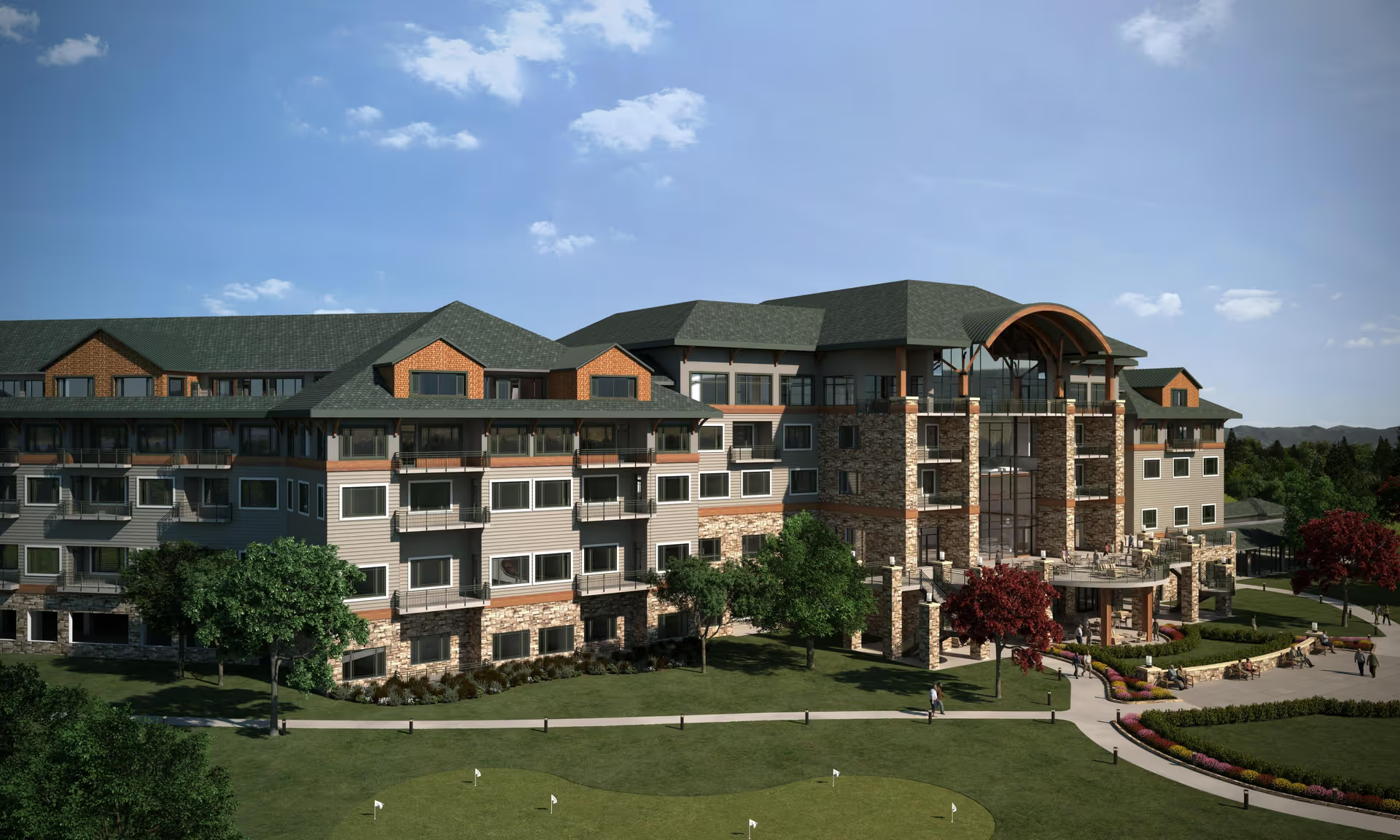
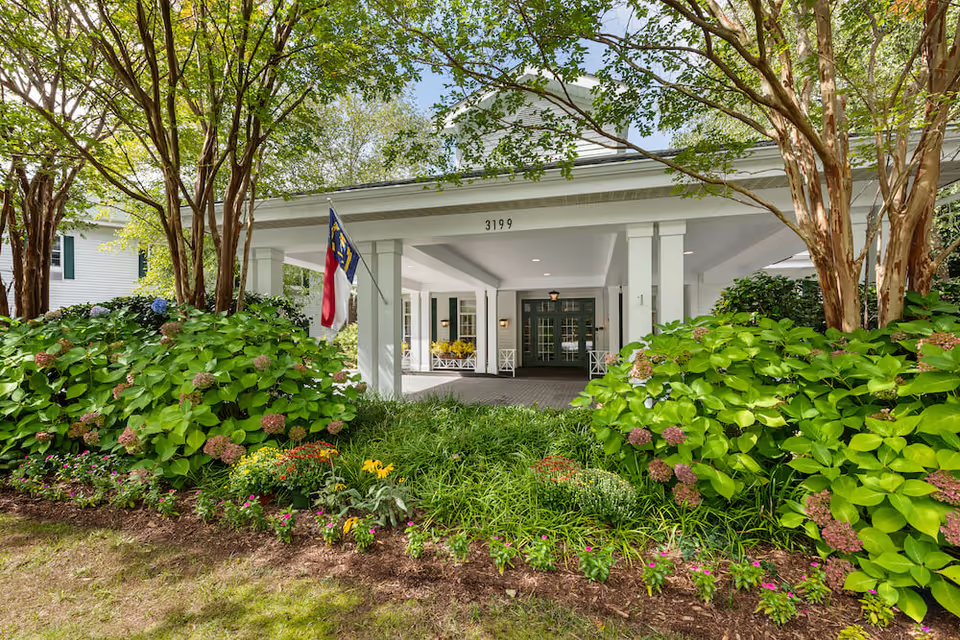
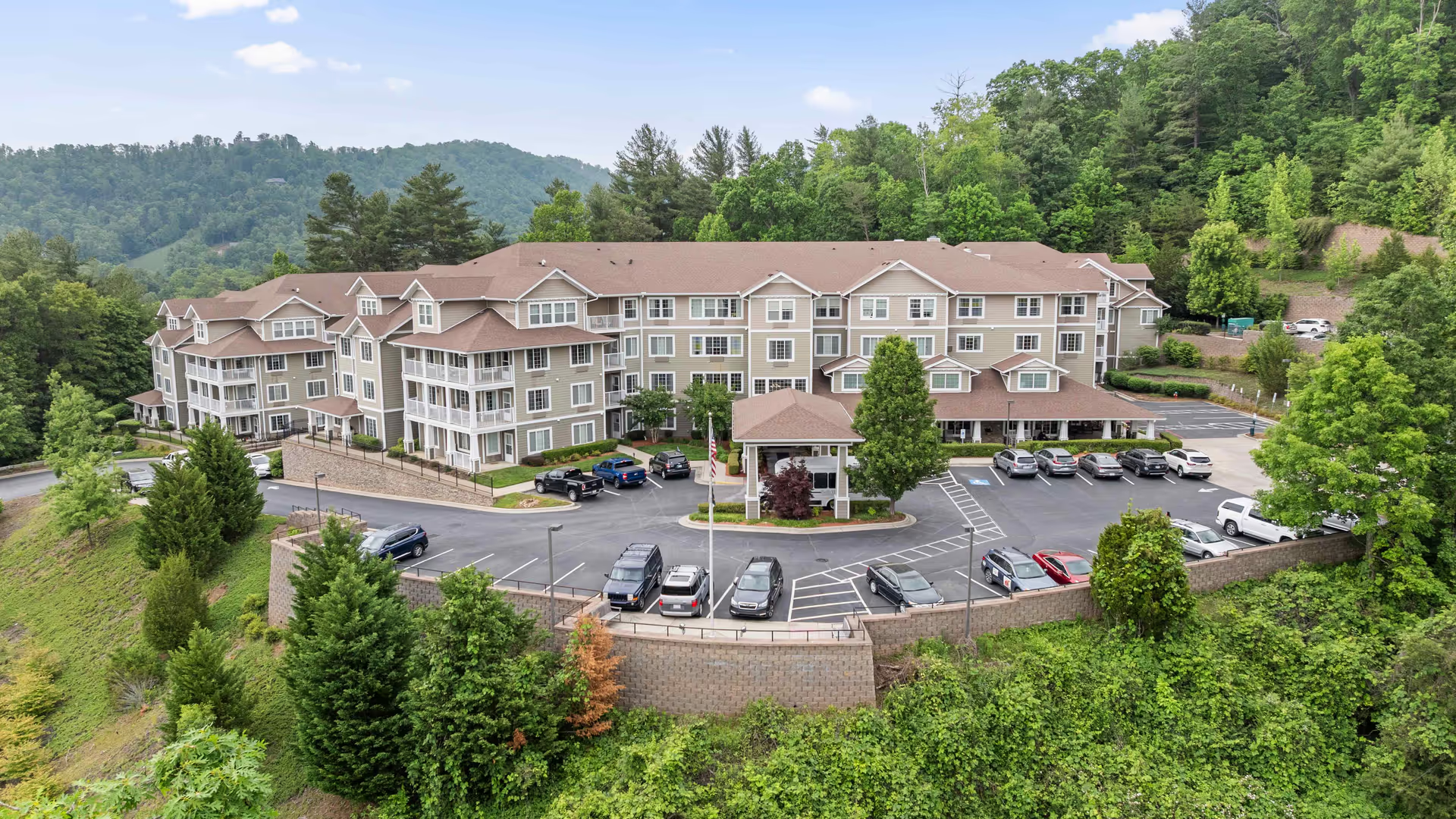
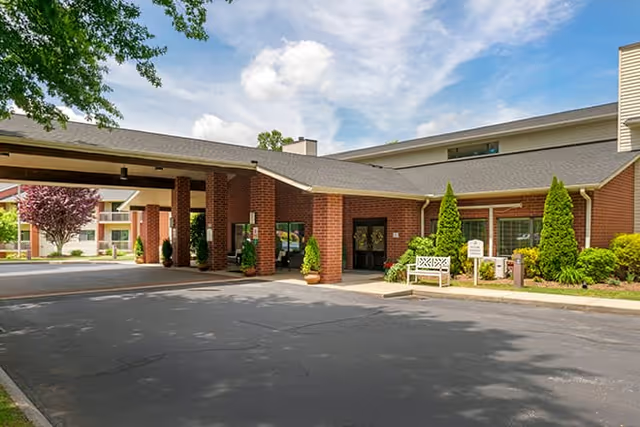
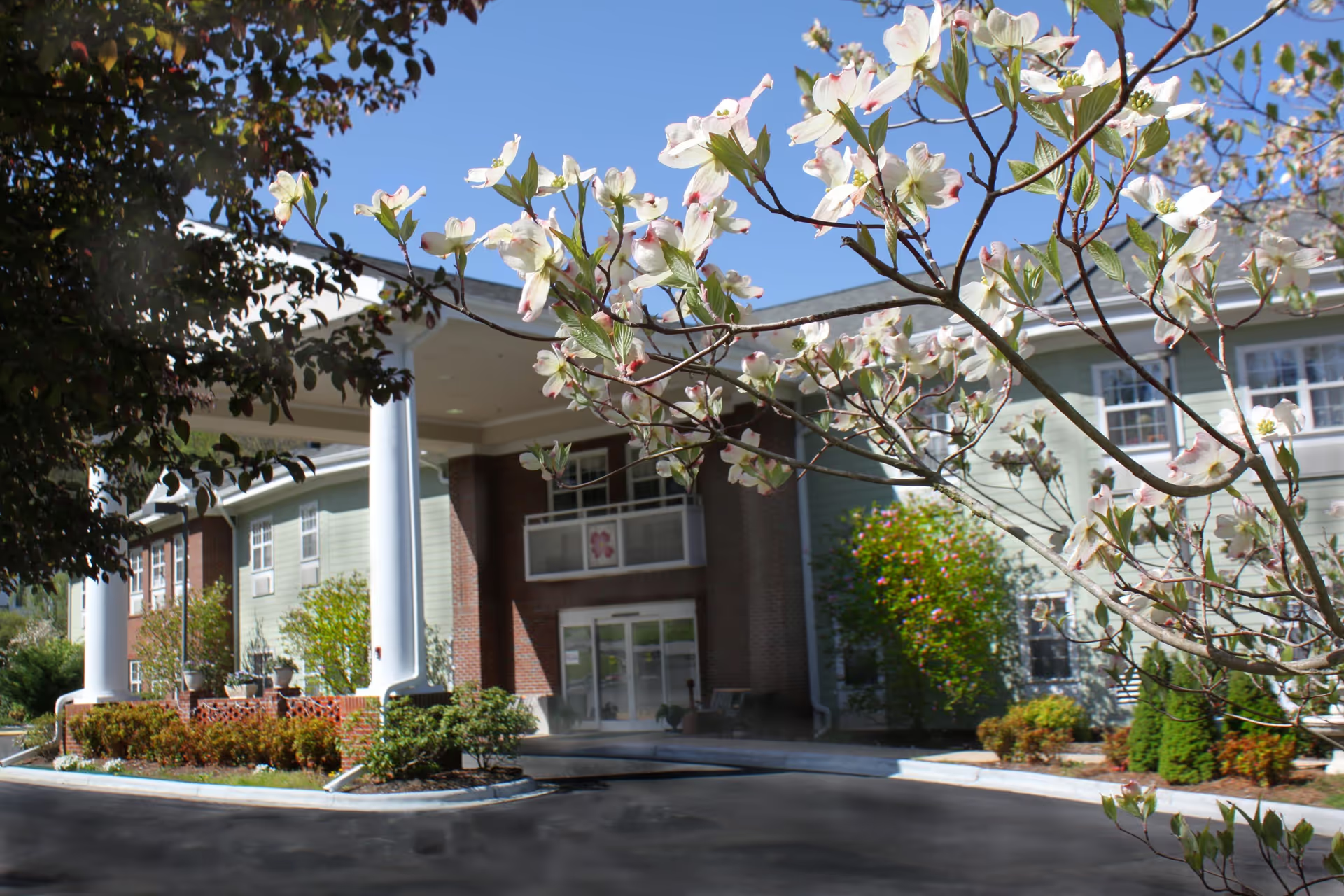
The reviews describe a facility with clear strengths and persistent operational variability. Many family members and visitors praised the interpersonal aspects of care: caregivers are frequently described as warm, compassionate, and hardworking, and some staff and leadership figures drew particular positive mention. The building and common areas are often noted as clean and recently renovated, with a small, home-like environment and a welcoming resident community. For residents who are more mobile and require lower levels of assistance, reviewers described meaningful socialization and a generally positive day-to-day experience.
However, a consistent pattern of inconsistency emerges around clinical operations and management. Staffing levels appear uneven across shifts, with several accounts indicating evening and overnight coverage is especially thin; this correlates with reports of delayed responses to call bells and difficulties reaching the facility by phone. Reviewers described gaps in caregiver training related to transfers and mobility assistance, and concerns about medication administration reliability. Those operational weaknesses suggest the facility may struggle to support residents with higher-acuity needs or significant cognitive impairment.
Sanitation and room-level care were mixed: while common areas and renovated sections received favorable comments, there are specific reports of sanitation and incontinence-care concerns in individual rooms and of inconsistent room cleaning. Policy enforcement is another recurring theme — examples include vaping or similar rule violations in common areas — which reviewers connected to broader questions about supervision and resident safety.
Management and communication issues are notable. Several families described limited responsiveness from administrative and clinical leadership when safety or quality-of-care questions were raised, and there are statements alleging mishandling of resident property and unresolved complaints. Financial and placement decisions raised concerns for some relatives, who perceived occupancy or revenue priorities affecting care decisions or eviction practices. The phone system and admissions communications were also identified as barriers to timely family contact.
Dining received little consistent commentary in the available summaries; prospective families should observe mealtimes directly. Activity programming appears to provide benefit for more independent residents but may be less effective for residents with greater care needs or memory impairment — reviewers recommended confirming activity engagement appropriate to a prospective resident’s mobility and cognitive status.
Recommendations for prospective residents and families: verify staffing ratios by shift and inquire about transfer and transfer-safety training; ask for written medication-administration and incident-communication protocols; request a tour of both renovated and typical rooms and observe mealtime and activity periods; review policies on property protection, grievances, and bed/placement decisions; and confirm how the facility enforces safety policies (such as smoking/vaping rules). Overall, Haywood Lodge & Retirement Centers appears to offer a positive environment for residents with lower to moderate care needs, while those needing higher-acuity care or memory support should exercise additional caution and seek concrete assurances about staffing, clinical oversight, and communication practices.