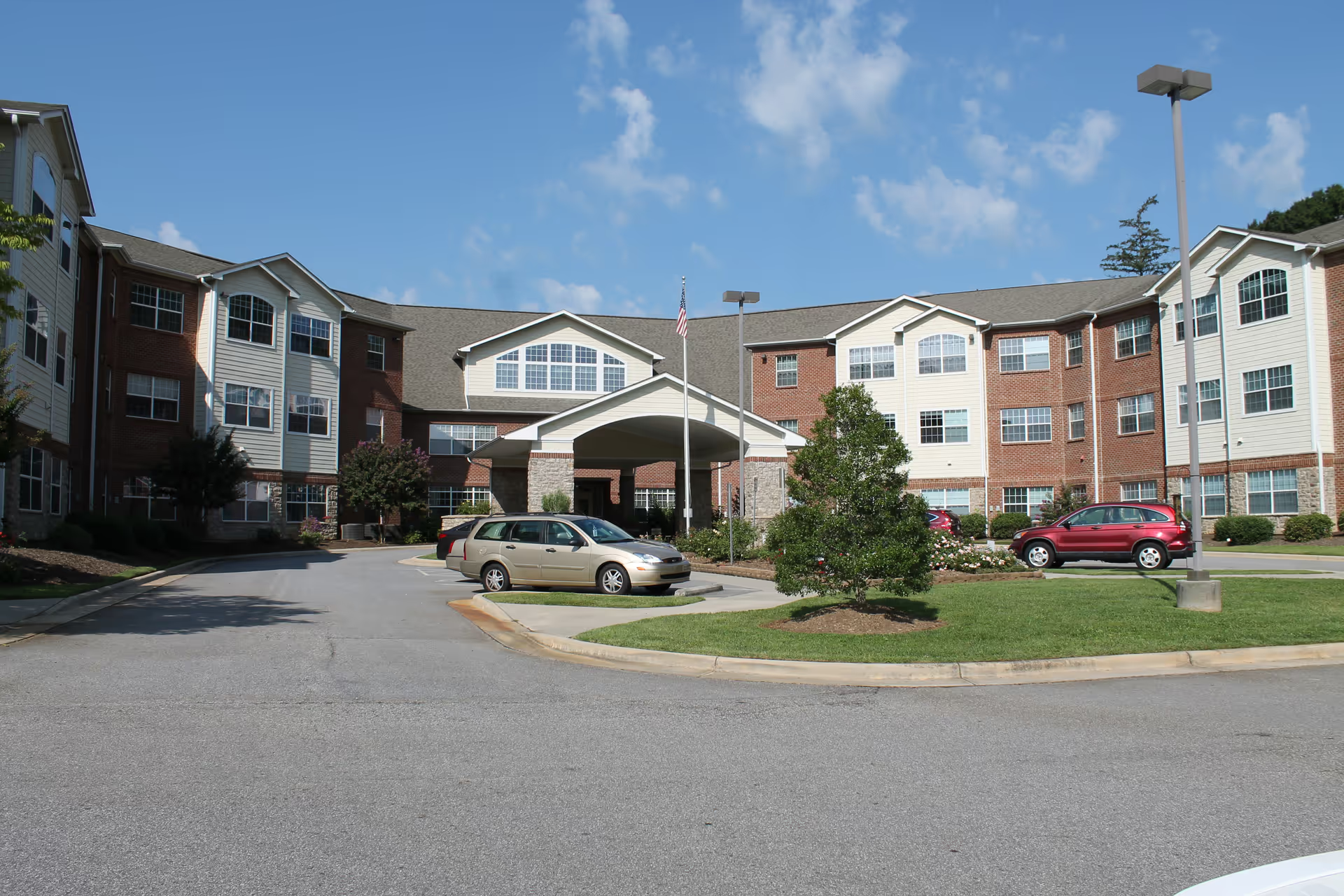
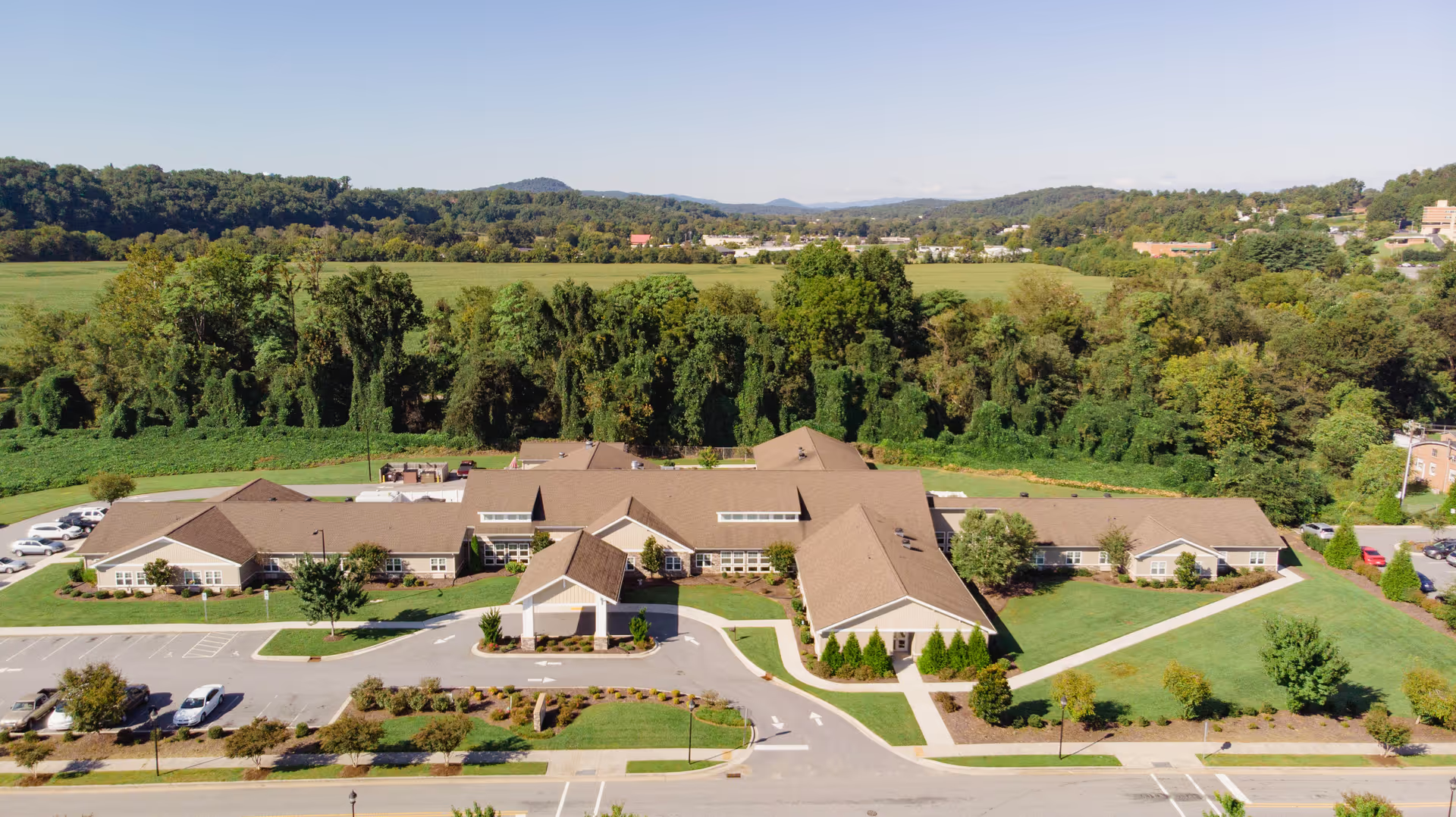
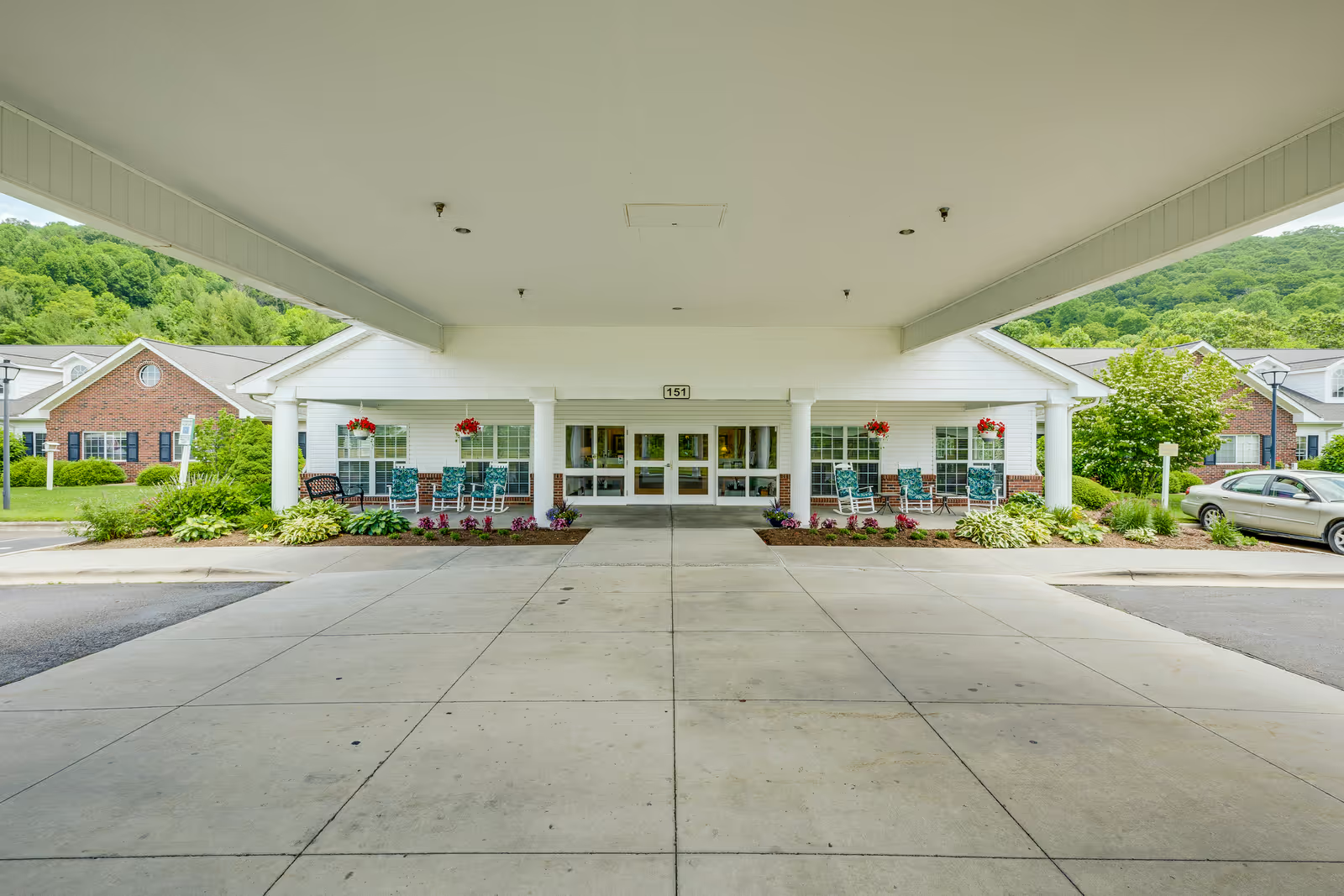
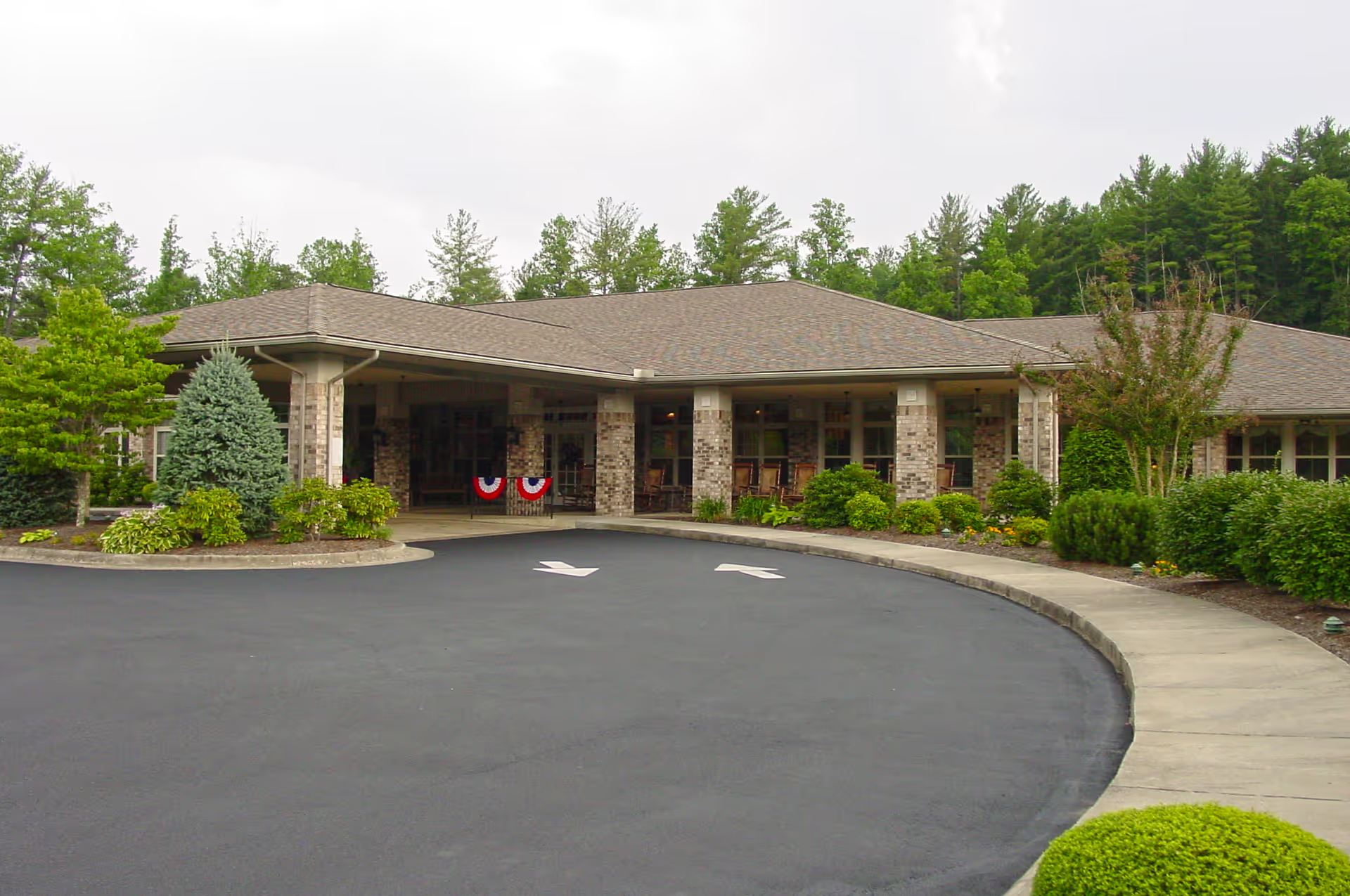
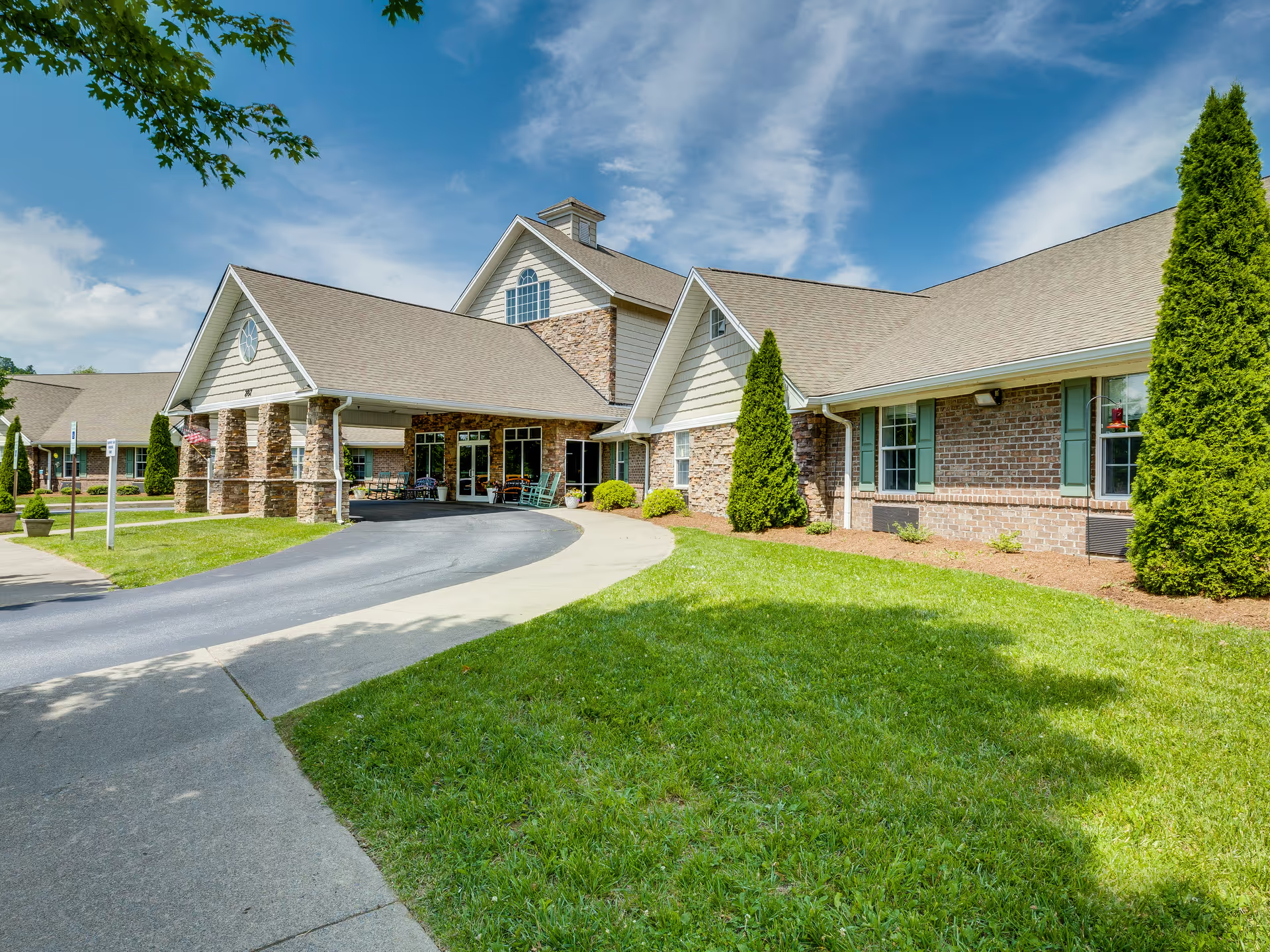
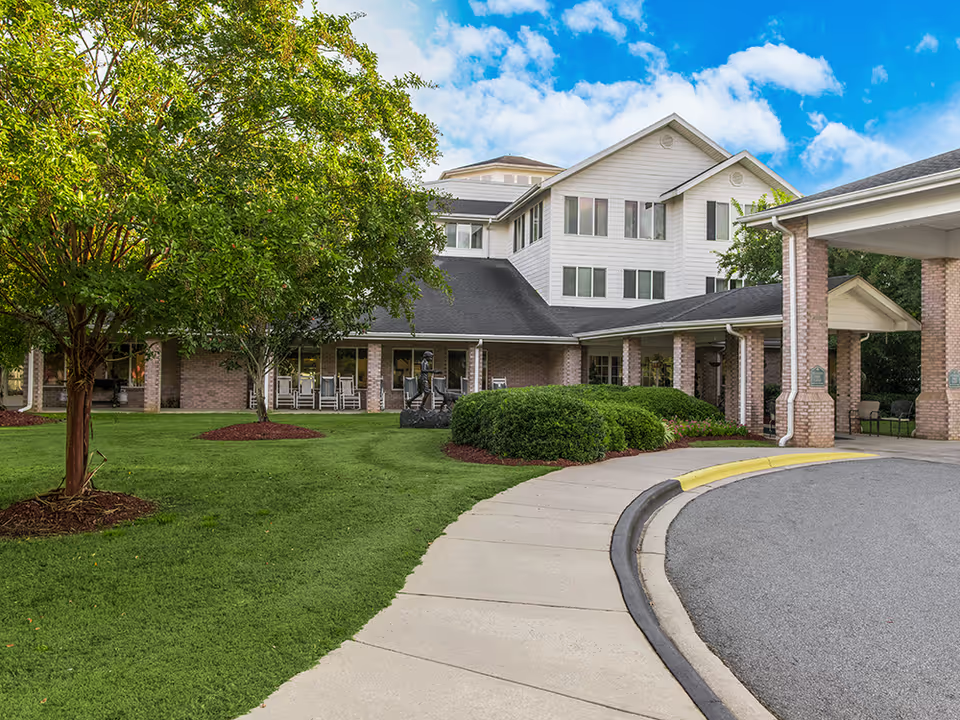
Ridge Valley Center for Nursing and Rehabilitation elicits a polarized set of impressions. Many families and short-term rehab patients describe consistently positive experiences: staff—particularly nurses, CNAs, therapists, social workers and admissions coordinators—are frequently described as compassionate, communicative and proactive. Therapy services (OT/PT and speech) receive repeated praise for producing measurable functional improvement, and the activities program is noted as varied and engaging. Several accounts highlight effective discharge planning and hospice support, reliable transportation, responsive maintenance and a recently renovated, well-kept interior that contributes to a home-like atmosphere.
Alongside these strengths, a recurring cluster of operational concerns appears across reviews. Staffing instability is the most commonly cited issue: inconsistent staffing levels, reliance on temporary/agency personnel, and variable nursing oversight are associated with delayed assistance, slower call-button responses, and uneven personal-care routines. Reviewers describe medication-administration and documentation problems, delays in paperwork and medical-record access, and isolated but serious clinical events such as aspiration episodes, transfers to higher levels of care, and skin-integrity (pressure injury) concerns. There are also accounts indicating sanitation and pest-control concerns in some areas, as well as communication gaps related to belongings and discharge-planning expectations. A small number of accounts raise allegations of improper medication handling and restricted record access; these are serious themes that families should explore directly with facility leadership and regulators if needed.
For prospective residents and families, the pattern suggests a facility with strong clinical and rehabilitative capabilities and a staff culture that can be highly supportive, particularly in short-term rehab contexts. At the same time, operational variability — especially around staffing, responsiveness to call lights, medication practices, and consistent personal care — poses potential safety and quality risks for residents with higher nursing needs. When evaluating Ridge Valley, consider asking about current staffing ratios, use of agency staff, call-response metrics, medication-safety protocols, cleaning and pest-control logs, recent inspection or survey results, and processes for discharge planning and medical-record access. A targeted visit that observes mealtimes, activities, room cleanliness, and staff–resident interactions at different times of day will help families weigh the facility’s rehabilitative strengths against the operational issues some reviewers describe.