The reviews present a mixed but clearly patterned picture. Many families emphasize strong, compassionate caregiving, effective therapy services, and a clean, comfortable physical environment. At the same time, a smaller number of accounts describe serious clinical and safety concerns; taken together, the feedback suggests that the facility delivers high-quality interpersonal care in many cases but may have operational gaps that affect clinical reliability and safety.
Care and staff: Strengths are concentrated in direct caregiving and therapy. Reviewers frequently describe staff as caring, attentive, hardworking, and communicative with families, with specific praise for therapy teams and experience in end-of-life care. Several long-term families reported consistent, reliable service over years. Counterbalancing this, other reviewers described inconsistent staff attentiveness, delays in responding to resident needs, and situations indicating weak supervision or unclear care direction—particularly among CNAs. These comments point to variability in day-to-day care consistency, rather than a uniform standard across the facility.
Dining and activities: Opinions about dining are mixed. Some reviewers praise the food, guest trays, and engaging activity programming; others report limited menu variety, frequent pork-based options, cold or bland meals, and occasional late service. Activity and social programming were generally viewed positively, with families noting engaging offerings and opportunities for volunteers to participate.
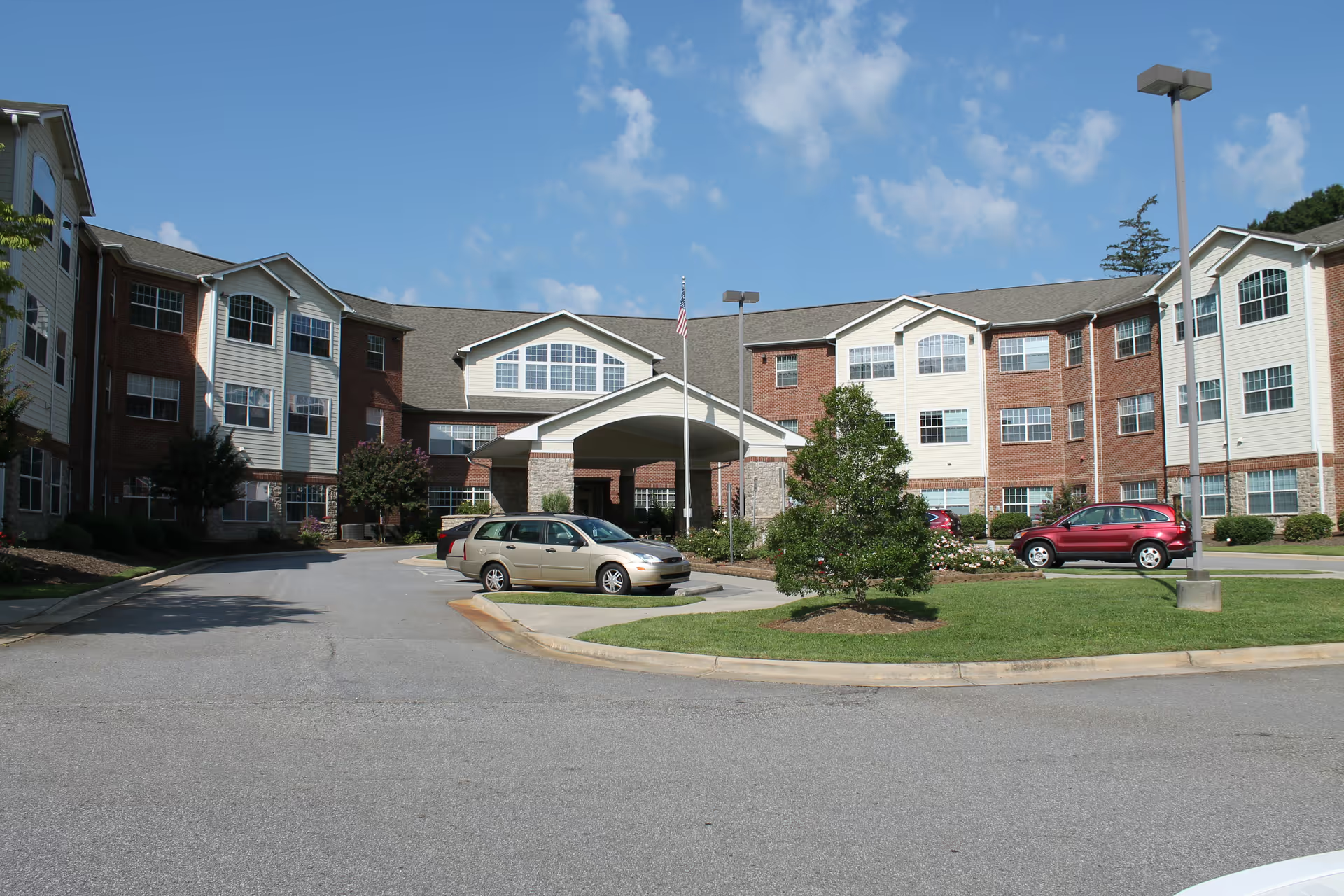
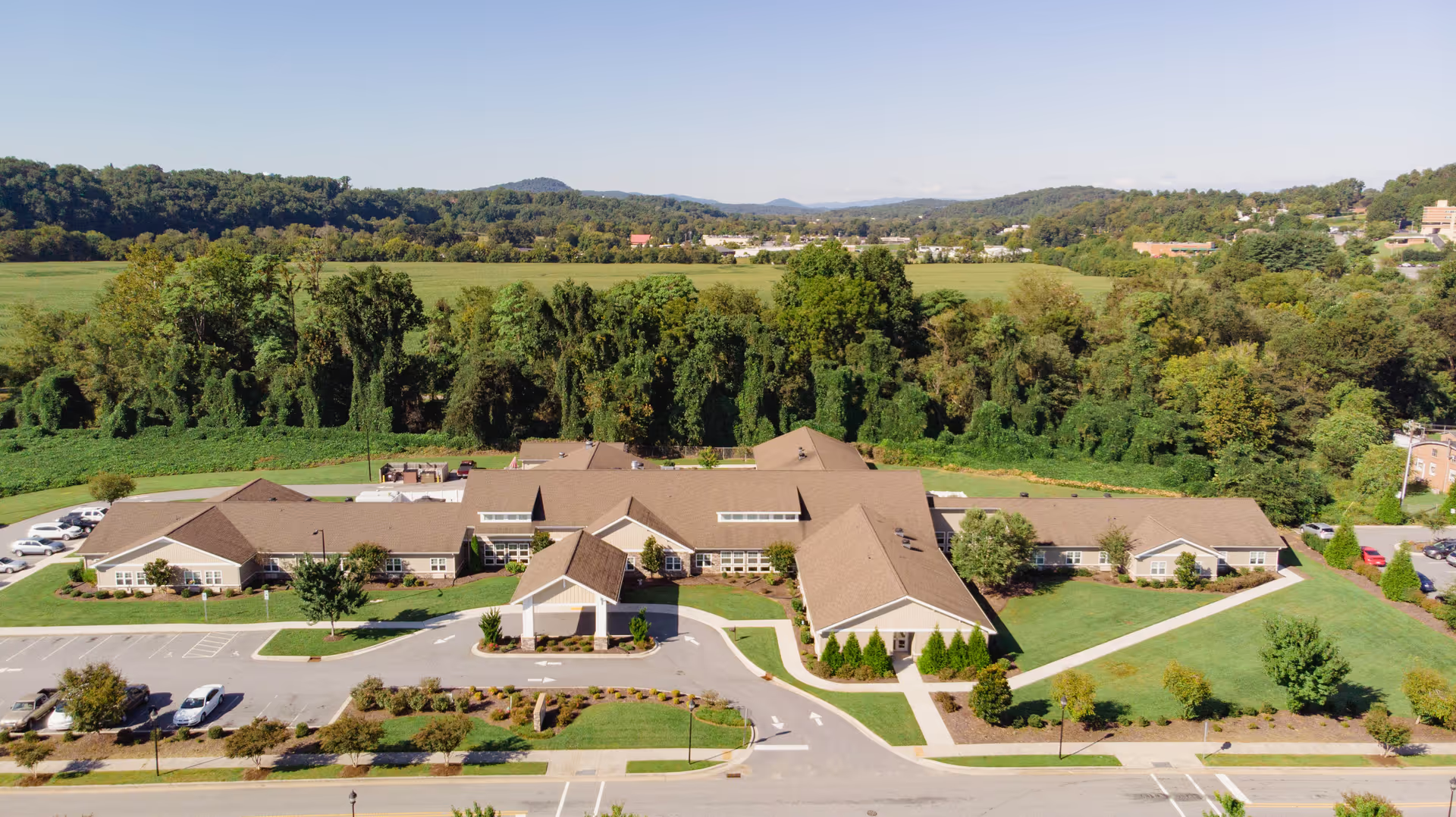
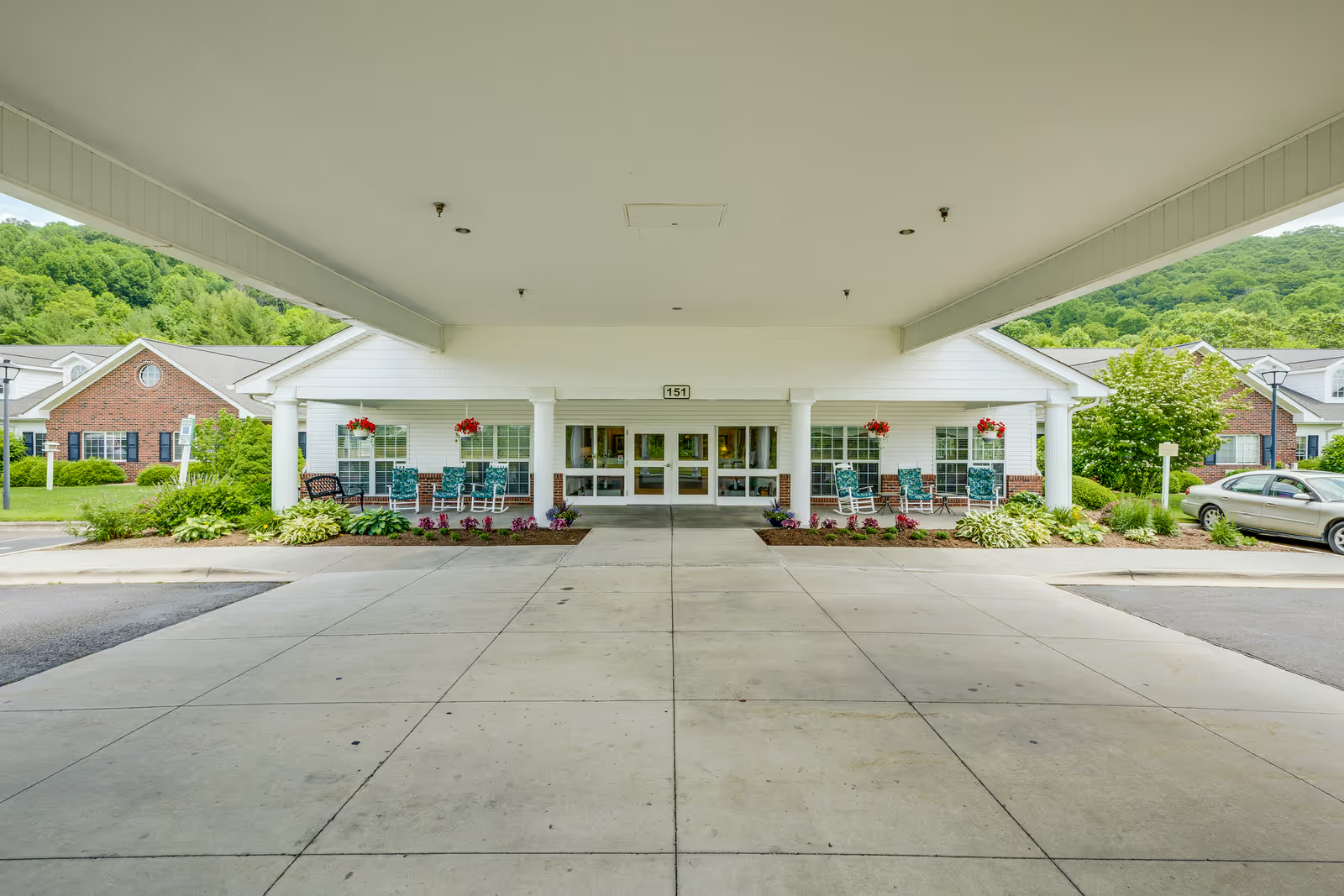
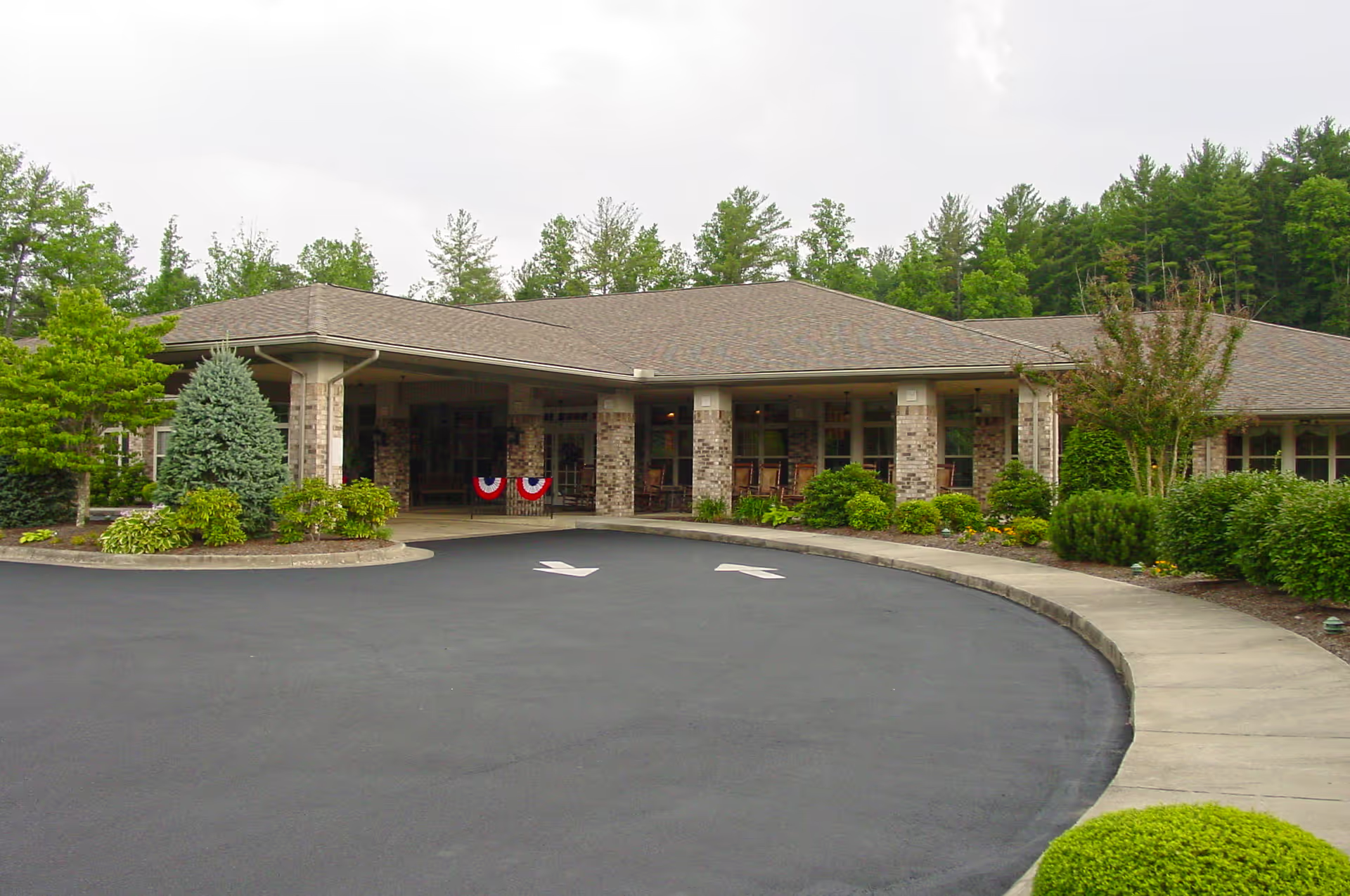
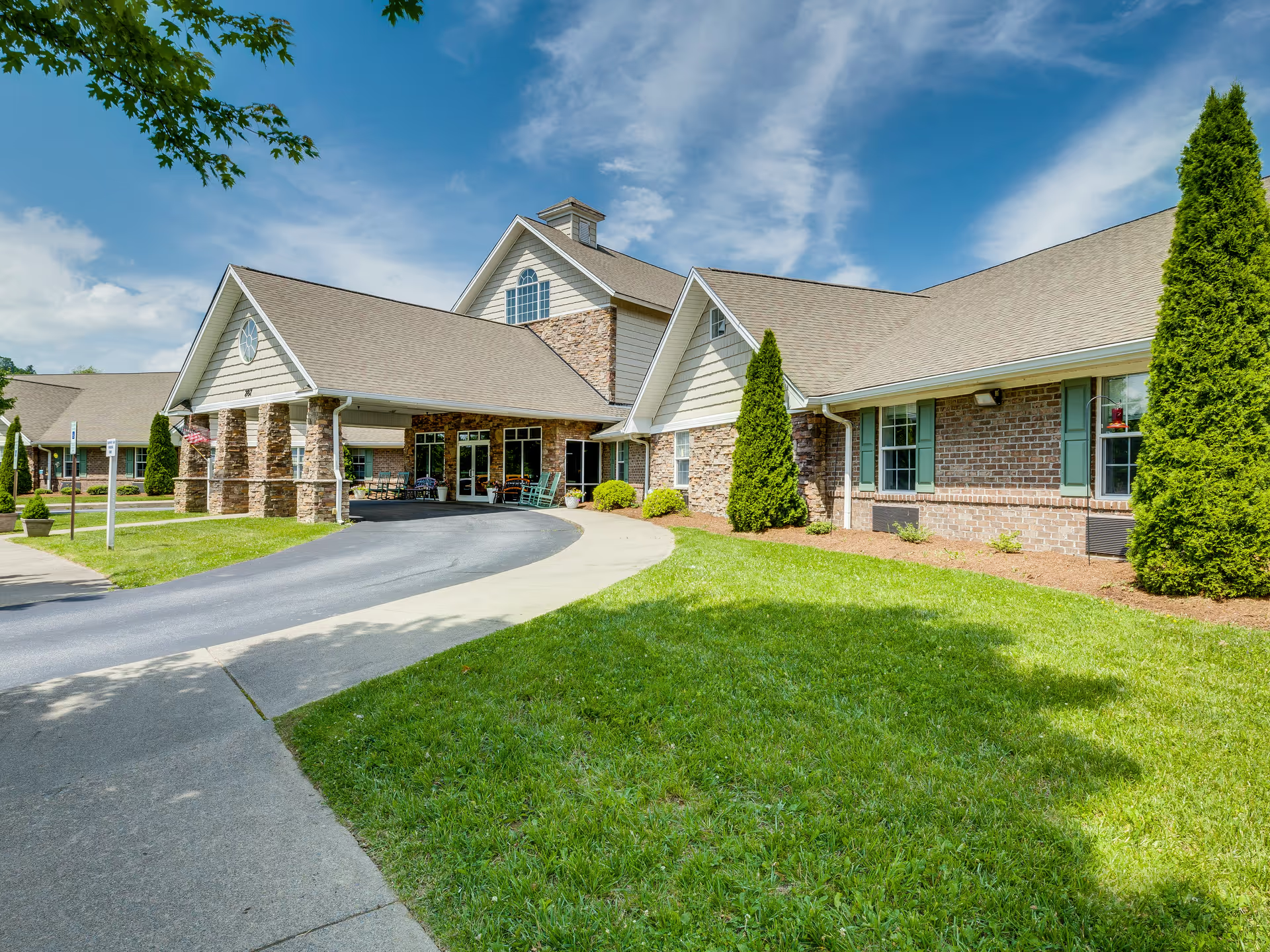
Facilities and safety: The facility's physical plant is often described as clean, well-decorated, and comfortable, with nicely maintained common areas and a secure memory-care unit. However, reviewers also raised concerns about outdated equipment in places, occasional equipment shortages, and non-standardized bed-safety provisions. More serious accounts describe clinical-safety failures (for example, medication administration and transfer safety), which—if accurate—indicate gaps in clinical oversight and transfer safety practices that warrant verification by prospective families.
Management and operational patterns: Several comments point to inconsistent management responsiveness, unclear supervisory direction, and staffing shortfalls that contribute to variable morale. There are also complaints about billing or charge practices for consumables and about supply provisioning. These operational issues appear to underlie many of the service inconsistencies described above: where staffing, supervision, or supply chains are strained, families are more likely to see delays, inconsistent food service, and lapses in safety-related practices.
Notable patterns and recommendation for families: A clear pattern emerges of strong interpersonal care from many staff members alongside operational vulnerabilities that can affect clinical reliability. Prospective residents and their families may want to verify current medication-administration protocols, staffing ratios by shift, incident-reporting practices, transfer-safety procedures, and policies around supplies and extra charges. In-person observation of mealtimes, staffing interactions, and the memory-care unit can help families assess whether the facility’s strengths align with their priorities and whether the operational concerns have been addressed.