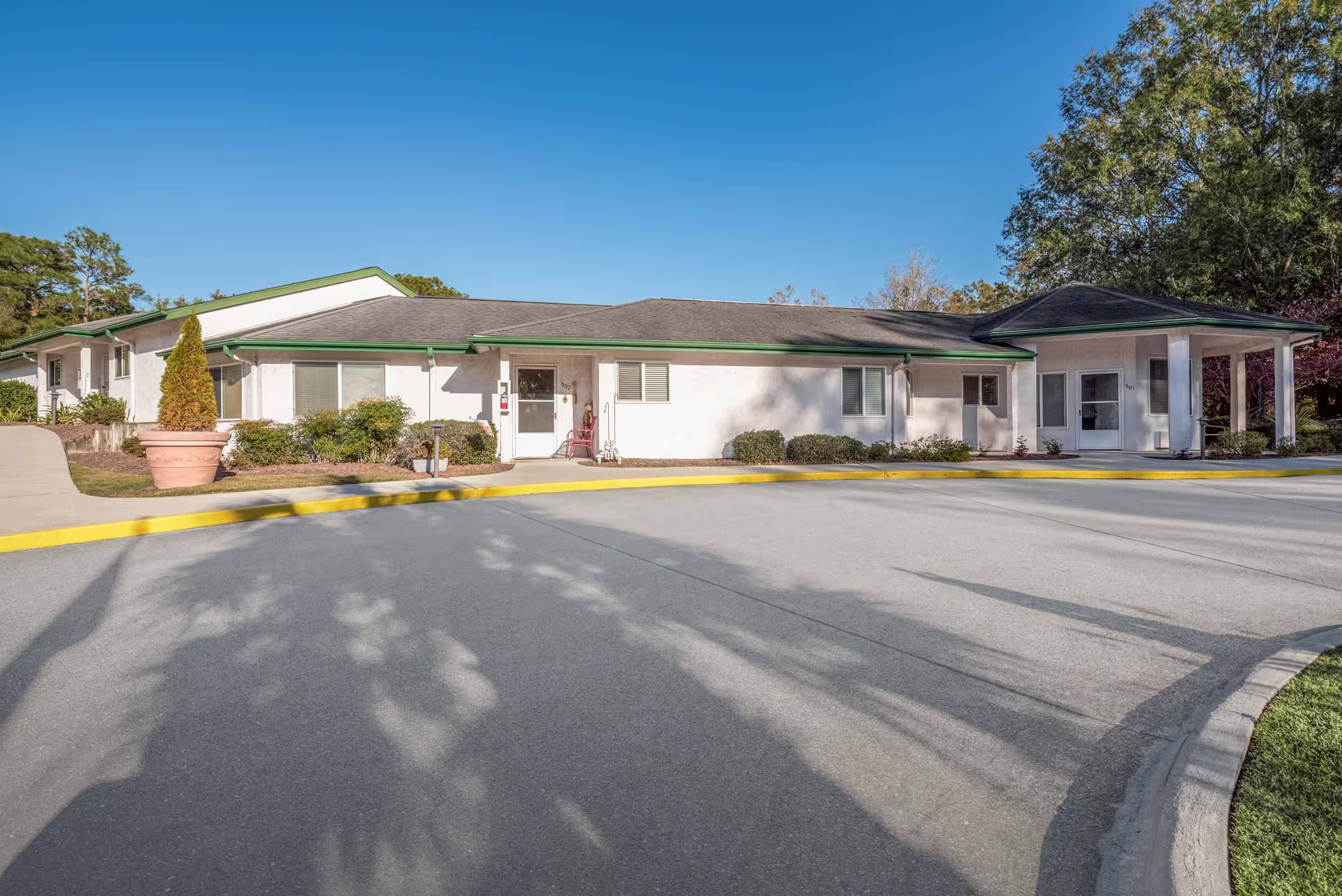
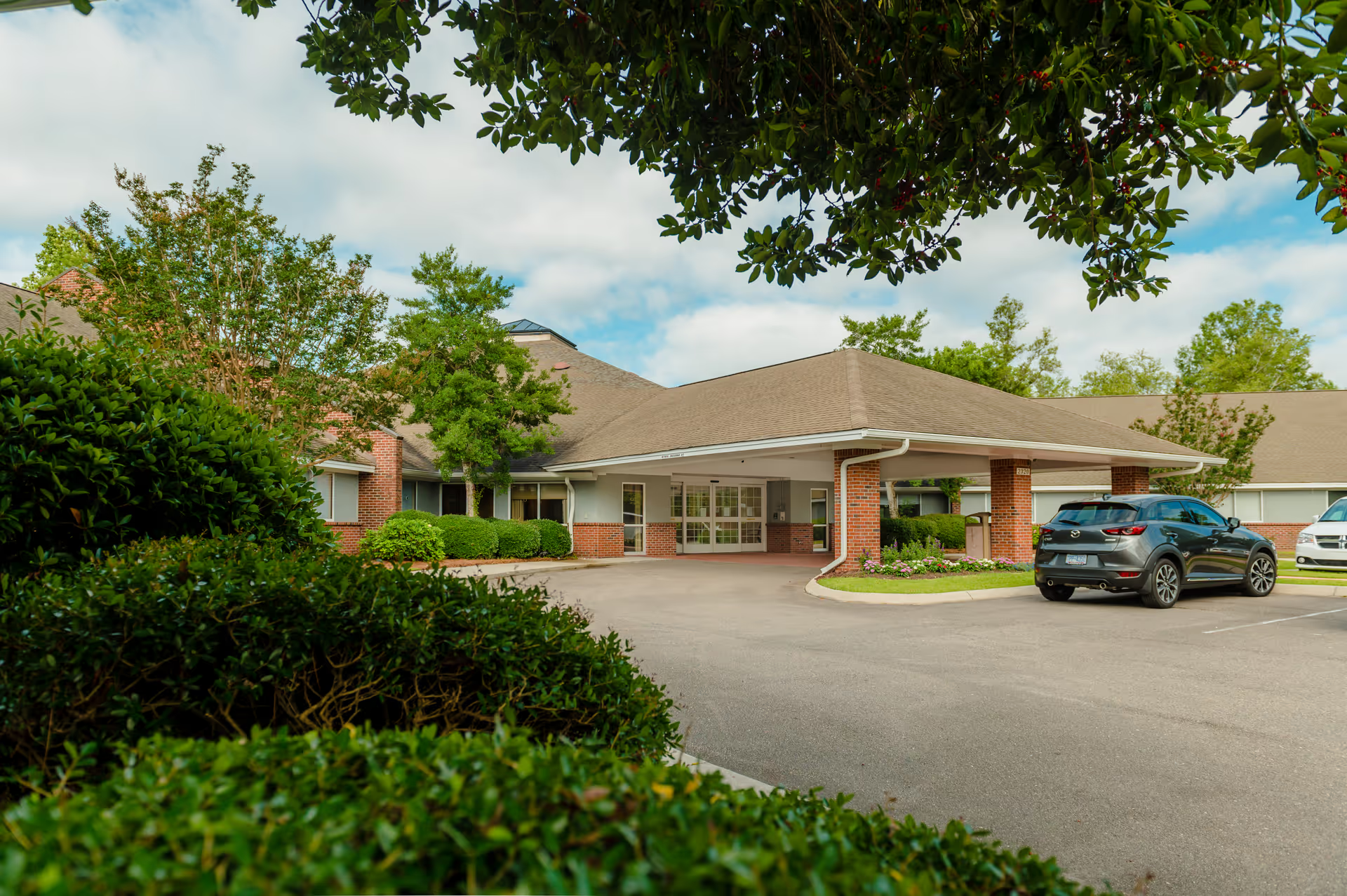
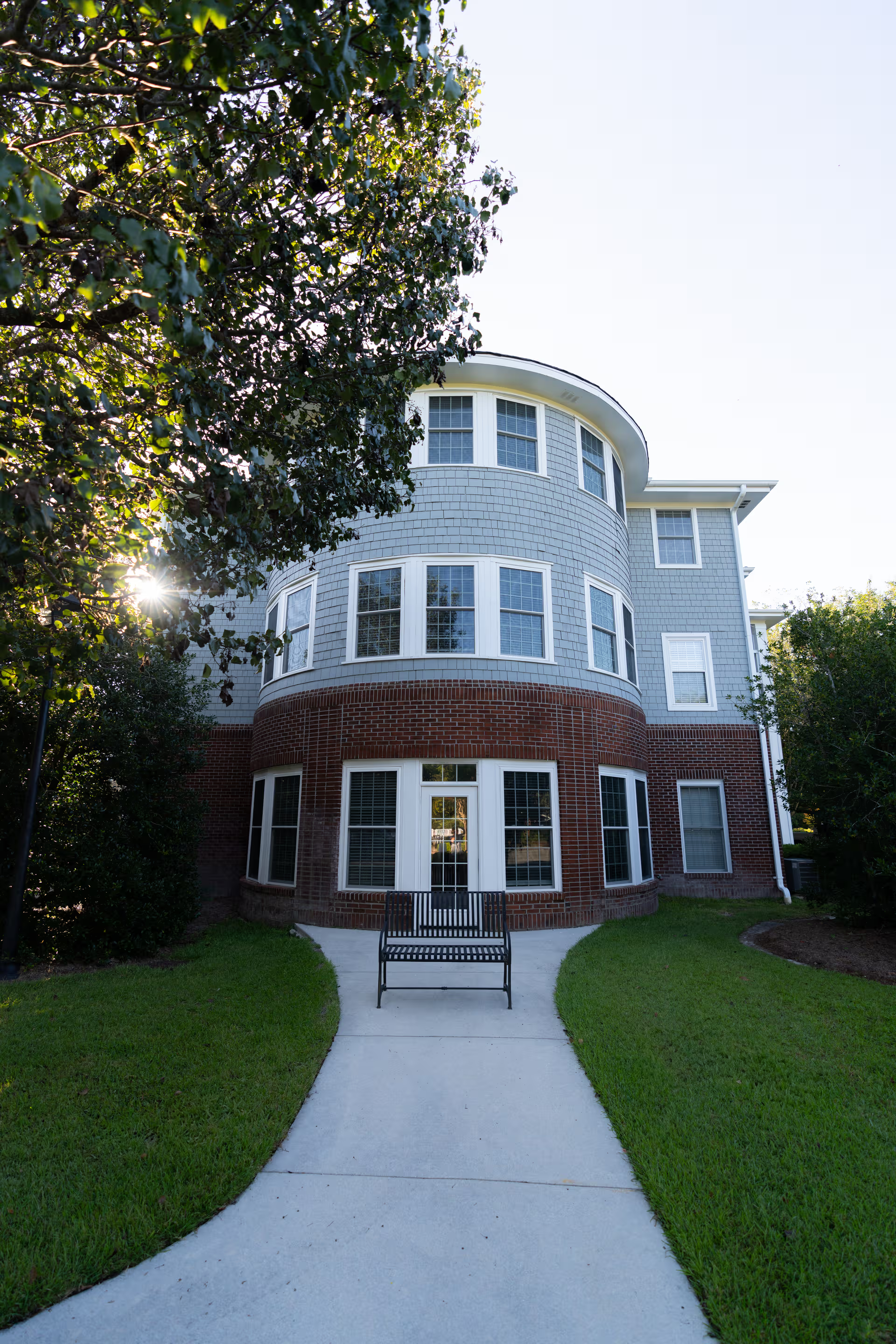
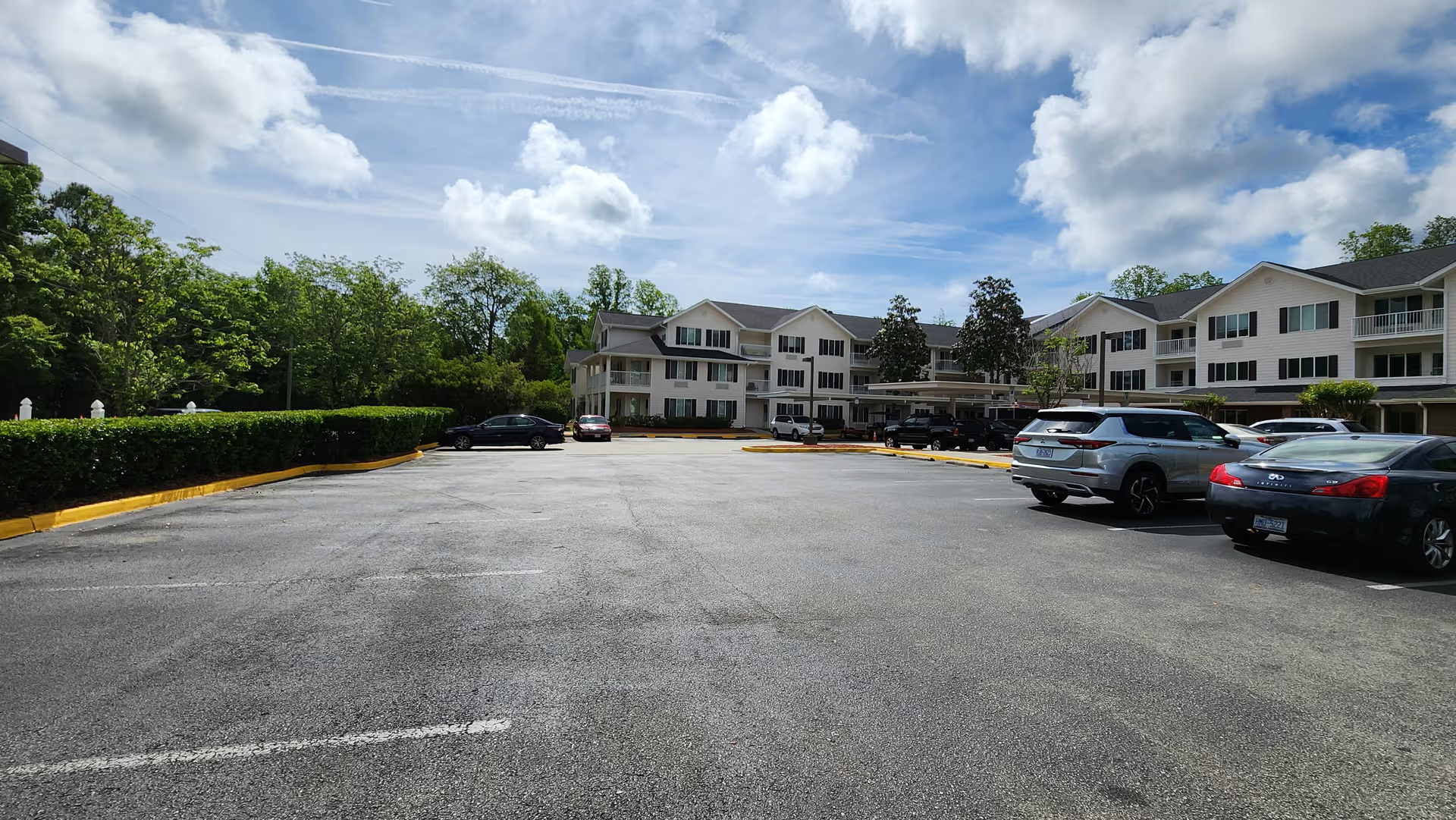
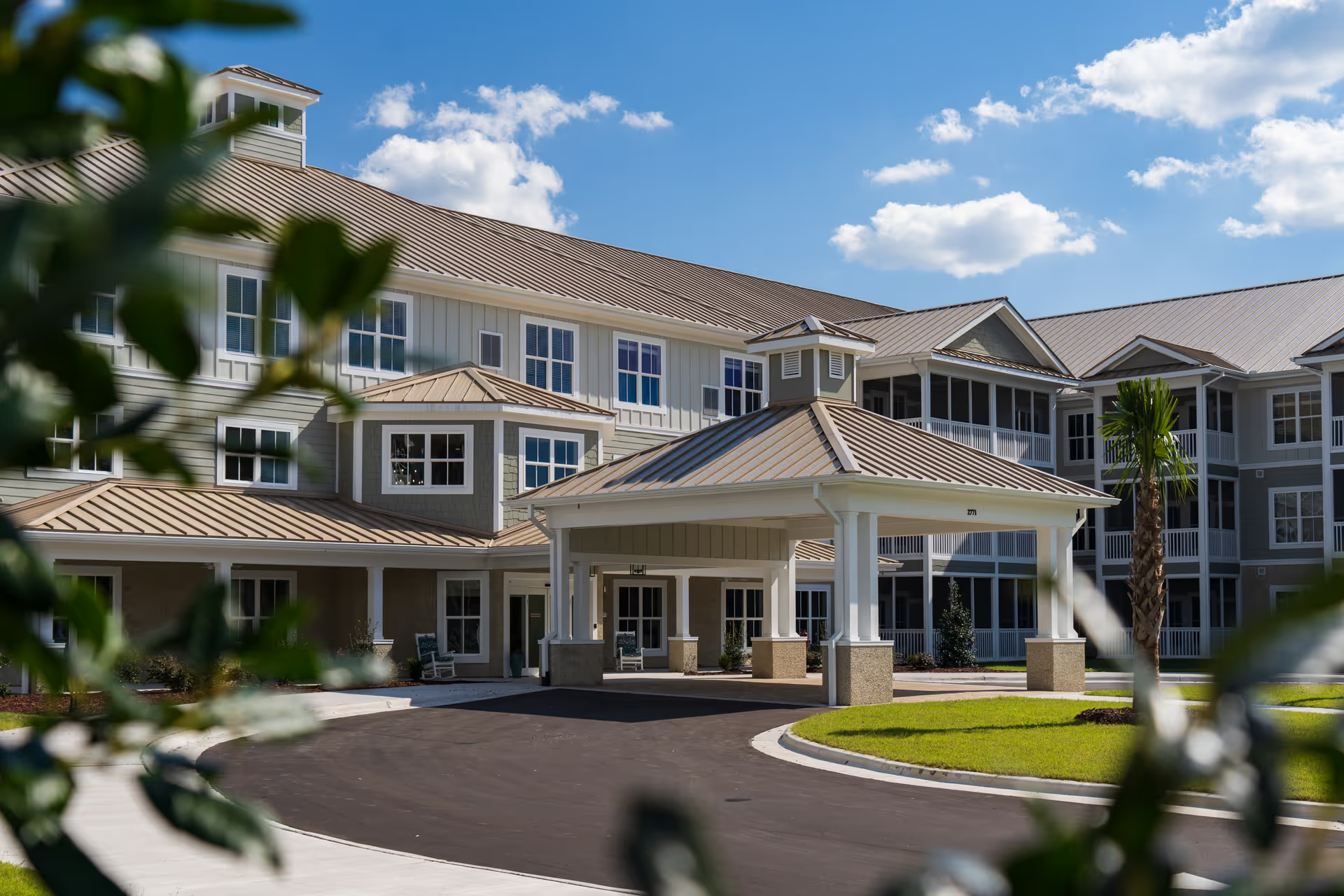
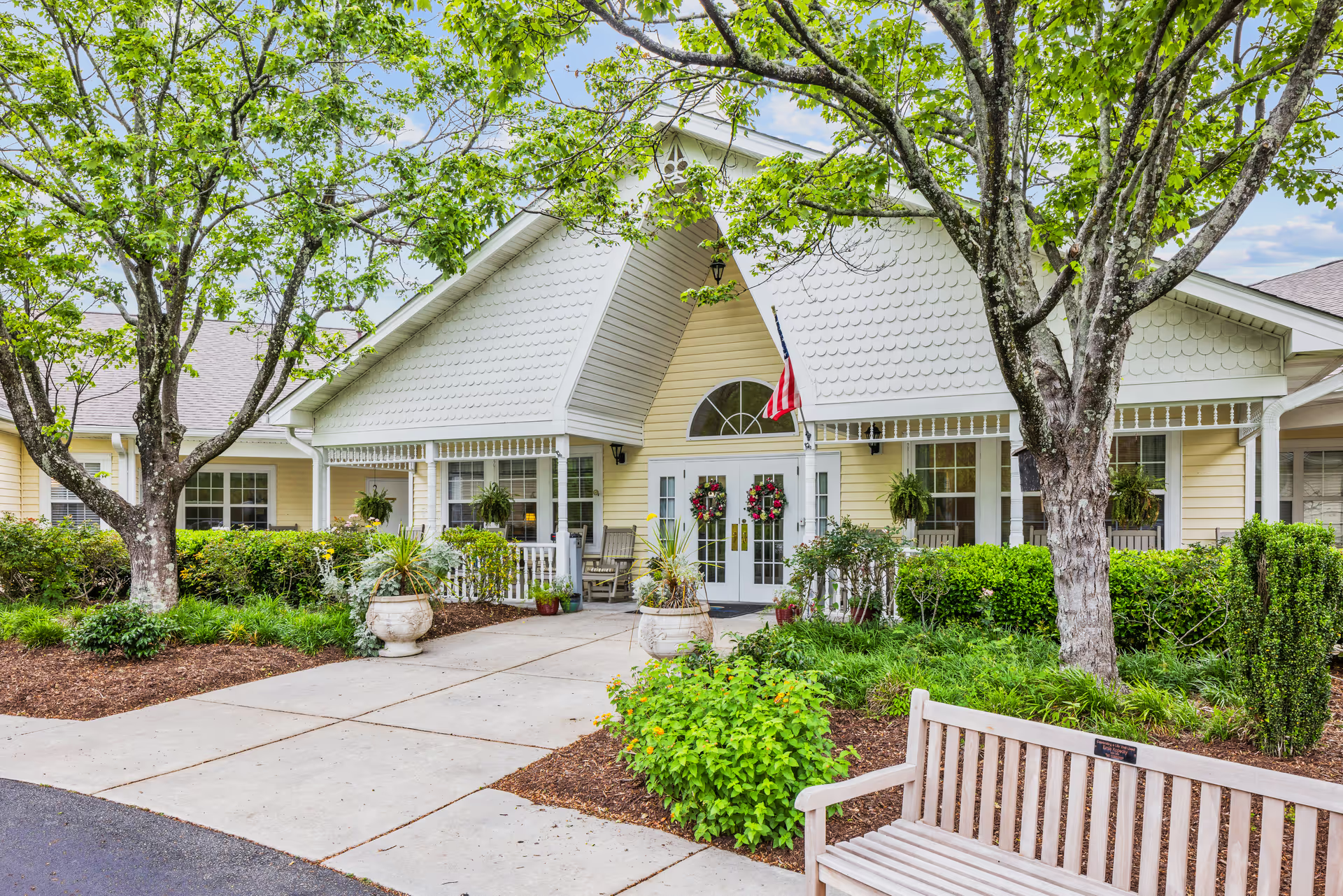
Reviewer feedback for August Healthcare at Wilmington contains a mix of strong praise for rehabilitation services and facility amenities alongside repeated operational concerns. The facility receives consistent commendation for its physical and occupational therapy programs: reviewers describe individualized therapy plans, strong equipment, and outcomes that helped residents regain mobility and return home. Many families and former residents also highlight a clean, renovated physical plant, attractive private rooms, prompt maintenance, and organized transportation and outings as clear strengths.
Care quality and safety show a divided picture. Several reviewers describe compassionate, attentive nursing and aide care when staffing is adequate; others describe delays in response to call lights and concerns about medication administration and documentation. There are recurring mentions of incontinence-care delays and other sanitation-related issues; these describe an operational pattern rather than isolated language. Serious individual claims appear in a minority of accounts, including allegations of theft and illicit staff behavior; those are discrete but severe and were raised by multiple commentators. Families should view these as distinct from the facility’s rehabilitative strengths and seek clarification during a tour and in conversations with management.
Staffing and staff conduct are central themes. Multiple reviews note an engaged, caring frontline team and positive interactions with specific staff members, social workers, and admissions personnel. At the same time, reviewers frequently describe workforce shortages, particularly on weekends, which correlate with slower response times, inconsistent assistance, and reduced activity offerings. Concerns about staff tone and professionalism — including delayed attention, inconsistent engagement, and occasional conduct issues — recur often enough to be a pattern-level consideration.
Dining and activities receive mixed feedback. Many families praise warm meals and accommodating dietary staff; others cite inconsistent meal temperature, limited special-diet accommodations (for salt or texture restrictions), and intermittent shortages of common items. Activity programming and social offerings are appreciated in some accounts — bingo, outings, and therapy-based group activities are noted — but several reviewers characterize the programming as limited or not sufficiently tailored to male residents or individuals with specific functional limitations.
Management, communication, and admissions are variable. Some families remark on improved operations following management changes, with receptive administrators and engaged social workers. Others describe difficulties reaching staff by phone, limited nursing participation in care-plan meetings, and uneven responsiveness from admissions and leadership. These differences suggest recent operational transitions and uneven implementation across shifts or units.
Notable patterns for prospective residents and families: the facility demonstrably delivers strong rehabilitative care and has invested in its physical environment, which benefits short-term rehab stays. However, operational weaknesses — especially inconsistent staffing, delayed responsiveness, gaps in medication practices, sanitation-related concerns, and occasional security-related allegations — warrant focused questions at tour and admission. Recommended checkpoints include reviewing nurse-to-resident ratios by shift, medication-administration and documentation procedures, incontinence-care protocols, mechanisms for safeguarding personal items, weekend staffing plans, and how nursing is included in care-planning meetings. These inquiries will help align expectations with the facility’s clear strengths and the operational risks reflected in the reviews.