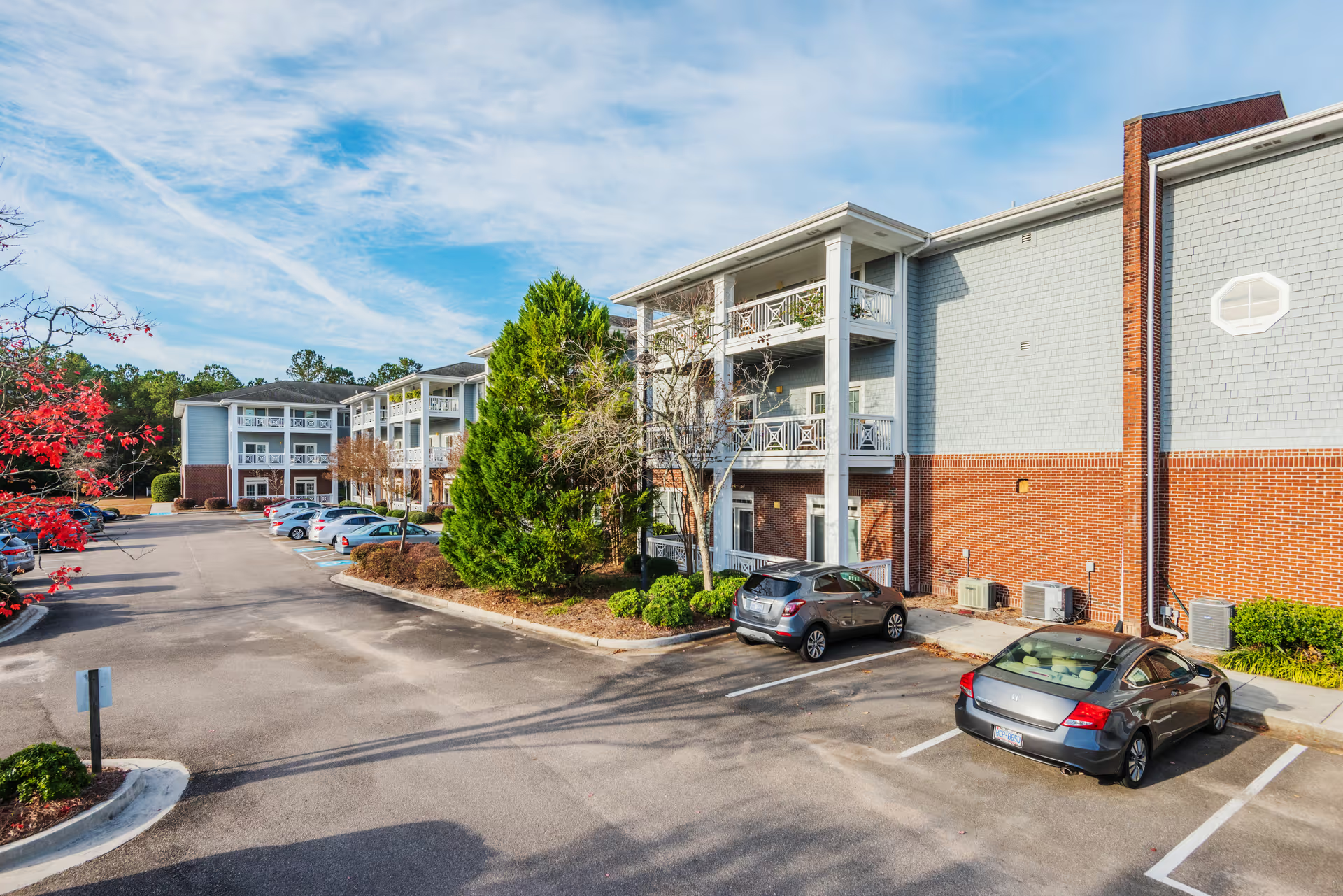
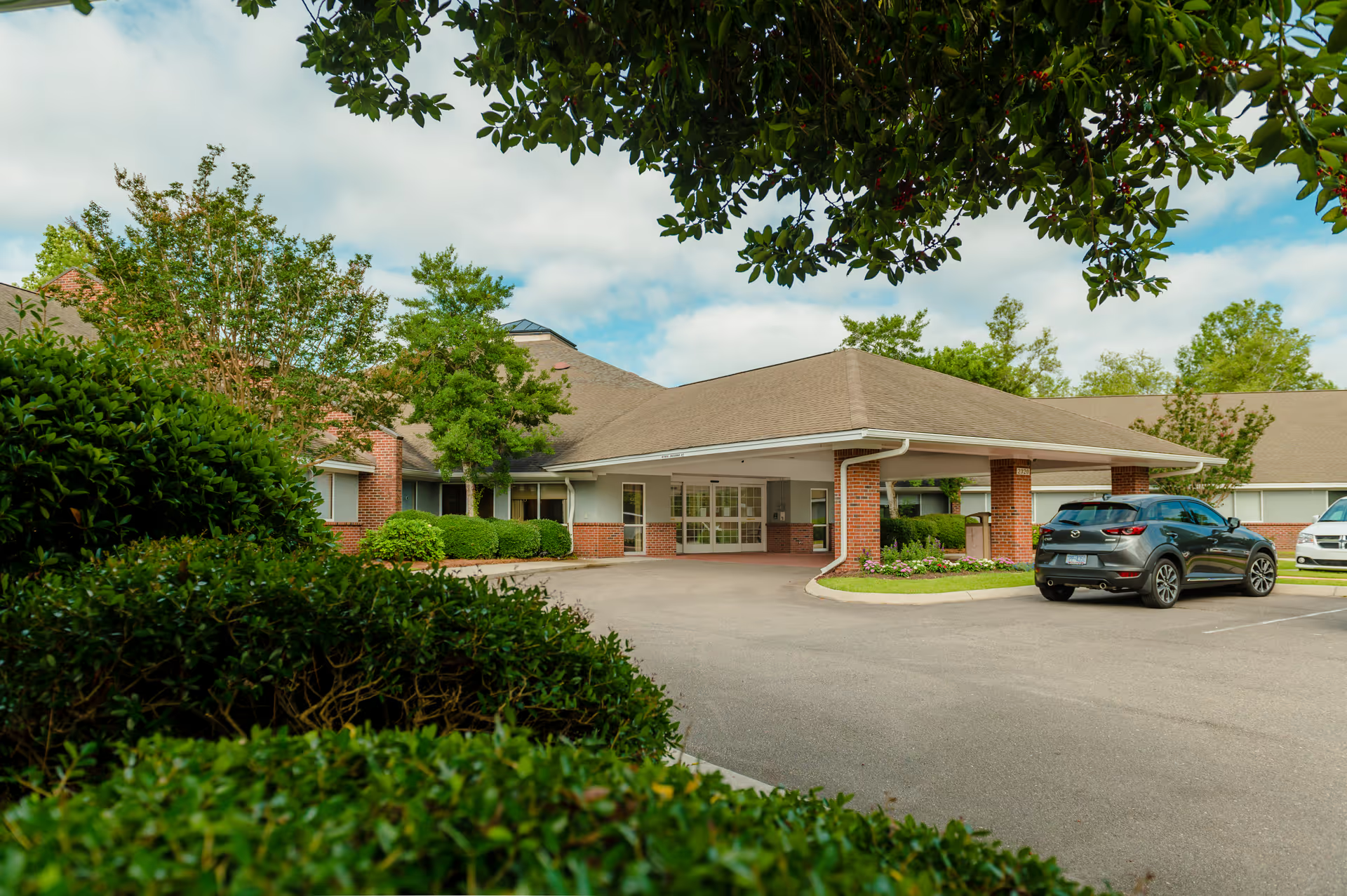
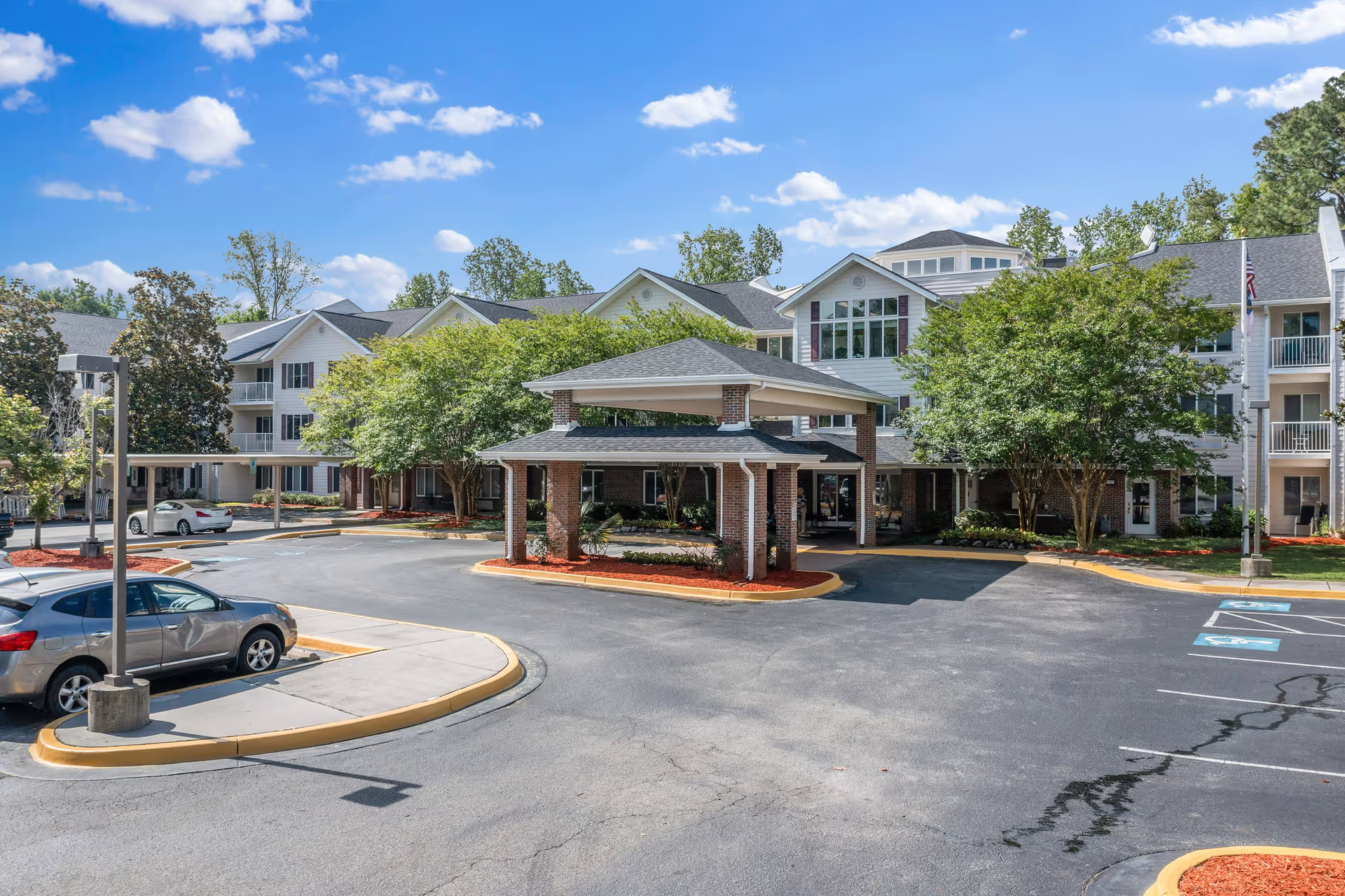
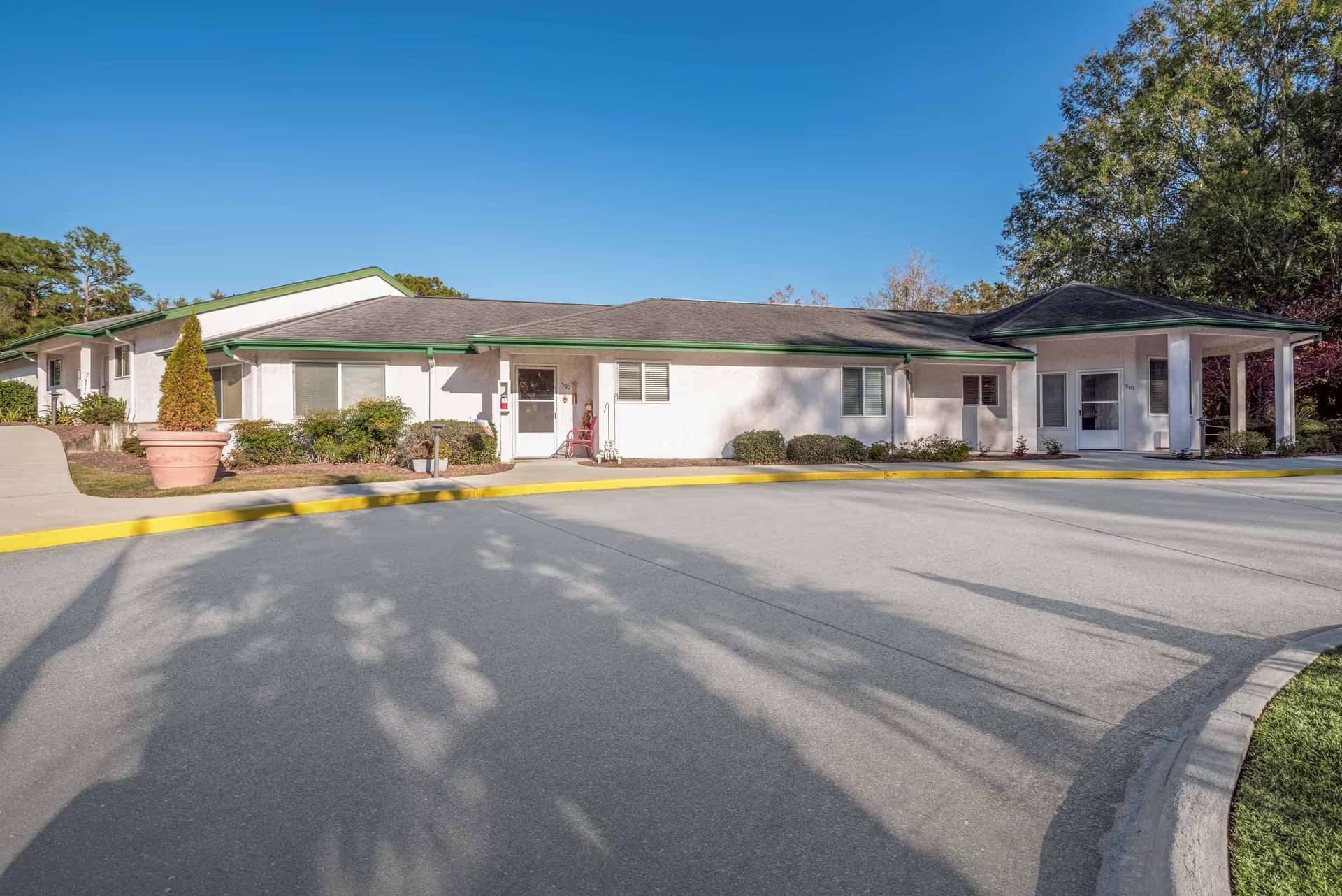
Overall impression: Families and patients frequently describe Bradley Creek Health Center at Carolina Bay at Autumn Hall as a rehabilitation- and therapy-focused center with a consistently compassionate caregiving staff. Across reviews, the facility's therapy teams and nursing staff receive strong praise for restoring function after surgery and helping residents regain independence. The center is commonly characterized as clean, attractive, and staffed by caregivers who create a home-like, family-oriented atmosphere.
Care and staff: The dominant theme is staff dedication and therapeutic competence. Reviewers routinely compliment therapists (physical, occupational, speech) for patient-centered, encouraging approaches and for measurable functional gains. Nursing and direct-care employees are described as kind, respectful, and invested in residents; families frequently note that staff learn and use resident names and provide reassuring communication. Memory-care services and skilled-nursing programming are also viewed positively, with staff described as understanding of cognitive needs and attentive to safety when protocols are followed.
Dining and activities: Activity programming is a consistent strength—organized crafts, music, games, and social events are frequently cited as enriching and well managed. Dining impressions are mixed: some families praise healthy meals and accommodating kitchen staff, while others note uneven food quality and limited vegetarian or special-diet options. Families advising future residents should ask specific questions about menu variety and special-diet accommodations during admissions.
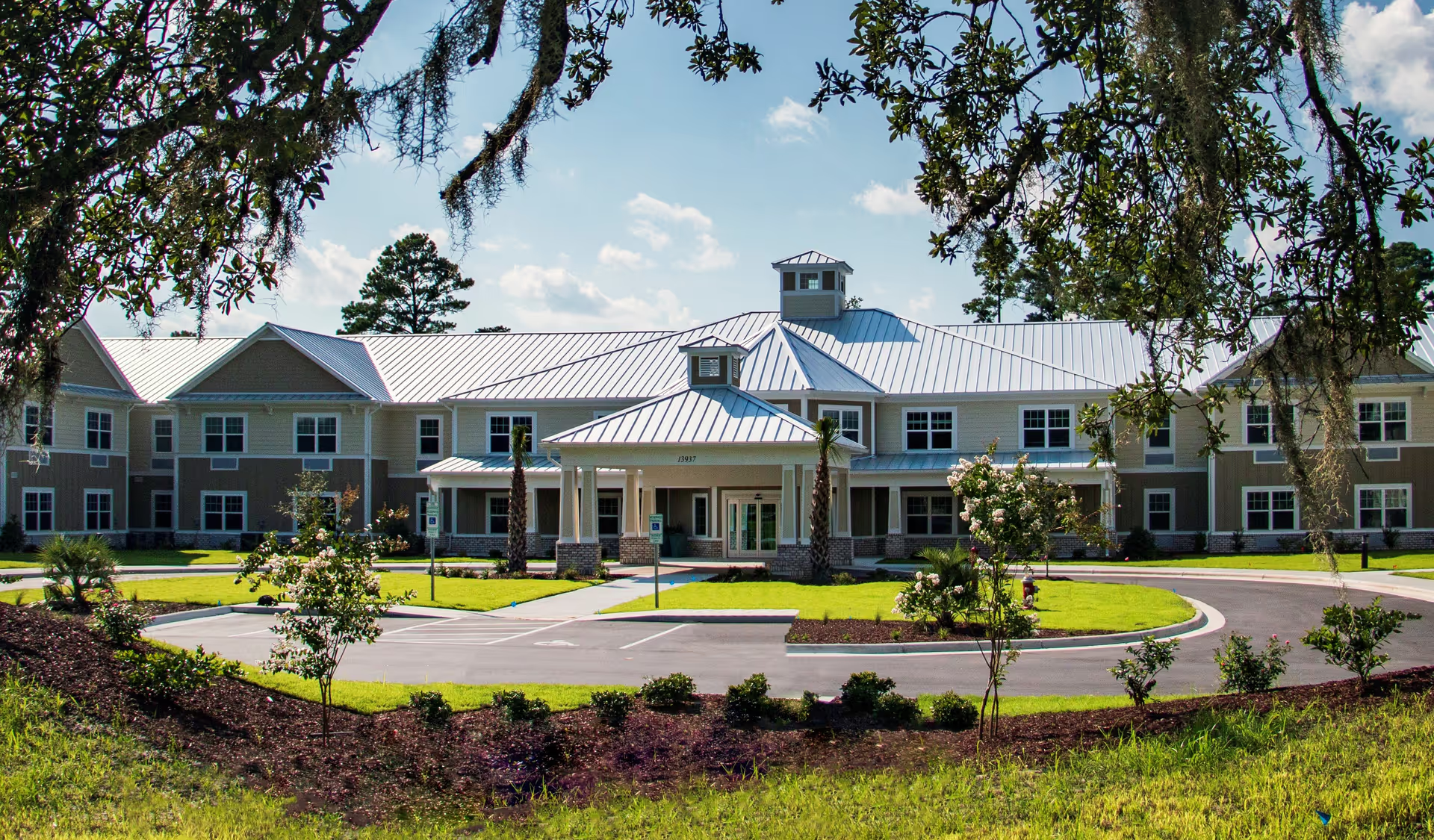
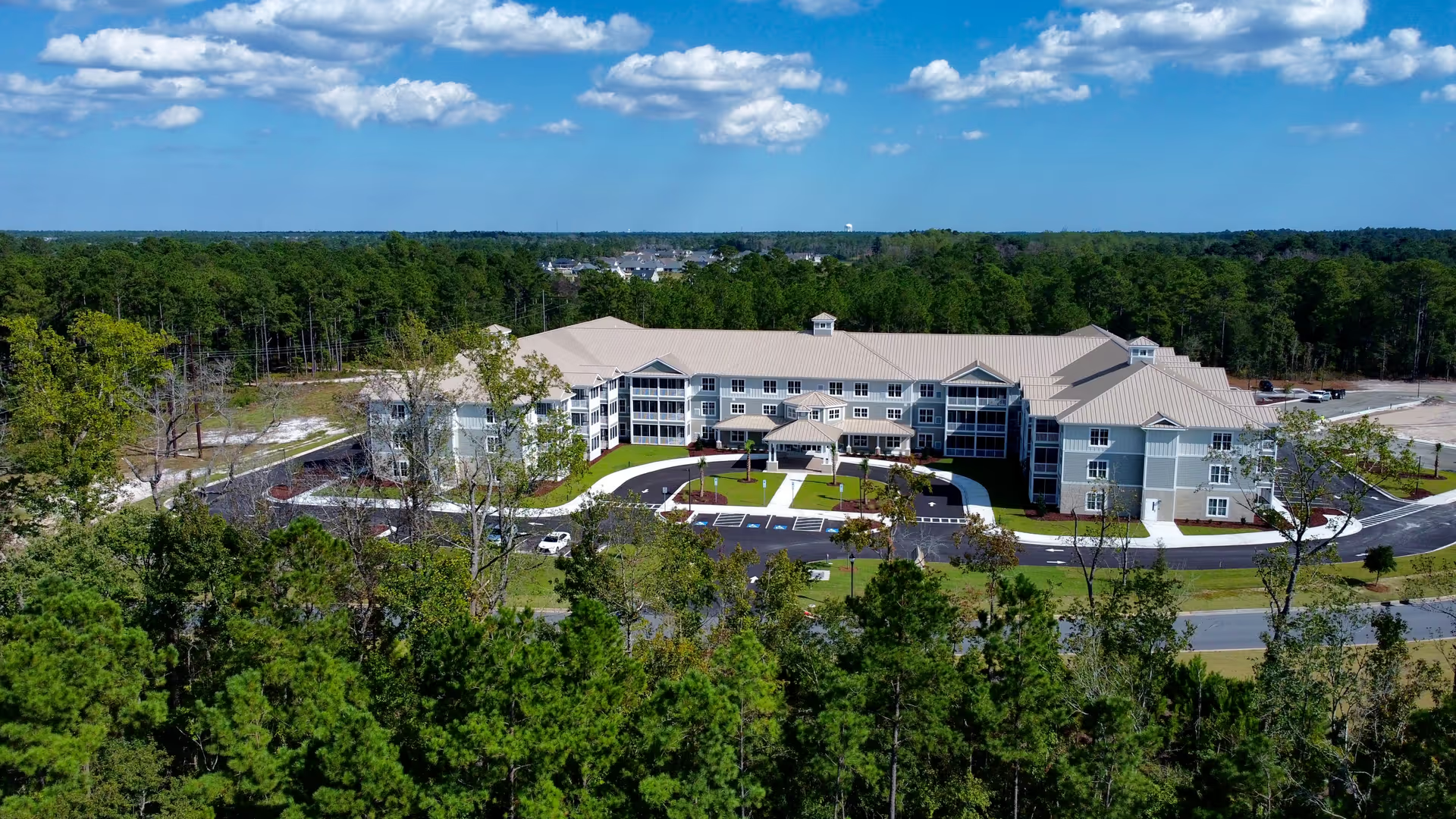
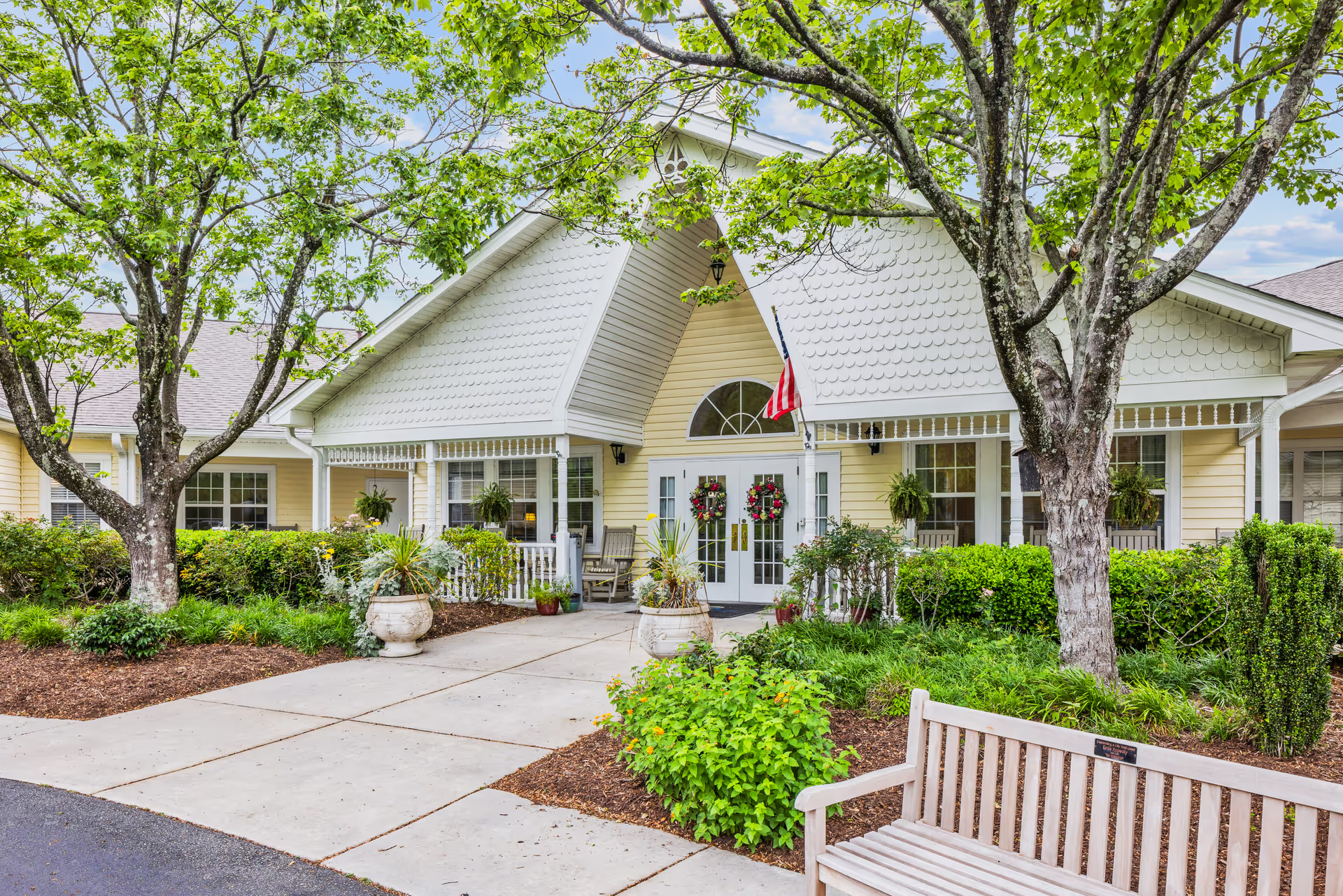
Facilities and maintenance: Many reviewers describe common spaces and therapy areas as clean, bright, and well cared for, and the campus and grounds favorably. At the same time, several comments raise concerns about room-level maintenance: worn or outdated furnishings, small or malfunctioning televisions, and isolated areas showing wear. There are sporadic sanitation concerns and odor issues reported in select locations. Maintenance responsiveness is generally viewed as reliable when management is engaged.
Management, communication, and operations: Management visibility and accessibility are frequently highlighted as a positive; multiple families report that administrators listen and enact changes. However, reviews also point to operational weaknesses tied to staffing patterns and transitions. Staffing shortages and stretched personnel correlate with slower nurse-call responses, occasional unfulfilled requests, and communication lapses during staff turnover. Therapy scheduling can create back-to-back sessions that are fatiguing for some residents. A small number of accounts raise more serious safety-related concerns—including mobility-assist incidents and falls—that suggest possible gaps in transfer and fall-prevention protocols. These appear to be isolated relative to the volume of positive feedback, but they merit direct inquiry by prospective families.
Notable patterns and guidance: The prevailing pattern is one of strong clinical rehabilitation capability and a caring workforce, balanced against operational challenges that are common to high-acuity, therapy-focused centers (staffing variability, scheduling friction, and occasional maintenance or sanitation issues). Prospective residents and families should weigh the facility's therapy strengths and family-communication practices heavily, and ask targeted questions about current staffing levels, nurse-call response times, fall-prevention and transfer protocols, dietary accommodations, and the condition of specific rooms before placement.