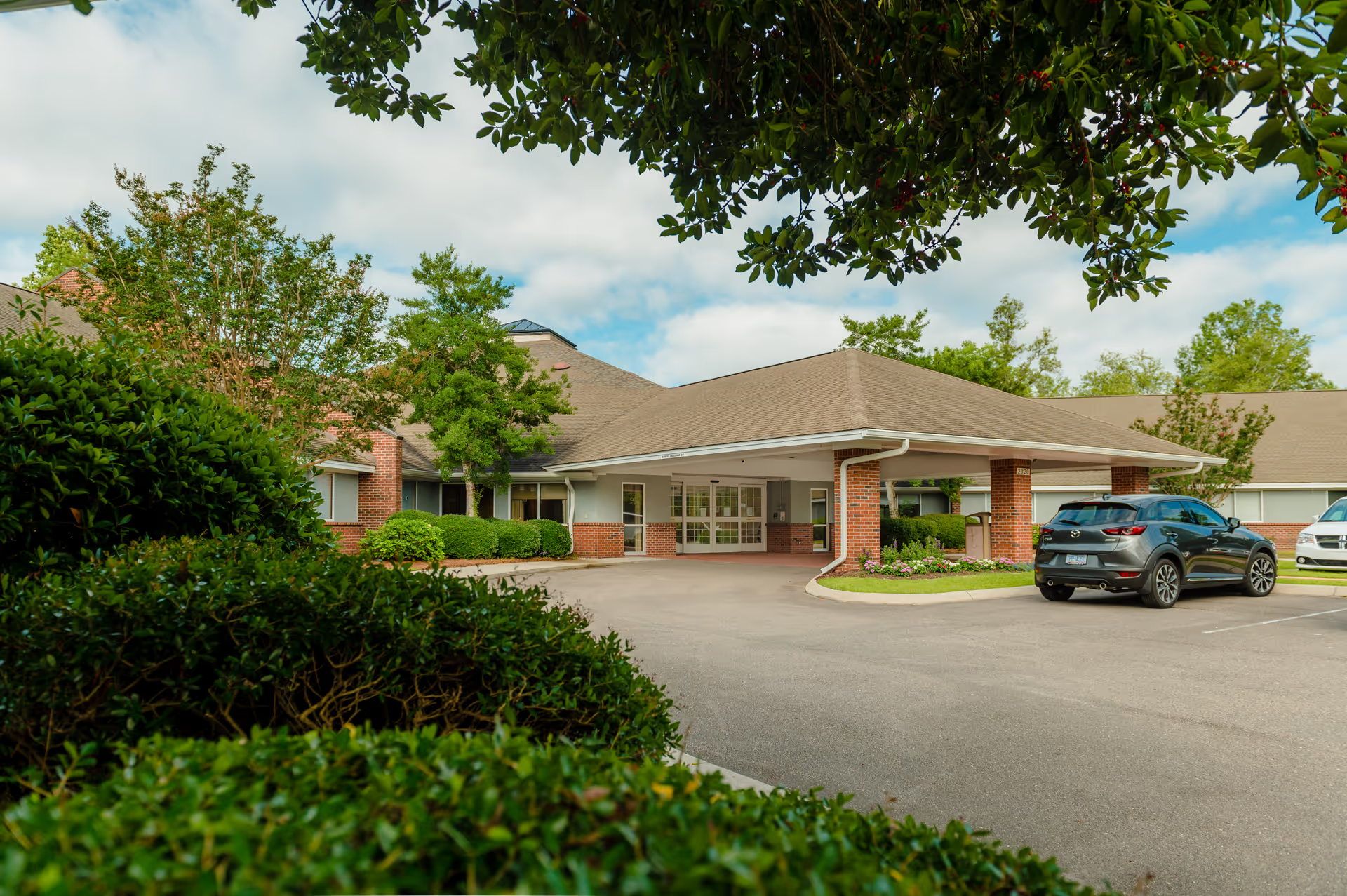
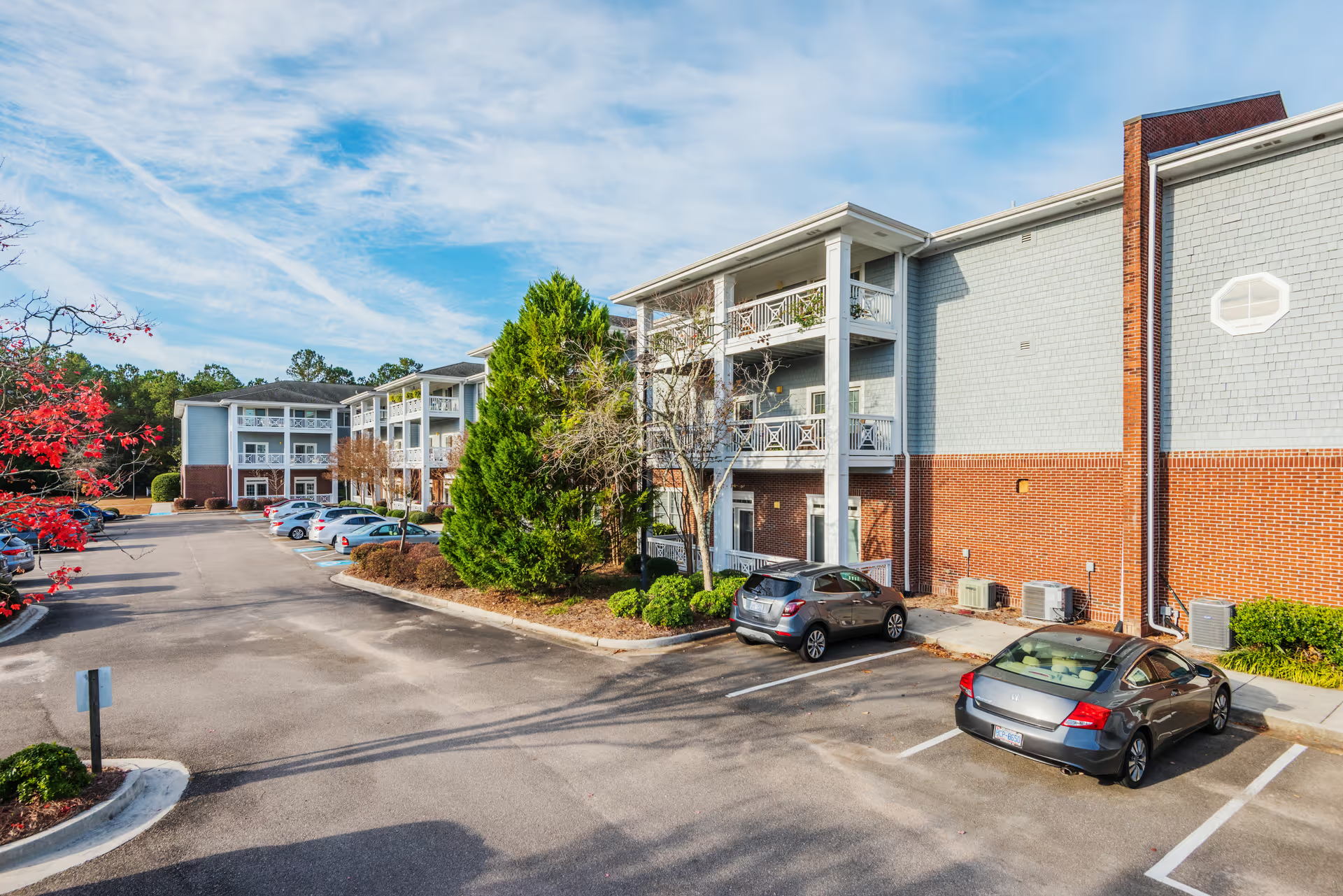
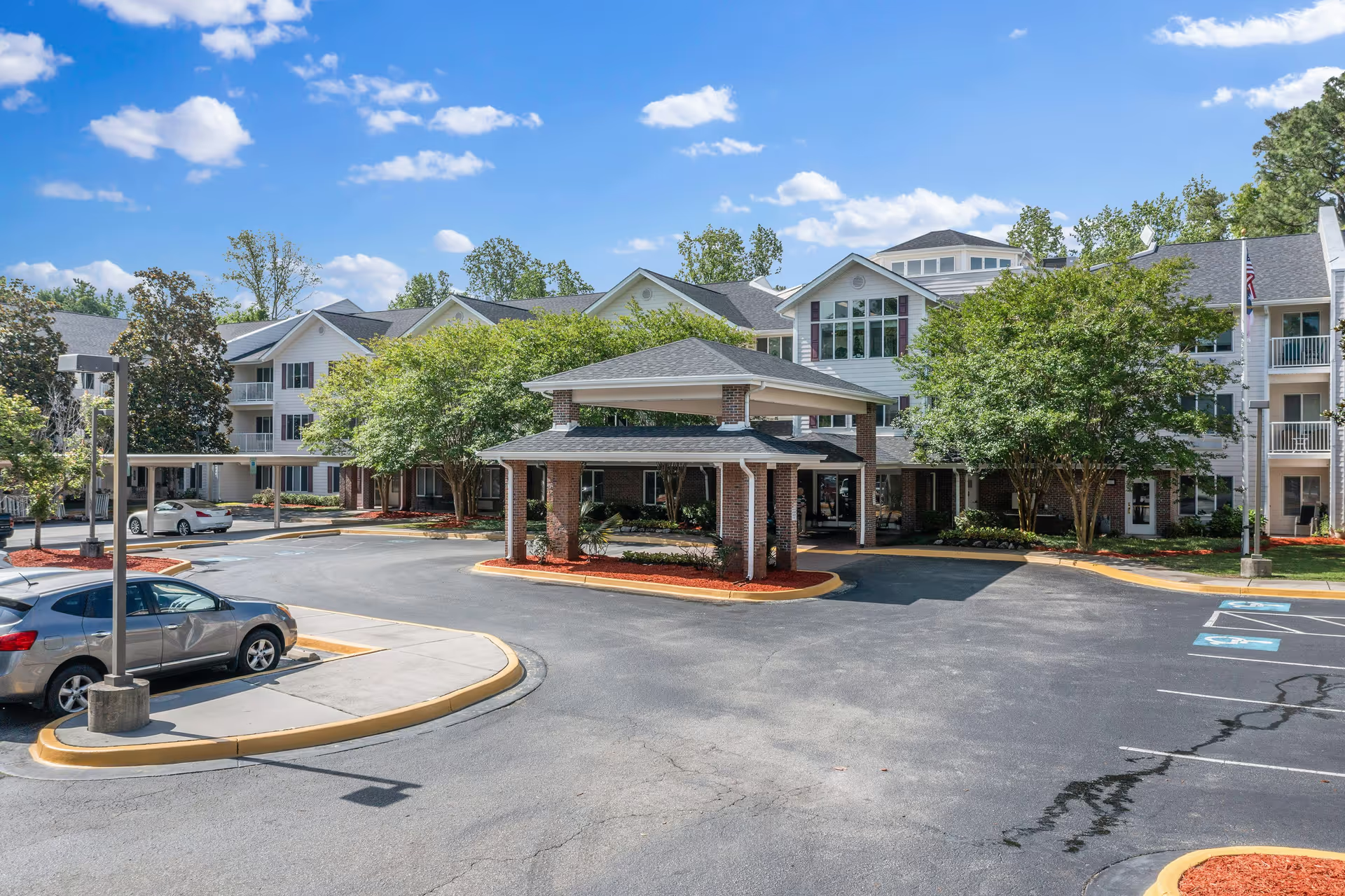
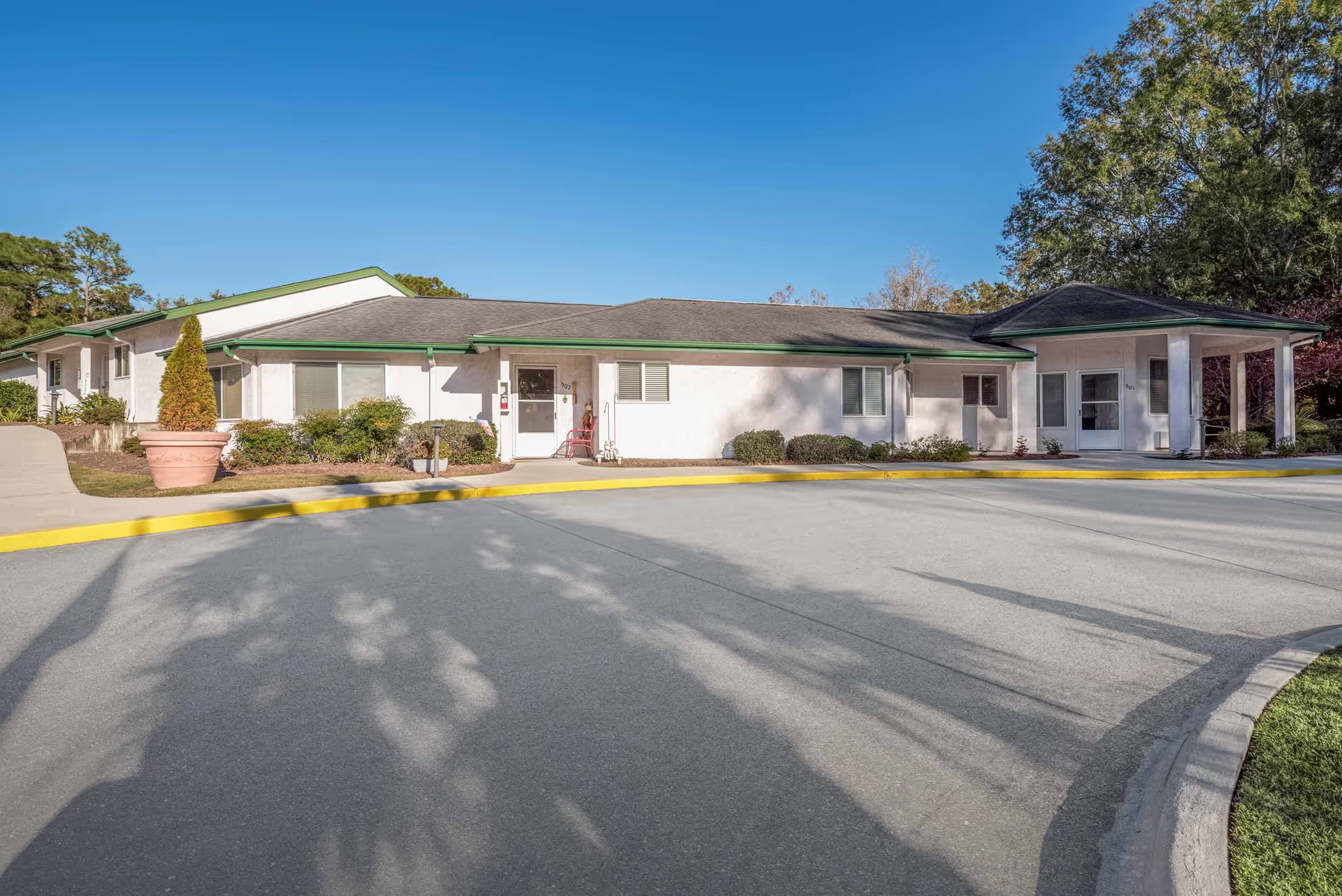
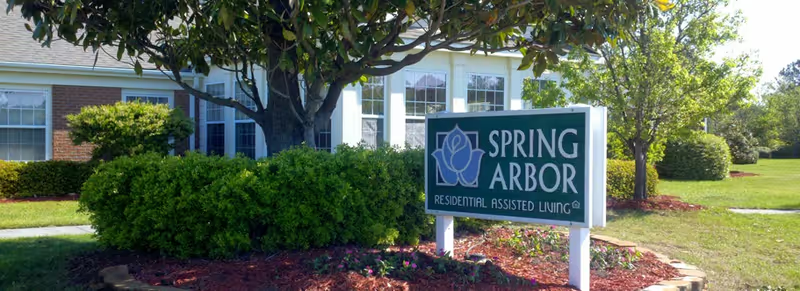
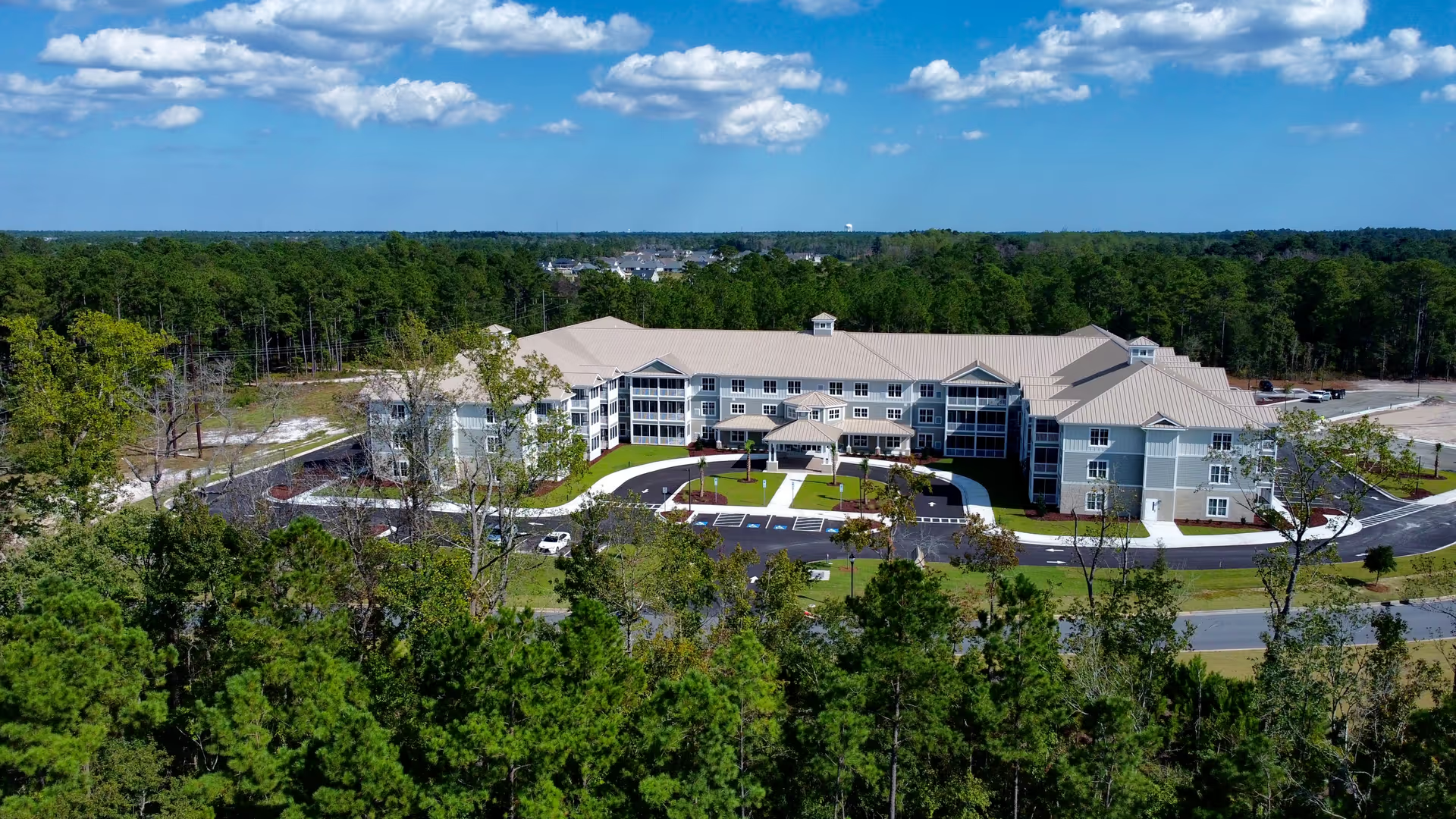
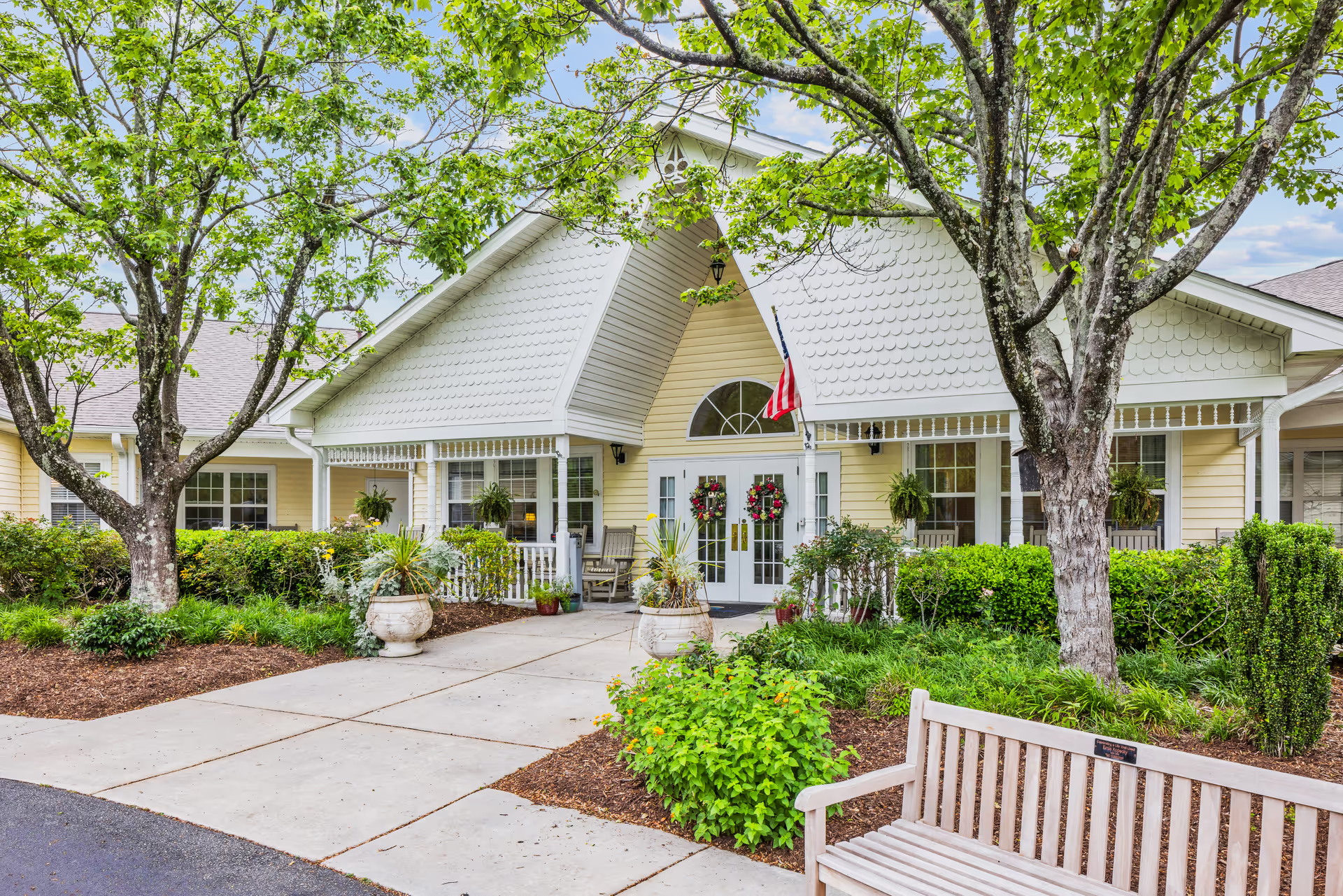
Brookdale Wilmington presents a mixed but informative profile. Many families highlight a small, intimate memory-care community with staff who are personable and familiar with residents by name. The facility is frequently described as clean, well maintained, and secure, with a homelike atmosphere and attentive maintenance. Administrative leadership and some executive staff receive positive mention for being accessible and responsive. The memory-care specialization, controlled-access unit, and respite options are strengths for families seeking dementia-focused services.
Care quality perceptions are varied. A substantial number of accounts emphasize compassionate, hands-on caregivers, daily housekeeping, good hygiene for residents, and staff willingness to support family visits. However, there are notable operational inconsistencies: bathing schedules, linen changes, and laundry handling do not appear uniformly reliable; some families describe delays in personal care and difficulties locating clothing or jewelry. Medication-management practices also receive mixed evaluations, ranging from confidence in prepackaged medication systems to concerns about administration consistency and specific medication choices.
Dining and activities are frequently cited as positives. Reviewers describe above-average meals, snacks throughout the day, and a broad activity calendar that includes gardening, exercise, trivia, arts and crafts, live music, outings, and therapy animals. The activity director is repeatedly singled out as energetic and effective at engaging residents. At the same time, families note uneven participation: higher-dependency residents may receive less one-on-one encouragement, and activity staffing levels sometimes limit outreach to less-engaged residents.
Facility condition and safety observations are generally favorable regarding appearance and security measures—double-door entry, locked units, and a tidy interior are often noted. Conversely, some accounts point to sanitation and pest-control concerns in particular areas and to instances suggesting room-level maintenance or updating is needed. Safety-practice gaps are a recurring theme: timing and coverage of staff can leave periods of limited supervision (weekends and certain shifts), and reviewers cite incidents that imply opportunities for stronger fall prevention and faster emergency response protocols.
Management and communication present a dichotomy. Several families praise an engaged administration, thorough tours, and active family communication via newsletters and social media. Others describe inconsistent follow-through on concerns, unclear billing practices, and surprise fee increases that created financial strain. Marketing and admission conversations sometimes set expectations that families later found misaligned with the level of care actually delivered, particularly for residents with rapidly escalating needs.
Notable patterns for prospective families: Brookdale Wilmington tends to excel in social programming, a family-oriented culture, and an approachable activity leadership team, making it a good fit for residents who benefit from engagement and a small-community setting. However, evaluate operational consistency carefully—ask for specifics about bathing and laundry schedules, medication-administration protocols, staffing patterns for weekends and nights, fall-prevention procedures, and written pricing/fee policies. When possible, arrange unannounced visits across different shifts and seek references from current families whose loved ones have needs similar to the prospective resident’s level of dependency.