The reviews paint a mixed but actionable picture. Strengths are concentrated in clinical and rehabilitative services: reviewers consistently note capable physical therapy programs, several well-equipped therapy gyms, and positive outcomes such as successful rehab discharges and strong wound care. On-site clinical resources (physician, dental, podiatry) and coordinated admissions/transportation are also cited as facilitating transitions from hospital to facility. Many families describe staff who are compassionate, attentive, and engaged, and they highlight hands-on administrative involvement that promotes resident familiarity and community participation.
At the same time, there are recurring operational weaknesses that prospective residents and families should evaluate. Staffing appears inconsistent across shifts and payor contexts, producing variable responsiveness to call bells and delays in direct assistance at times. Meal quality and food-service reliability are described as uneven: some experiences are positive while others report cold plates, missing tray items, or unpalatable dishes. Practical care logistics also show gaps in a few areas, including supply management for continence care, concerns about medication and oxygen handling at discharge, and instances of lost personal belongings.
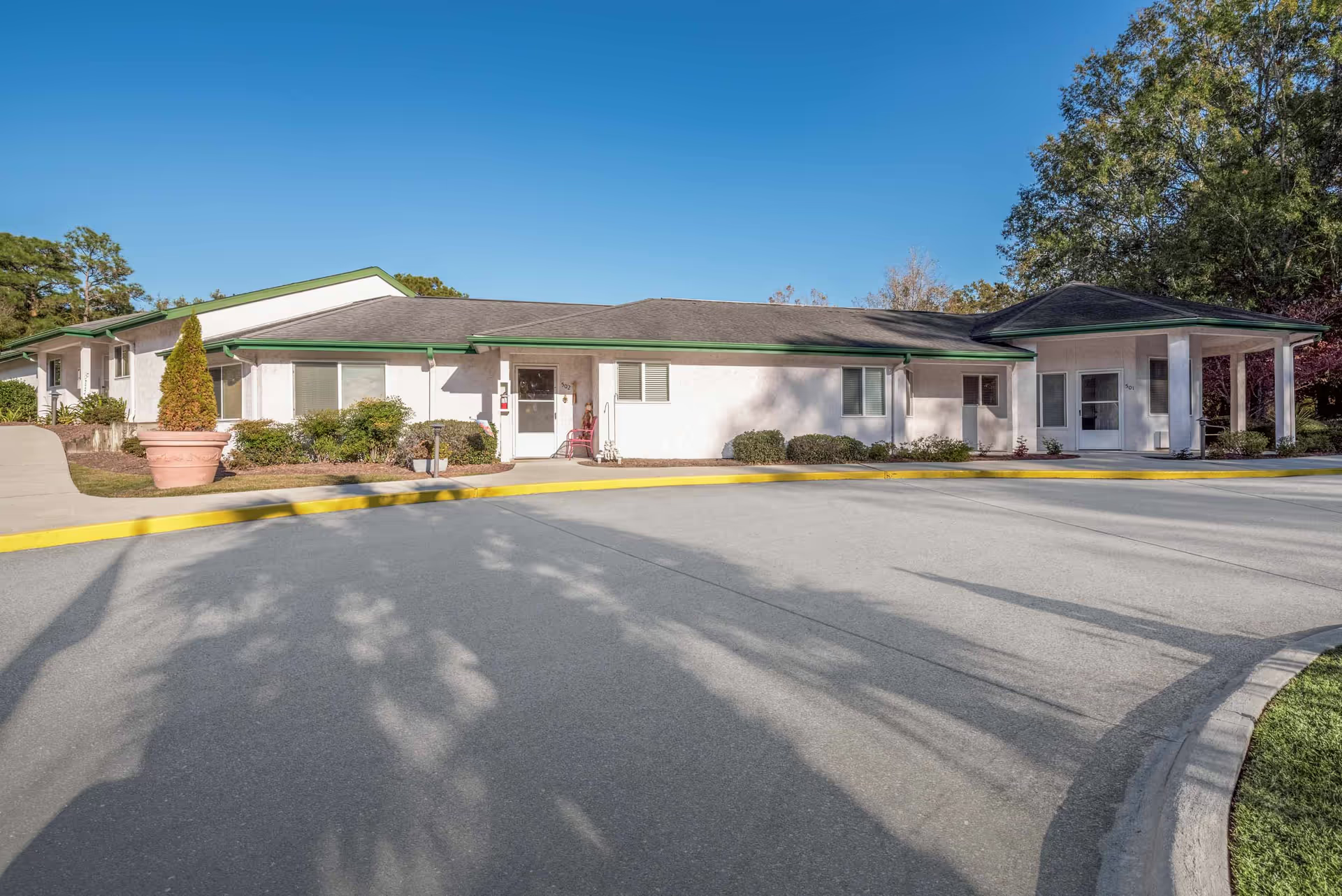
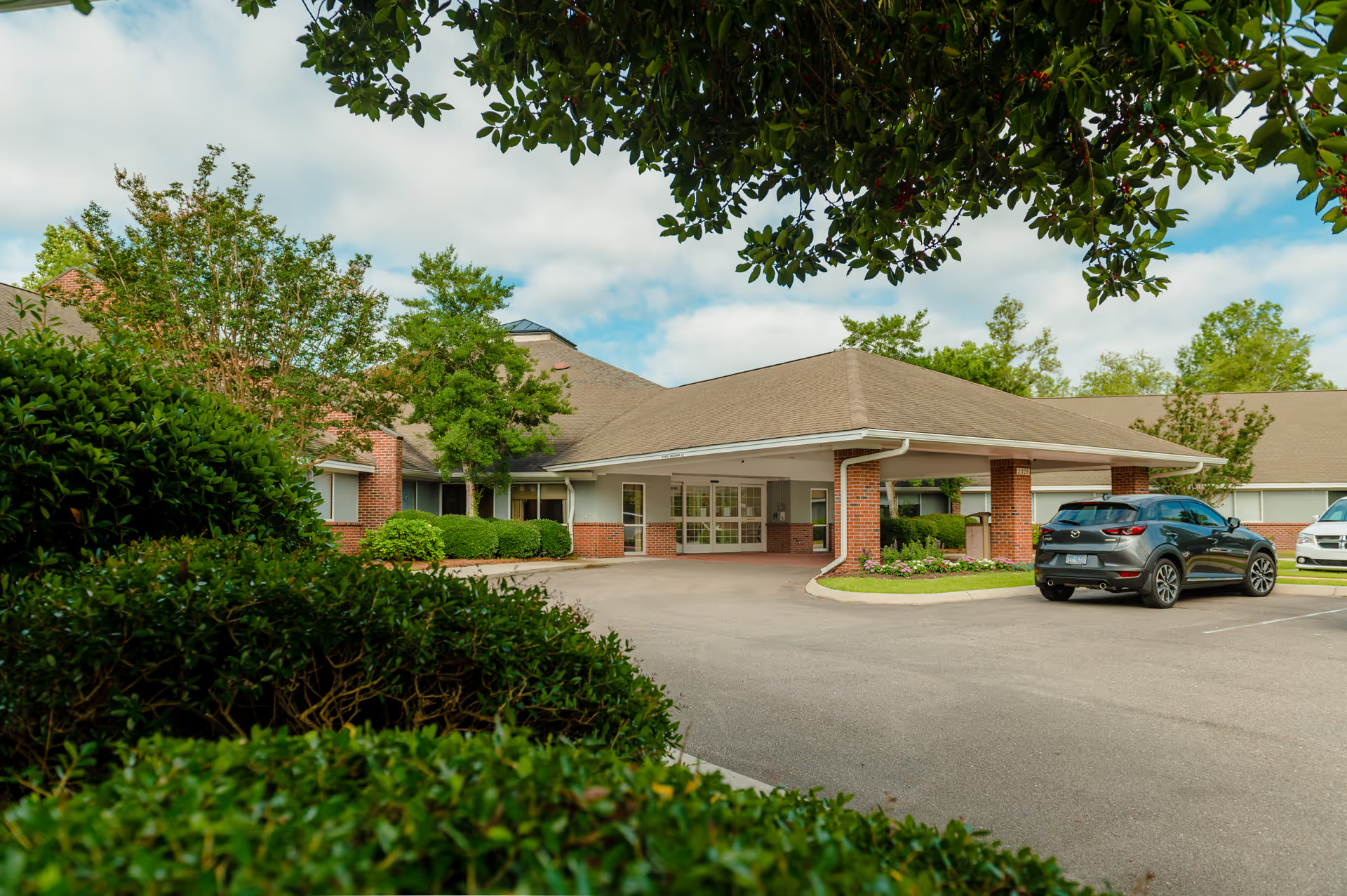
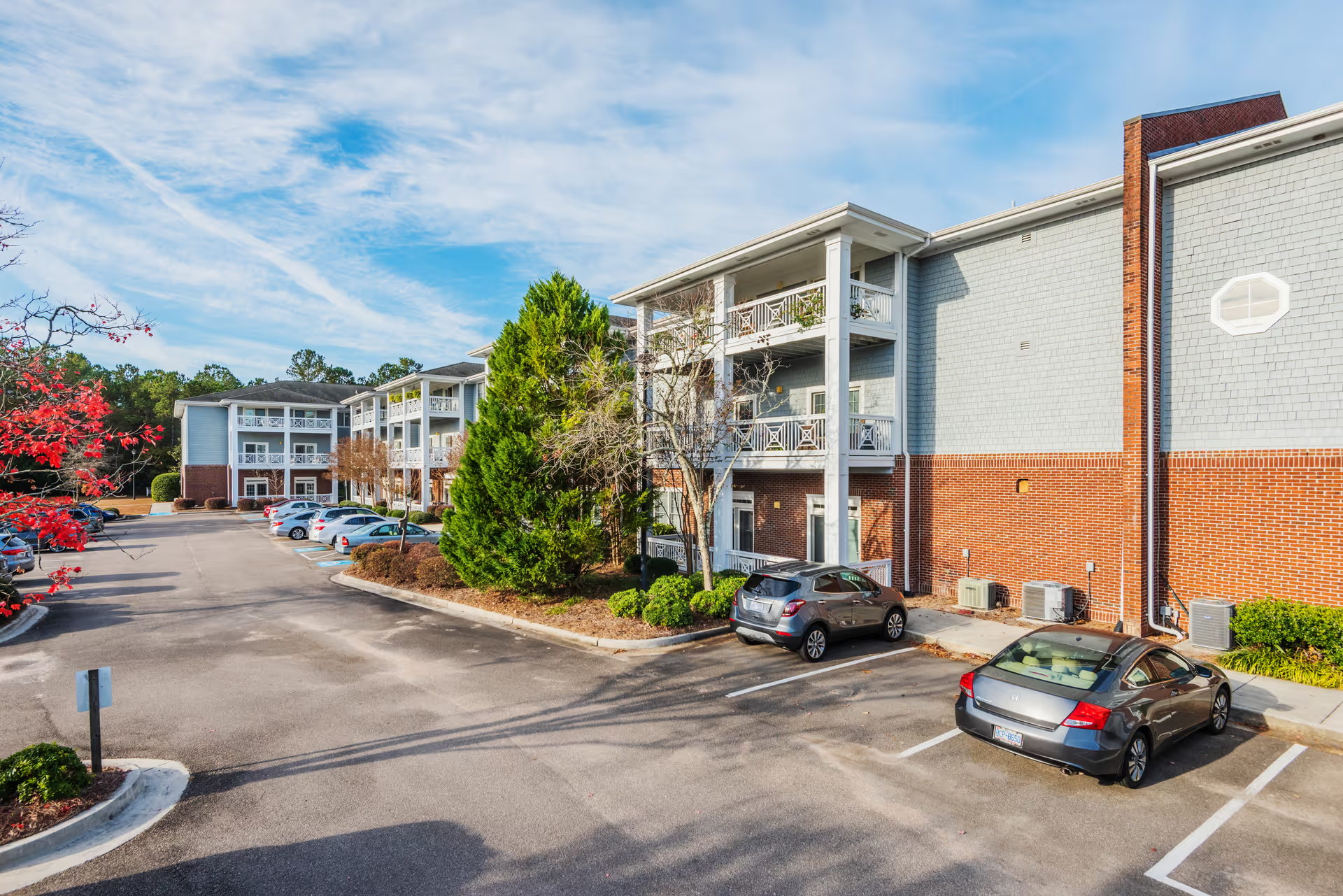
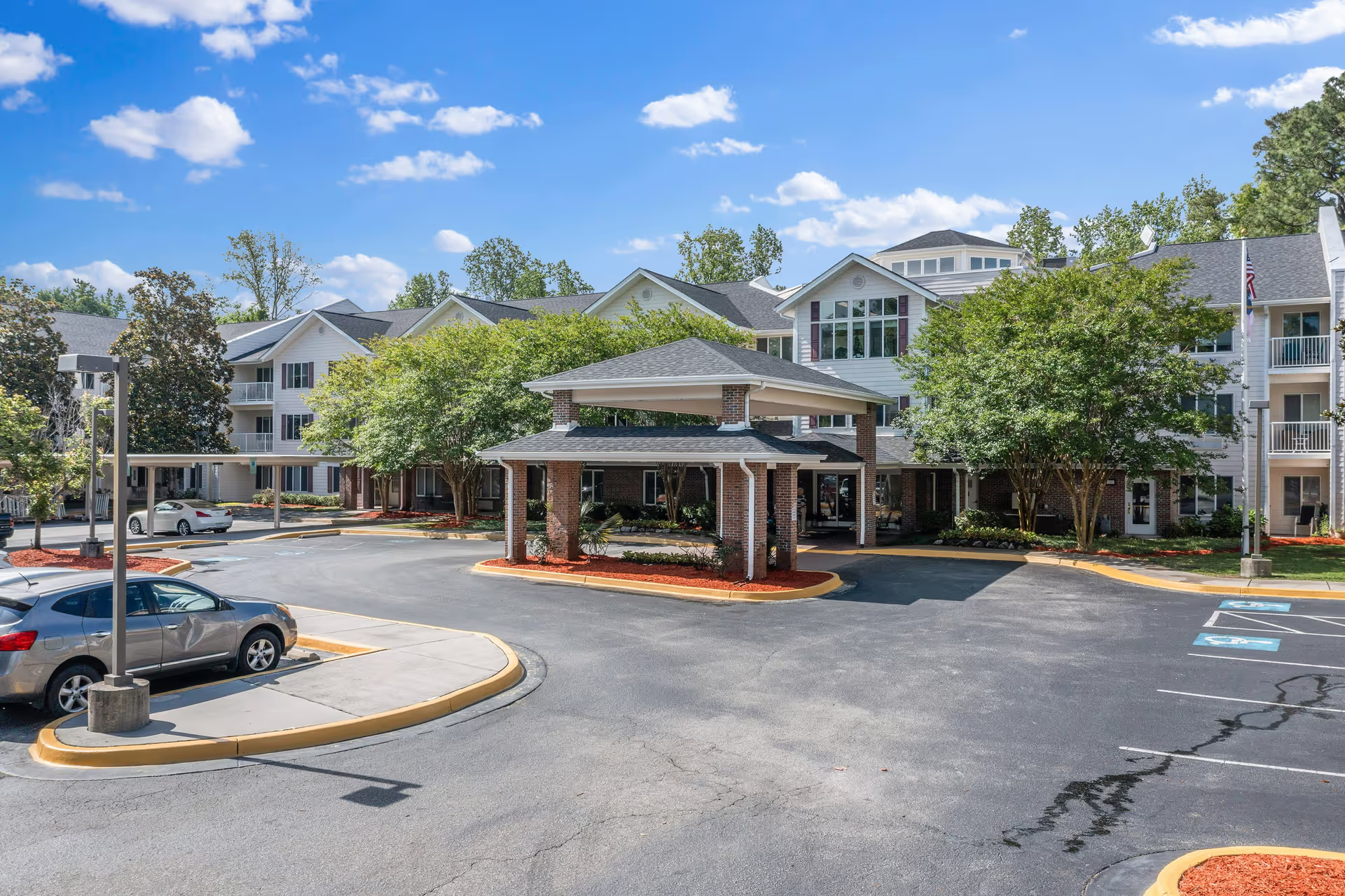
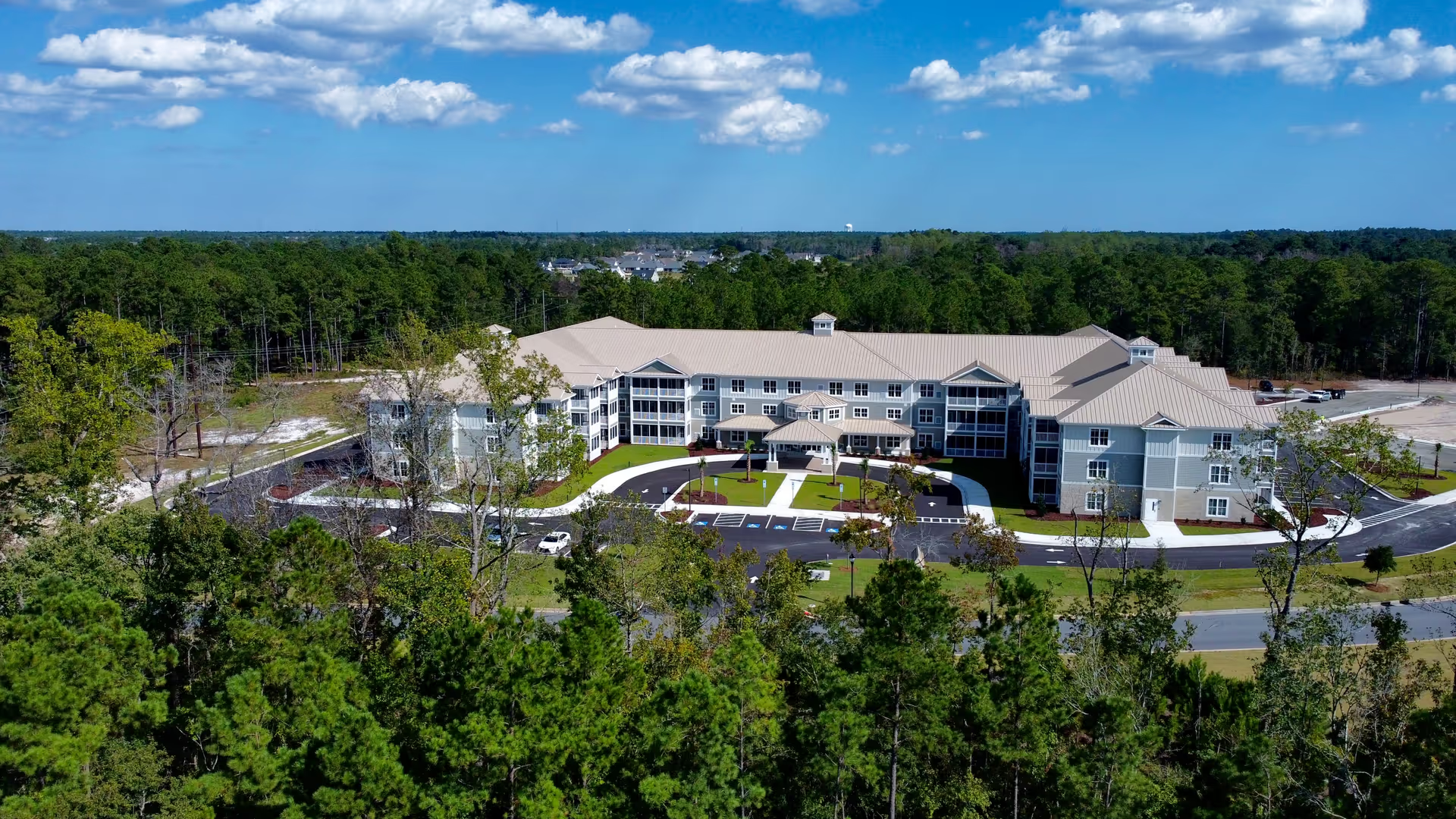
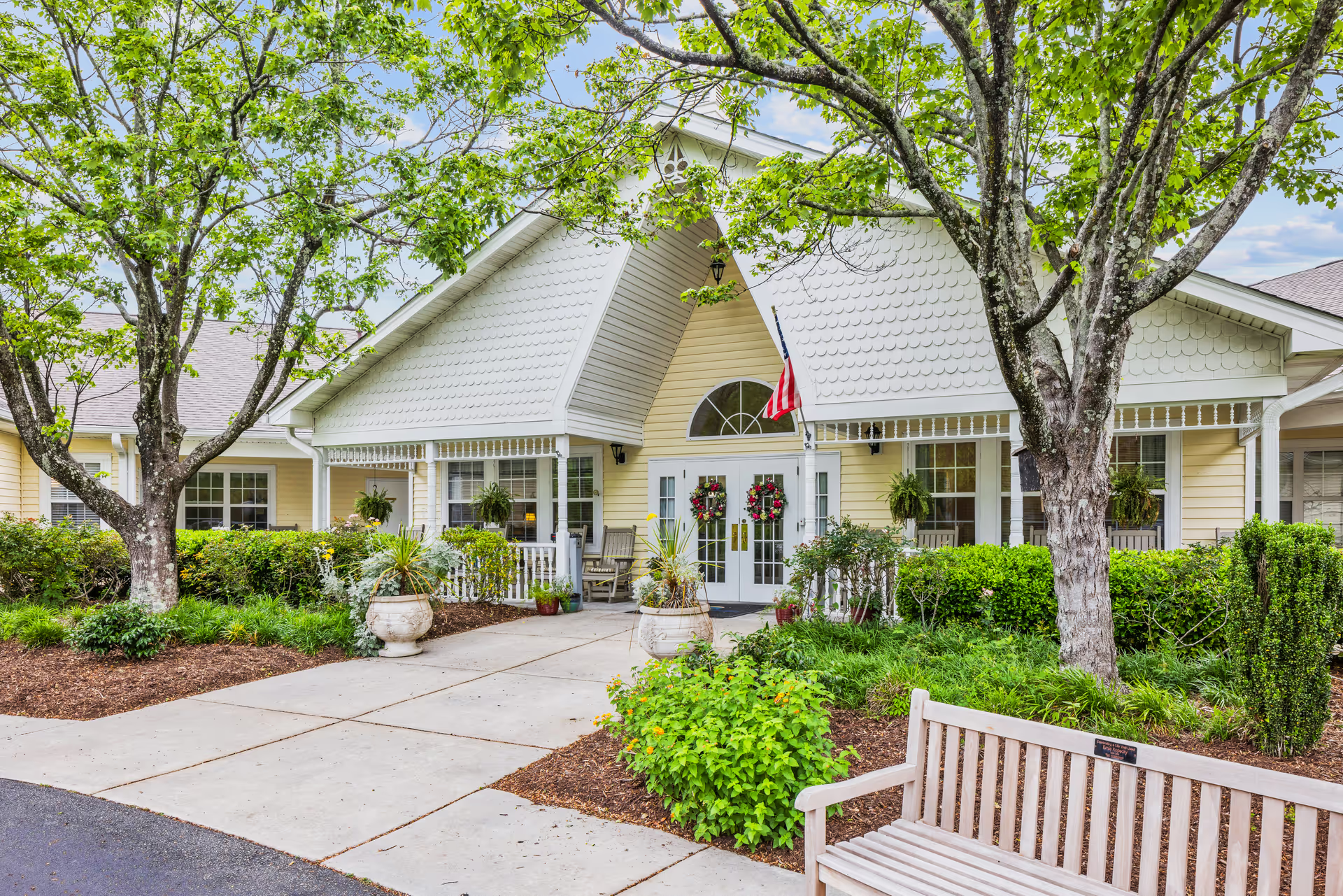
Facility amenities and social programming are notable strengths: residents commonly experience organized activities, holiday events, arts and music, a family dining option, and salon services. Rooms are frequently described as spacious and bright and common areas as generally clean and organized. However, there are isolated sanitation and pest-control concerns and comments about older building aesthetics that suggest an in-person inspection is warranted for those sensitive to environment or odor issues.
Management and communication display variability. Several accounts praise proactive administrators and helpful admissions staff, while others reference turnover, changes in care quality associated with payer status, long hold times at the nurse station, and limited in-room communication technology (no room phones). Concerns about staff conduct and tone—particularly during night shifts or in high-stress moments—and gaps in consistent clinical oversight were reported often enough to be a pattern rather than only single incidents.
Practical suggestions for families considering this facility: observe a therapy session, ask for current staffing ratios and average call-bell response times, review recent inspection and pest-control records, inquire about discharge and oxygen-management protocols, confirm billing and self-pay policies up front, and tour dining services at mealtime. Where possible, obtain recent references from families whose loved ones received similar levels of care (short-term rehab, long-term skilled nursing, or wound care). The facility demonstrates clear clinical and social strengths, but those positives are paired with operational inconsistencies that merit direct verification during a visit.