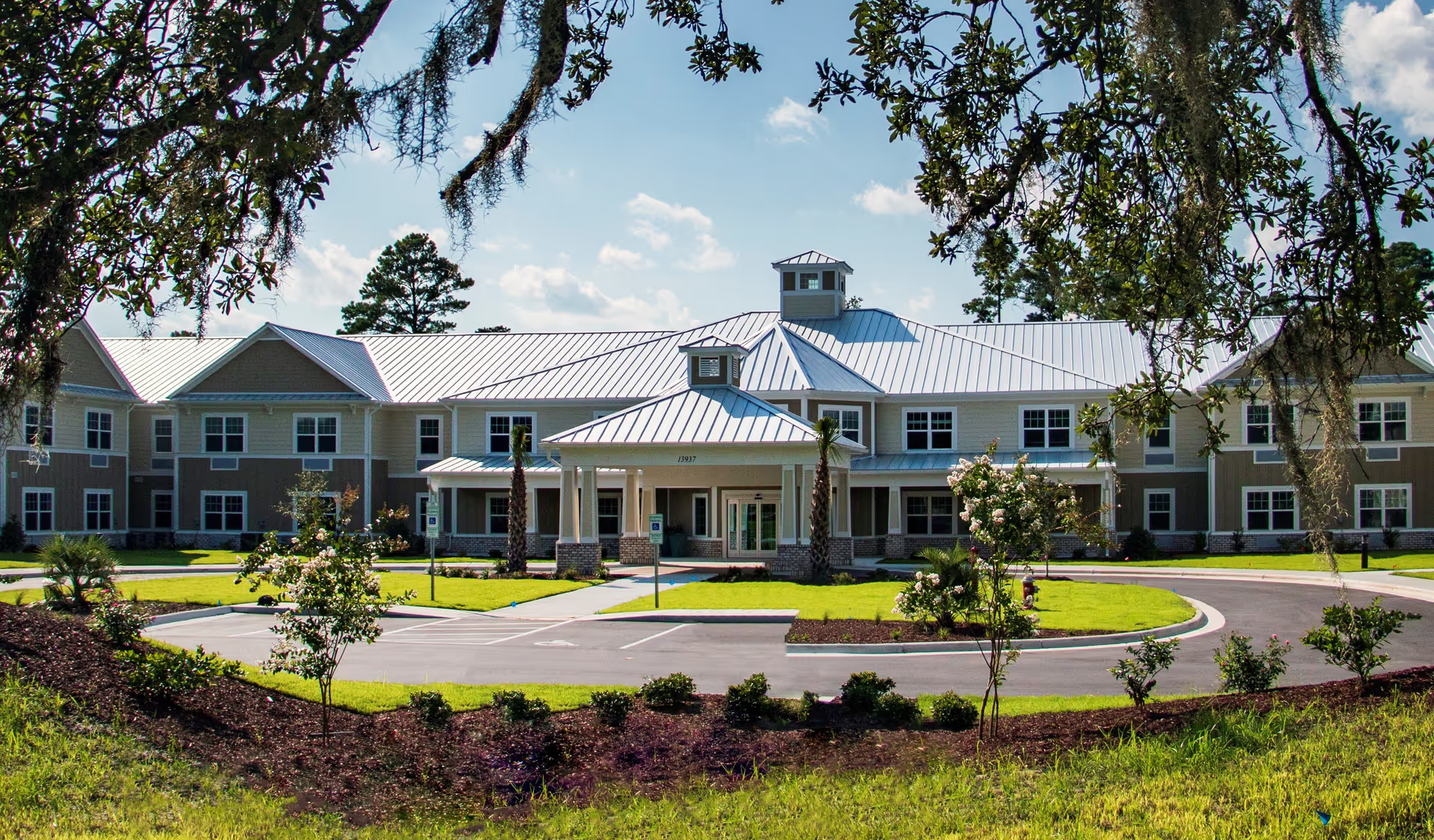
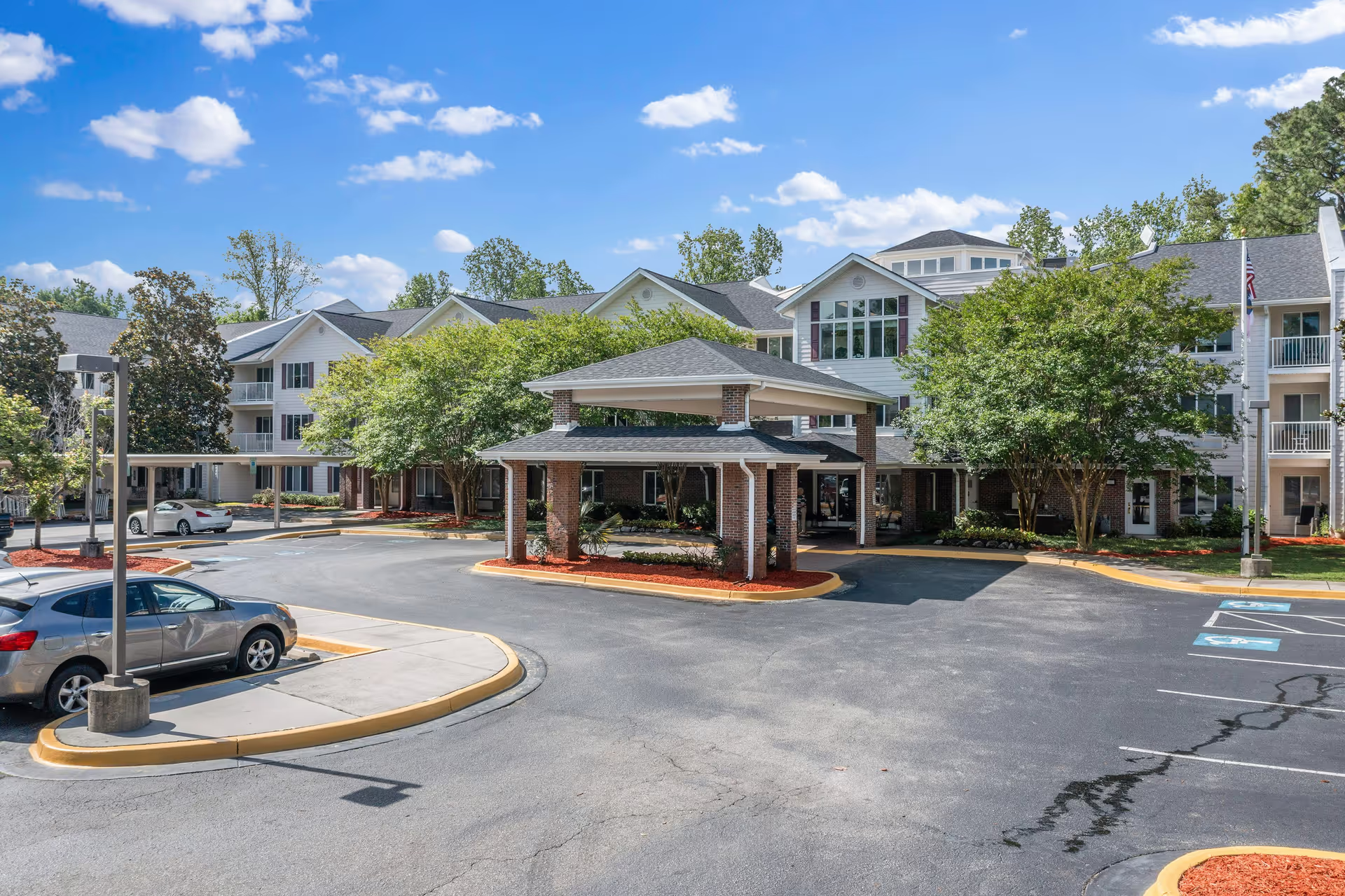
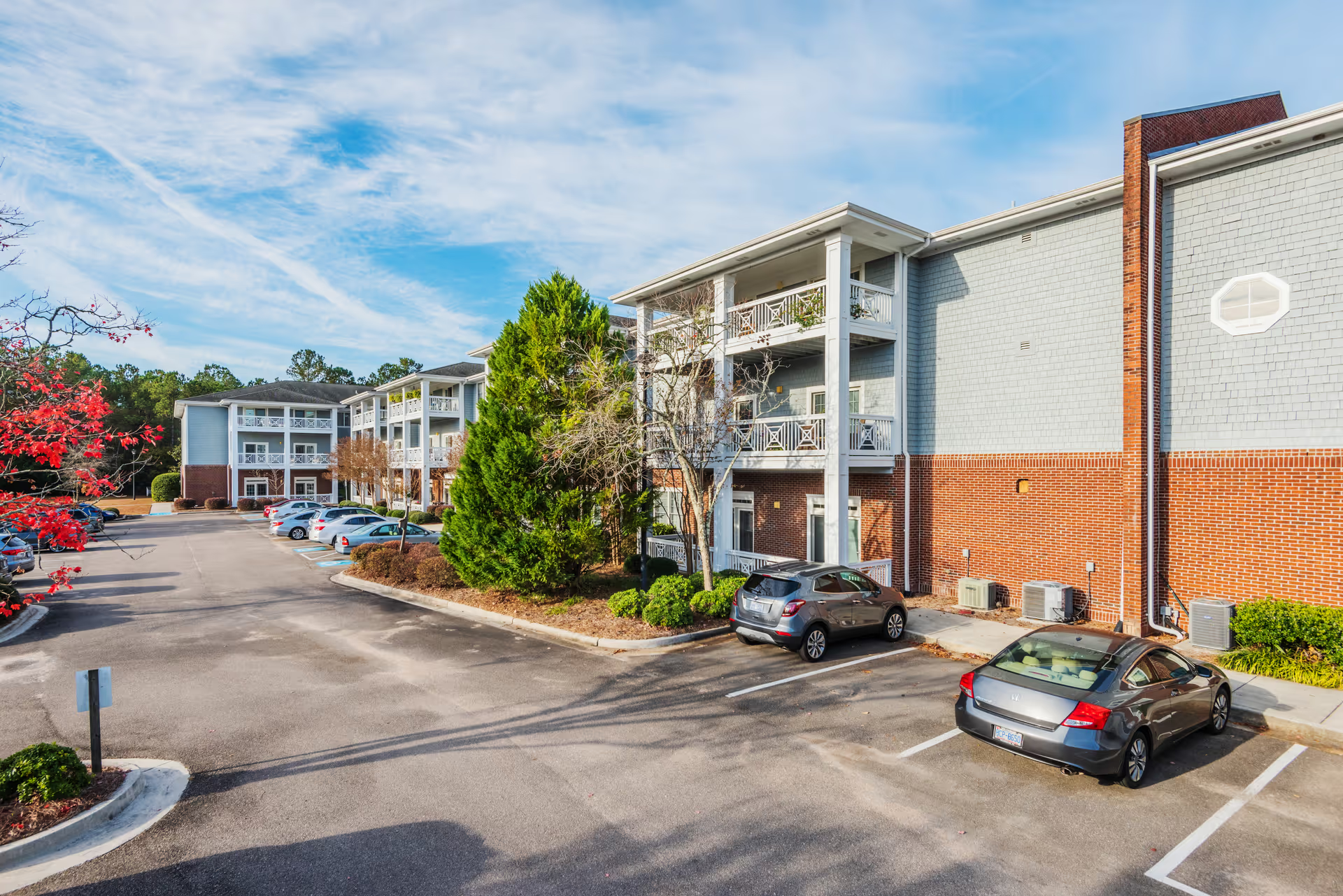
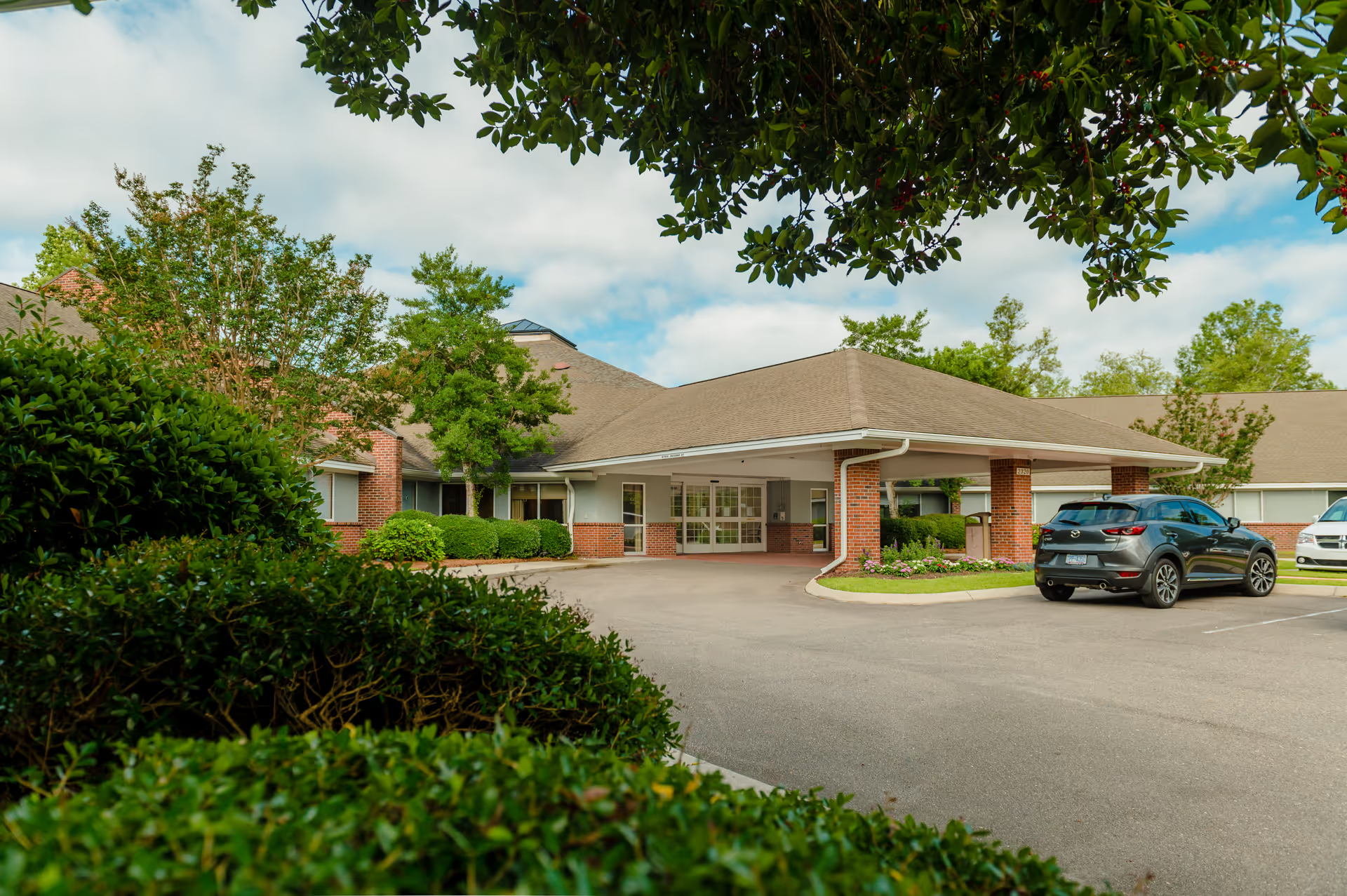
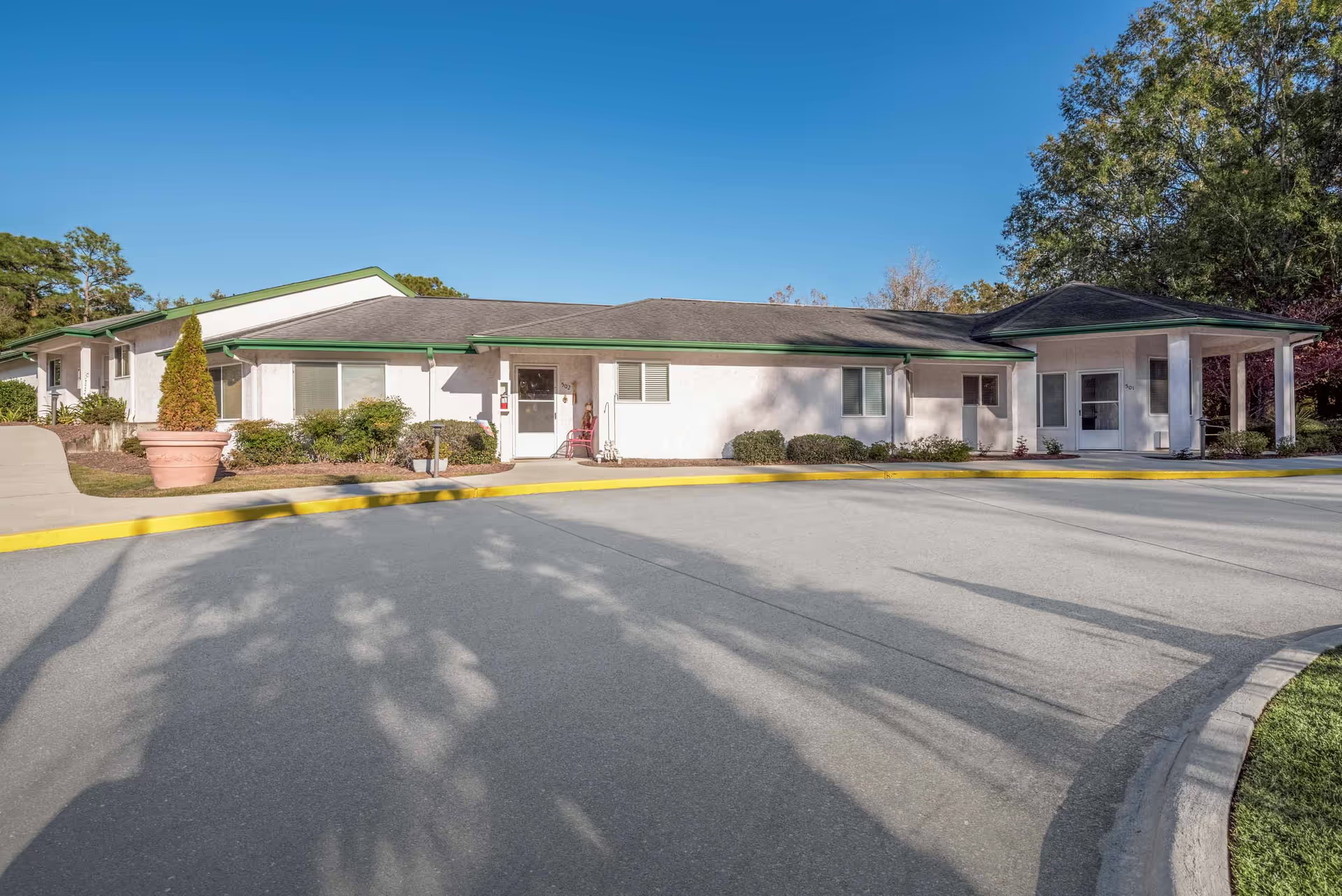
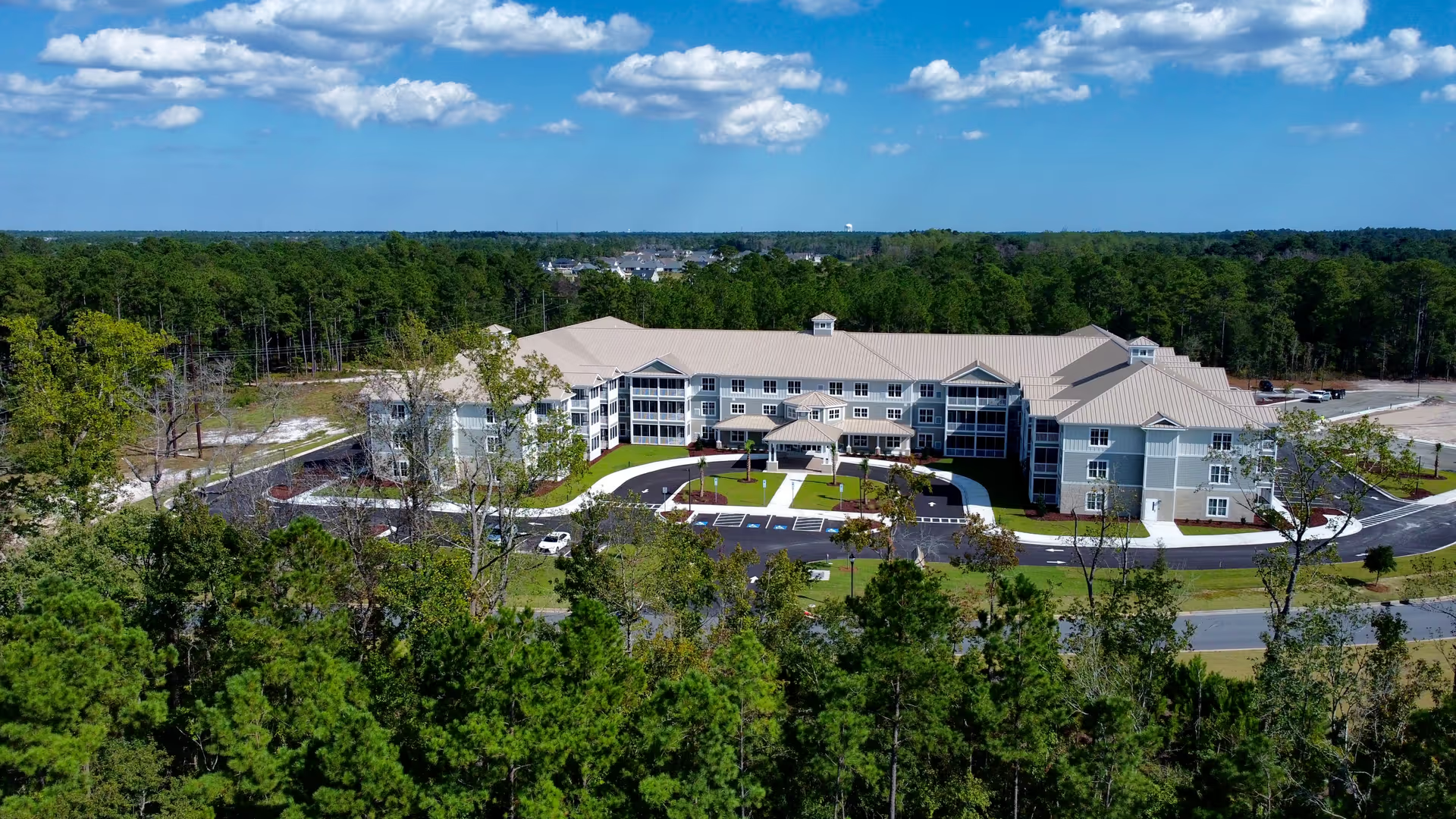
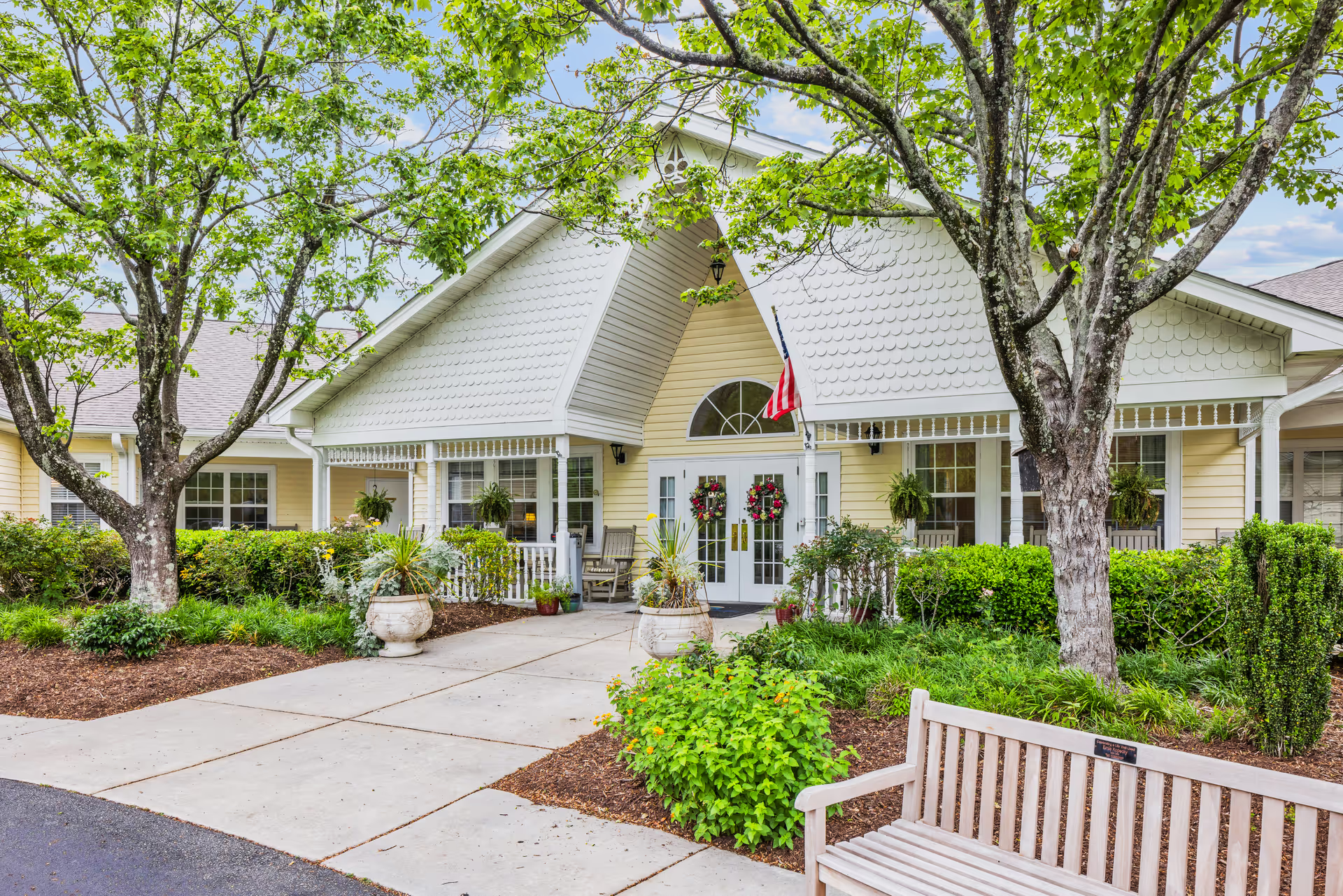
Porters Neck Village presents as a well‑established life‑care community with extensive grounds and a wide spectrum of on‑site services. Reviewers emphasize the campus landscaping, ponds, bridges and walking trails, and the variety of housing options from cottages to larger villas. The physical plant is frequently described as thoughtfully designed and actively maintained, with ongoing modernization projects and a range of conveniences (on‑site market, command center, visitor kiosks) that support a maintenance‑free lifestyle.
Clinical and personal care features receive positive attention. The community maintains around‑the‑clock nursing access, emergency alert systems, and a visible on‑site clinical presence, and reviewers describe timely medical response and coordinated transitions of care. Staff are most often characterized as caring, accessible and helpful; families repeatedly highlight attentive assistance during moves and care planning. That said, a pattern of perceived staff turnover and occasional variability in staff conduct or responsiveness appears in the commentary and may affect consistency of the day‑to‑day experience for some residents.
Dining and hospitality are prominent elements of life at the community. Many accounts praise chef‑inspired offerings, multiple dining venues, delivered meals and hotel‑style service; in‑room deliveries and grocery/pharmacy delivery are noted as important conveniences. A minority of comments raise issues with inconsistency in meal quality and limited breakfast options, and renovation activity has at times disrupted dining service and created temporary disarray. Prospective residents should sample meals across different venues and times to assess fit.
Activity, wellness and social programming are strengths. The community supports a broad array of intellectual, artistic and physical activities — exercise classes, aqua exercise, therapy services, theater, choir, festivals and frequent social outings — contributing to a lively resident culture. Fitness and rehabilitation assets such as saltwater and larger pools, an expansive fitness center and therapy spaces support active aging and post‑acute recovery.
Operational and policy patterns worth weighing include cost and ongoing construction. Several reviewers note a substantial entrance fee and higher monthly costs relative to other options, alongside periodic construction or renovation that can create short‑term disruption. Long‑range campus plans include demolition and redevelopment of older buildings, which introduces planning uncertainty for some residents. Policy‑related items appear as perceptions of restrictive age eligibility and occasional concerns about family input or administrative flexibility. There are also isolated references to initial odor or cleanliness concerns during tours; these do not appear to be pervasive but are worth confirming on a visit.
Overall, Porters Neck Village is presented as a high‑amenity, clinically supported community with strong social programming and a resident‑centered culture. The most consistent trade‑offs identified are cost, construction‑phase disruptions, and variability in service consistency tied to staffing changes. Prospective residents and families will benefit from multiple visits (including meal sampling), a review of current capital‑project schedules, and discussion of contract terms and age eligibility to confirm this community matches their clinical needs, lifestyle expectations and financial plans.