The Kempton at Brightmore elicits strongly mixed impressions: a number of families and residents praise the community for its food, social programming, and many direct-care staff, while other accounts raise operational and management concerns that affected placement and long-term satisfaction. Positive comments cluster around dining, activities, and direct-care interactions; critical comments focus on staffing consistency, administrative tone, cleanliness and pest-control issues, and facility policies such as monitoring schedules and supplemental charges.
Care and staff: Many reviewers describe attentive med techs, compassionate CNAs, and aides who provide day-to-day assistance with warmth and professionalism. Several accounts note 24/7 CNA availability and reliable medication support; others describe fluctuating care quality and overworked staff during periods of higher demand. There are also contrasting impressions of leadership: some families find the director accessible and caring, while others describe administrative communication as rigid or insufficiently responsive. These differences suggest variability in experience depending on individual unit staffing, acuity level, or timing.
Dining and activities: Dining receives consistently positive feedback—meals are described as good to very good, and dining staff are generally seen as efficient and attentive. The activities program is a clear strength, with frequent offerings such as outings, live music, bingo, bridge, current-events groups, and a salon for hair and nails. Reviewers frequently cite social engagement and the opportunity to form new friendships as a major benefit.
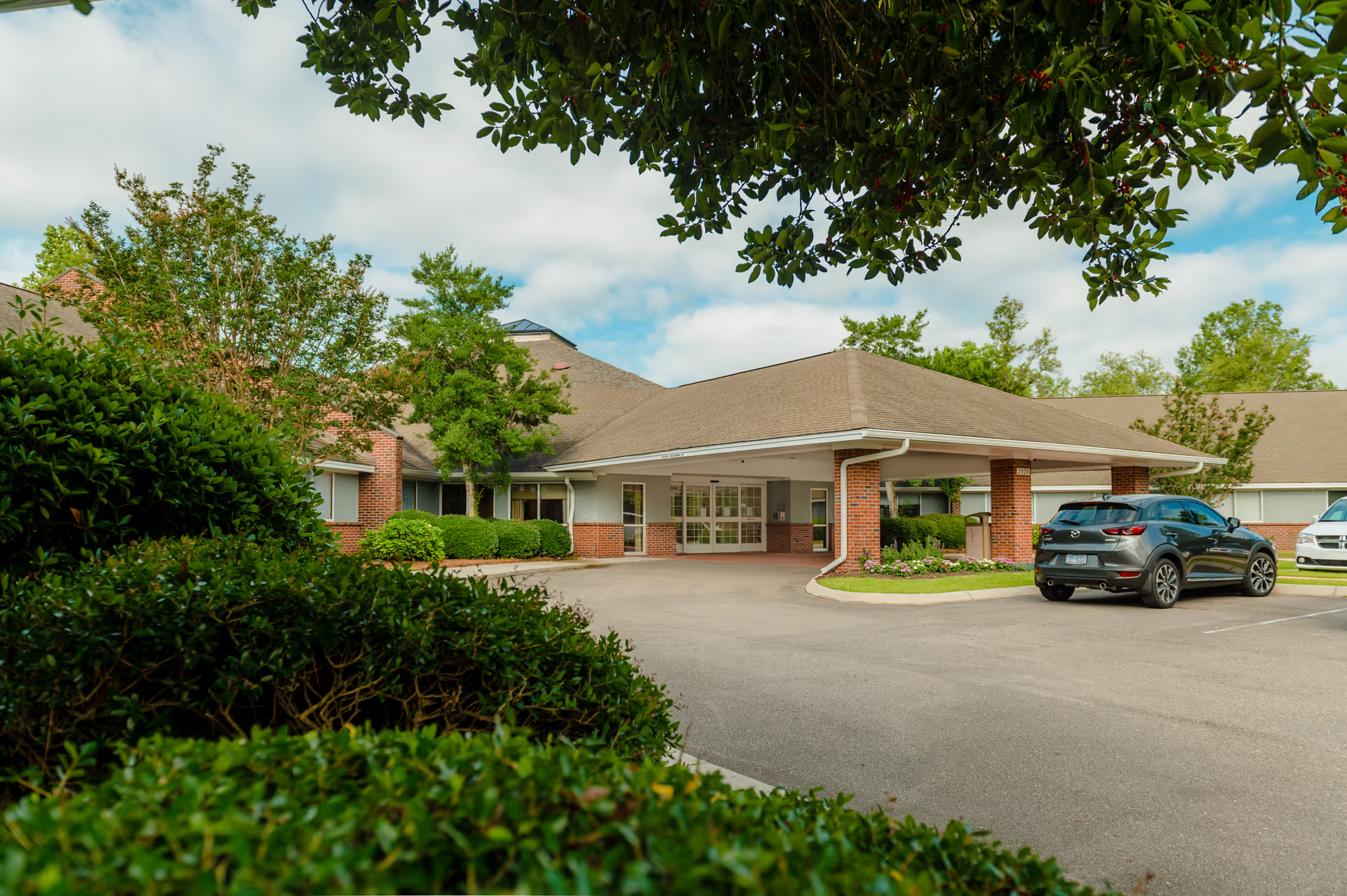
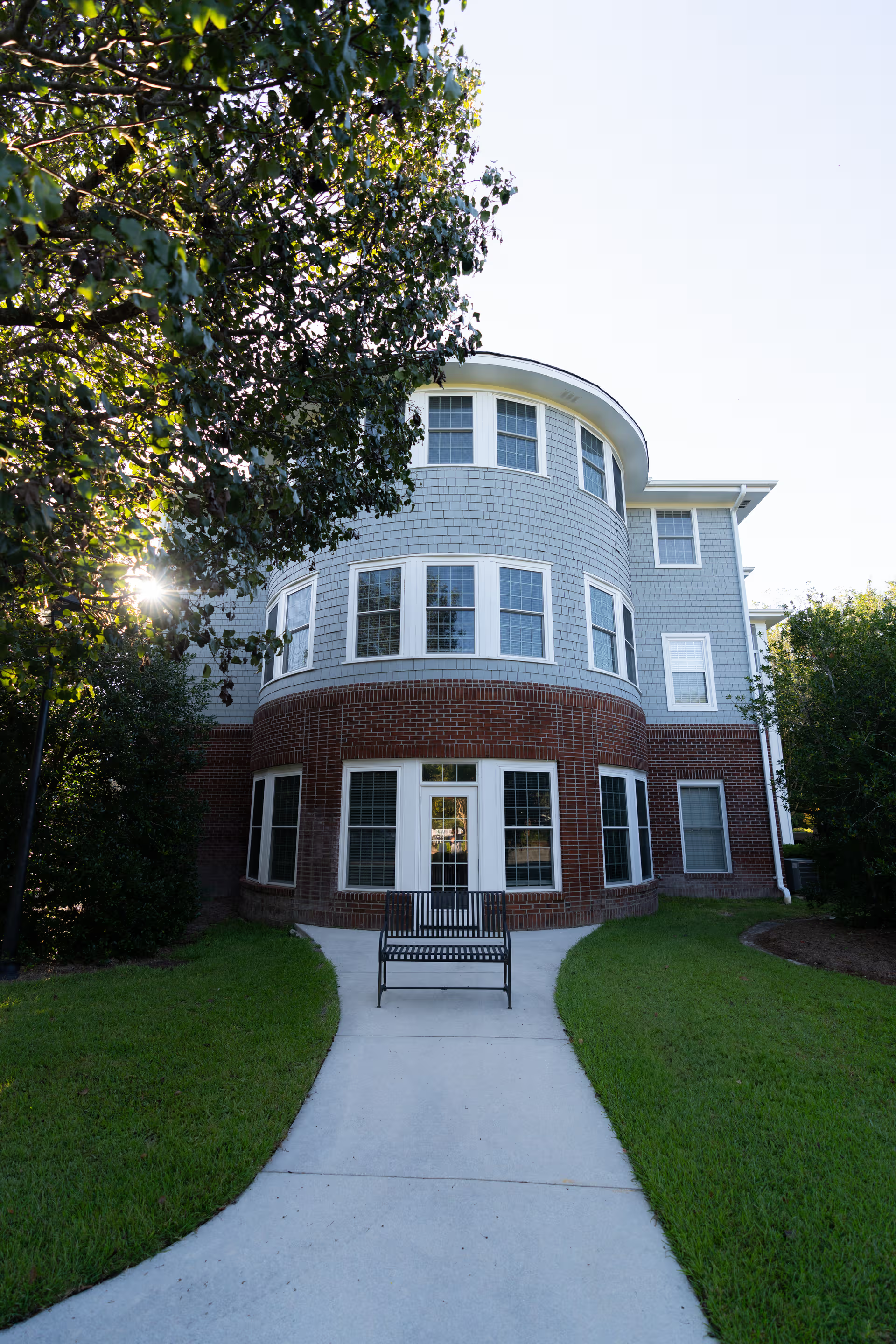
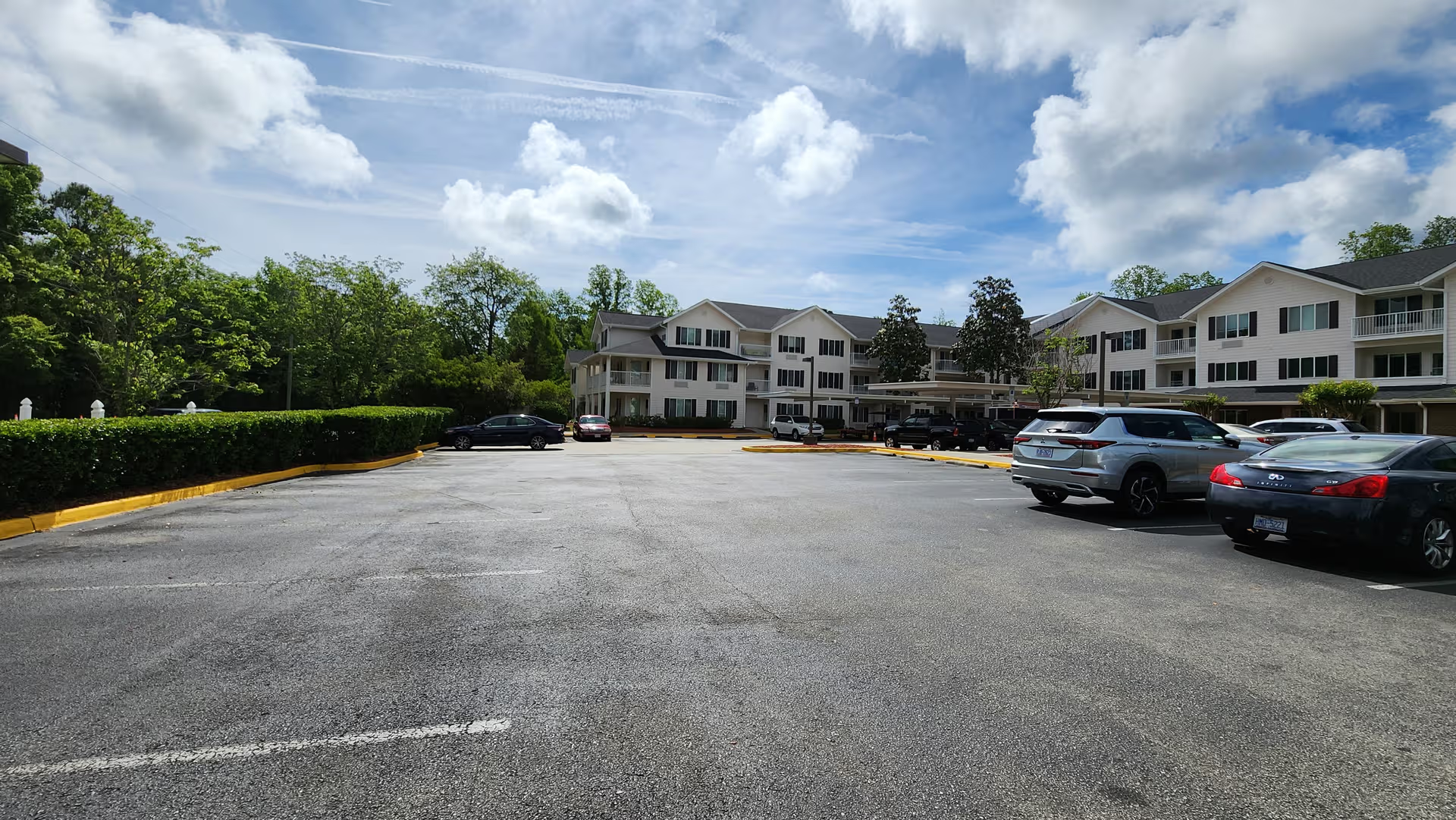
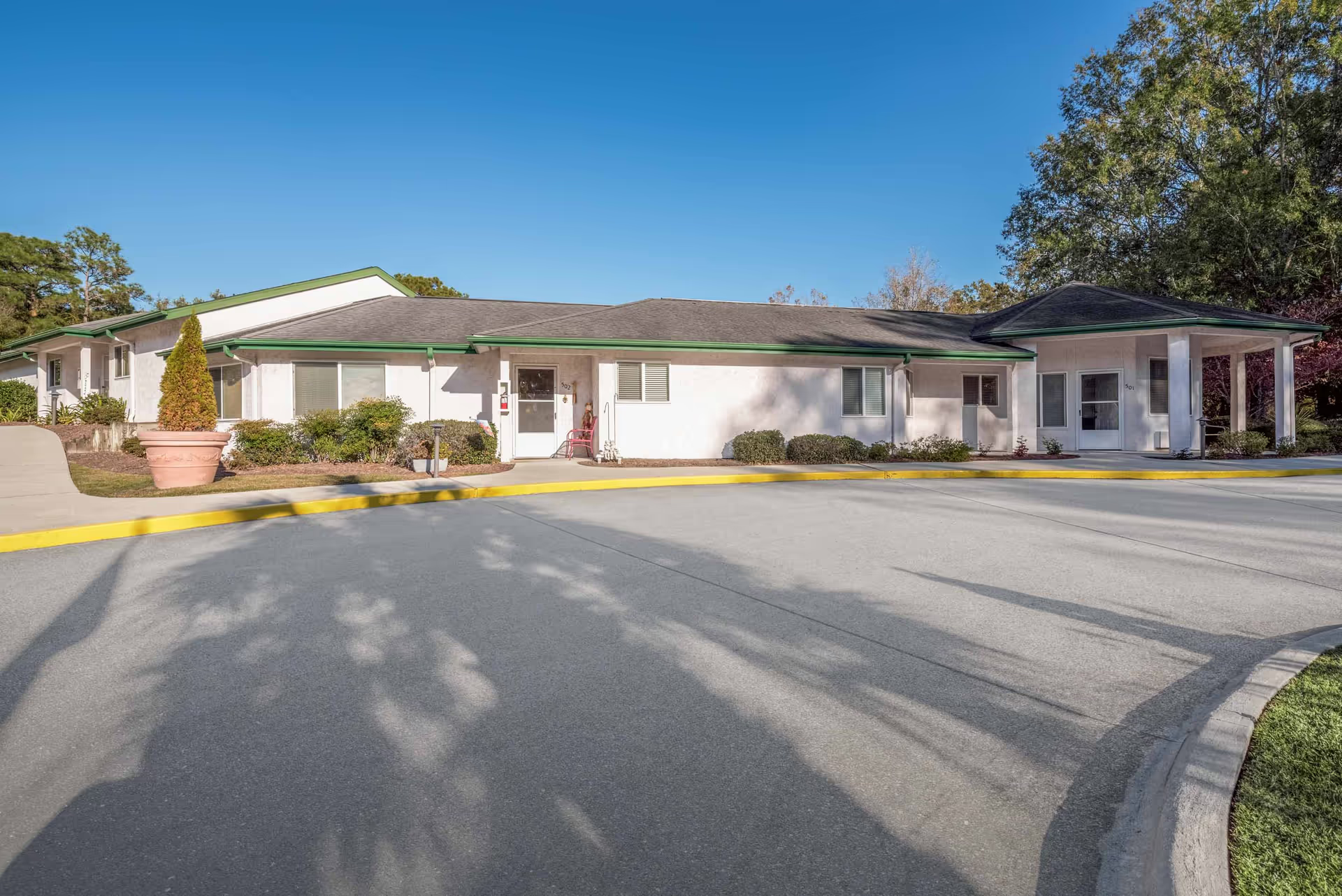
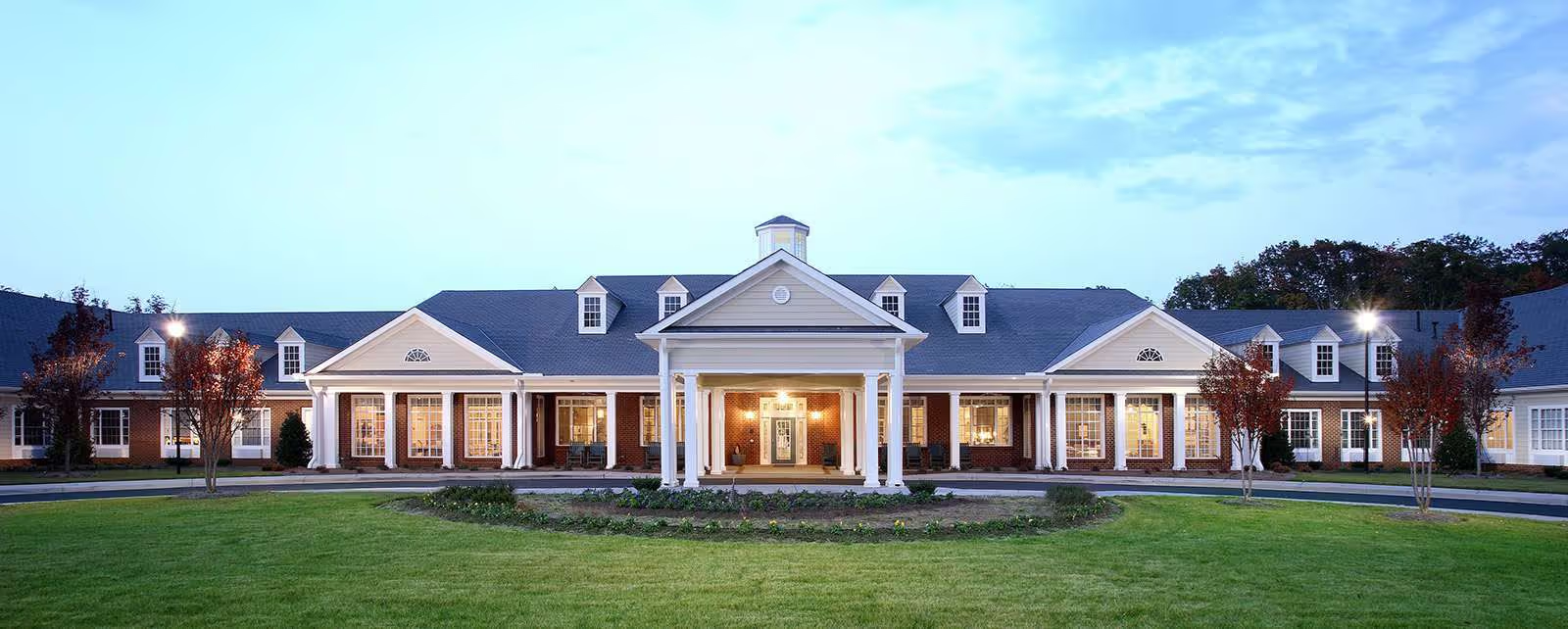
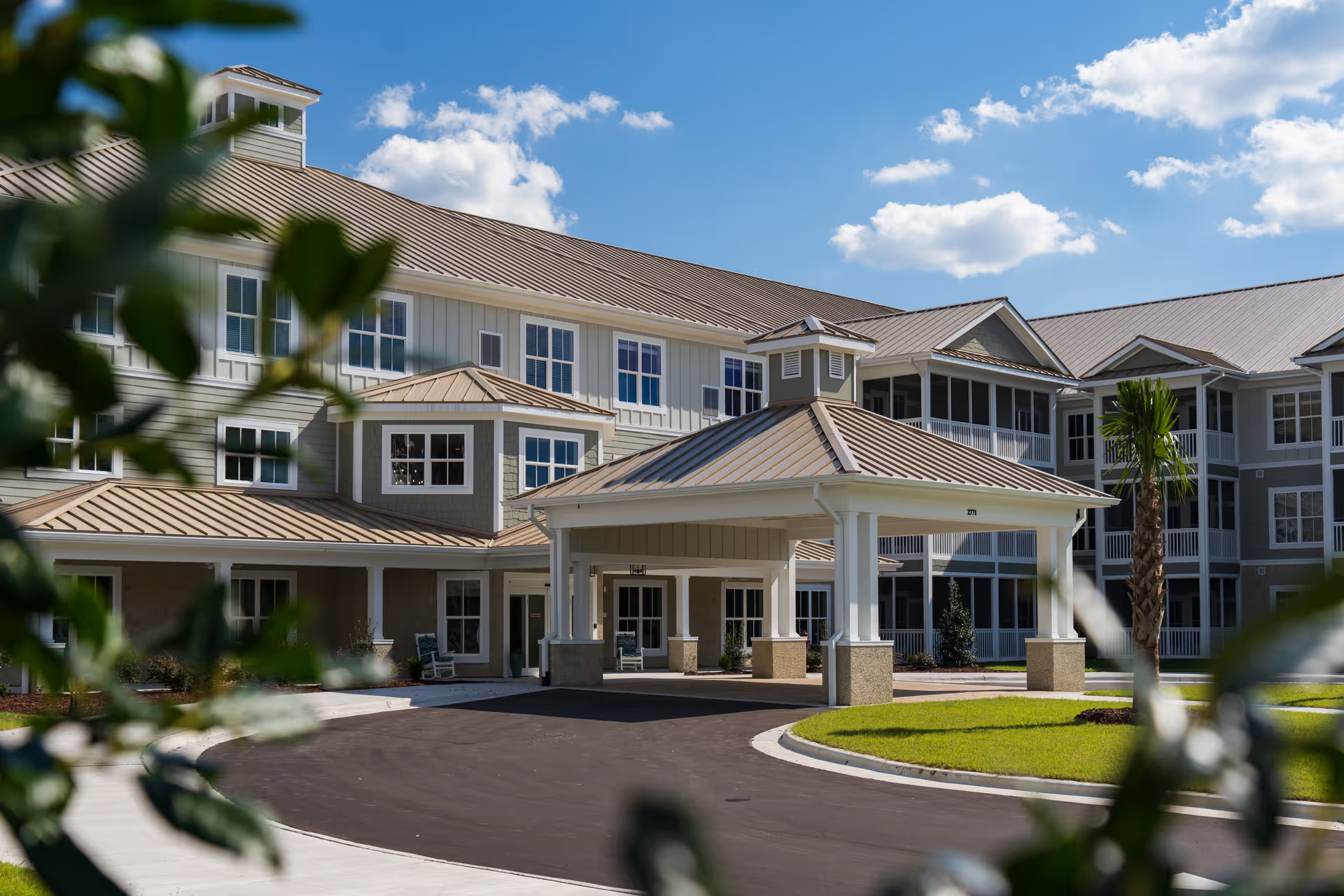
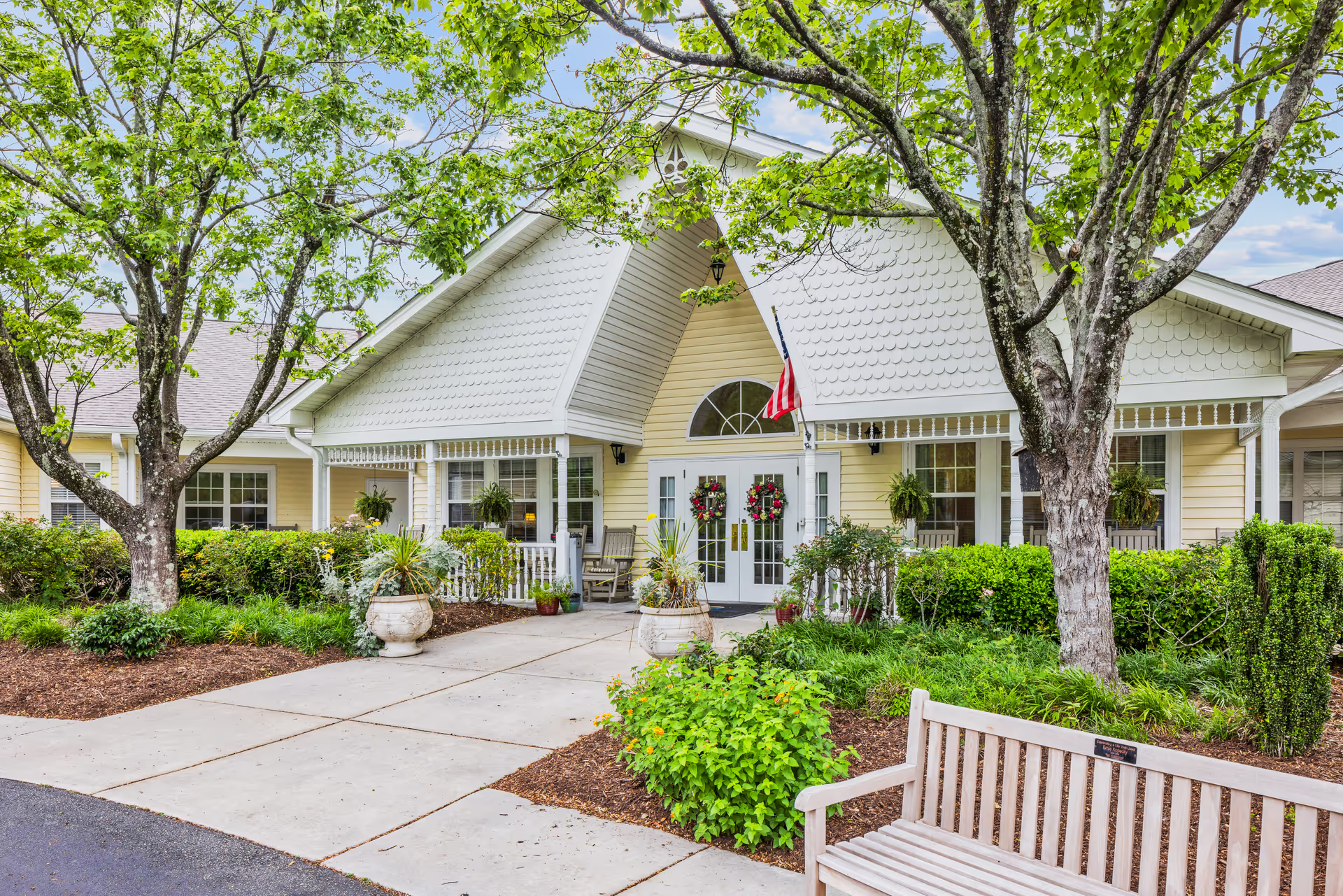
Facilities and cleanliness: The facility is often described as clean, well-maintained, and up-to-date in many areas, with pleasant common spaces and nice apartments. However, there are also specific concerns about sanitation and pest control in some areas and occasional odor issues tied to cleaning products. These conflicting observations point to uneven environmental maintenance in different parts of the community or at different times.
Management and policies: Several families raised issues about administrative practices and policies. Concerns include a perceived lack of flexibility or empathy from some administrative staff, a supplemental-fee structure (examples cited for incontinence care and monitoring), and a frequent 30-minute monitoring/check schedule that some families found intrusive or overly rigid. A number of reviewers noted the facility may be less suited for residents who require higher levels of clinical care, and some families relocated when they felt needs exceeded the community’s scope.
Notable patterns and guidance: The overall pattern is polarized—many residents flourish thanks to the food, activities, and hands-on caregiving staff, while others encounter operational problems that materially affect satisfaction. Prospective residents and families should verify current staffing levels and nurse-to-resident ratios, ask for written policies and itemized costs for incontinence care and monitoring, inquire about pest-control and housekeeping processes, and clarify the community’s capabilities for higher-acuity needs. Visiting during mealtimes and an activity period can help assess dining and programming, and meeting directly with administrative and nursing leadership can clarify fit and expectations.