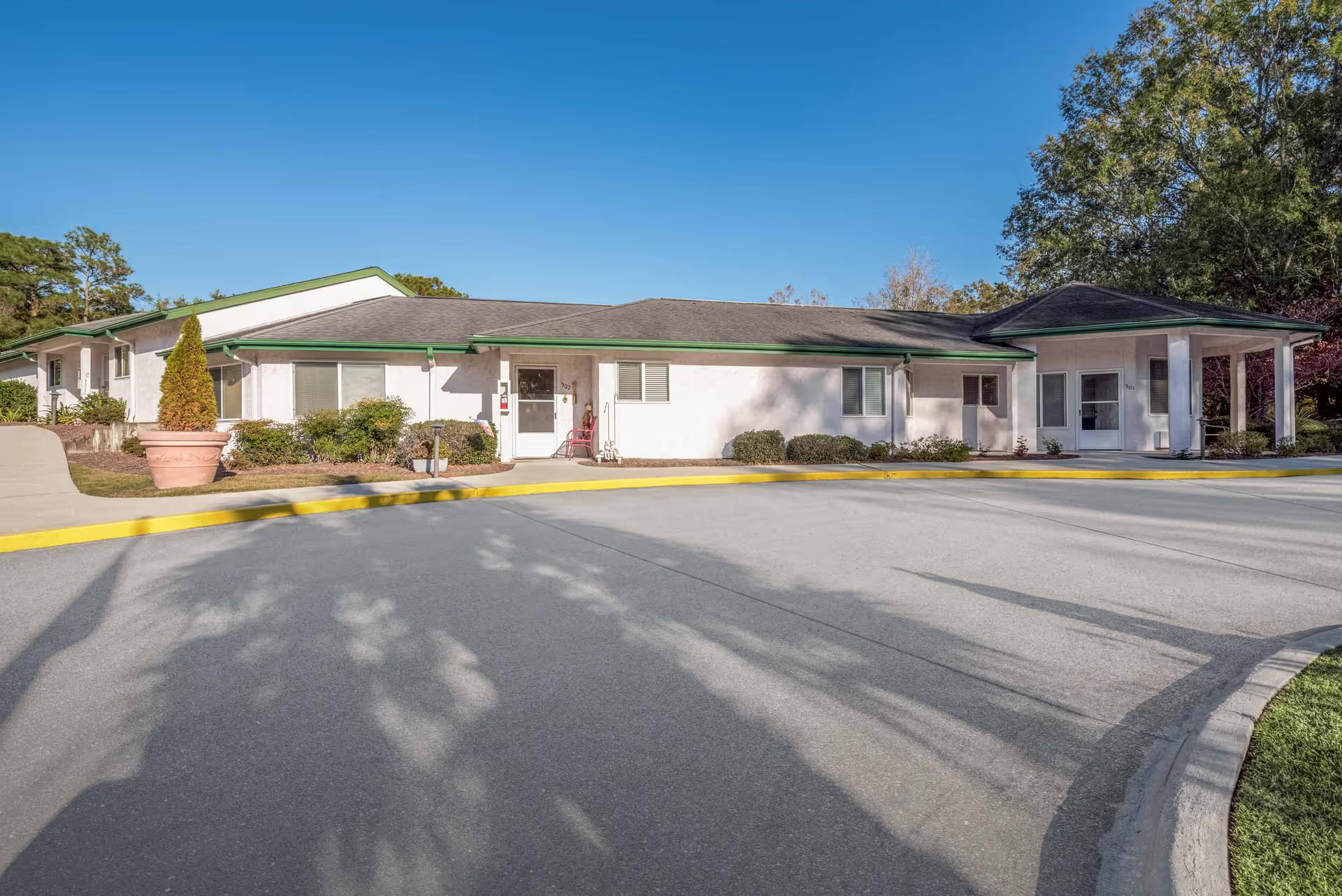
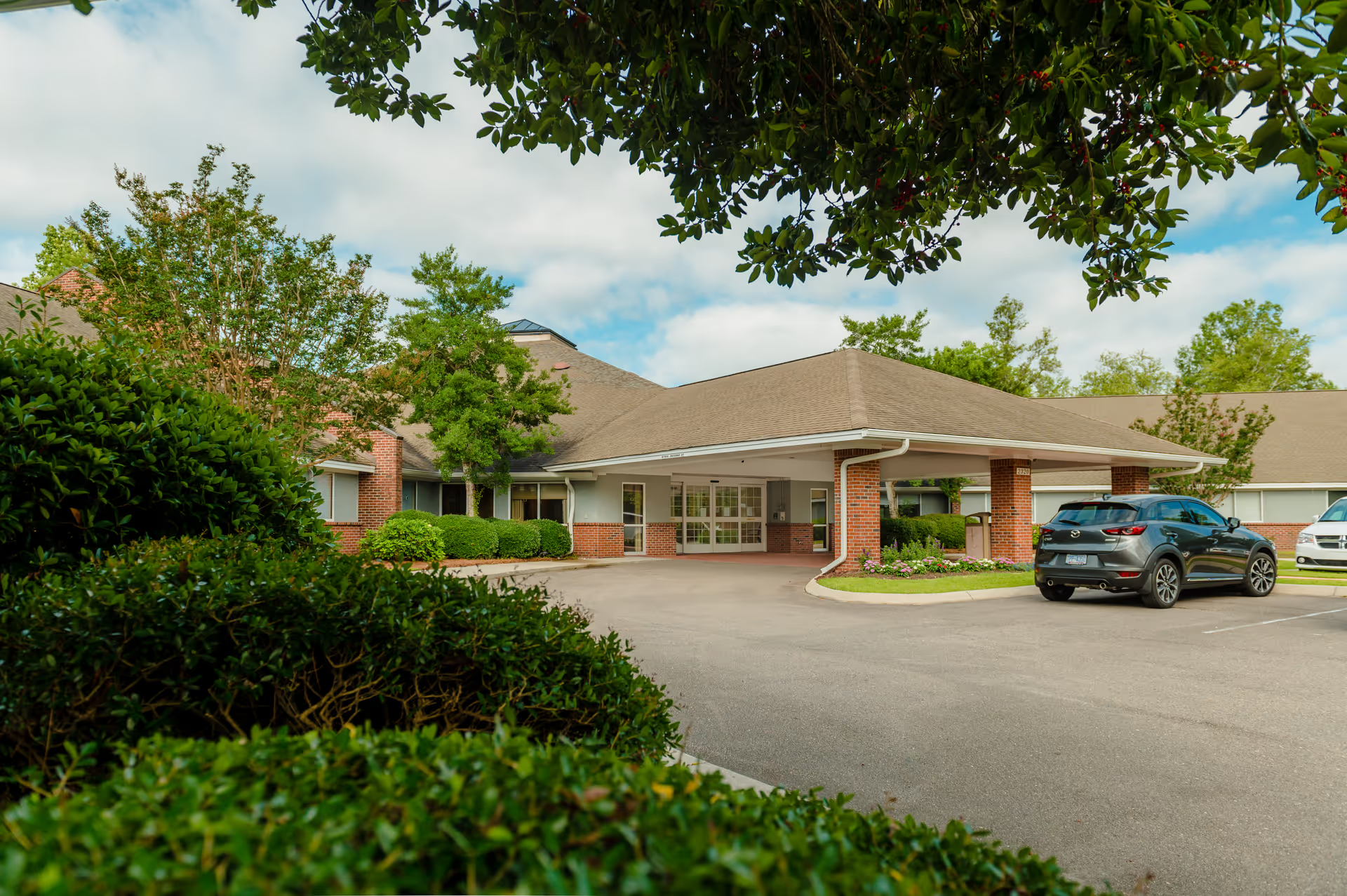
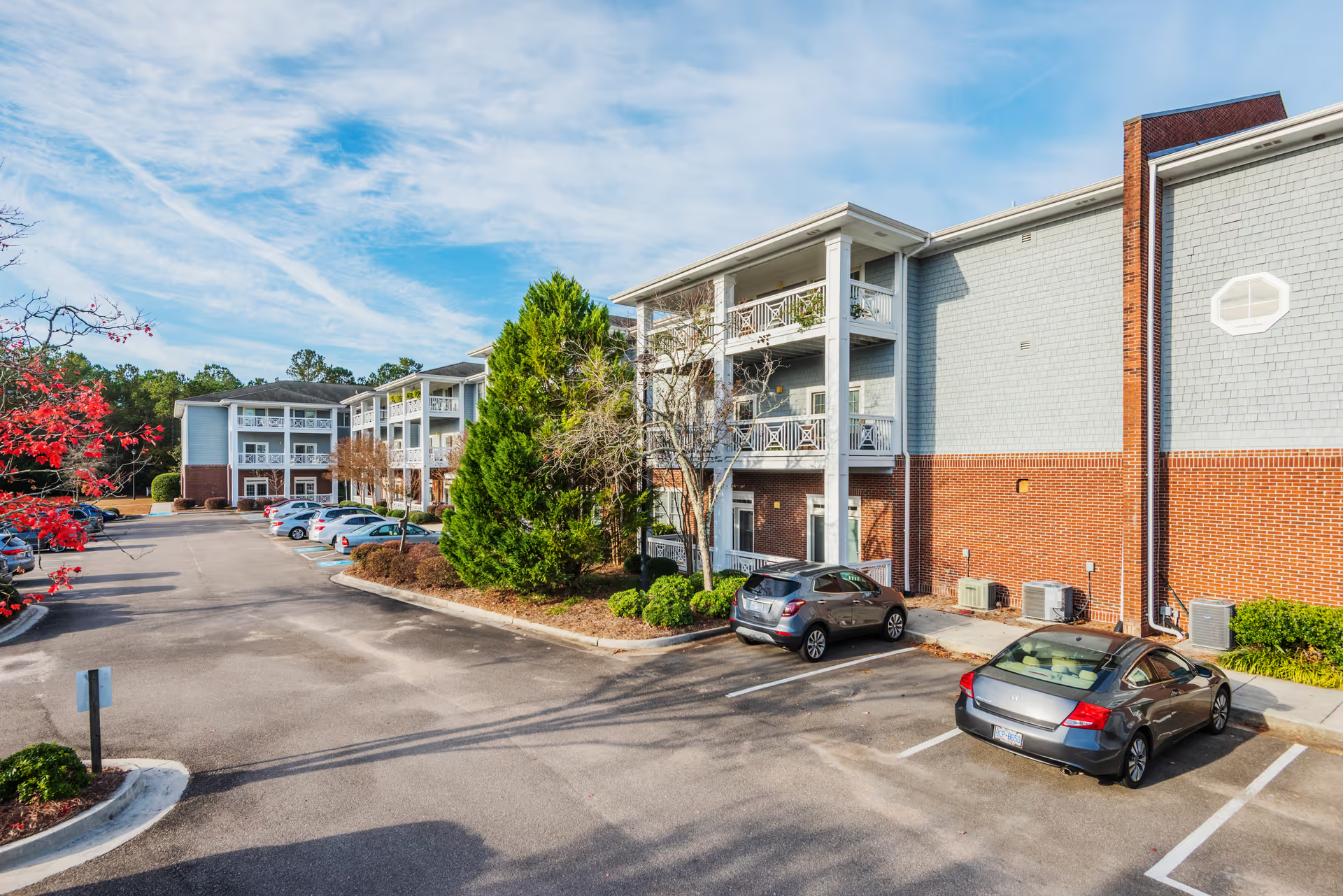
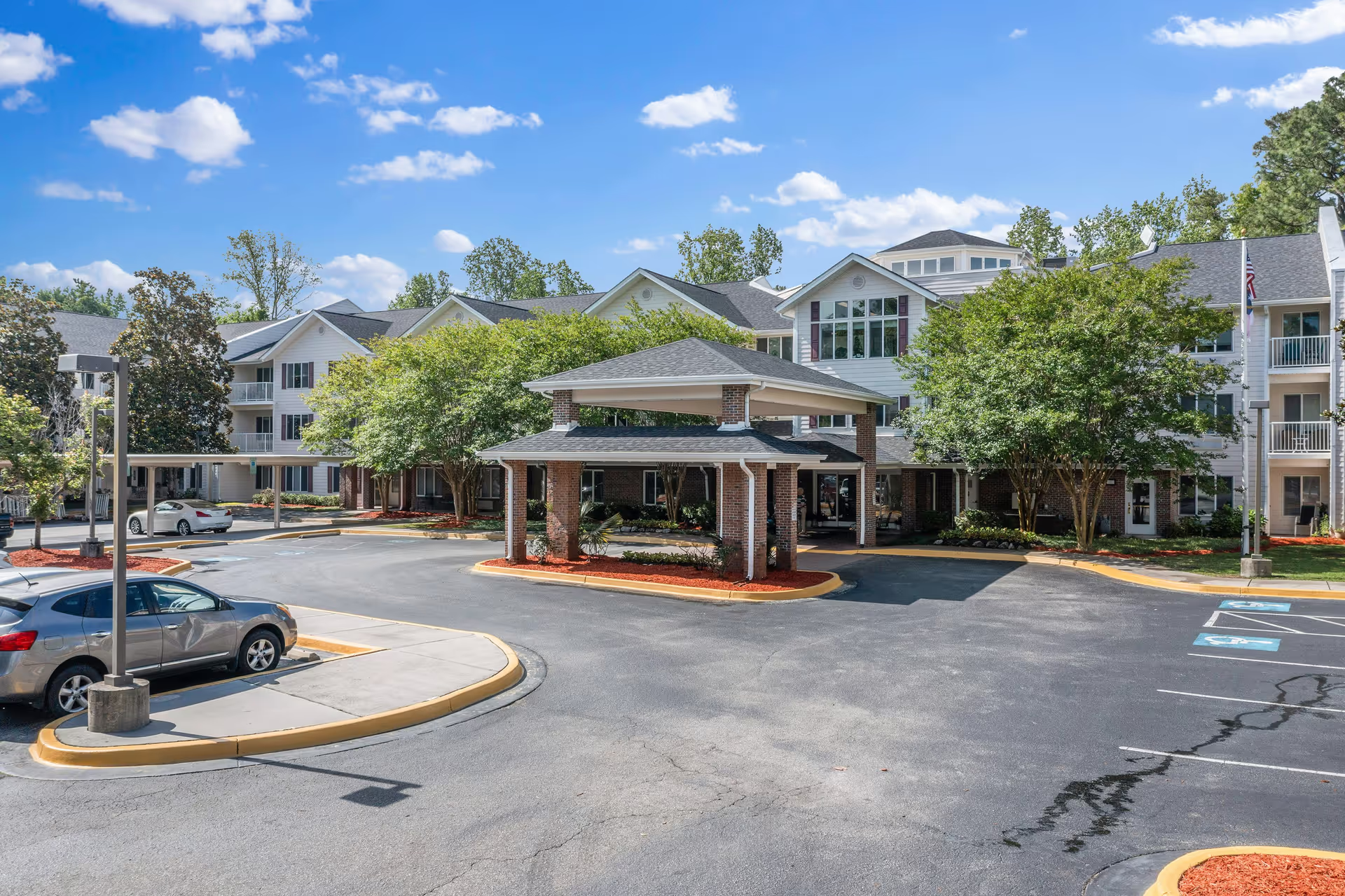
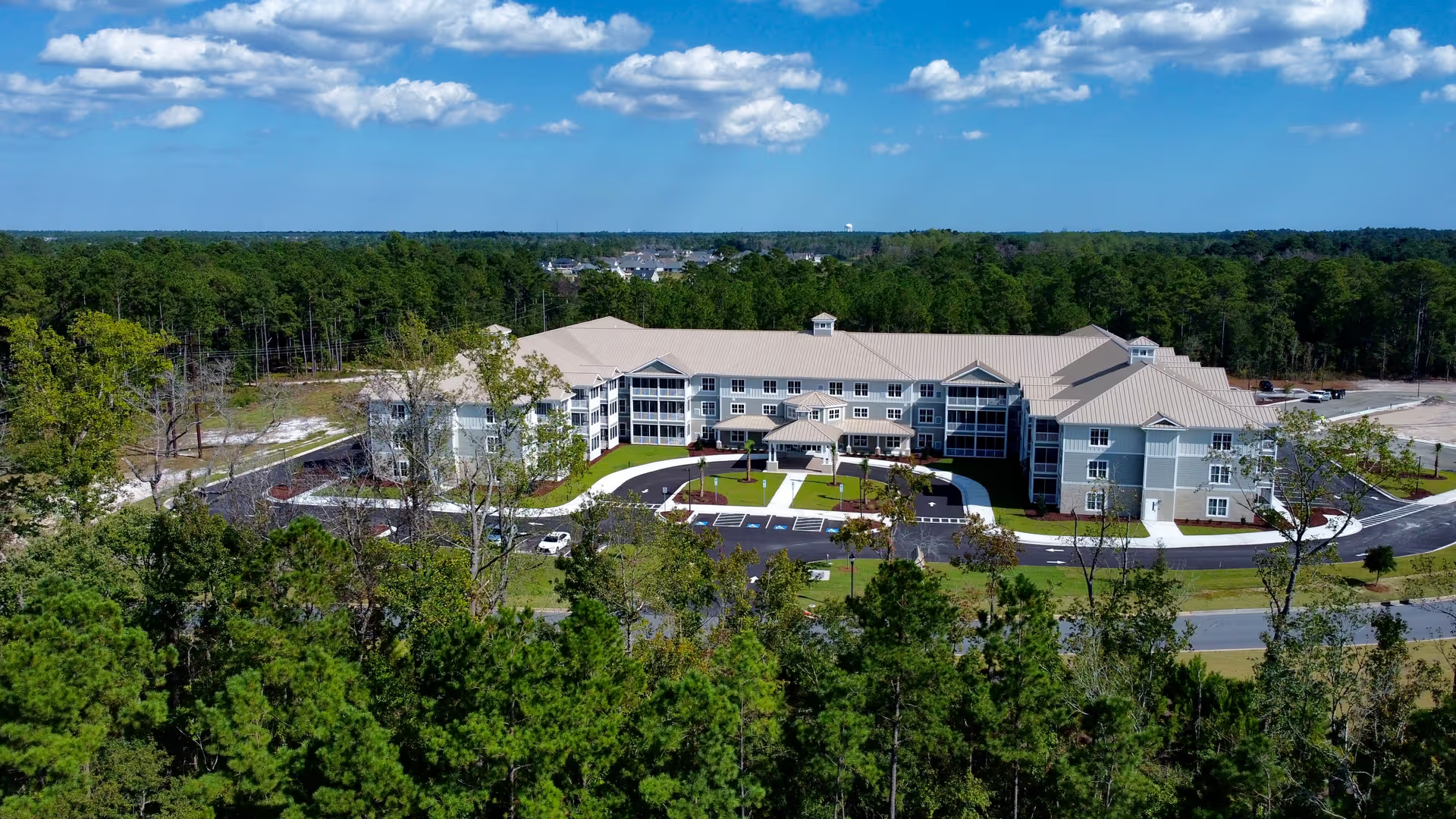
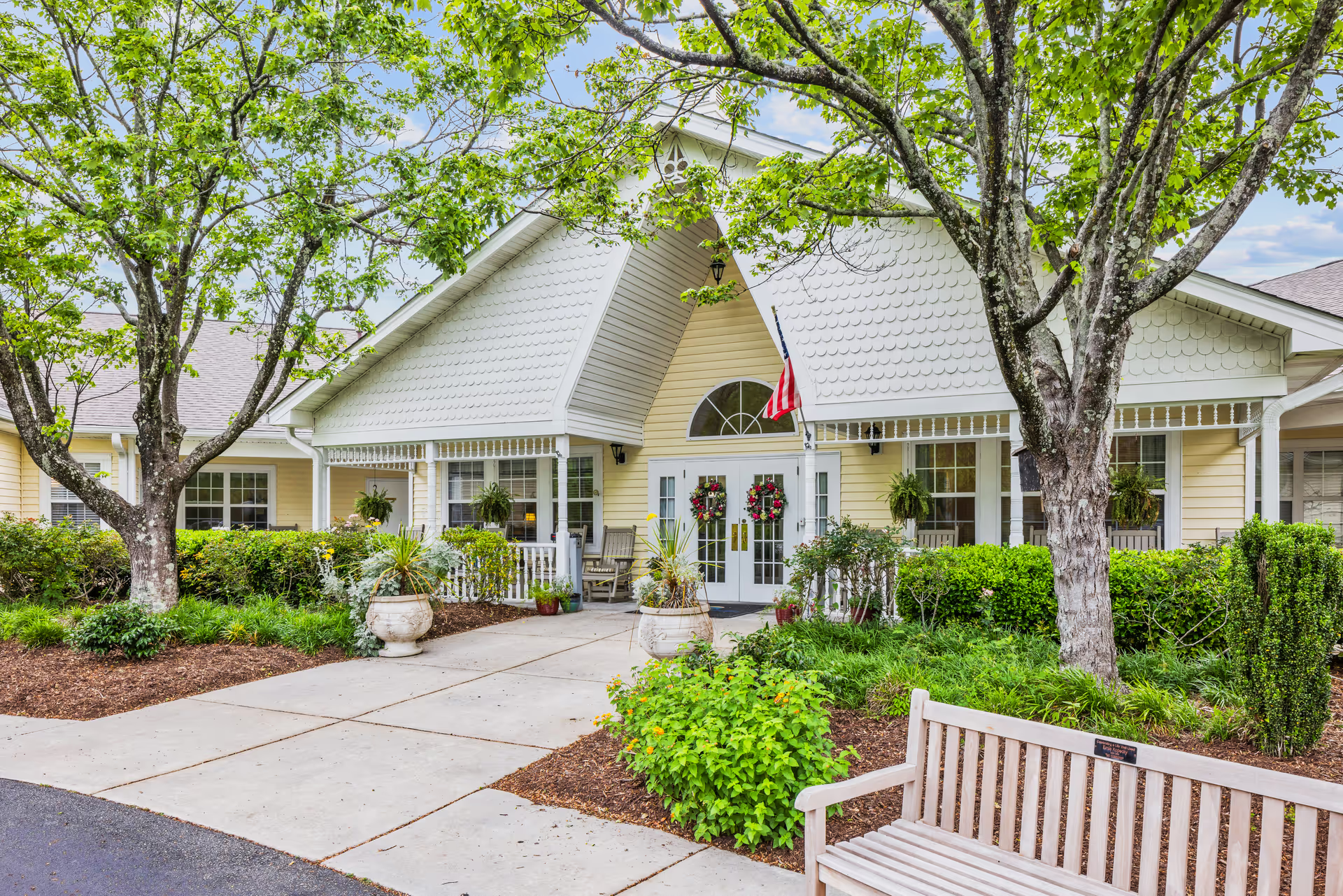
The reviews present a mixed but clear pattern: the facility is frequently praised for the quality of direct clinical care and the interpersonal warmth of staff, yet it also shows recurring operational weaknesses that affect family confidence. Many families describe compassionate, individualized care from nurses, therapy staff, and dietary teams. Physical and occupational therapy, hospice coordination, and administrative help with complex transitions were repeatedly highlighted as strengths. Residents and families often point to spacious, bright rooms and an approachable activities program that contribute to a home-like atmosphere.
At the same time, there is notable variability in the consistency of that care. Several reviews describe understaffing and staff burnout that appear to translate into uneven attention across shifts. Related concerns include gaps in clinical monitoring and documentation, questions about medication-administration controls, and uneven performance by nursing assistants. A small number of accounts raise serious clinical-safety concerns and describe issues that merit follow-up with facility leadership and regulators; families should specifically ask about staffing ratios, training, and incident-response protocols during a visit.
Dining and activities receive mixed feedback. Dietary staff are credited with accommodating special needs and providing meals that some families found excellent; other comments describe small portions or inconsistent food quality. The activities program and outdoor spaces are appreciated, though participation is understandably limited for residents with reduced mobility. Observing a mealtime and an activity session during a tour would give prospective families a clearer sense of consistency.
The physical plant and operations show a split picture. Many reviewers note clean, well-maintained rooms and routine disinfection, while others cite an older facility, sanitation and odor concerns in areas, and uncomfortable mattresses. Property-management processes also appear inconsistent: lost or misplaced personal items and laundry-management problems are recurring operational complaints. Admissions and front-desk processes were praised in some cases and criticized in others for disorganization or poor communication.
Management and communication are likewise mixed. Several families singled out directors and administrators who ‘‘went above and beyond’’ to coordinate moves and communicate progress. Conversely, other accounts describe dismissive communication tone, unsatisfactory complaint resolution, and rigid visitation policies during infection-control events. These contrasting reports suggest variability in leadership responsiveness and in how policies are applied.
Bottom line: Brunswick Cove demonstrates clear strengths in clinical rehabilitation, hospice coordination, and compassionate staff interactions, alongside operational and consistency gaps that affect family trust. Prospective residents and their families should schedule an in-person tour, observe care and mealtime routines, ask for current staffing ratios and incident-response policies, review laundry/property procedures, and request examples of clinical-monitoring and medication-safety practices before making a placement decision.