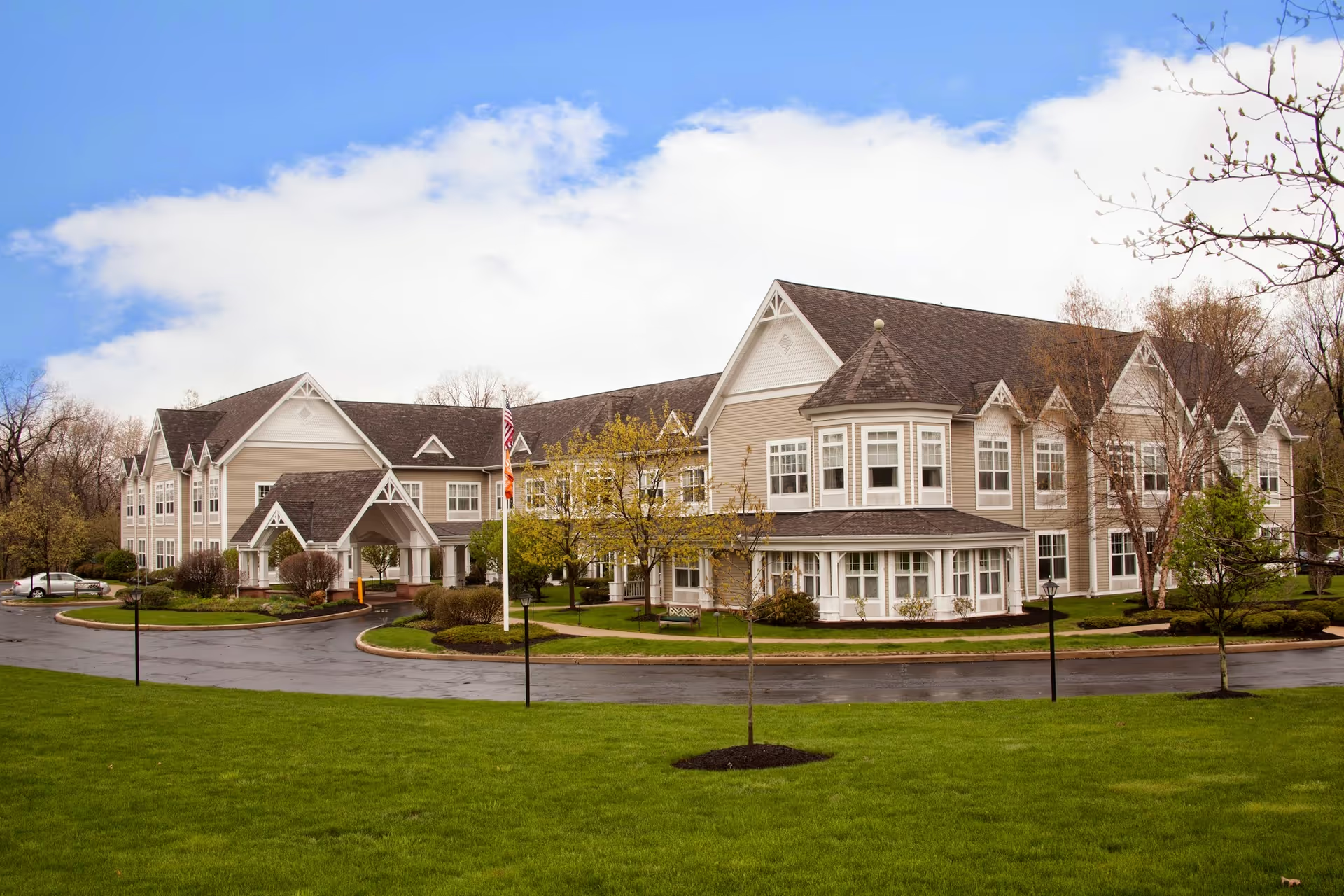
Arden Courts of Bath is consistently described as a small, home-like memory-care community with strong strengths in dementia-focused caregiving. Many families emphasize the compassionate, patient-centered approach of the direct-care staff, noting that caregivers learn residents’ names, build relationships, and engage residents in conversation and music. The facility’s emphasis on memory care is reflected in daily programming, dementia-informed activities, and staff training; reviewers also cite a low caregiver-to-resident ratio and around-the-clock nursing coverage as stabilizing clinical features.
Staffing and care quality are the facility’s most frequently praised attributes. Reviewers commonly describe attentive, kind, and knowledgeable caregivers, effective hospice coordination, and proactive leadership that prioritizes resident dignity. Activities programming — including music, games, themed events and neighborhood-style gathering areas — is described as robust and contributes to socialization and improved resident mood. Dining receives generally positive remarks for taste and variety, though menu continuity and dinner options were noted as variable by some families.
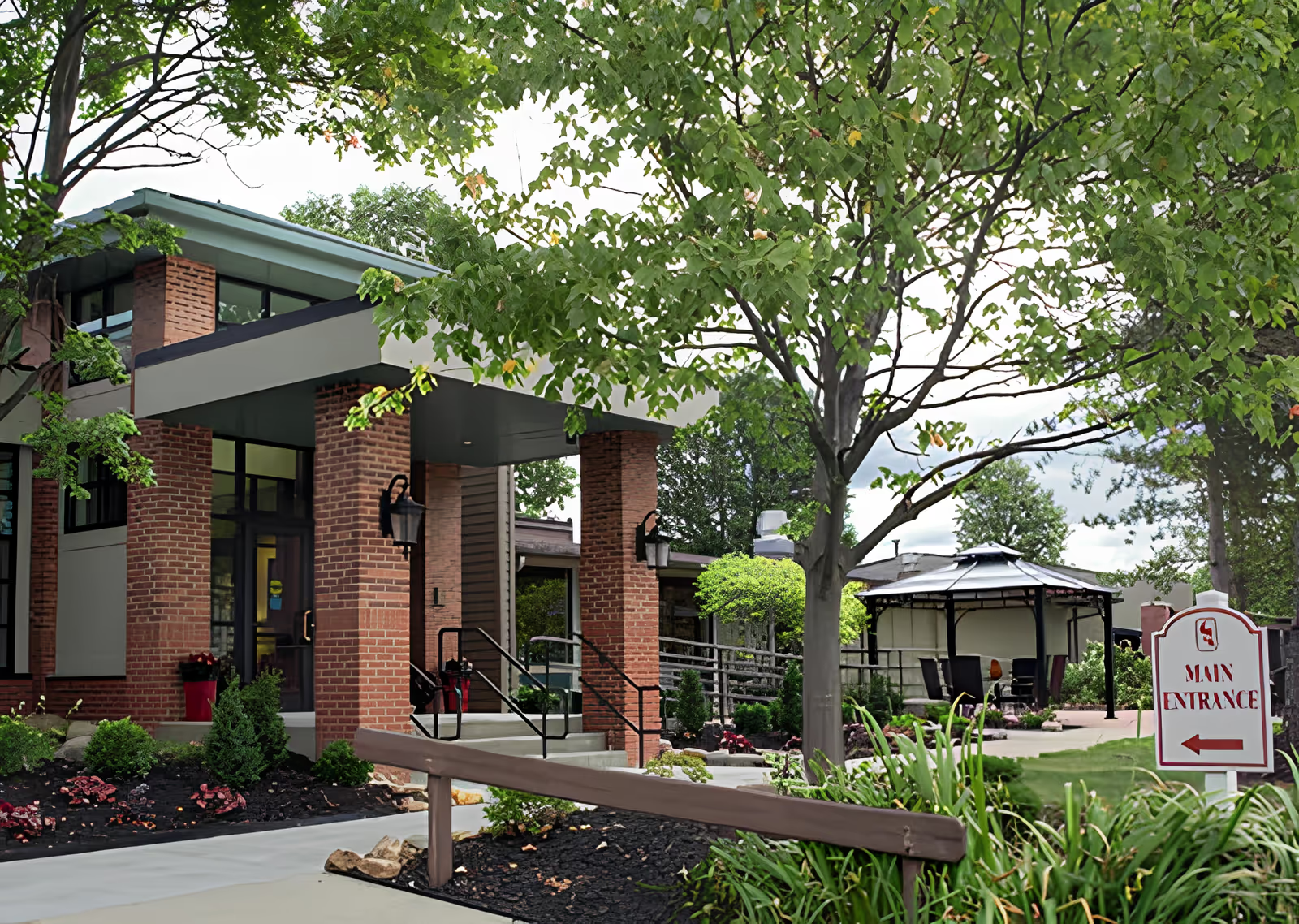
Facility and environment comments are largely favorable: the building, grounds, and secure courtyard receive repeated commendation for cleanliness and a pleasant, safe outdoor space. Private rooms with half baths and a home-like dining environment are seen as positive features. At the same time, operational inconsistencies appear in several domains. Housekeeping and room sanitation were uneven in specific instances (e.g., cobwebs, pest-control concerns in rooms), and families reported problems with laundry handling and occasional damp or missing clothing. Maintenance follow-through has been described as inconsistent, with some items addressed quickly and others requiring family intervention.
Several recurring operational risks warrant attention for prospective families. Reviewers note variable staffing levels, including reliance on agency staff on weekends and periodic staff turnover, which can affect continuity of care and program delivery. There are documented process gaps in medication-ordering and billing reconciliation that produced disputes for some families. Safety-management and post-incident resolution practices were questioned in a few accounts (for example, concerns about wandering or falls and how incidents were handled). Additionally, room size and layout options are limited in places, and the community does not accept Medicaid — both are practical constraints to confirm during intake. A small number of reviewers also perceived a mismatch between advertised specialty services for particular dementia subtypes and individual resident fit; families should clarify clinical fit during the tour and contract discussion.
Overall, Arden Courts of Bath presents as a dementia-focused community with strong relational caregiving, active programming, and many families reporting improved quality of life for residents. However, the facility shows patterns of operational variability in housekeeping, weekend/temporary staffing, medication and billing processes, maintenance follow-through, and laundry management. Prospective families should weigh the facility’s dementia expertise and community atmosphere against these operational items, ask targeted questions about housekeeping standards, medication and billing controls, weekend staffing, maintenance response times, and payer acceptance, and consider a trial period or documented service guarantees where possible.