This facility's public feedback is highly polarized: several families and visitors described positive care experiences driven by strong therapy teams, attentive nursing staff, and recent facility updates, while other accounts raise significant operational concerns. There is evidence of effective rehabilitation services (including respiratory and tracheostomy/vent-weaning support), successful wound healing in therapy cases, engaging activities, and portions of the building that have been remodeled and maintained to a high standard.
Clinical quality appears uneven. Multiple accounts cite timely, effective therapy and compassionate nursing that helped residents regain mobility or recover from wounds. Conversely, reviewers also describe medication-administration gaps, delays in nursing responses, and specific medication-handling practices that have led to complications (for example feeding-tube blockage related to crushed medications). Families with high-acuity needs — ventilator, tracheostomy, or complex respiratory care — report inconsistent competency and variable outcomes between shifts or floors. Pressure-injury indicators and other signs of inconsistent clinical vigilance were also mentioned by several families.
Staff behavior and staffing levels are recurring themes. Positive comments highlight caring, supportive staff members and strong teamwork in some units, while other narratives describe variable conduct, communication tone issues, and instances of staff unresponsiveness. Reviewers describe periods of understaffing, reliance on agency nurses, delayed call responses, and staff turnover; these operational patterns appear linked to many of the concerns about timeliness and continuity of care.
Dining and activities receive mixed feedback. The activities department is frequently characterized as friendly and engaging. Meal quality is inconsistent: some families complimented particular dishes and overall food service, while others raised concerns about menu healthfulness, weight changes attributed to dining choices, and intermittent food-quality problems.
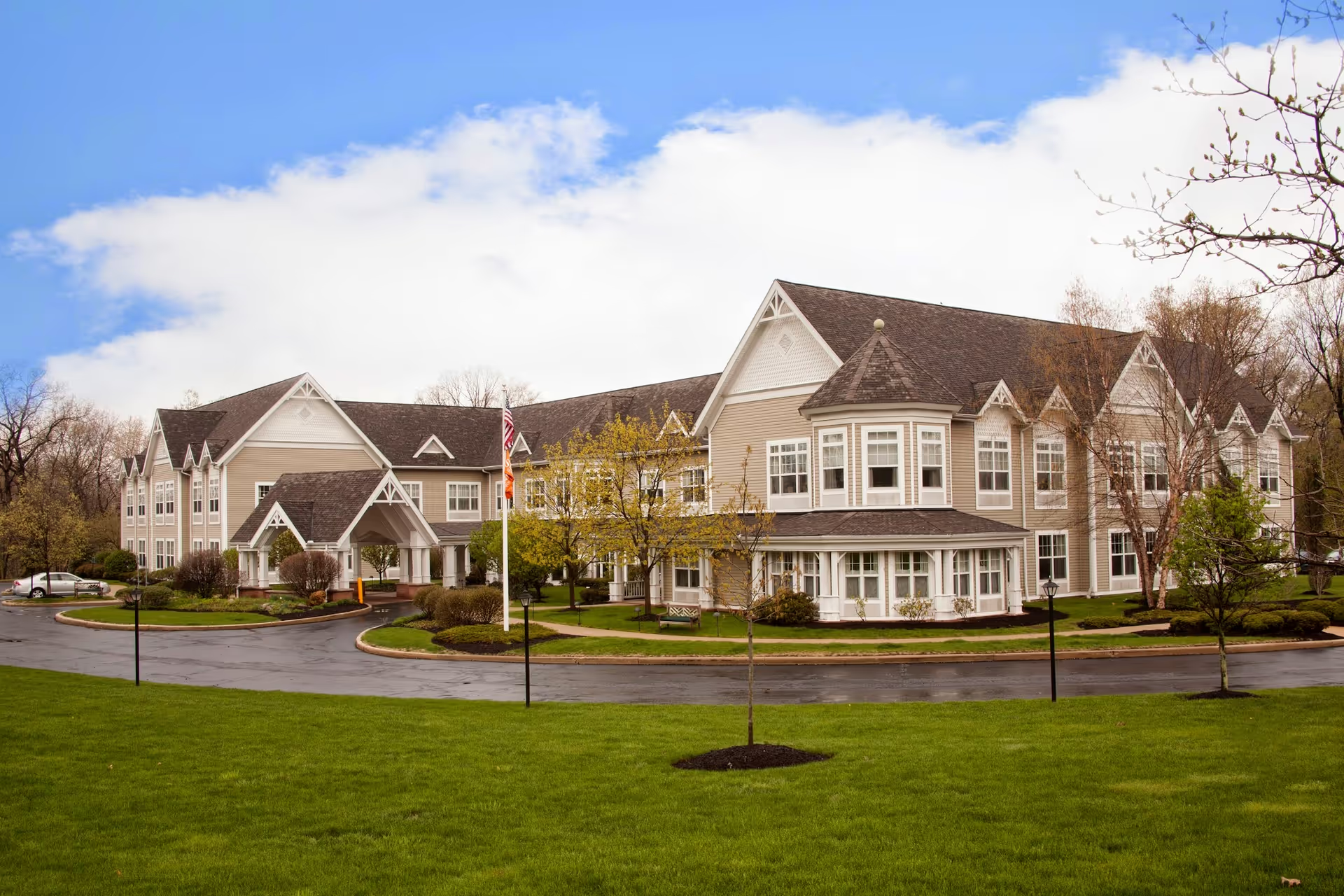
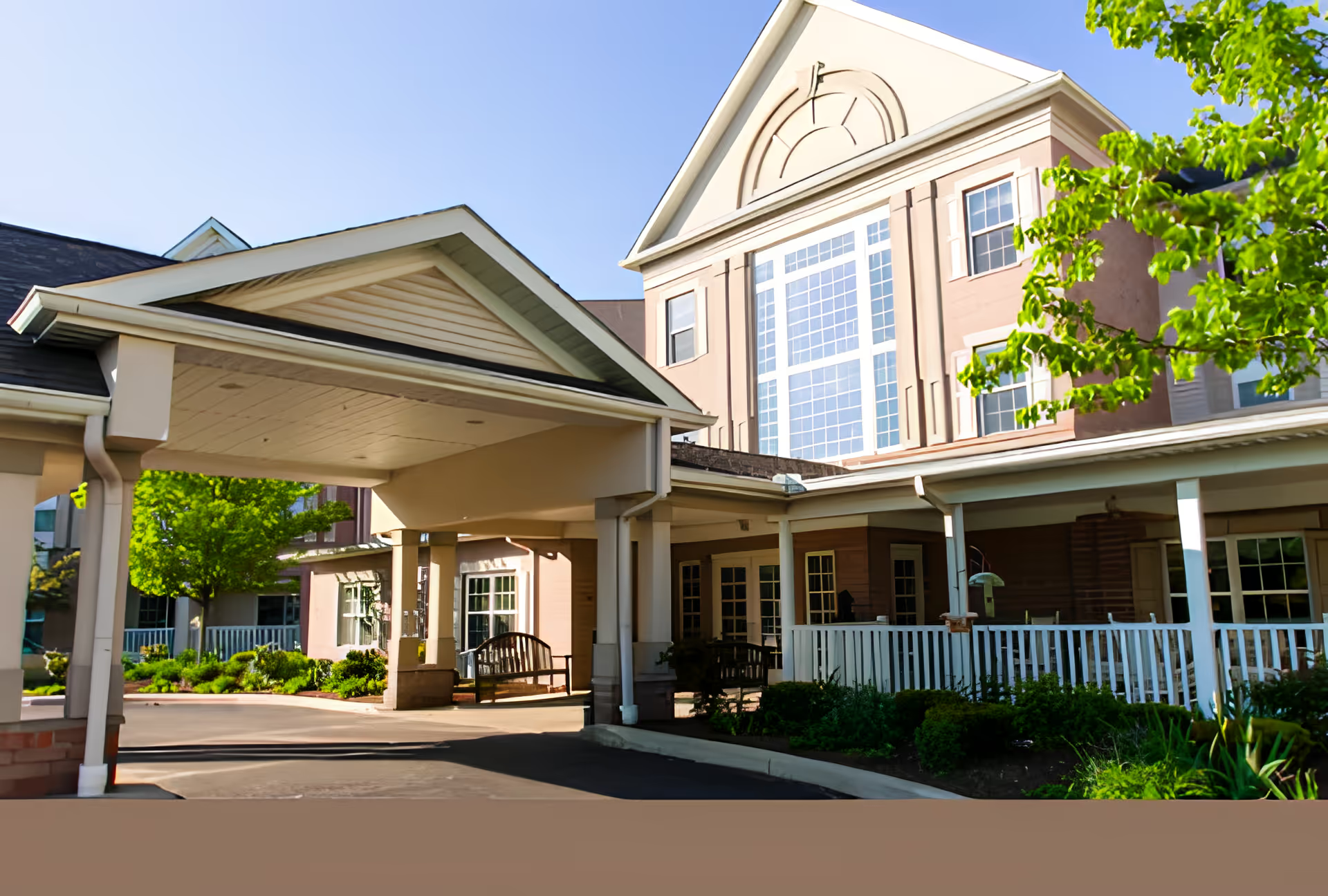
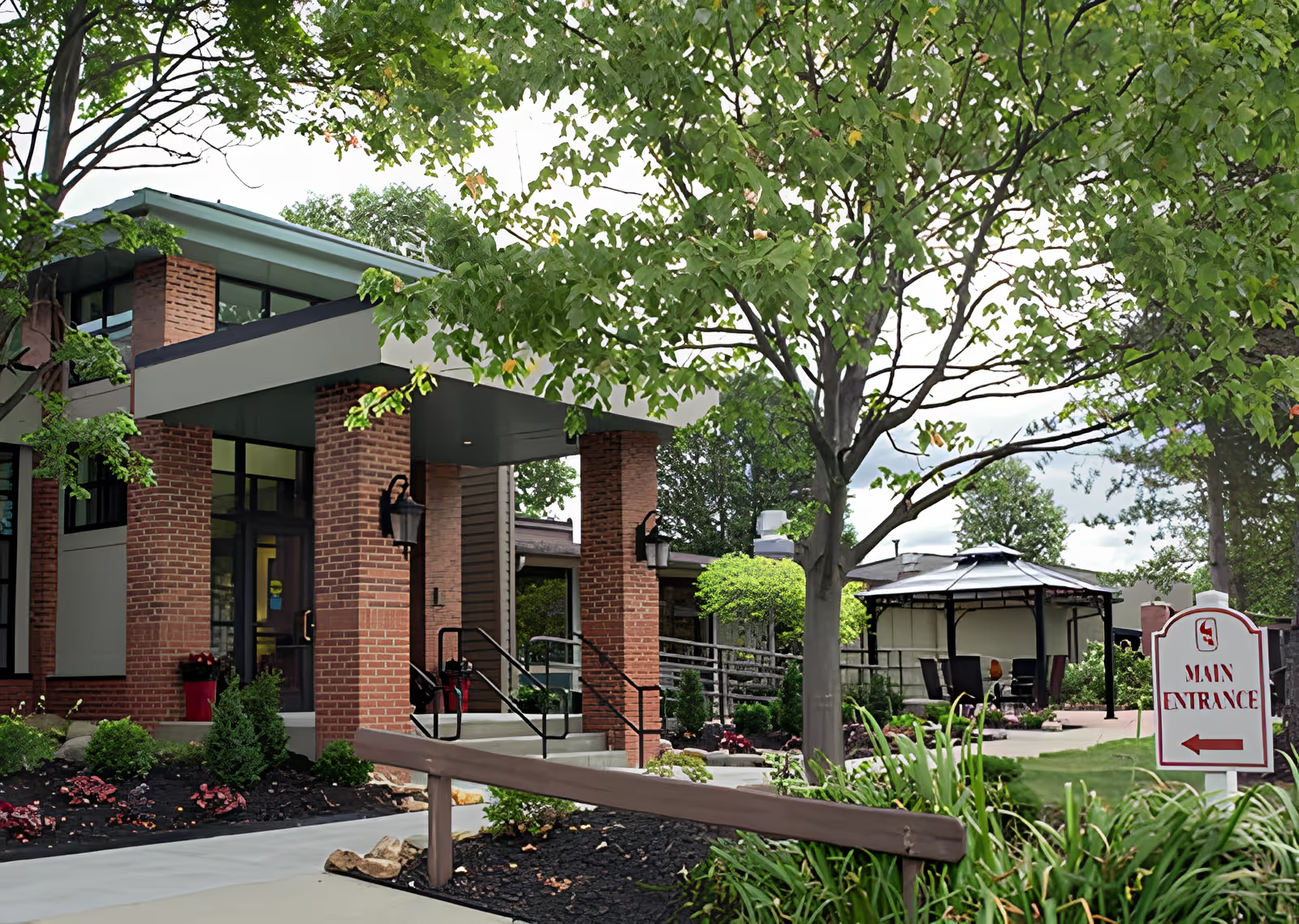
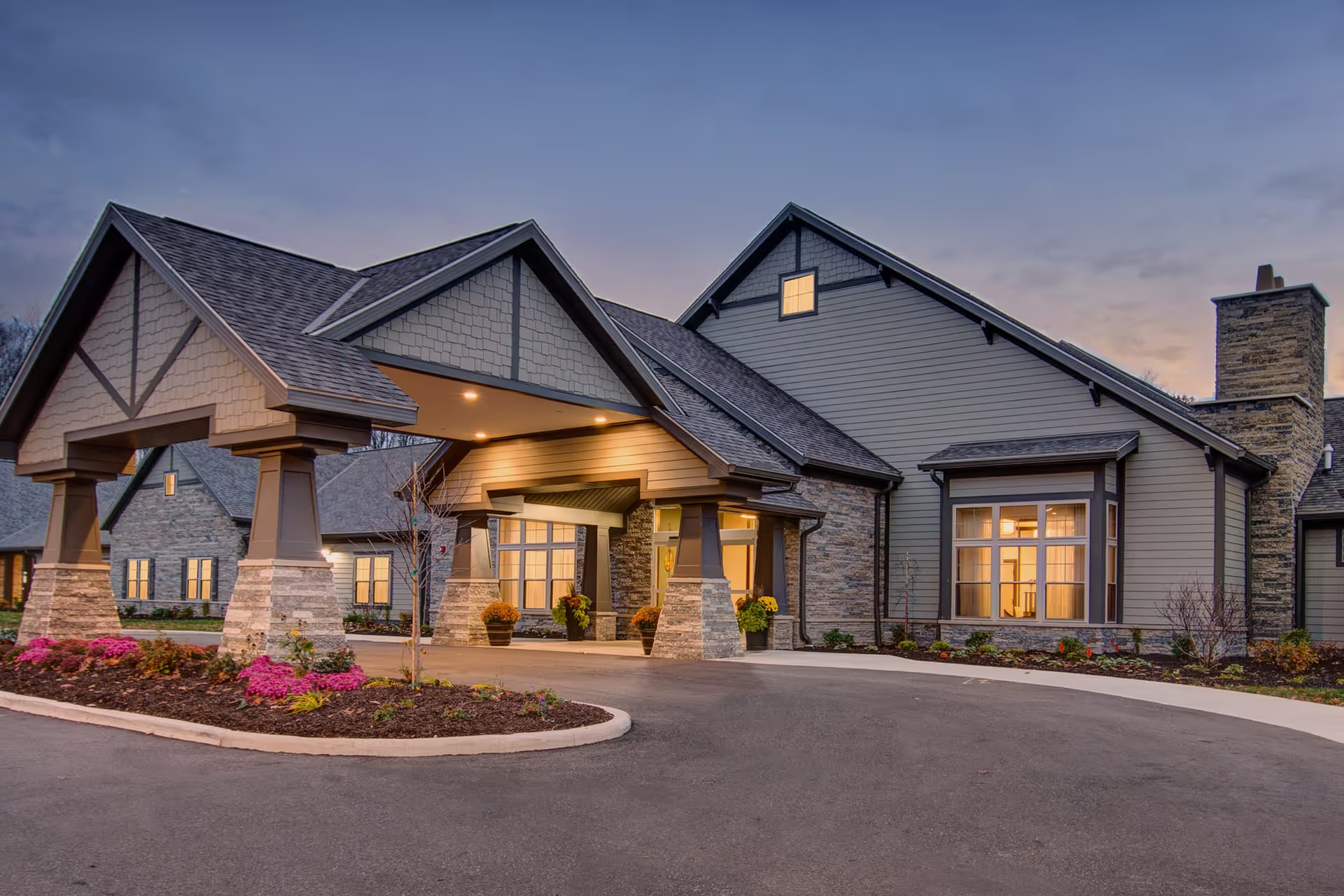
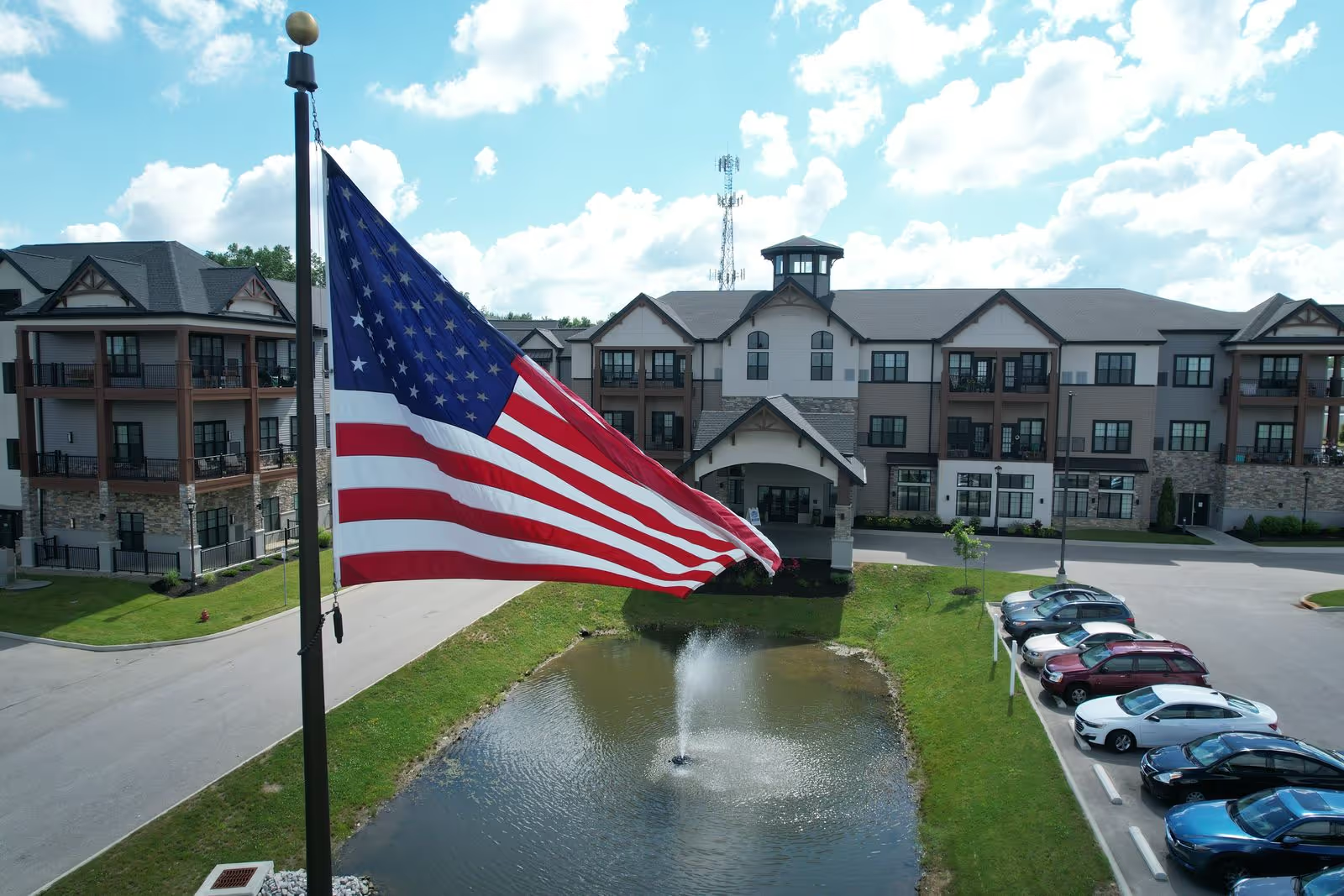
Facility condition and maintenance show a split picture. Numerous comments praise recently remodeled areas, a pleasant courtyard, and responsive housekeeping. At the same time, other accounts cite maintenance shortfalls (broken equipment, elevator delays, holes in walls), sanitation and odor concerns in particular units, and pest-control concerns. Security of personal belongings and financial-account controls has been questioned, with reports of missing items and concerns about account management.
Management and communication are variable and appear to be improving under newer leadership according to several families. Positive notes include responsive administration, active engagement with families, and visible changes since ownership/management transitions. However, other families described weak incident follow-up, slow or absent family communication, and limited accountability in some cases; there are even allegations of inappropriate staff-resident relationships and financial misconduct that merit careful investigation.
Notable pattern: many comments indicate that experiences differ substantially by unit, shift, and timeframe. Prospective residents and families should plan an in-person tour that includes multiple units and meal times, ask for current staffing ratios, review medication-administration and infection-control policies, clarify capabilities for high-acuity needs (vent/trach care, suctioning), inquire about dementia-care protocols, and request documentation on financial safeguards and incident-reporting processes. The facility shows clear strengths in therapy and in parts of its staff and environment, but persistent operational weaknesses identified across accounts suggest the importance of direct verification and regular follow-up if considering placement.