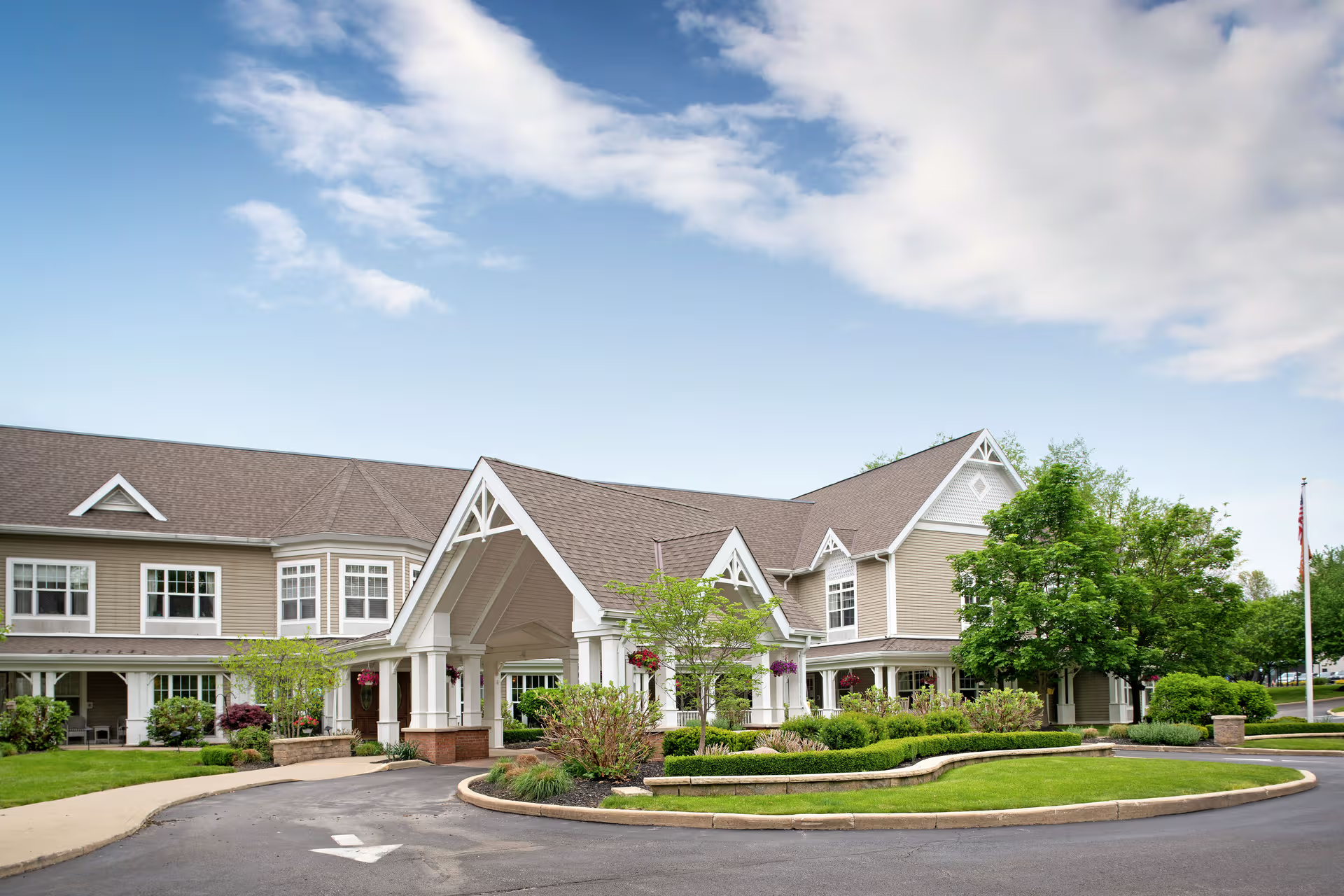
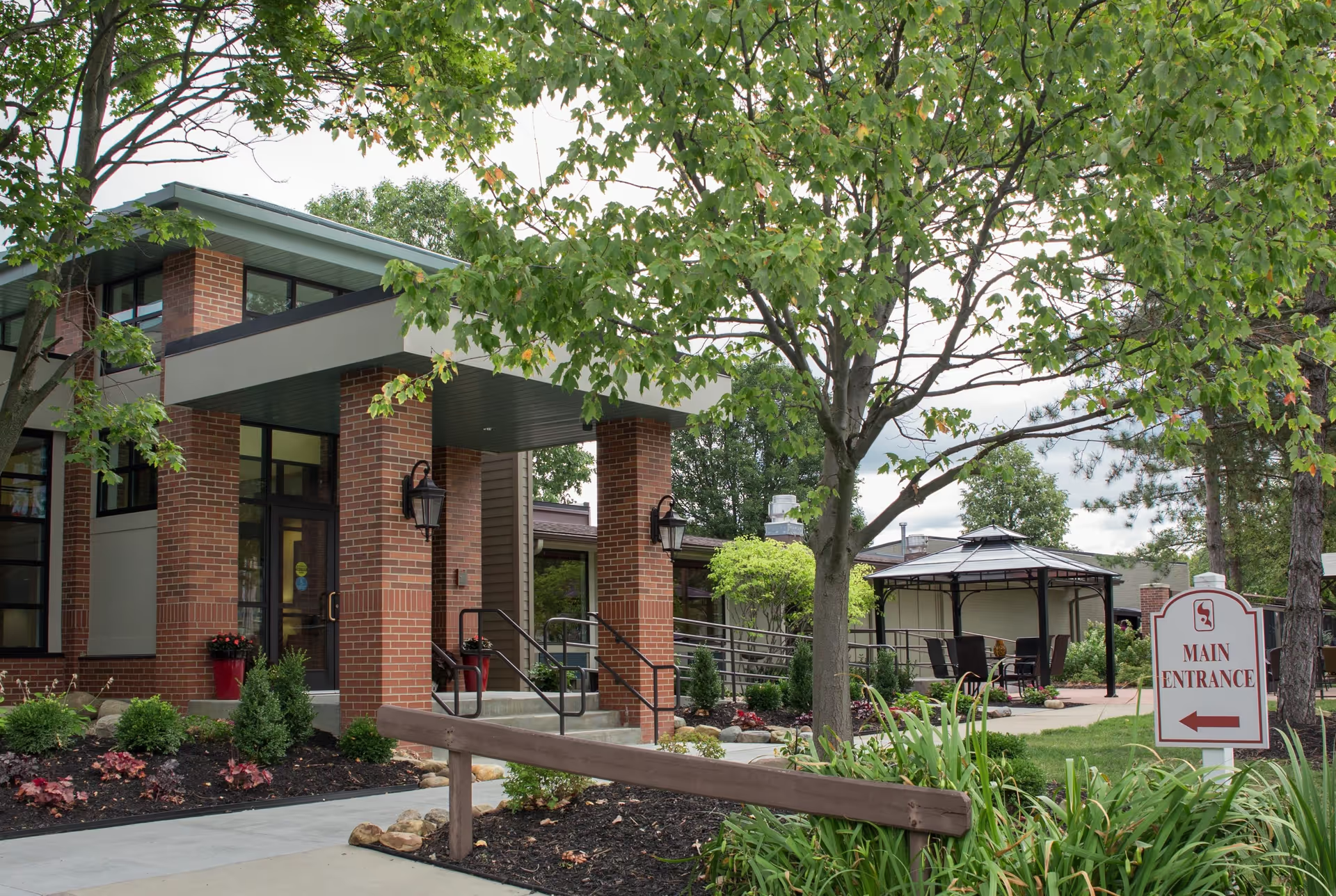
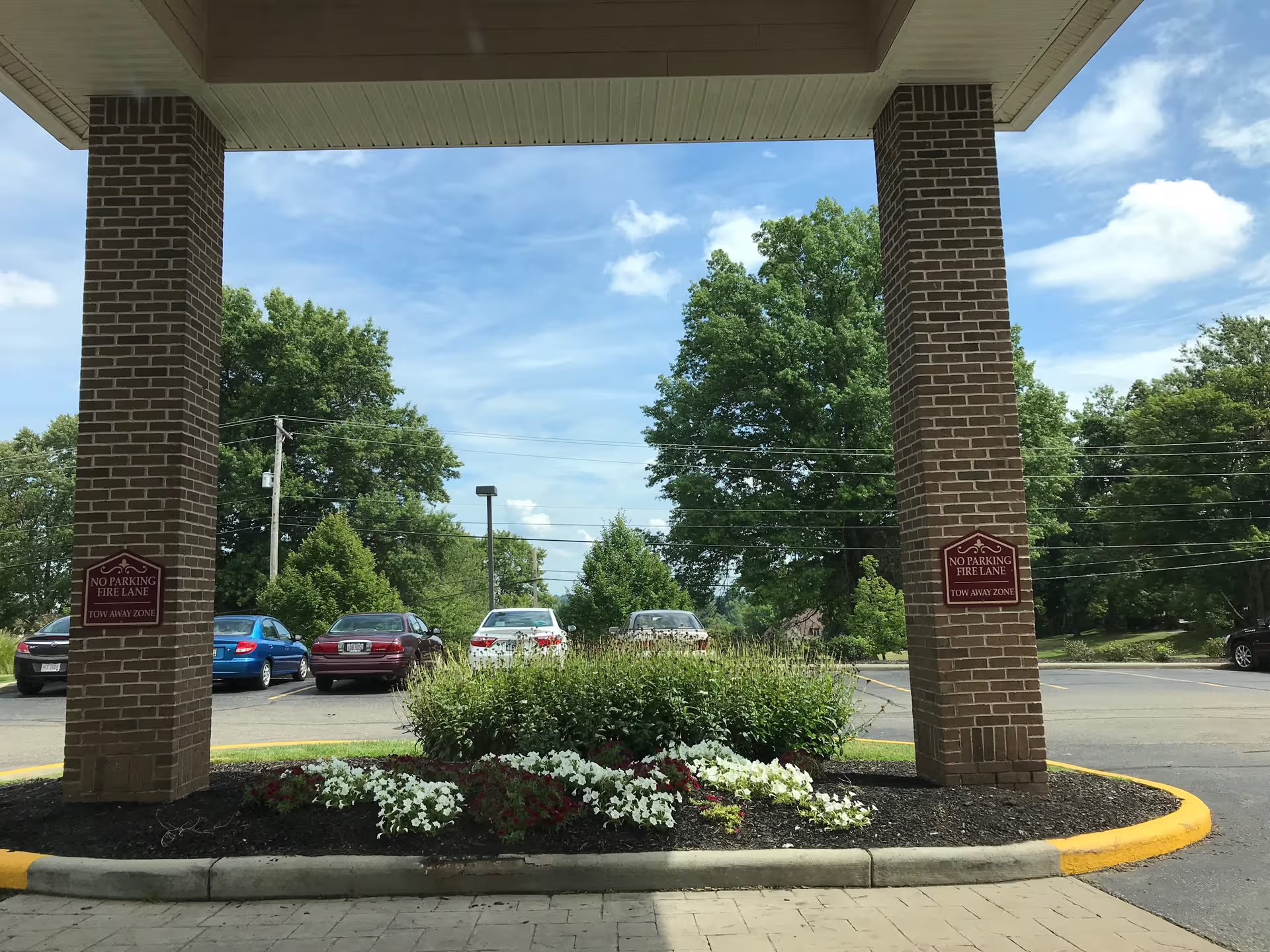
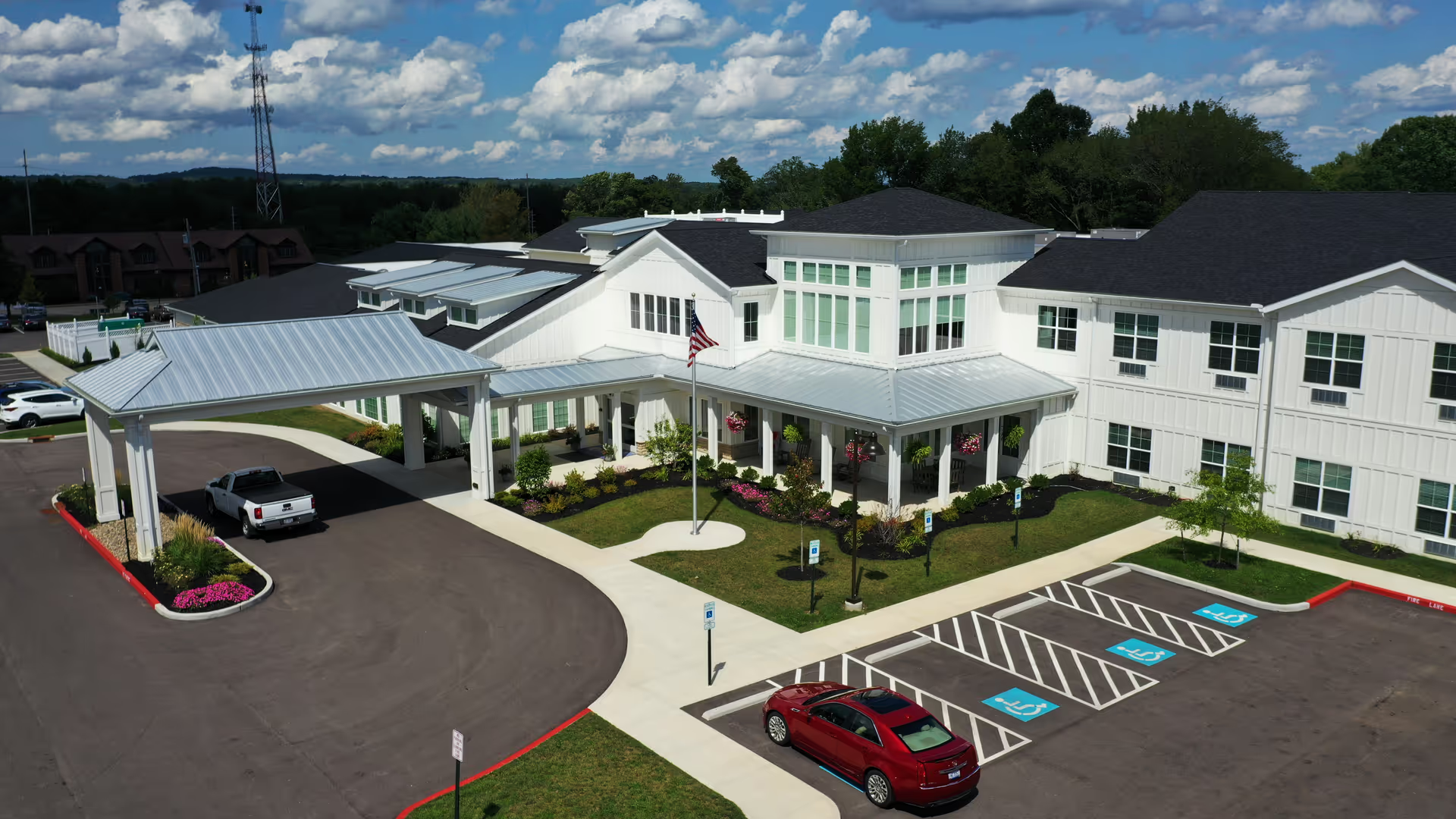
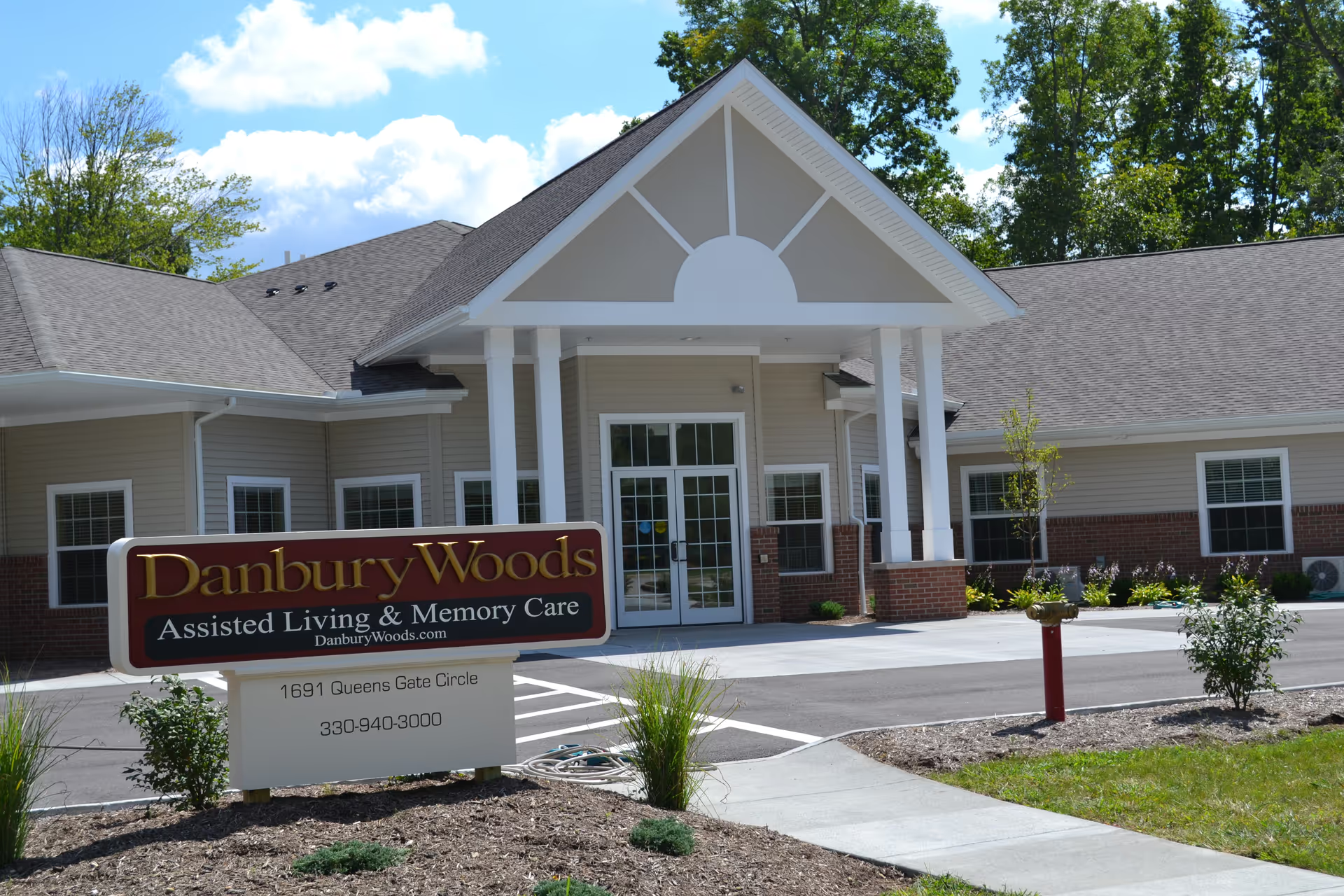
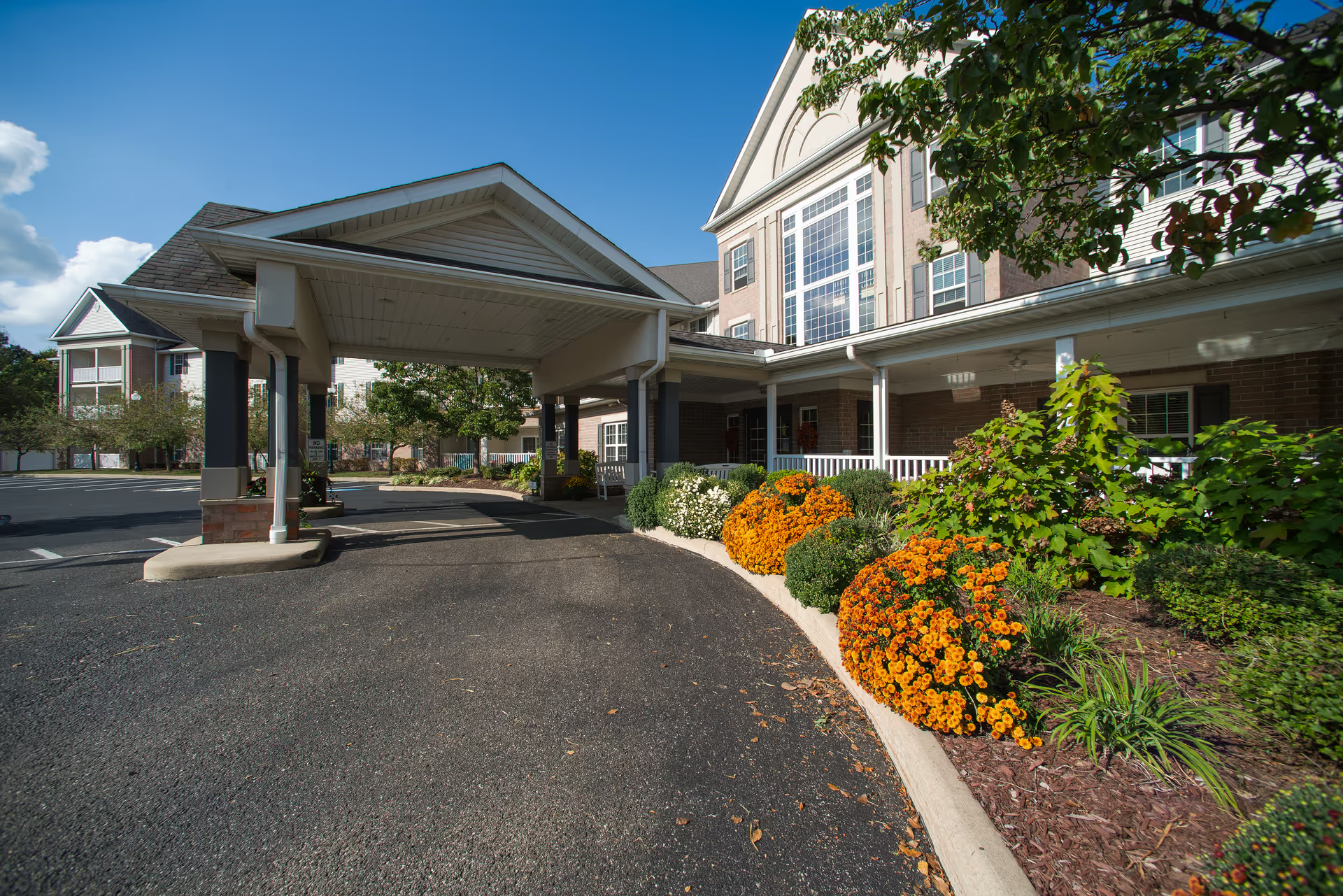
Reviews of Ohio Living Rockynol describe a facility with substantial strengths alongside recurring operational weaknesses. The campus, grounds and communal spaces are frequently praised: attractive landscaping, ponds and memory gardens, a non-denominational chapel, and well-appointed apartments and common areas create a pleasant physical environment. Multiple care levels are available on-site, including a specialized memory-care unit and dedicated rehabilitation services; therapy staff, rehab rooms and therapeutic tubs receive positive mention. Long-tenured and attentive staff members, active social programming, transportation services, an on-site salon and routine events such as book clubs and cocktail gatherings contribute to a strong social atmosphere for many residents.
Care quality is described as mixed. Several reviewers highlight compassionate, responsive nurses and aides and successful rehabilitative outcomes, while others describe inconsistent assistance with activities of daily living, delays in responding to call lights, and variability in rehabilitation outcomes. Medication administration and PRN pain management are raised as operational concerns in multiple accounts. Specialized dementia-care training and improvements in staff knowledge are noted, but the overall experience appears to depend on staffing levels and specific caregiver assignments.
Staffing and conduct present a prominent pattern. Positive reports emphasize caring, long-standing employees who build relationships with residents; contrasting accounts document inconsistent staffing, frequent use of agency CNAs, slow assistance response times, and instances of poor professionalism or inattentive behavior. These staffing inconsistencies correlate with reported delays in toileting/transfer assistance, longer waits for pain relief, and occasional lapses in daily living support. Infection-control policy and pandemic-era practices were also criticized for perceived gaps in transparency and enforcement.
Dining, activities and amenities are generally seen as strengths but with variability. Many residents enjoy varied menus, social dining, and regular outings; the culinary team and certain meal offerings earn praise. Other comments point to inconsistent meal temperature and timing, limited therapeutic or plant-based accommodations, and high-sodium or fried-item prevalence. The activities program is robust — exercise classes, outings, religious services, and special events are commonly available — contributing to social engagement for many residents.
Facilities and operations show both positive and concerning patterns. Housekeeping and sanitation are described as excellent by some and inconsistent by others, including concerns such as inadequate cleaning in certain rooms and lapses in waste removal. Personal-property controls and laundry tracking are a recurring operational weakness, with multiple reports of lost or mishandled items and alleged financial/billing disputes. Additional operational issues include security/access-control shortcomings, pest-control concerns in isolated areas, and lapses in incident reporting and family communication. There are also isolated but serious allegations concerning billing practices and personal-item loss; these warrant direct inquiry by prospective families.
Management and communication emerge as a key differentiator. Positive experiences note responsive, helpful administrative staff who assist with care transitions and financial matters. Negative accounts describe slow or unresponsive management, billing disputes, lack of family consultation on service changes, and delayed incident follow-up. End-of-life care experiences are mixed, with some families praising hospice cooperation and respect, and others raising concerns about privacy, visitation restrictions and communication following a resident's death.
Overall, Ohio Living Rockynol offers many features attractive to prospective residents — a pleasant campus, a wide range of services and social programming, and several examples of strong clinical and rehabilitative care. However, the facility shows recurring operational challenges around staffing consistency, responsiveness, housekeeping and property controls, meal consistency, and management communication. Prospective residents and families should plan a thorough tour that includes questions about staffing ratios and agency use, medication and incident protocols, property and laundry tracking procedures, visitation and end-of-life policies, infection-control practices, and contract/billing terms to assess how the facility’s strengths align with their priorities.