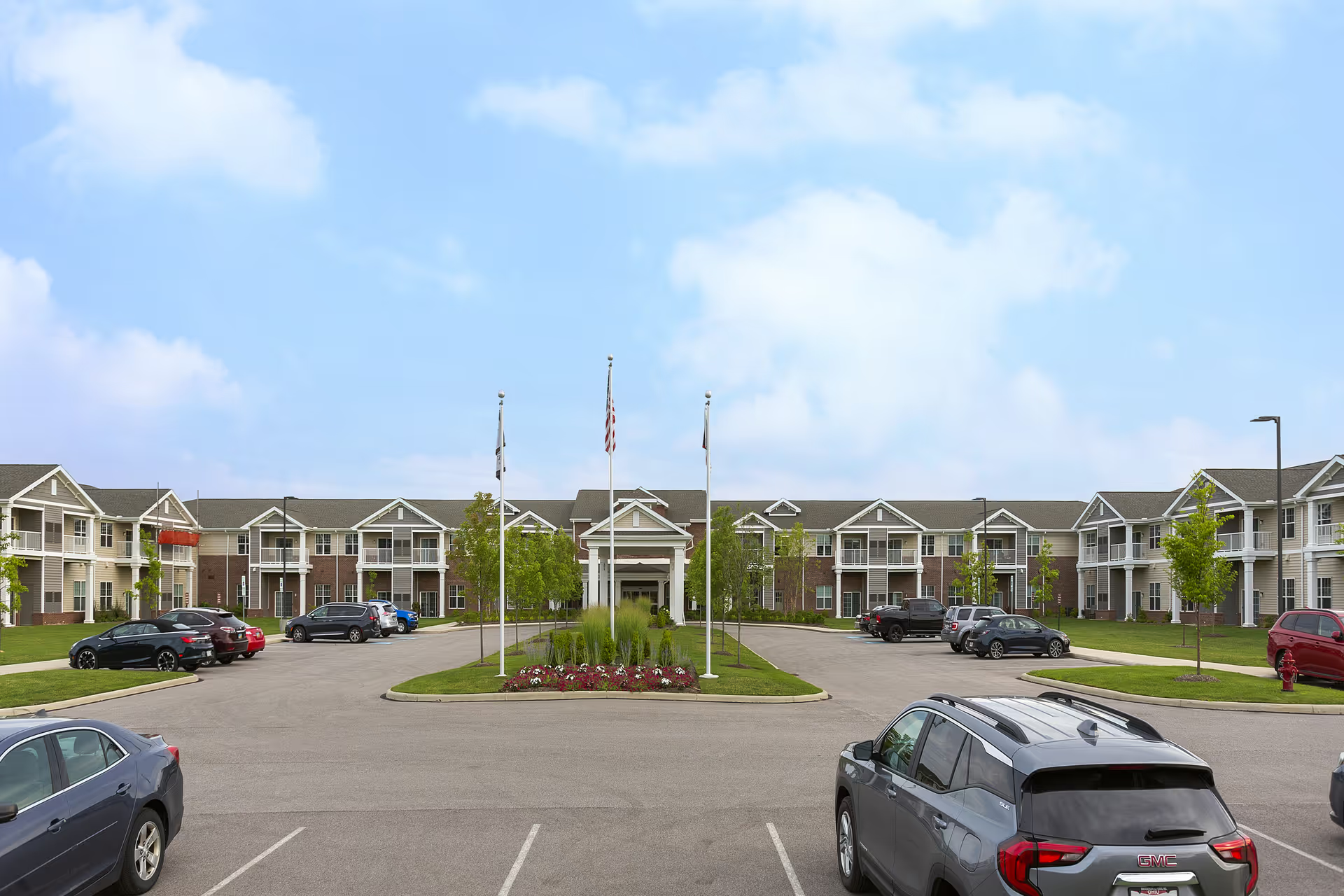
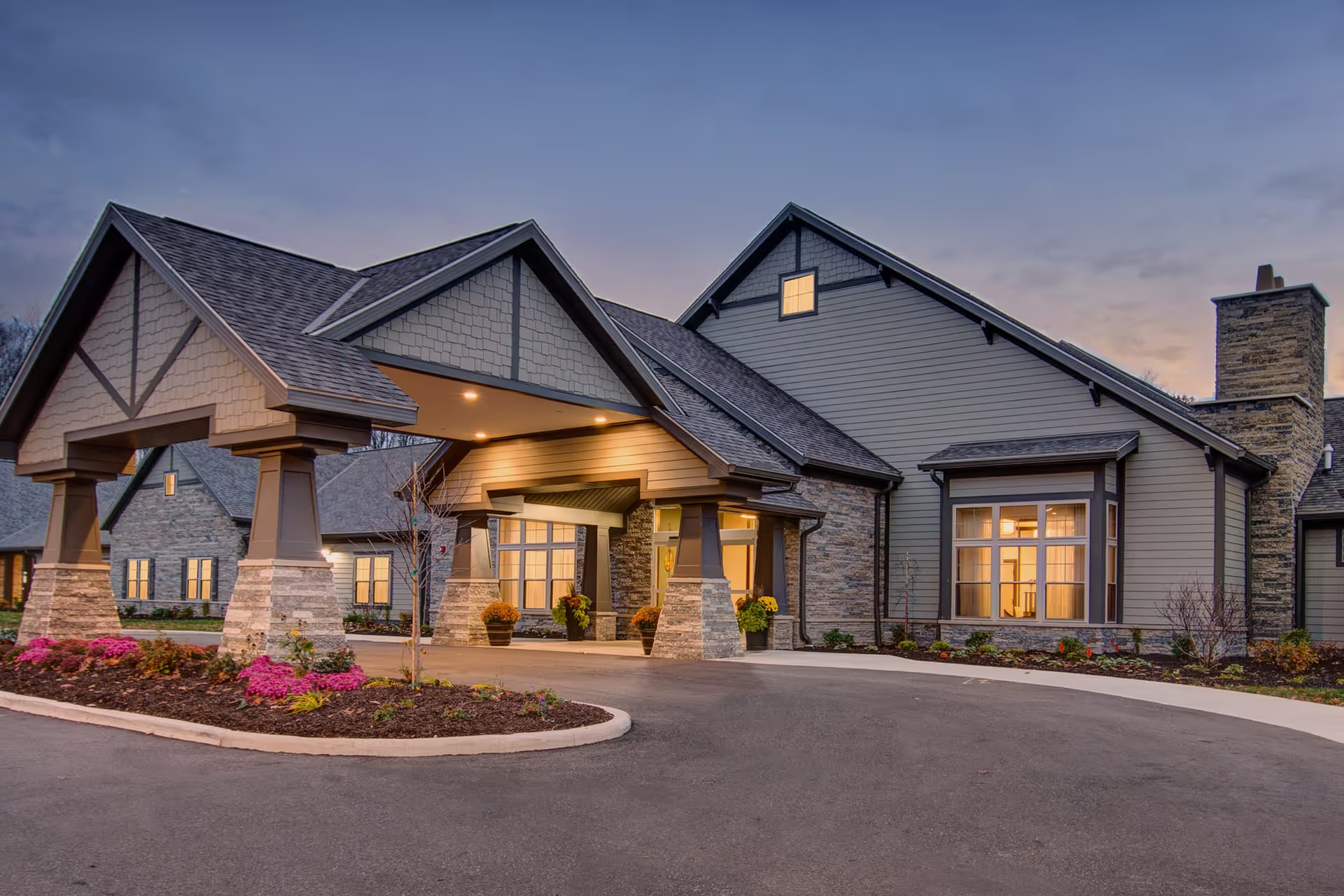
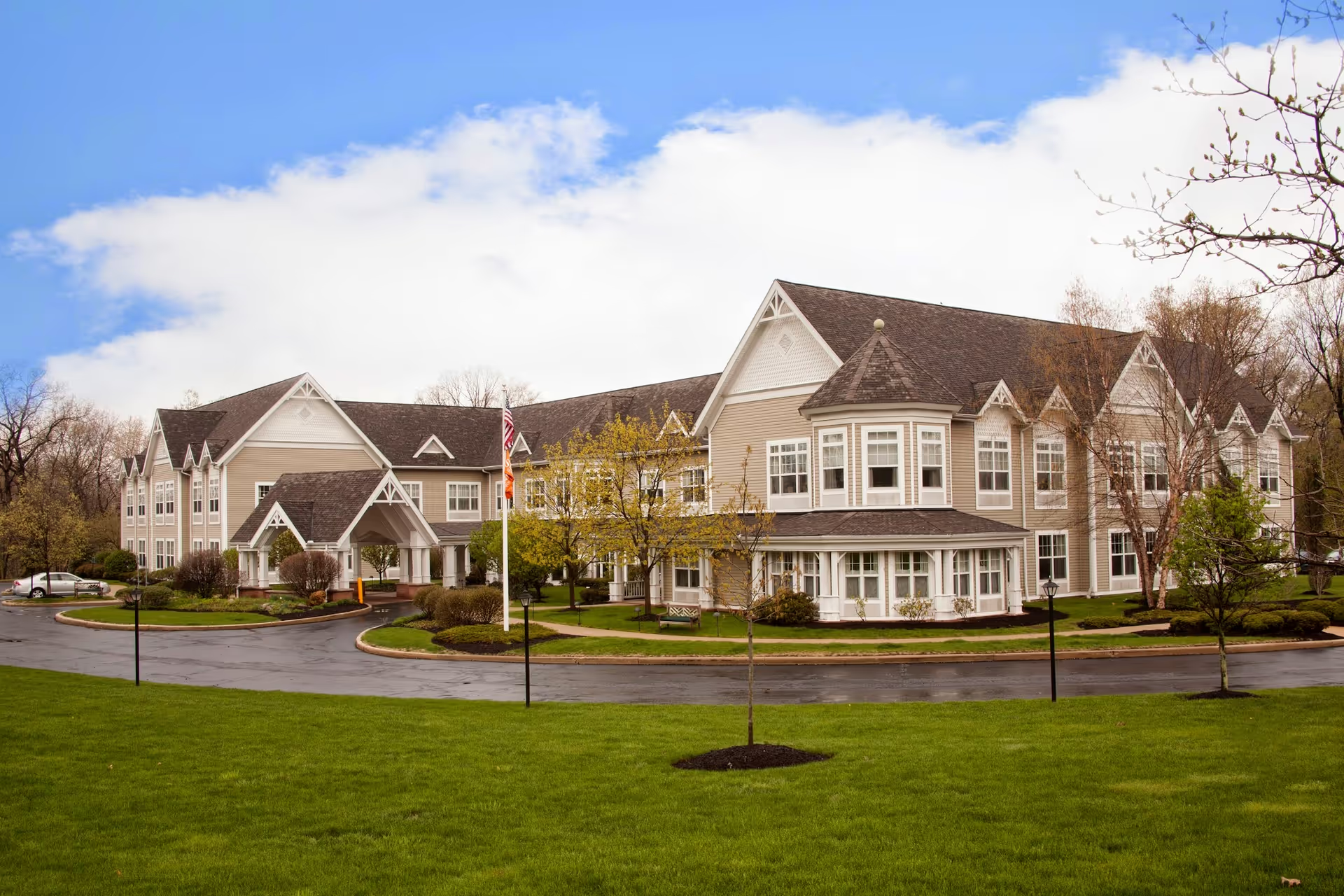
Reviews of Phoenix of Fairlawn present a mixed but distinct pattern of strengths and operational weaknesses. On the positive side, many families and residents praise the clinical rehabilitation services and therapy staff; physical, occupational and speech therapy are frequently cited as effective and recovery-focused, with several accounts of rapid progress and successful transitions home. A recurring compliment concerns staff who present as warm and family‑oriented; reviewers note compassionate caregivers, attentive nursing aides, and administrators or owners who are accessible and engaged. When things work well, the facility’s maintenance, common living spaces, and activity offerings (including pet therapy and social programs) contribute to a pleasant, home‑like environment.
At the same time, a salient set of operational concerns appears repeatedly. Understaffing and variability in staff levels across shifts is a consistent theme, and reviewers link staffing shortages to care gaps such as delayed assistance, reduced rounding frequency, and inconsistent supervision. Housekeeping and sanitation practices are described as uneven: some accounts describe a clean and well-maintained facility, while others describe lapses in routine cleaning and waste management. Relatedly, several reviewers expressed incontinence‑care delays and monitoring gaps; these are best characterized as care‑process issues that can arise when staffing and supervision are inconsistent.
Clinical-safety items also emerge. A number of reviews describe medication omissions or documentation concerns and limited or unclear communication around medication and treatment plans. Family communication and discharge planning are other areas of variability: some families found admissions and transitions well managed, while others cite inadequate pre‑discharge coordination and limited responsiveness from staff. A few reviews raise administrative process issues such as questions about the handling and return of personal belongings and pressure to complete billing or admission paperwork; these should prompt prospective families to clarify financial and property‑handling procedures during any tour.
Dining and activities receive mixed feedback. Several reviewers praise homemade meals and diverse dining choices, while others describe inconsistent meal delivery or limited creativity on some days. The activities program is generally viewed positively when staffed, but its availability appears to fluctuate with staffing levels. Management and leadership earn both praise and criticism: some families highlight engaged, on-site owners and proactive administrators who respond quickly, whereas others describe weak follow‑up or defensive communication when concerns are raised.
Overall, the facility shows clear strengths in rehabilitation, individualized therapy, and staff who provide compassionate, family‑style care when staffing is adequate. The dominant operational risks to be aware of are staffing variability and its downstream effects on housekeeping, incontinence care, medication processes, and family communication. Prospective residents and families should arrange an on-site visit that includes observing a meal, touring resident rooms and common areas, asking about typical staff-to-resident ratios by shift, reviewing incontinence and medication protocols, and clarifying admission/billing and personal-property policies to assess whether the facility’s current operating conditions meet their expectations.