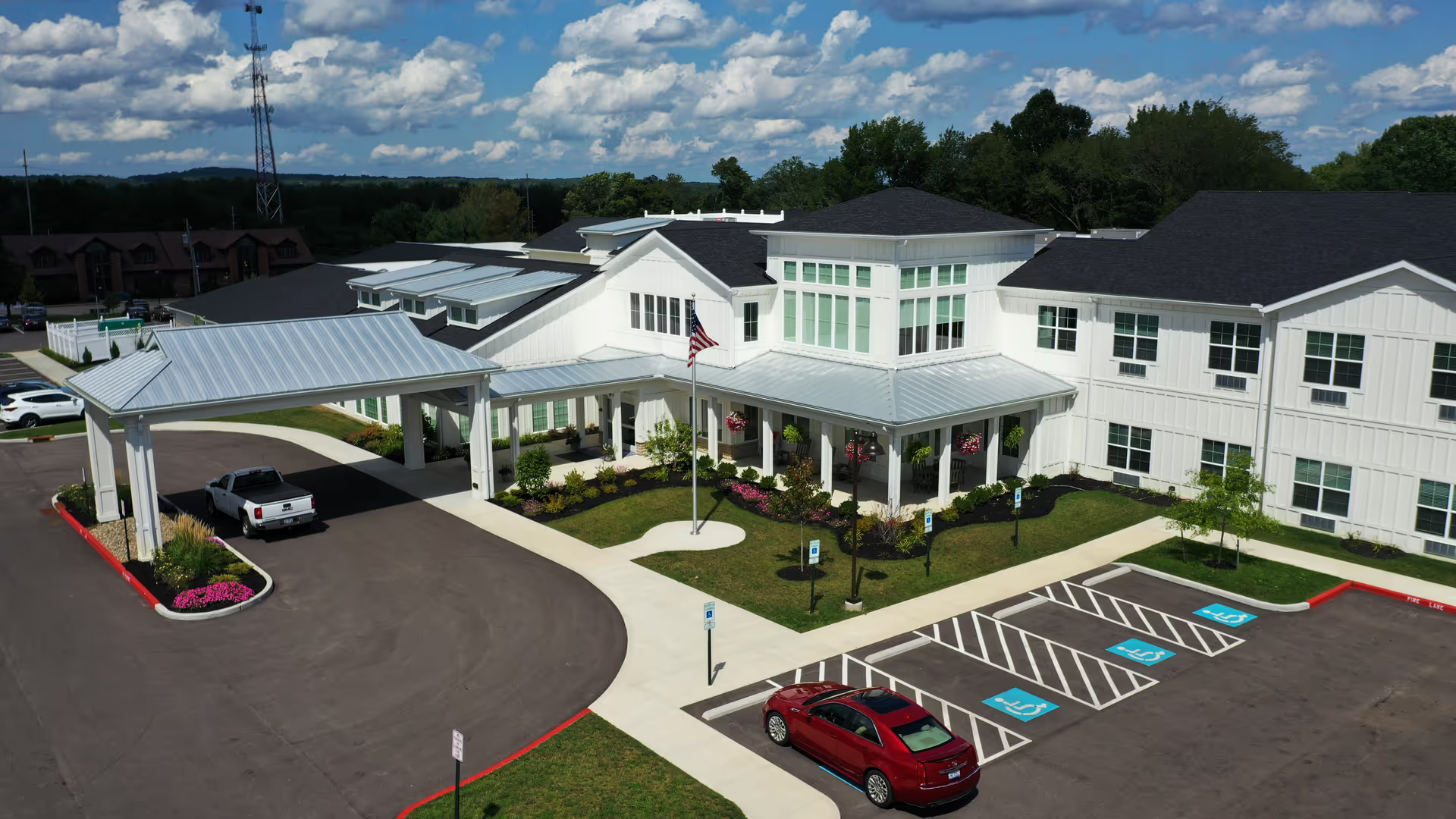
The Ridge at Copley elicits a mixed set of impressions. Many families and residents praise the caregiving team, describing staff as compassionate and respectful, with an observable focus on memory-care. The community’s smaller scale, courtyard and outdoor spaces, and some high-end common areas contribute to a homelike environment that several people found comforting. Specific positive notes include dietary accommodations for cultural needs and instances where individualized plans of care were followed, producing a sense of security for some families.
Despite those strengths, a consistent pattern in the feedback points to operational weaknesses that affect daily care quality. Understaffing and turnover are frequently cited and appear to underlie several practical problems: delayed responses to resident requests, inconsistent training and competency across aides and nurses, and gaps in nighttime clinical coverage. Several reviews describe concerns about medication administration processes and about follow-up after clinical incidents, indicating a need for clearer medication-management controls and incident-response protocols.
Dining and programming feedback is mixed. Some families appreciated meal accommodations and an administrator or staff who ensured dietary needs were met. Others described meals that were not well adapted to typical senior preferences and noted a lack of assistance during mealtimes for residents who need help. Activity programming also shows variability: while volunteer involvement and engaged staff create meaningful opportunities for some residents, turnover among activity leadership and discontinuities in scheduling have left other families feeling the programming is inconsistent.
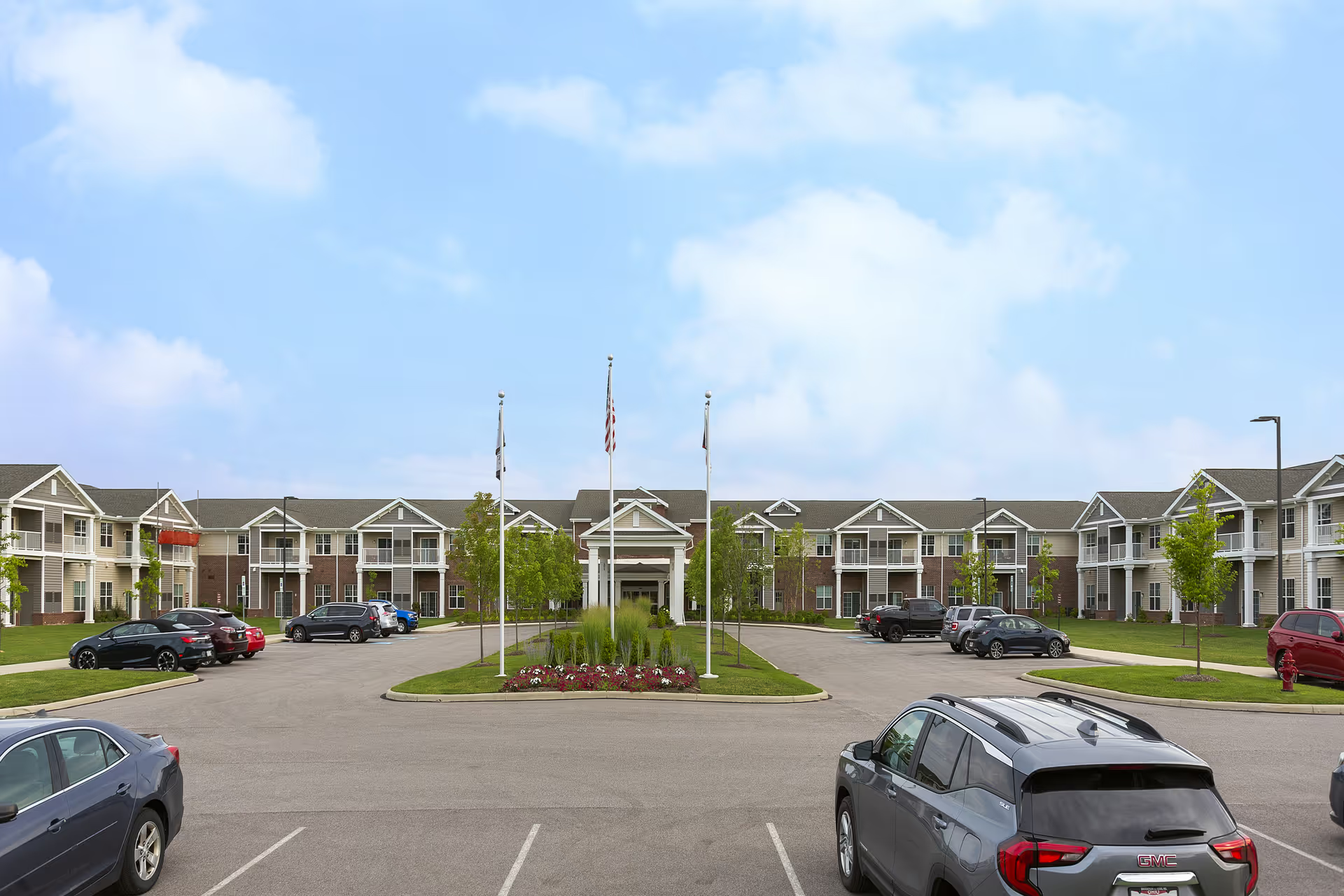
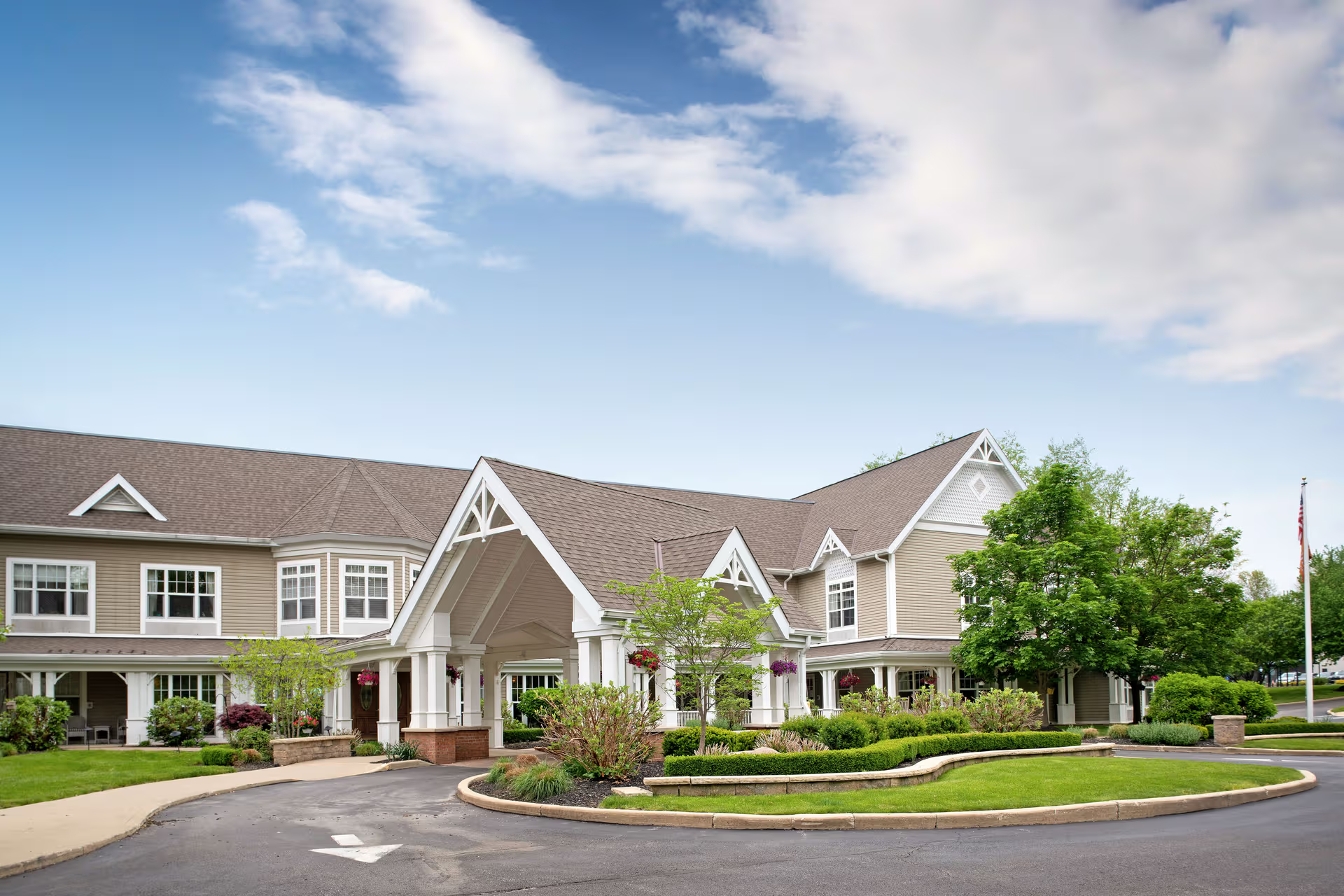
Facility- and environment-related comments are similarly bifurcated. Positive impressions emphasize aesthetic upkeep and natural light in common areas and the courtyard. Conversely, other comments identify maintenance issues and sanitation concerns, including odor issues, incontinence-care lapses, and problems with grounds upkeep and pet management. There is at least one reference to an external health-department report, which suggests families should review the facility’s inspection history directly when evaluating the community.
Management and communication emerge as another area of variability. Some reviewers praised individual administrators and caregivers for responsiveness and rapport; others described office staff as unhelpful or brusque and raised concerns about family communication, authorization/POA processes, and inconsistent follow-up on complaints. These contrasting impressions suggest leadership practices and customer-service orientation may fluctuate over time or between shifts.
Taken together, the pattern indicates a facility where dedicated, caring individuals provide meaningful support for many residents, particularly those requiring memory-care, but where systemic operational issues — staffing levels, training, medication oversight, sanitation and maintenance, and managerial consistency — can compromise reliability. Prospective residents and families should consider an in-person visit during active service hours, observe staff–resident interactions, ask for current staffing ratios and night-coverage plans, review recent inspection reports, request written medication- and incident-response protocols, and confirm activity schedules and dietary accommodations before making a placement decision.