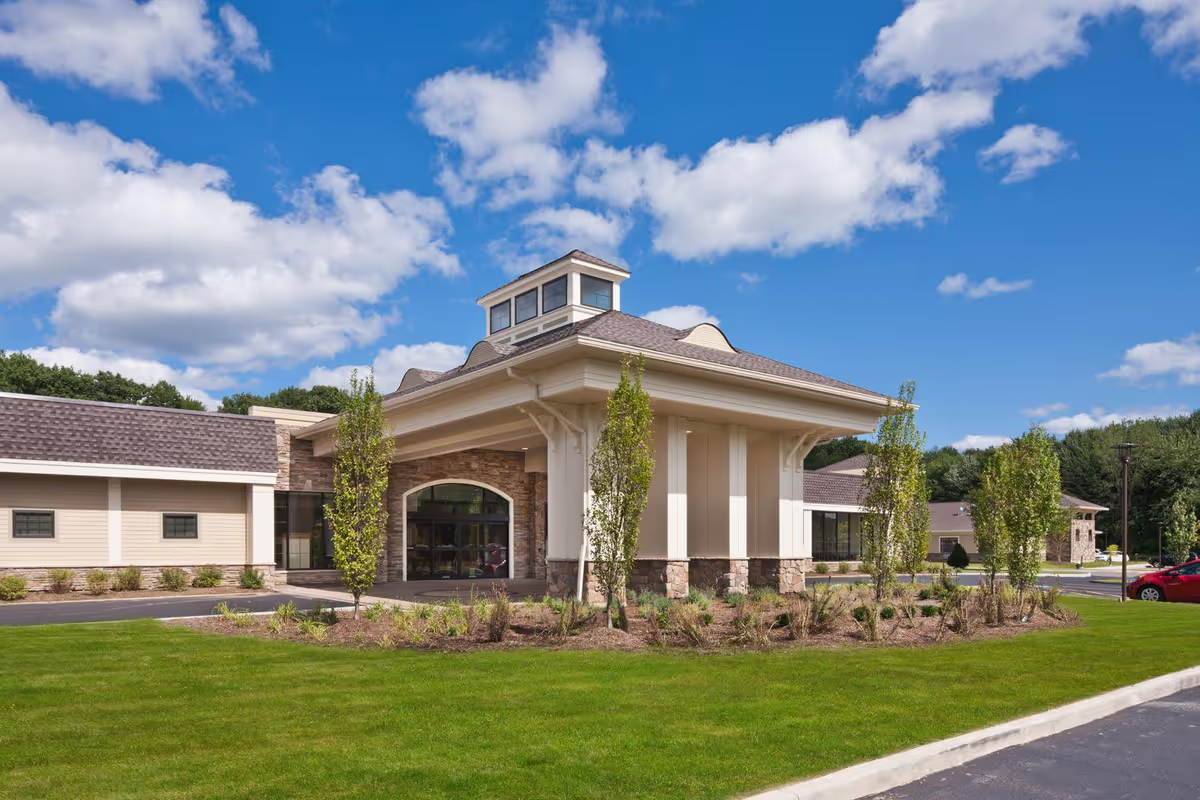
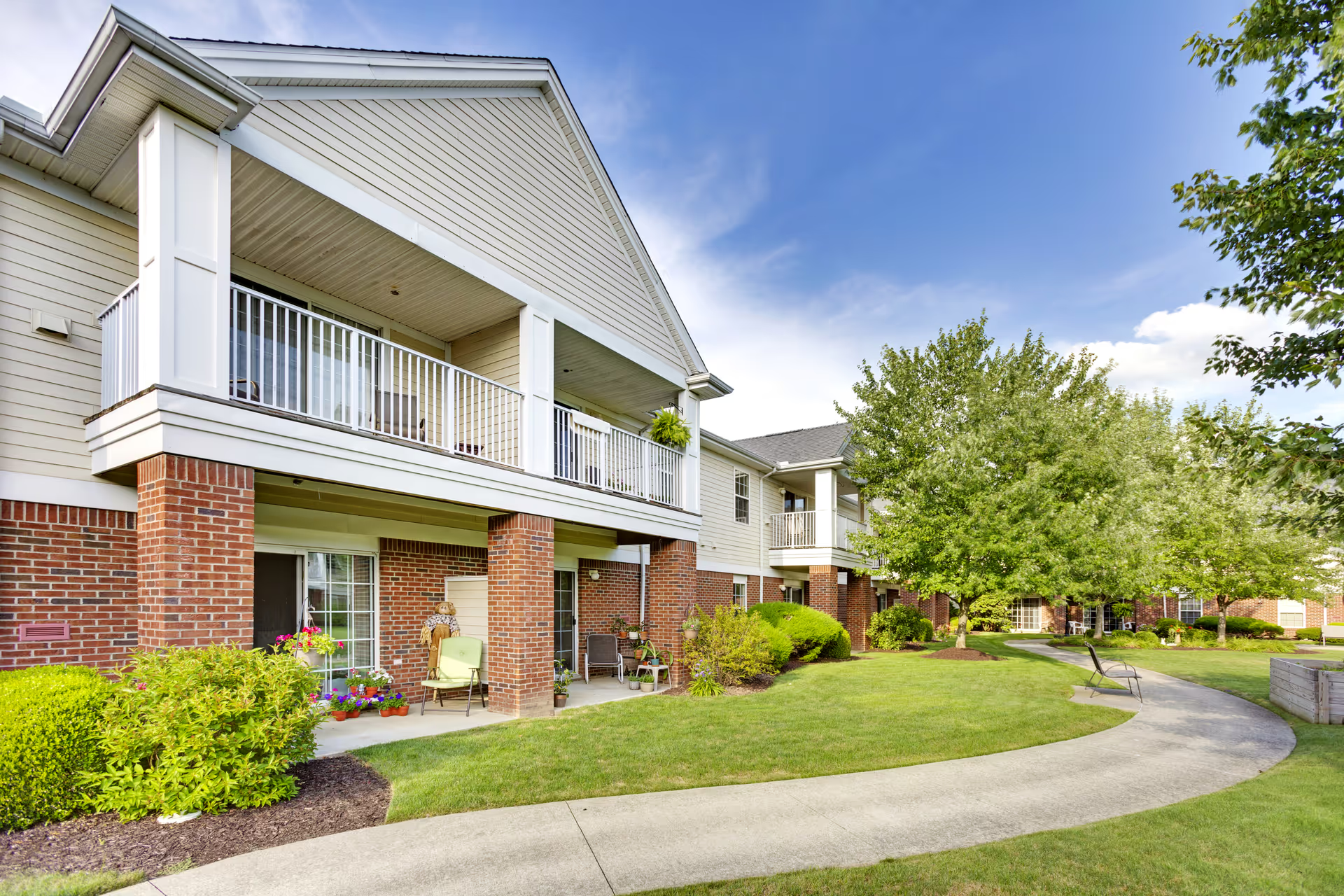
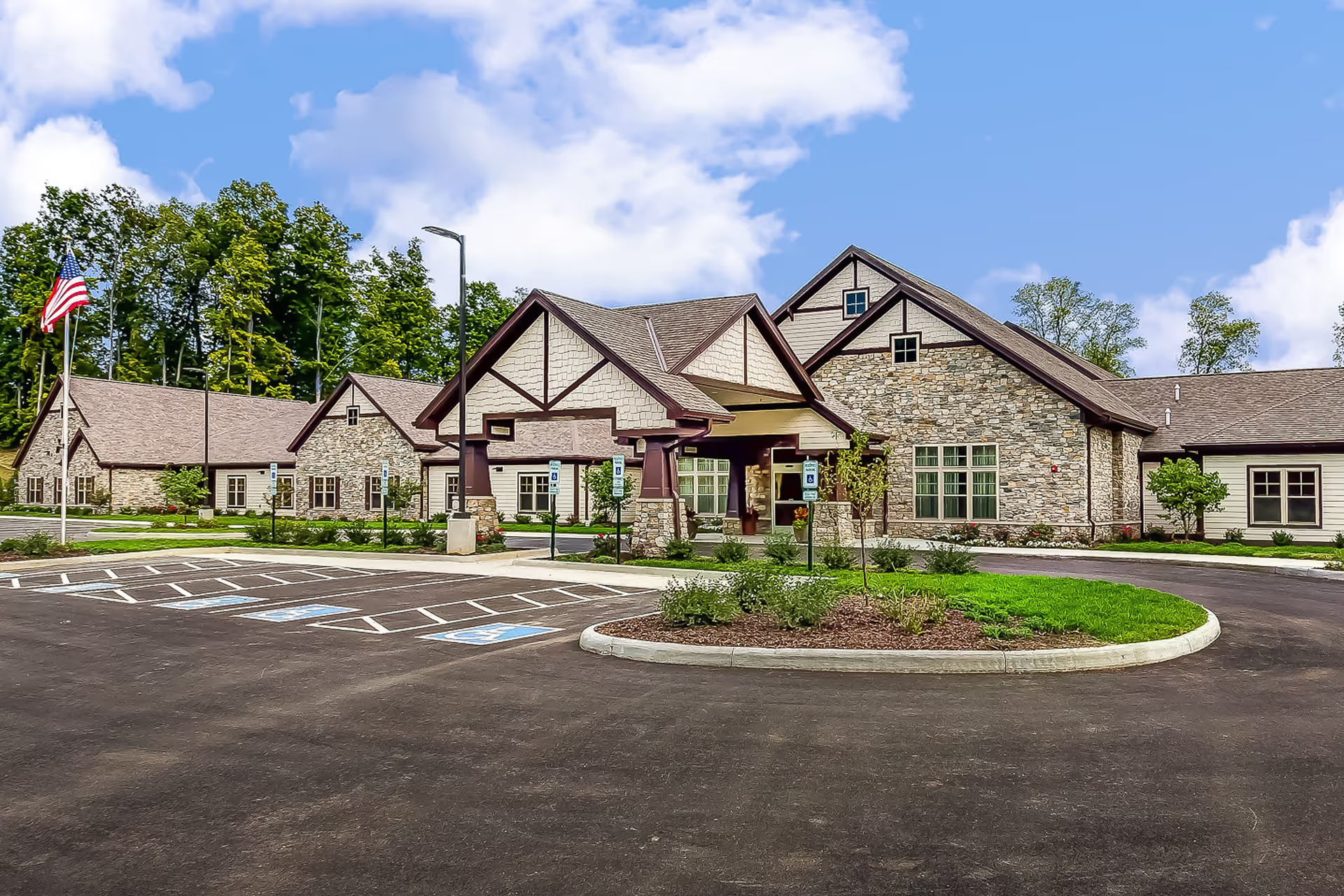
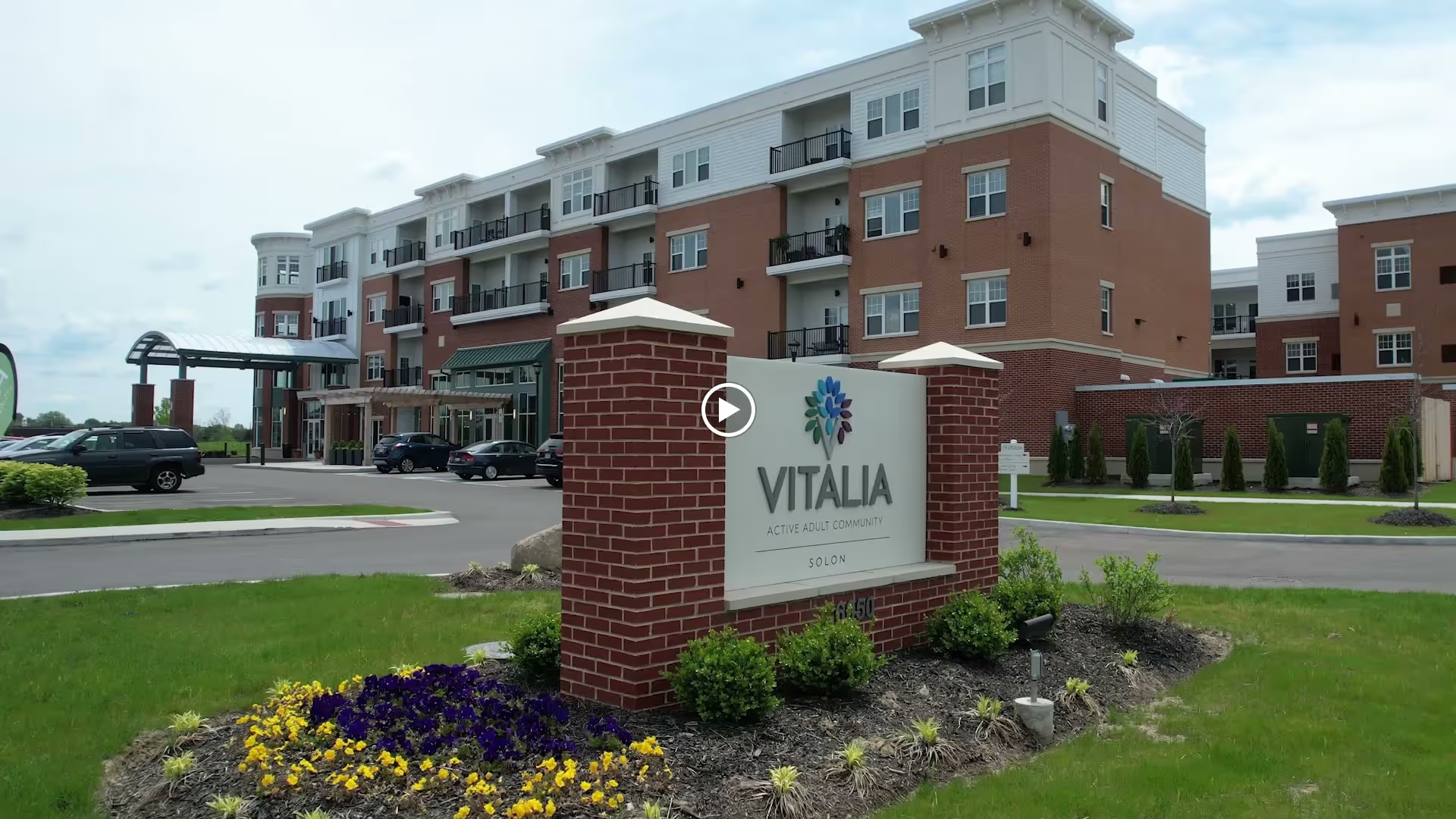
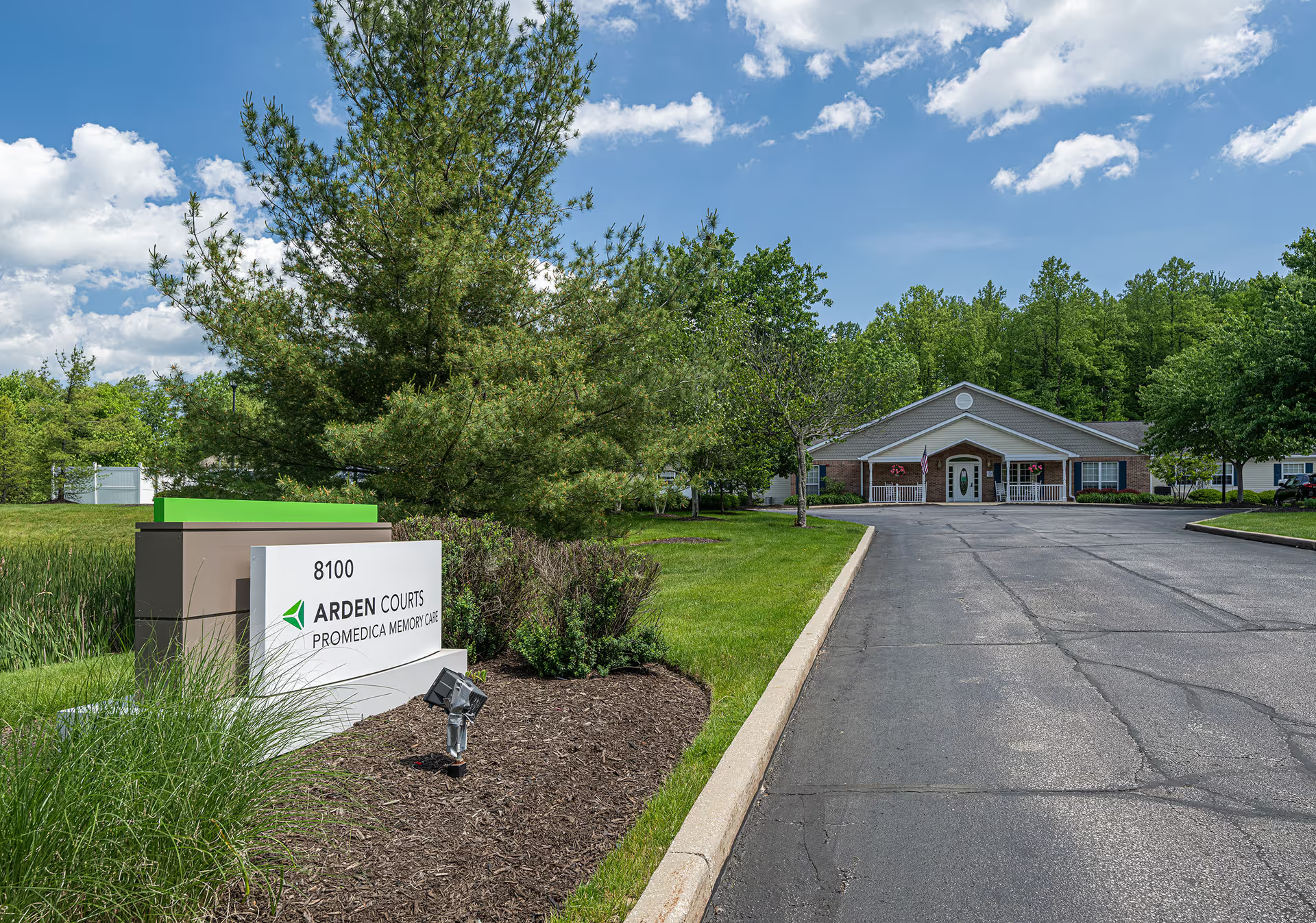
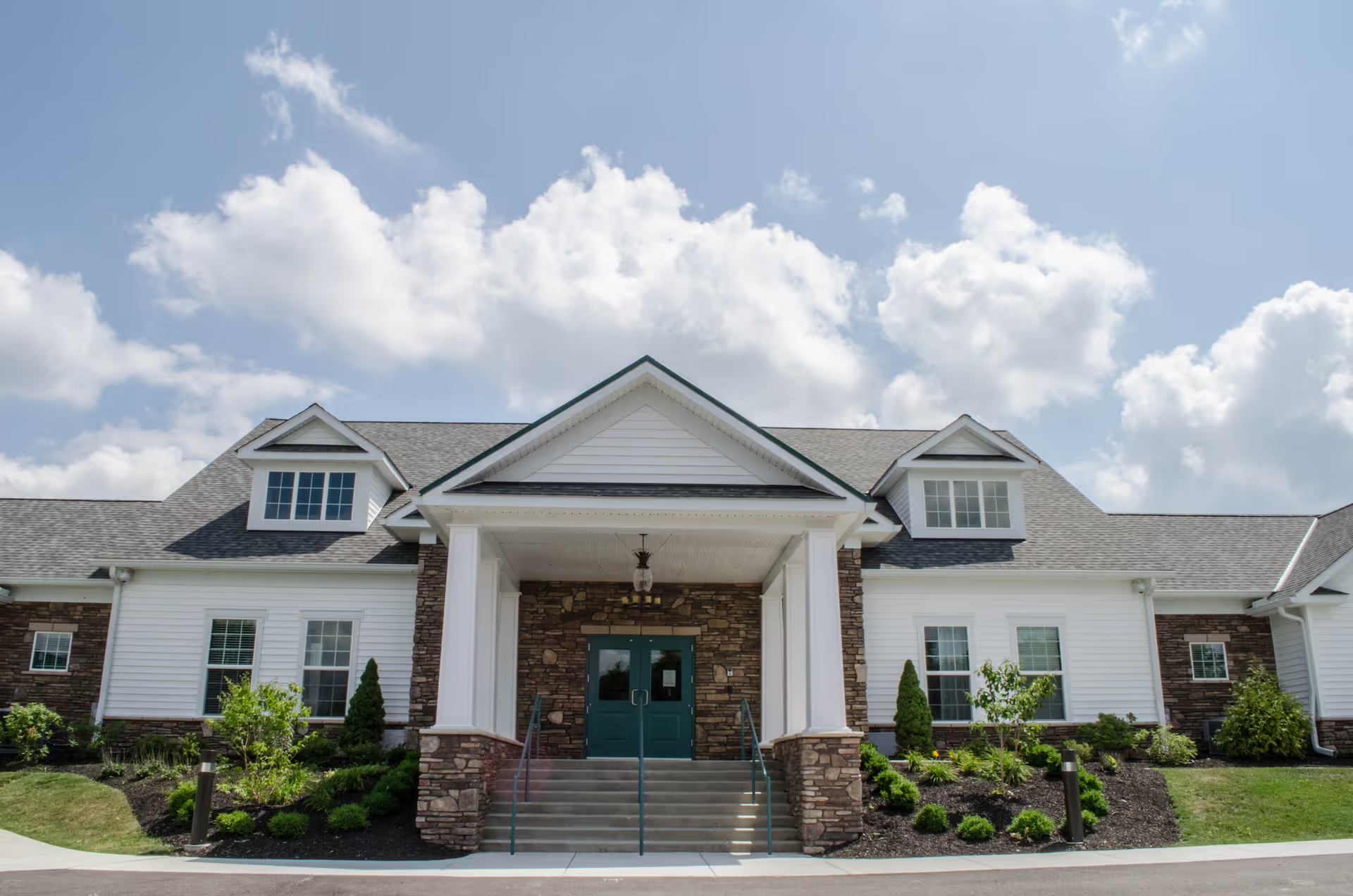
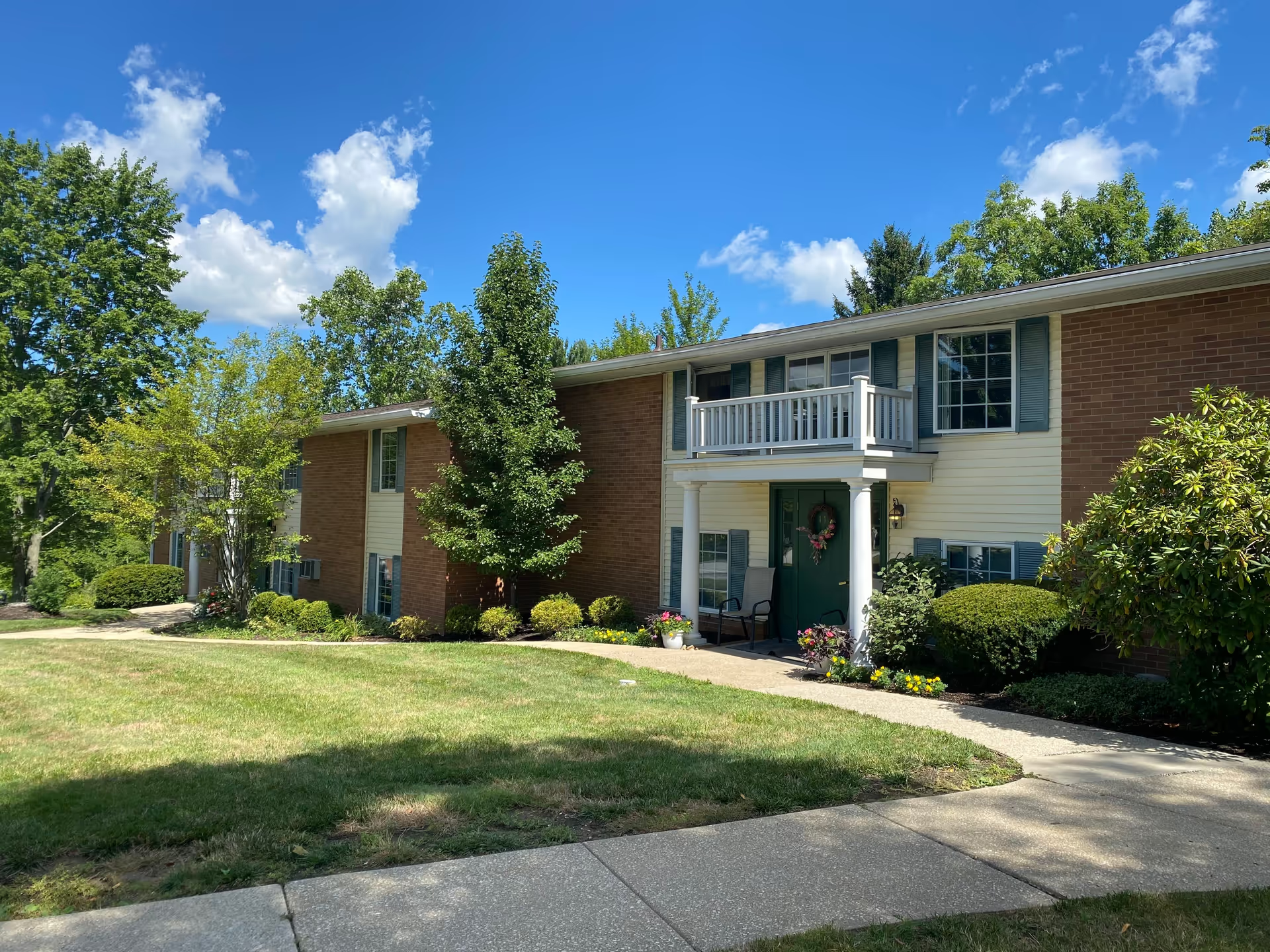
Anna Maria of Aurora is described by many families as a large, family-owned continuing care campus with notable strengths in therapy, nursing oversight, and resident engagement. Positive themes include a compassionate, resident-centered staff culture, well-regarded rehabilitation and therapy services, and on-site medical professionals that provide continuity across levels of care. The campus setting, landscaped grounds, salon/barber services, transportation to appointments and outings, and a busy activity calendar (bingo, art, church services, field trips and family-inclusive events) are frequently cited as contributors to quality of life for residents.
Care quality and staffing present a mixed picture. Numerous reviewers praise highly skilled nurses, therapists, and attentive aides who provide thorough, compassionate care and smooth transitions from rehab to long-term care. At the same time, multiple reviewers describe operational variability: gaps in nursing responsiveness and communication with families, inconsistent handoffs from therapy to nursing, and periods of understaffing or turnover that appear to affect service reliability. Some families reported improvements in care when staffing or procedures were adjusted, which suggests that unit- and shift-level differences significantly shape resident experience.
Dining and daily living services also show variability. Families noted flexible menu options, three meals a day, and staff willing to accommodate preferences; however, there are recurring concerns about food quality being bland or unappealing, missed or delayed meal delivery, and small portion sizes in some units. Reports of inconsistent assistance with toileting and dressing, nighttime awakenings, and linens or hydration not being routinely provided point to operational gaps in basic daily-care processes that can affect comfort and skin integrity.
Facilities and environment observations are similarly mixed. Many reviews highlight clean, well-maintained common spaces, comfortable apartment-style rooms, pleasant views and a safe campus. Conversely, reviewers also described older sections of the facility that need maintenance, shared rooms in memory care with limited bathroom amenities (toilet and sink only in some memory-care rooms), furniture and wall repairs pending, cold rooms, and occasional odor or sanitation concerns in certain areas. Infection-control adherence and mask use were described as inconsistent in some accounts.
Management and organizational issues emerge as another pattern. Positive comments cite responsive admissions staff and effective coordination by certain leaders; negative comments raise concerns about staffing compensation, leadership communication, financial sustainability, and isolated allegations of unprofessional conduct. These organizational factors appear linked to variability in care quality and staff morale described by reviewers.
For prospective residents and families, the overall picture is one of a facility with clear strengths—therapy/rehab capability, many engaged and caring staff, an active social program, and useful amenities—paired with operational inconsistencies that can affect day-to-day care. Key topics to investigate during a tour or pre-admission conversation include current staffing ratios and turnover, wound-prevention and incontinence-care protocols, meal-delivery procedures and menu options, night-shift practices, memory-care room configurations and bathroom access, infection-control policies, and any recent quality or regulatory reports. These targeted questions can help determine whether the facility’s strengths align with an individual resident’s clinical and quality-of-life needs.