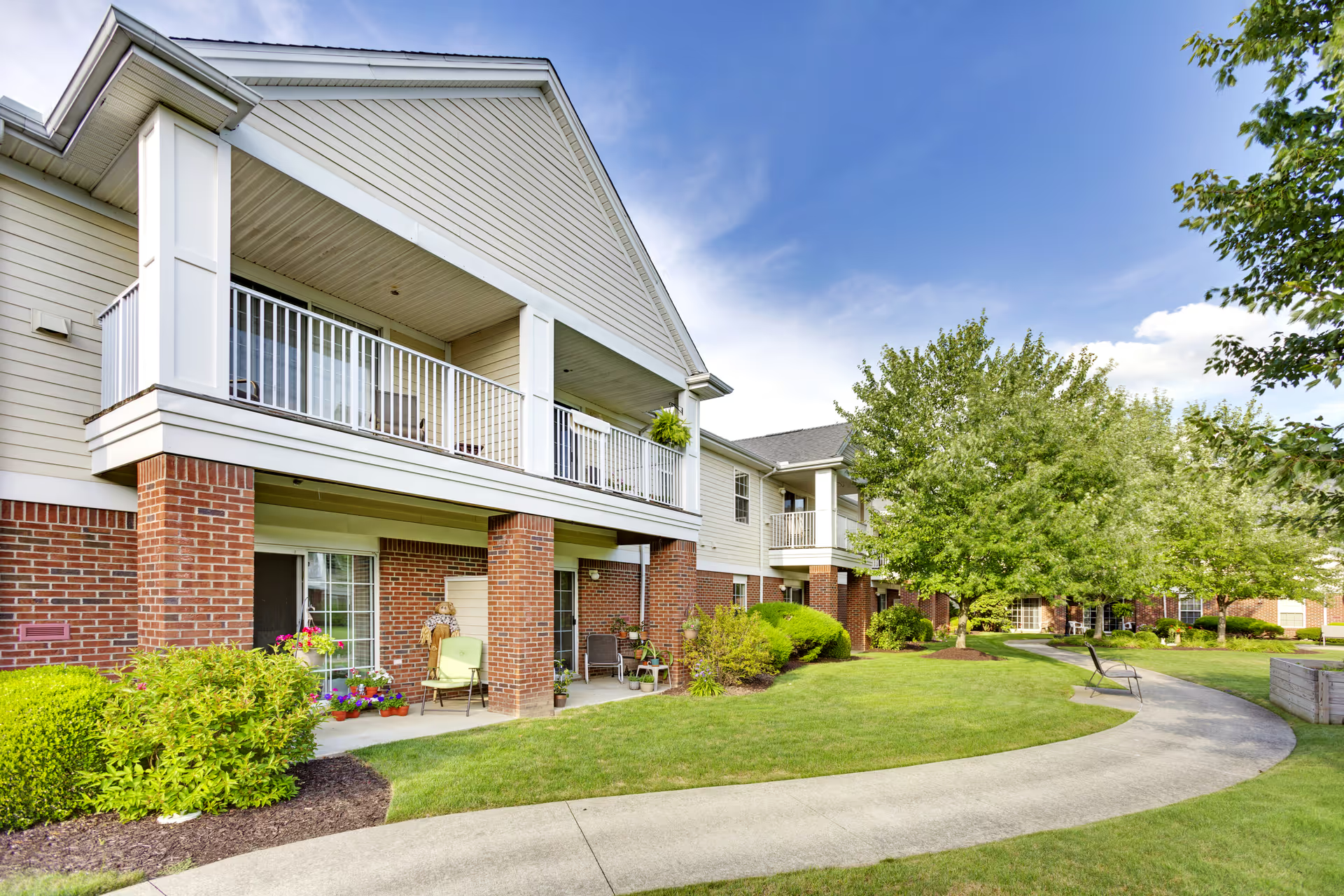
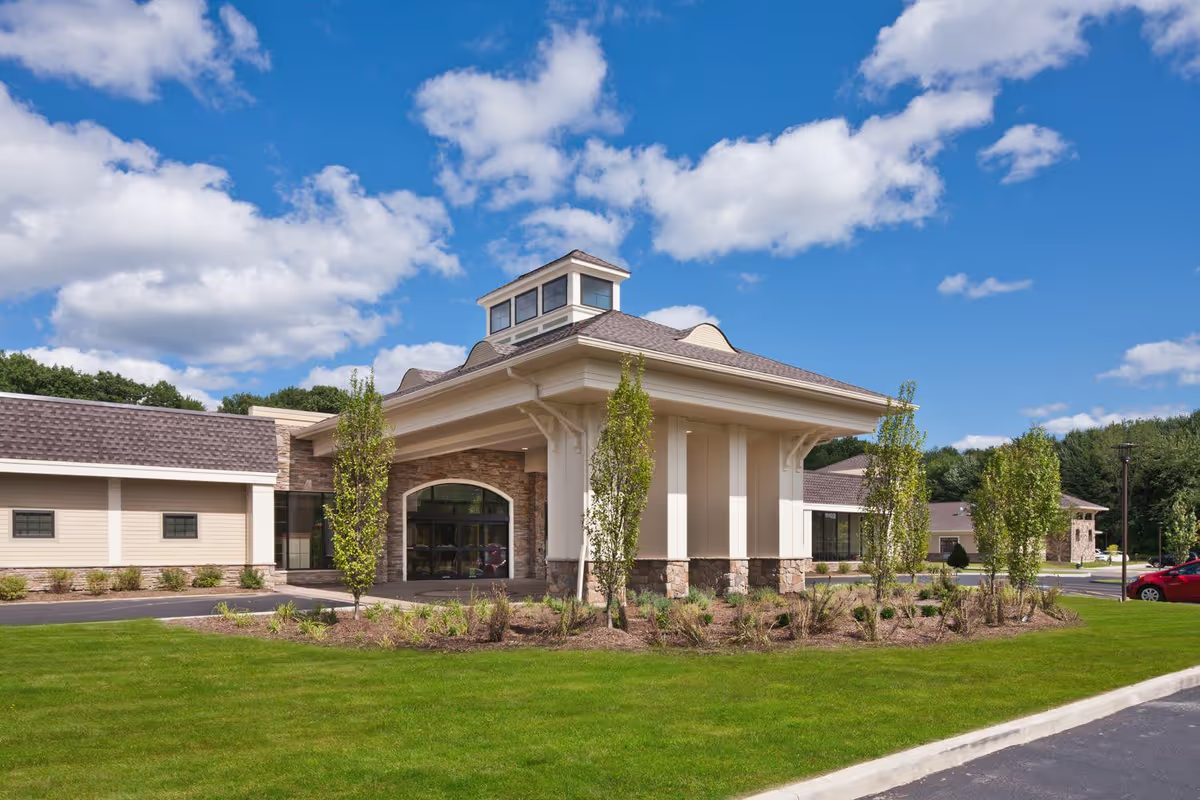
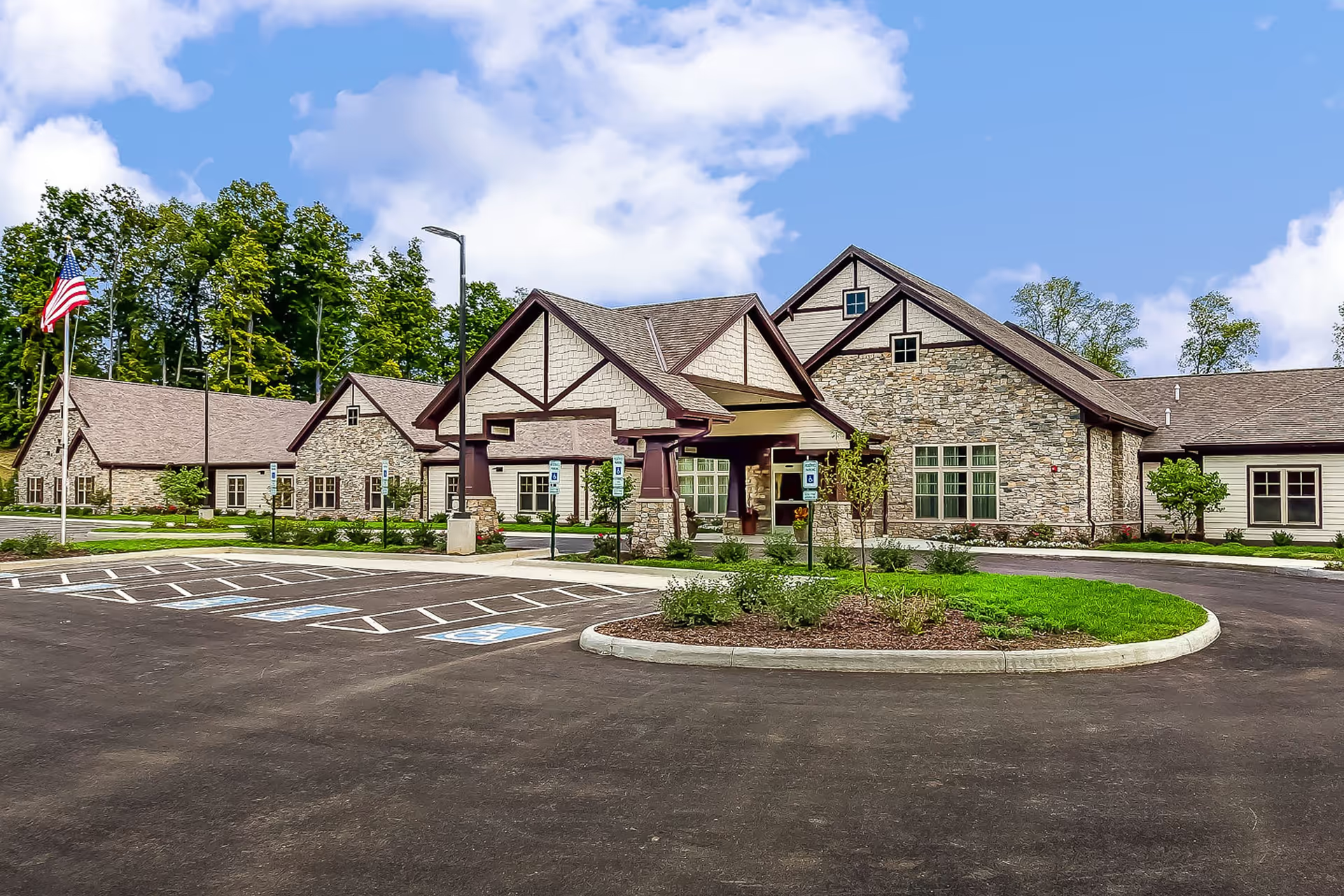
Aurora Manor Special Care Centre elicits sharply mixed impressions. Many reviews highlight clear strengths: a rehabilitation-oriented environment with an accomplished physical/occupational therapy team, attentive caregivers, and a robust activities program that includes live music, bingo, outdoor events, and social engagement. Several accounts emphasize a warm, home-like atmosphere, visible holiday decor, and admissions and front-desk staff who are welcoming and professional. Clinical strengths noted include skilled wound-care nurses, reliable dialysis services, and demonstrable functional recovery for some short-stay residents.
However, a recurring theme across reviews is operational inconsistency. Staffing levels and coverage appear uneven, and leadership and frontline turnover are mentioned frequently; those patterns are associated with delayed responses to call lights and care requests, late medication delivery, and variability in hands-on care such as bathing and incontinence support. Reviewers described instances of medication-management problems — including antibiotic selection and delayed dosing — and gaps in wound and post-acute care continuity. Discharge processes and care-transition coordination also show weaknesses, with reports of poor planning and inadequate communication during transitions back to the community or to family care.
Cleanliness and sanitation receive mixed assessments. Many reviewers praised clean common areas and a maintained, pleasant environment; others reported sanitation concerns in specific resident and dining areas, and inconsistencies in housekeeping follow-through. Dining quality is similarly mixed: homemade-style options and better-than-hospital meals are appreciated by some families, while others cite cold meals, variable food quality, and occasional dining-area problems. Activities and social opportunities are consistently cited as a strength and contribute positively to resident engagement and morale.
Management and communication represent another area of contrast. Several reviews commend compassionate, attentive administration and cohesive therapy–nursing teamwork. Conversely, others describe unresponsiveness from administration and social services, inconsistent family communication, and concerns about privacy and consent practices around care meetings. Financial and billing communication — including frequent payment-related calls and concerns about cost transparency — are noted as points of frustration for some families.
For prospective residents and families: the facility shows strong capabilities in rehabilitation, therapy-centered recovery, and social programming, supported by many caring staff members. At the same time, reviewers identify variability in day-to-day nursing coverage, medication and wound-care consistency, discharge planning, and certain sanitation practices. When considering placement, families may want to verify current staffing ratios, ask about leadership stability, review infection-control and discharge procedures, confirm therapy frequency, and meet with the wound-care and nursing leads to assess continuity plans and communication expectations.