Reviewer feedback for Woodlands at Austinwoods shows a mixture of positive operational strengths and several substantive concerns about clinical oversight and staff conduct. On the positive side, multiple comments highlight strong rehabilitation offerings—physical and occupational therapy were described as excellent—and the facility’s private rooms with en-suite bathrooms were noted favorably. Nursing staff are often described as friendly, and dining receives generally satisfactory mentions, indicating baseline competence in hospitality and therapeutic services. A few reviewers expressed an overall impression that the facility has the potential to deliver high-quality care when systems are functioning well.
At the same time, several reviewers described issues that point to systemic weaknesses in clinical operations. Concerns include missed medication doses and delays in monitoring residents, as well as reports of residents deteriorating before timely intervention. These items suggest there are gaps in medication-administration controls and the timeliness of clinical surveillance and response. Relatedly, reviewers raised worries about staff distraction and unprofessional conduct; while many staff are described positively, interpersonal variability appears to affect resident experience and, in reviewers’ views, may contribute to safety risk.
Management and communication are another recurring theme. Families and reviewers indicated frustration with accountability and with how incidents or changes in condition are communicated to relatives. These comments suggest an opportunity for clearer incident-reporting protocols, faster family notification, and stronger follow-up from leadership when clinical or conduct issues arise.
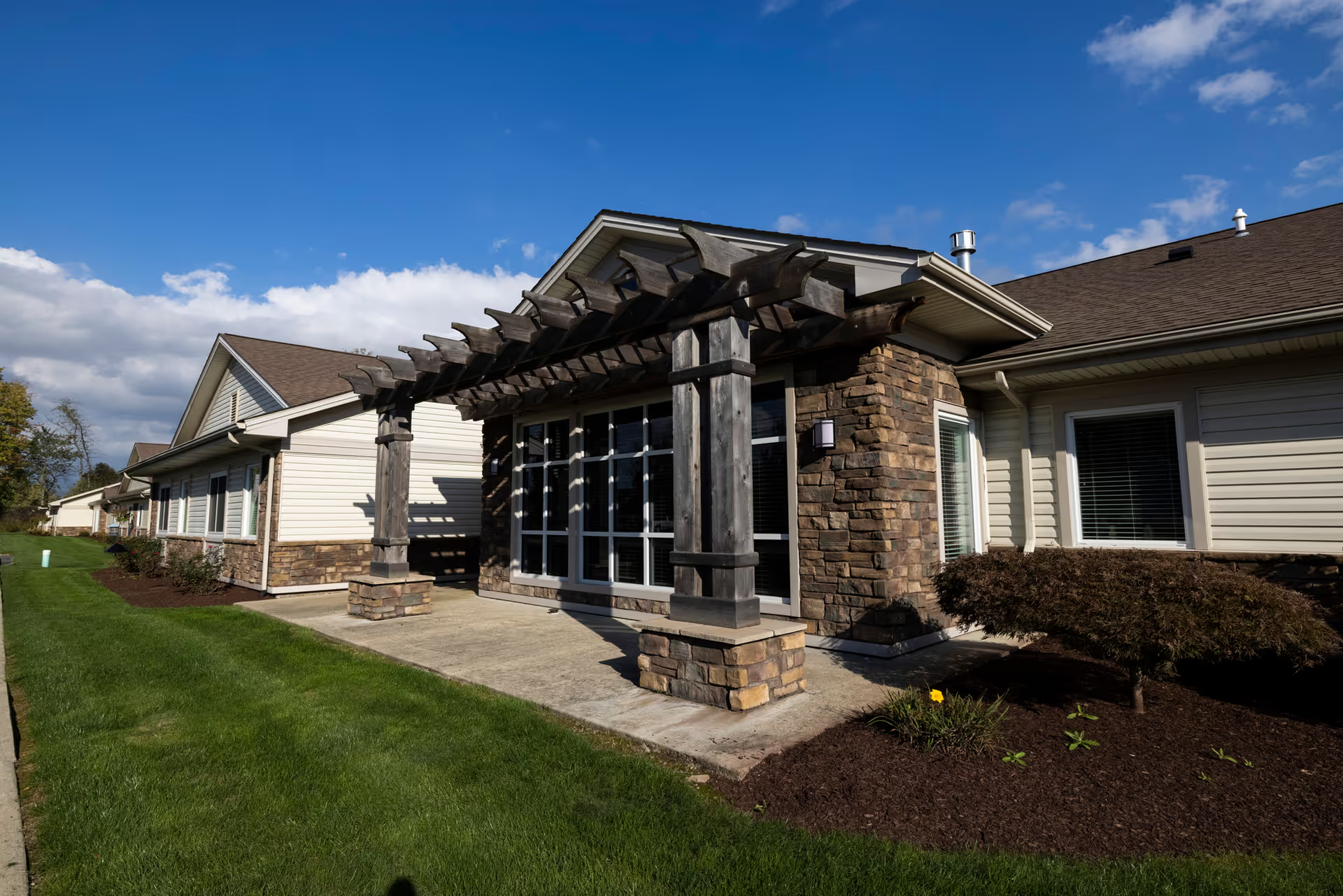
Information about activities and social programming was limited in the feedback provided, so it is difficult to form a clear picture of the facility’s recreational offerings. Facility-level strengths are clearer with regard to living accommodations and therapy services, while the most notable operational risks cluster around medication management, monitoring, staff professionalism, resident-safety practices, and family communication. Prospective residents and families should balance the facility’s rehabilitative strengths and private-room accommodations against the identified management and clinical oversight concerns, and consider discussing specific protocols for medication administration, monitoring frequency, incident communication, and staff training during a tour or intake conversation.