Overall impression Laurels of Blanchester elicits a polarized set of experiences: many families and residents describe attentive, rehabilitative, and home-like care, while others report operational and administrative problems that affected their confidence in the facility. Strengths repeatedly cited include skilled therapy services, warm caregiving relationships, and a clean, welcoming physical environment. At the same time, a subset of accounts raises significant concerns about responsiveness, administrative communication, and certain care-process gaps.
Care and staff Clinical and caregiving staff receive consistent praise. Physical and occupational therapy programs are credited with helping residents regain function and return home; reviewers mentioned frequent therapy sessions and measurable recovery progress. Nurses, STNAs, and aides are often described as compassionate, resident-centered, and team-oriented, and many families report feeling that staff treated residents with respect and personalized attention. However, reviewers also described variability in daily-care execution: weekend staffing shortages, occasional lapses in follow-through on care plans, and delays in bedside assistance create uneven experiences for some residents.
Dining and activities Dining and activity offerings are frequently cited as strengths. Meals are described as home-style and satisfying (homemade soups, lasagna, garden produce), and dietary staff receive positive comments. The activity program appears active and varied, with holiday events, craft sessions, and opportunities for social connection that contribute to resident well-being and community feel.
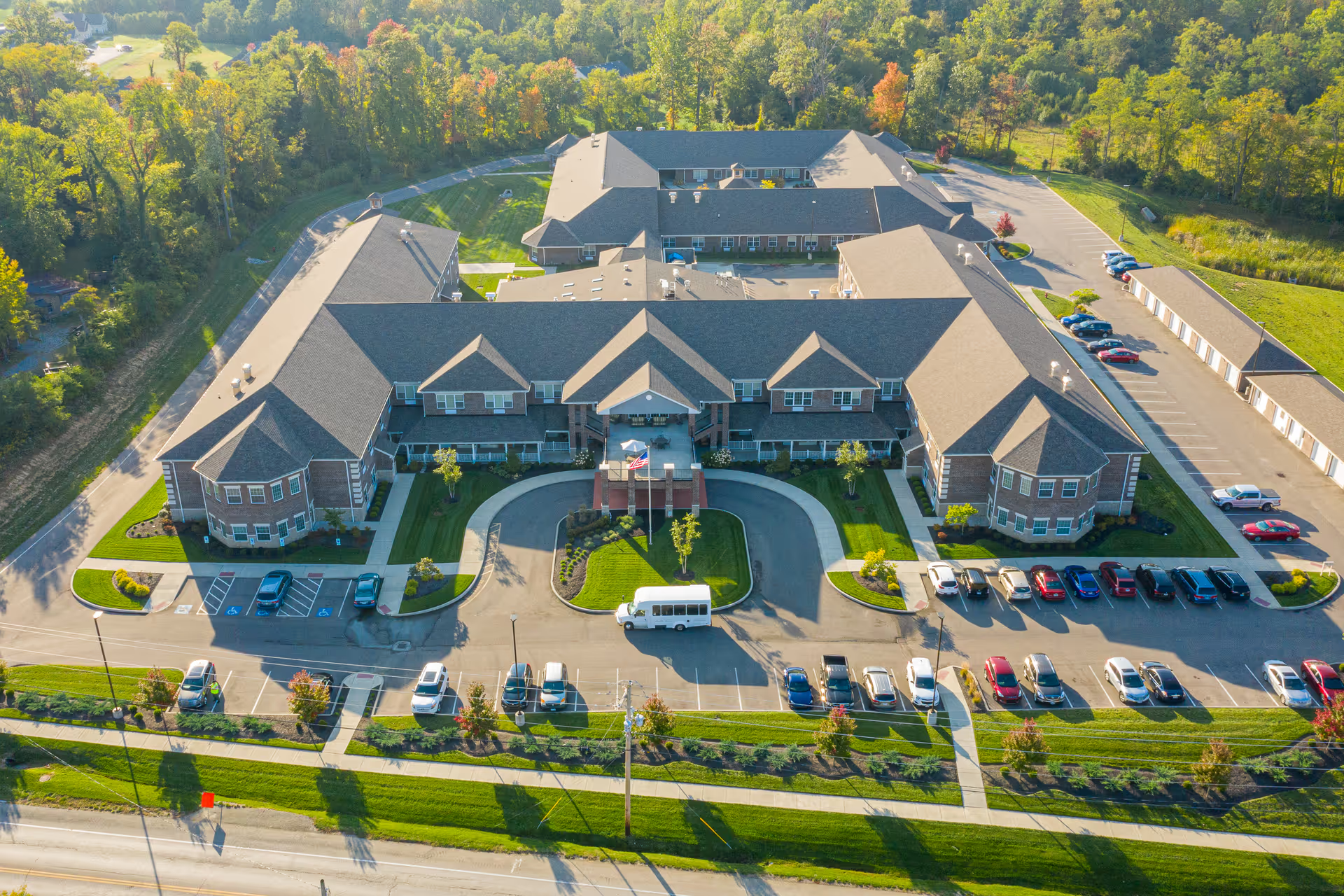
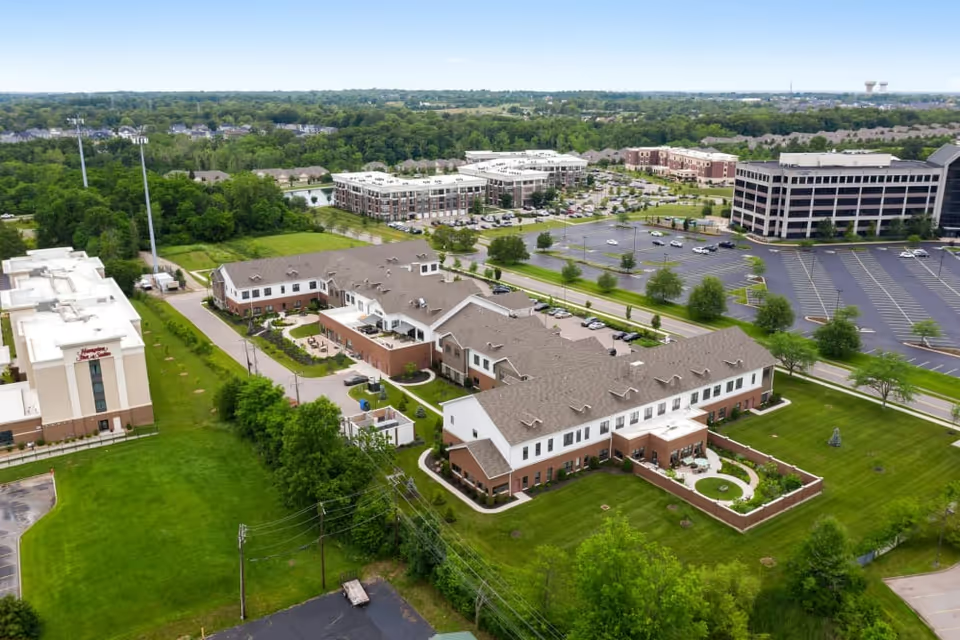
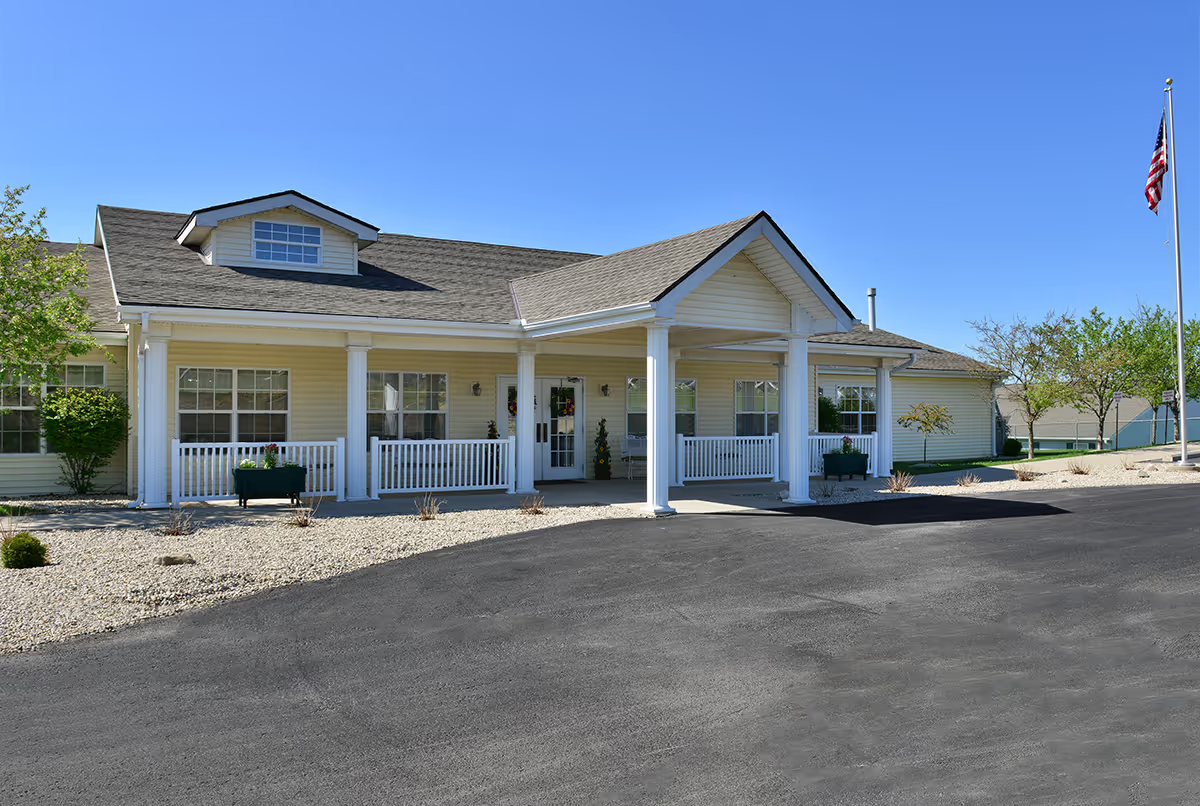
Facilities and housekeeping The physical plant is repeatedly described as clean, comfortable, and well-maintained; many reviewers used positive metaphors for the facility and praised housekeeping and the general environment. At the same time, a number of reviews describe isolated sanitation or incontinence-care inconsistencies, suggesting variability in implementation rather than a uniformly poor facility condition.
Management, administration, and risk patterns Administrative experiences are mixed. Admissions and some administrative staff are described as helpful and thoughtful, but other accounts describe problematic communications, difficult interactions with management, and unresolved billing or reimbursement concerns. Several families raised serious operational issues: significant delays responding to call lights, weak controls around personal property, and concerns about medication handling and documentation. There are also mentions of pressure toward early discharge tied to payer considerations; these should be probed directly with the facility. A small number of reviewers made more serious claims (including allegations of withholding medications or property), which represent elevated concerns that families may want to verify through direct questions and, if warranted, external oversight channels.
Notable patterns and practical guidance The most consistent positive themes are quality rehabilitation, compassionate day-to-day caregiving, helpful admissions/social-service support, active programming, and a clean environment. The most consistent negative themes are uneven staffing (weekends in particular), slow call-response times, gaps in administrative communication and billing, and weaknesses in property and medication safeguards. Prospective residents and families considering Laurels of Blanchester should: ask about weekend and off-shift staffing ratios and typical call-response times; request documentation of care-plan adherence and pressure-injury prevention protocols; inquire about property-management procedures and medication-administration audits; clarify discharge-planning policies and how payer status affects length-of-stay decisions; and review any state inspection or ombudsman records. Observing mealtimes and an activities period during a visit can also help confirm the fit between the facility’s strengths and a prospective resident’s needs.