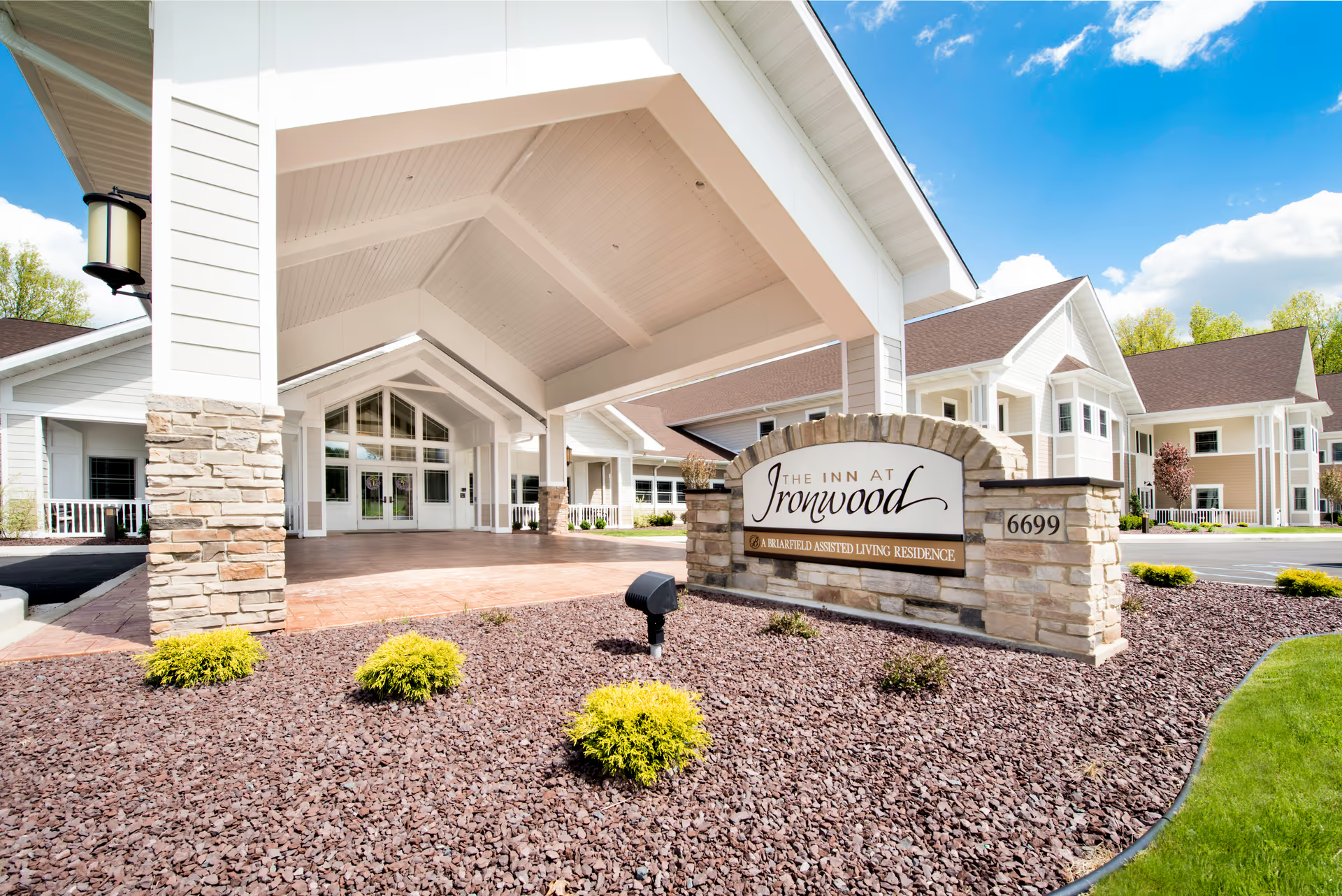
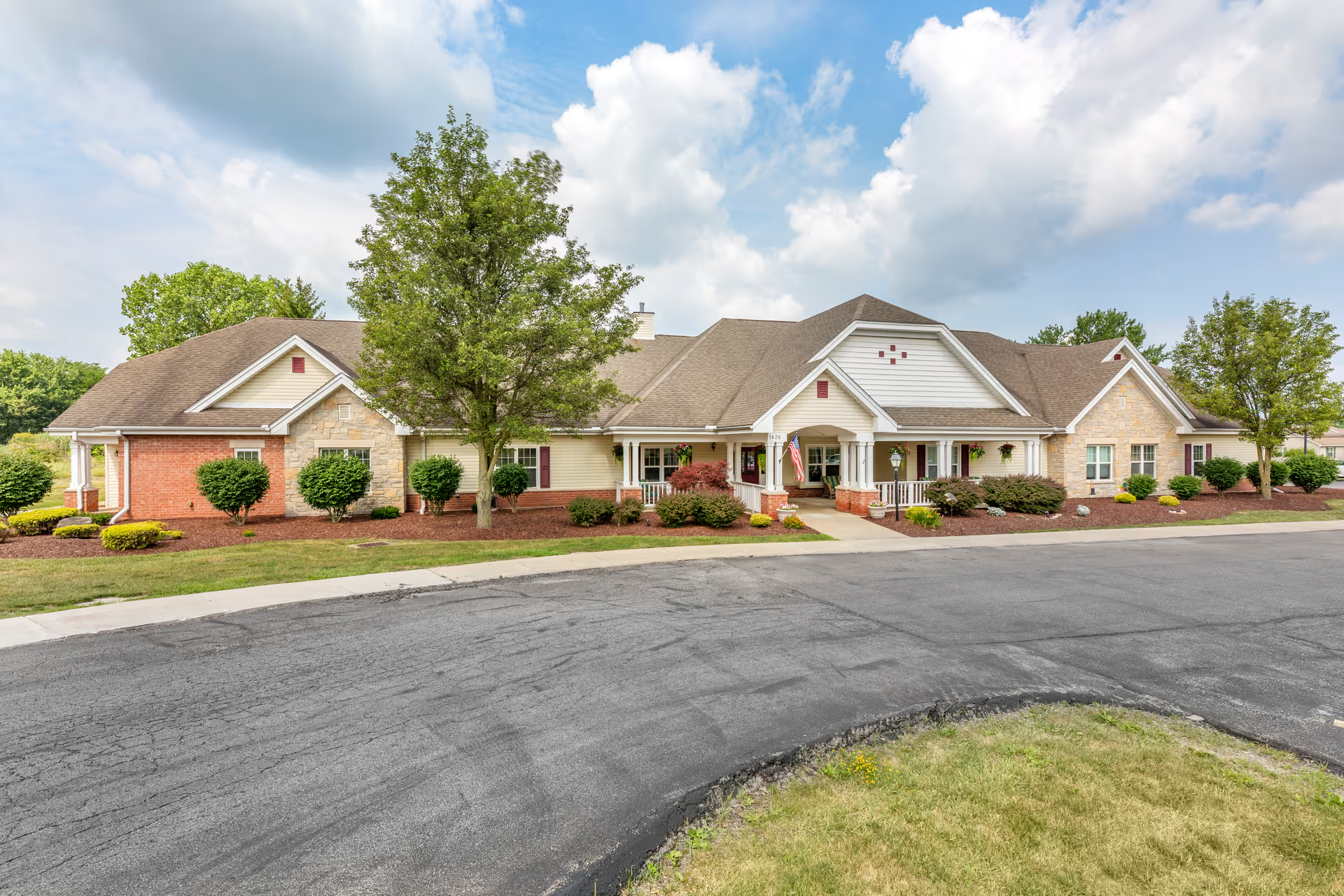
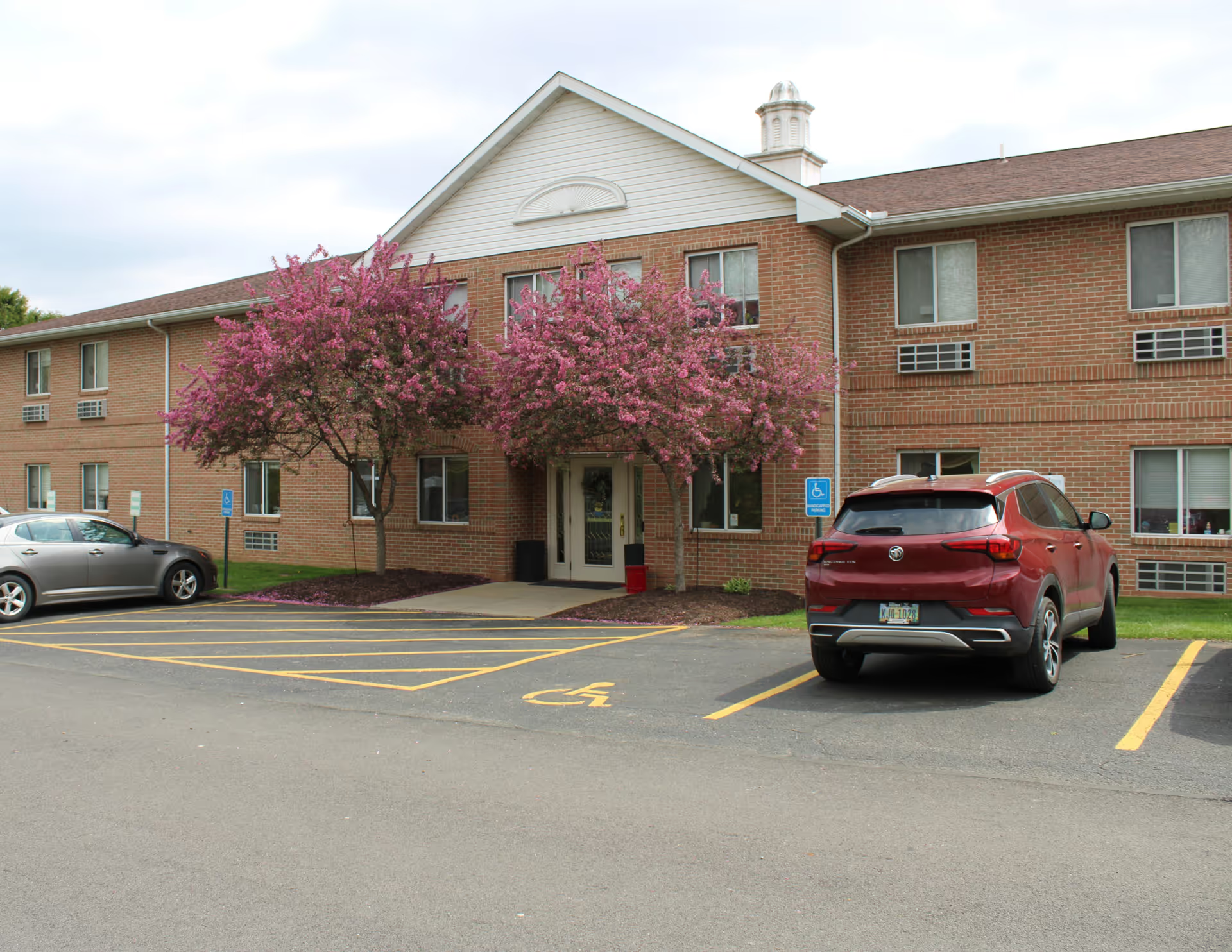
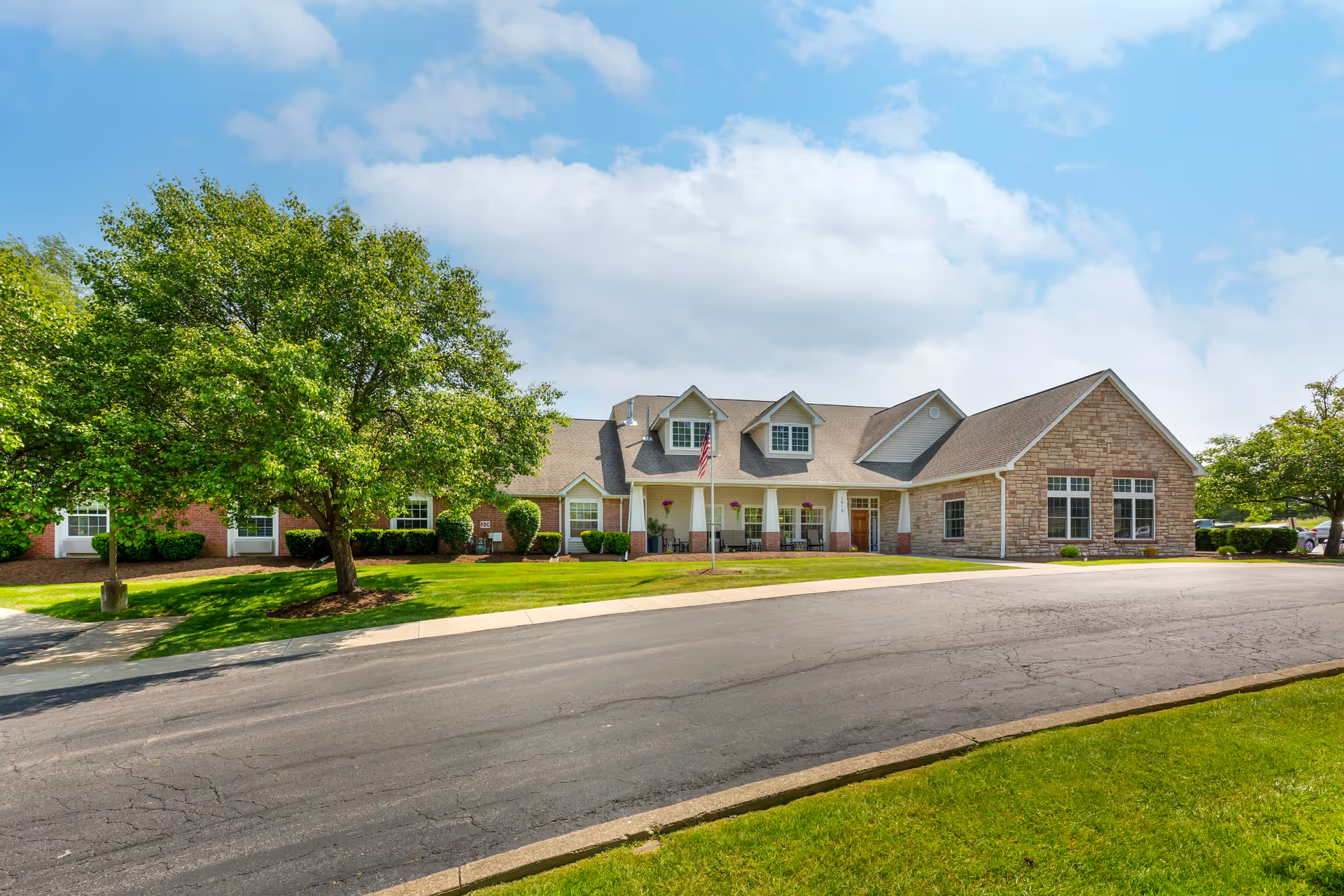
Windsor House at Canfield elicits strongly mixed impressions across reviewers. Positive feedback highlights a clinical core that performs well for rehabilitation and short-term recovery: families and former residents commonly describe effective physical and occupational therapy, motivated rehab teams, and measurable recovery outcomes that supported discharge to home. Many reviewers also emphasize compassionate nursing and aide care, attentive social-work support, and helpful coordination of home-health services and appointments. On the hospitality side, the facility’s physical plant, grounds, and common areas are frequently described as attractive and well maintained, with comfortable gathering spaces and chef-driven meals that some residents find excellent and culturally familiar.
Counterbalancing those strengths are recurring operational concerns that appear to affect day-to-day reliability. Staffing levels and stability emerge as a pervasive issue — reviewers describe periods when aides and nurses are stretched thin, a reliance on temporary agency personnel, and notable staff turnover. Those staffing and supervision gaps are linked to inconsistent delivery of personal care (including bathing and toileting assistance), sanitation and laundry-process lapses, and delayed medication administration. Several accounts describe poor continuity of meal service after vendor changes, with variability in portion size and temperature that contrasts with other reports of high-quality dining.
Communication and management practices show a mixed pattern. Some families praise a responsive main office and front-desk personnel and detail helpful coordination around therapy and discharge planning. Others describe inconsistent family communication, missed care-plan meetings, delayed callbacks, and difficulties obtaining clinical records. There are also allegations of a serious medication dosing error that preceded acute complications for a resident and concerns following a resident’s death; in addition, some families raise questions about billing practices and unclear charges. These more severe, individual claims amplify worries about clinical transparency and financial clarity and may merit direct inquiry by prospective families.
Staff conduct and supervision are additional areas of concern. While many reviews single out specific aides, nurses, and therapists for professionalism and compassion, other accounts point to lapses in staff oversight — examples include distractions while on duty and behaviors perceived as unprofessional. These reports suggest variability in on-shift supervision and the need for consistent enforcement of professional standards.
For prospective residents and families: the facility shows clear strengths in rehabilitation, many instances of high-quality nursing and aide care, and a well-appointed environment that some residents find very comforting. At the same time, the pattern of concerns around staffing consistency, personal-care reliability, sanitation processes, medication administration timeliness, communication practices, and billing transparency are significant operational themes to probe. Recommended steps when evaluating Windsor House at Canfield include in-person observation of staffing levels and mealtime service, direct questions about staffing ratios and agency use, review of medication-administration and incident-reporting protocols, verification of medical-record access procedures, and clarification of billing practices before admission.