Reviews for Regency at Chagrin Falls are highly polarized. A substantial number of families and short-stay patients praise the facility’s rehabilitation services, compassionate frontline caregivers, and recently renovated private rooms; at the same time, other reviewers describe recurring operational and clinical concerns. Prospective residents and families will find clear strengths in therapy-driven recovery, individual staff members who are described as attentive, and a welcoming admissions experience, but should weigh those against patterns of inconsistency reported across multiple domains.
Care quality is mixed. Therapy services (physical and occupational) and respiratory care receive consistent positive feedback for measurable recovery gains and attentive therapists. Several reviewers highlighted individual nurses and therapists by name for excellent care. Conversely, there are multiple accounts indicating inconsistent nursing follow-through: delayed responses to calls for assistance, care plans not being followed consistently, and delays in implementing medication changes. A small subset of reviews contains serious individual allegations regarding medication handling and property loss; those comments suggest that families should seek clear documentation of medication protocols and property safeguards when evaluating the facility.
Staffing and management emerge as central drivers of the divergent experiences. Frontline staff are frequently described as compassionate, professional, and personable, and some families explicitly link positive outcomes to those caregivers. However, recurring themes include high turnover, frequent use of agency nurses, and variable leadership at the director-of-nursing/administrative levels. Reviewers cite gaps in communication with families, billing and refund delays, and instances of perceived administrative disorganization. Together, these operational weaknesses appear to contribute to the inconsistent care experiences reported.
Dining and activities are similarly mixed. Many reviews praise the dietary team and specific menu items, noting accommodating service and above-average meals for a nursing setting. Other reviews describe repetitive menus, limited fresh produce, and unappetizing preparations. Activity programming and social engagement are described positively in some accounts (including community events and outreach), but other reviewers report limited activity options and feelings of isolation for residents. This suggests variability between wings, units, or staffing patterns.
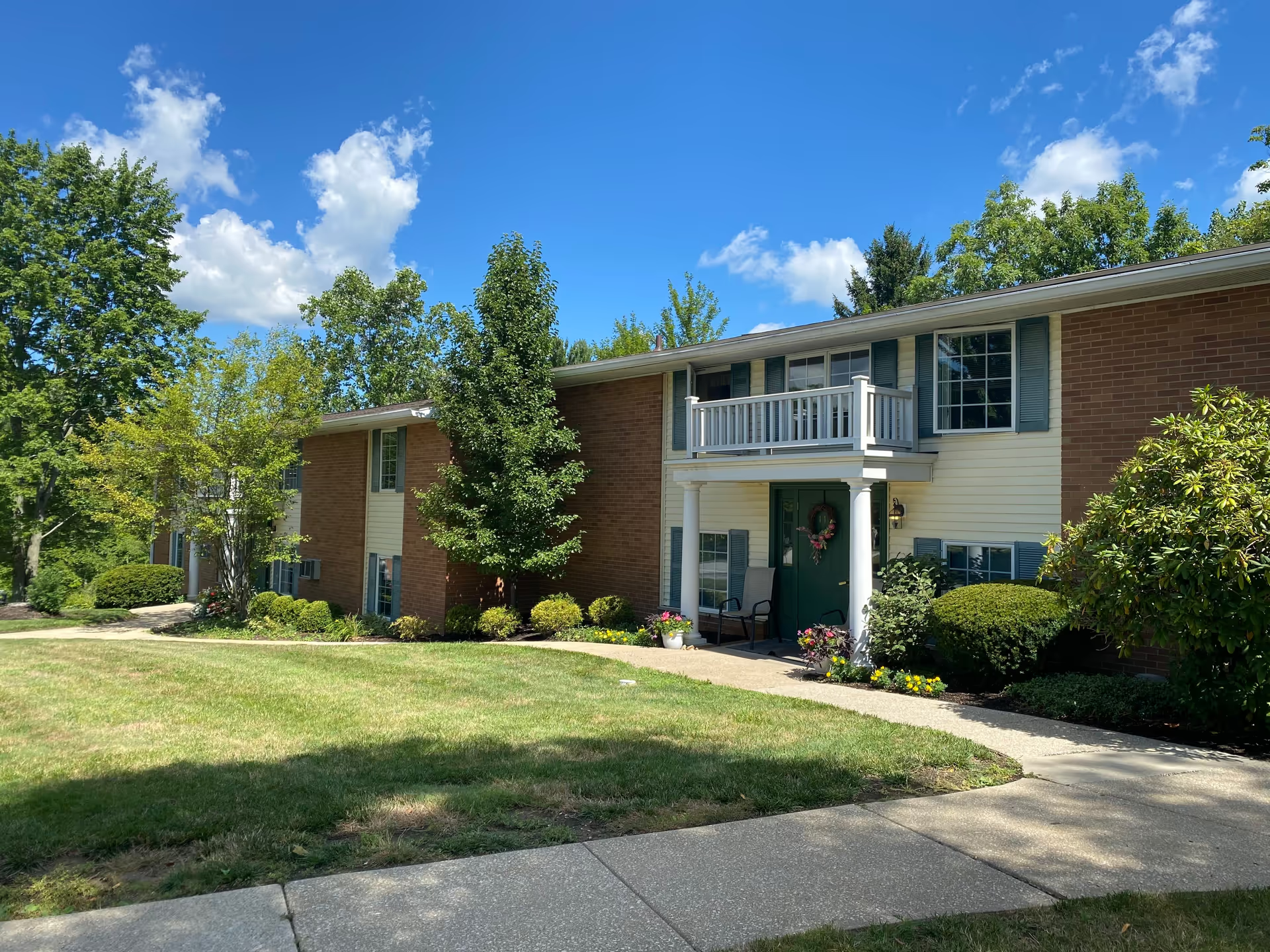
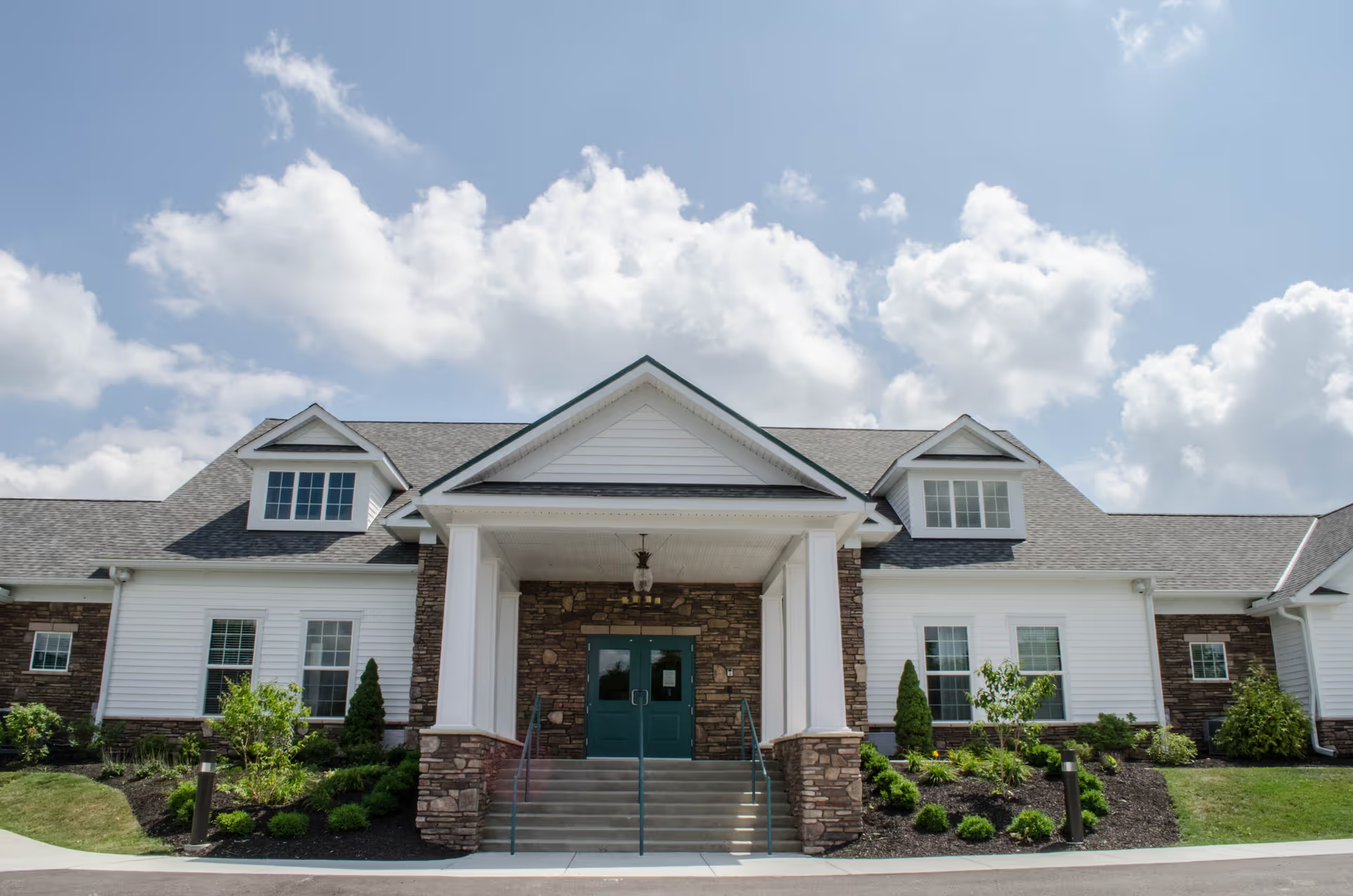
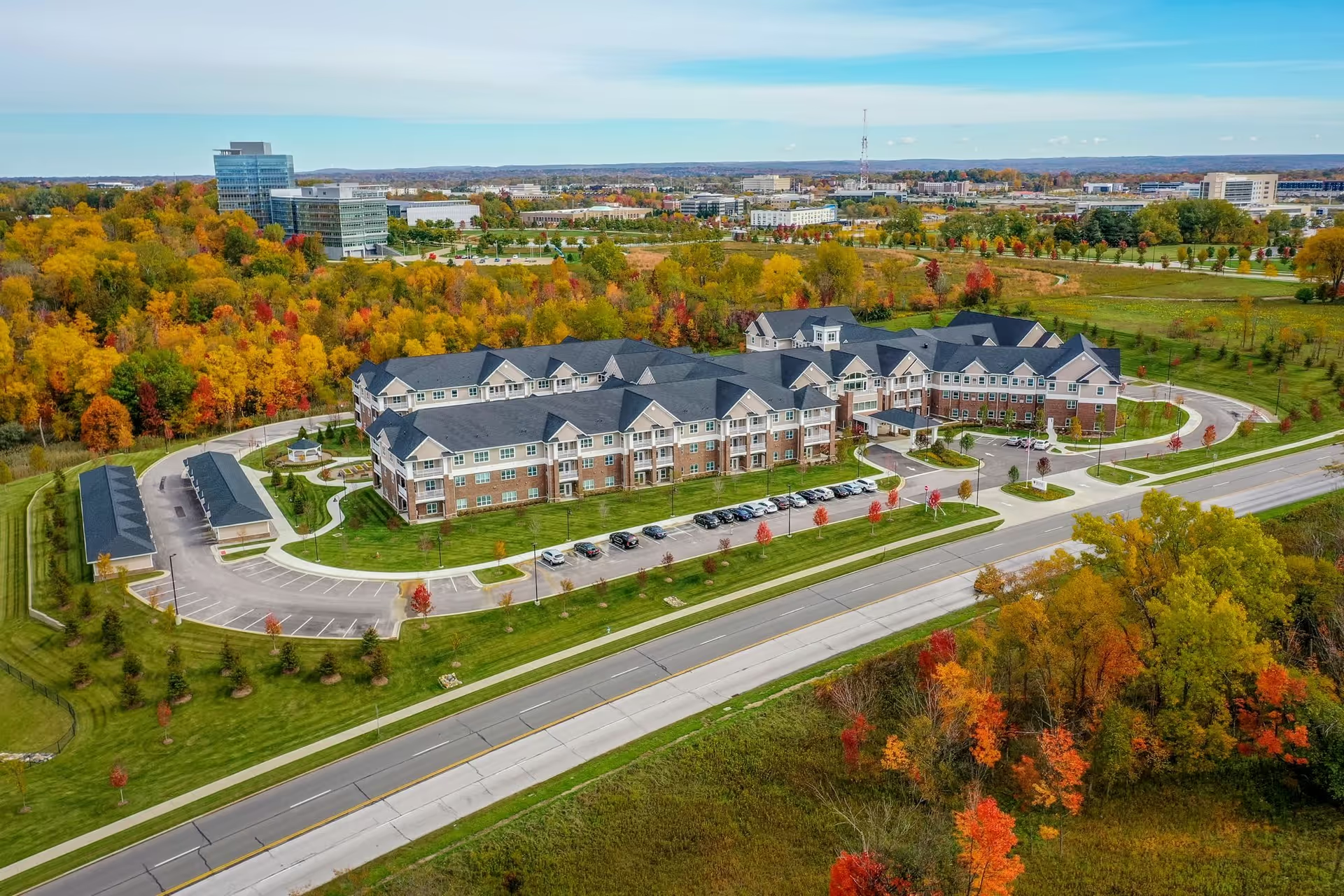
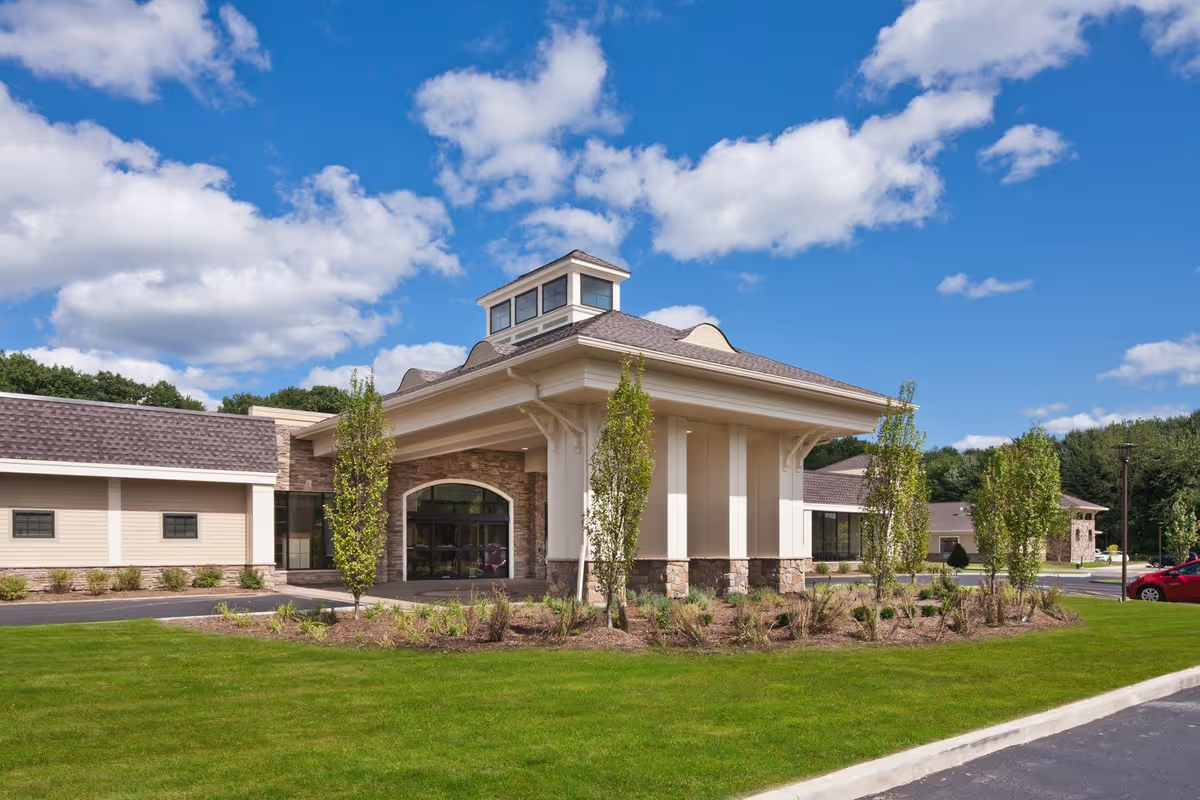
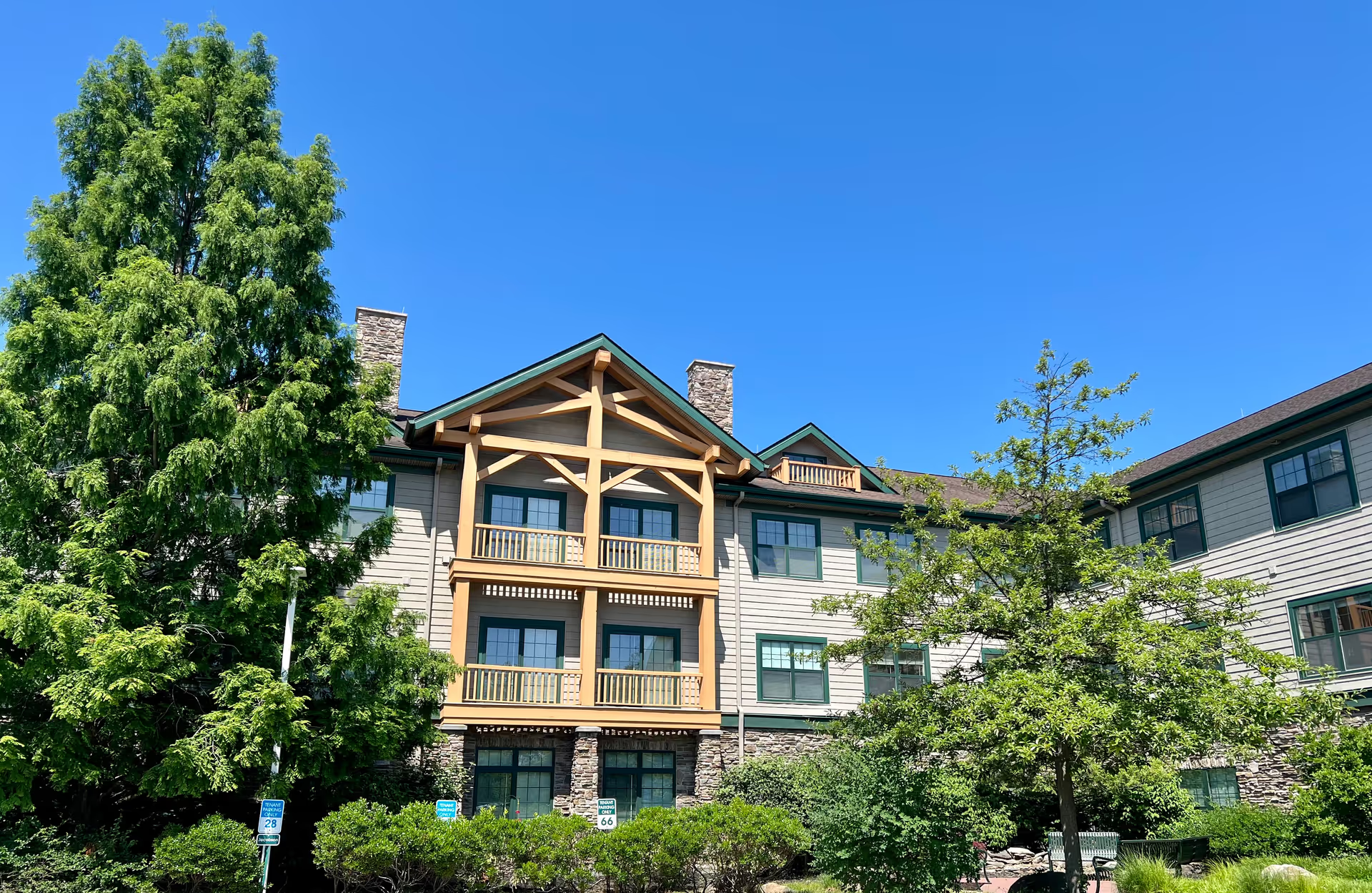
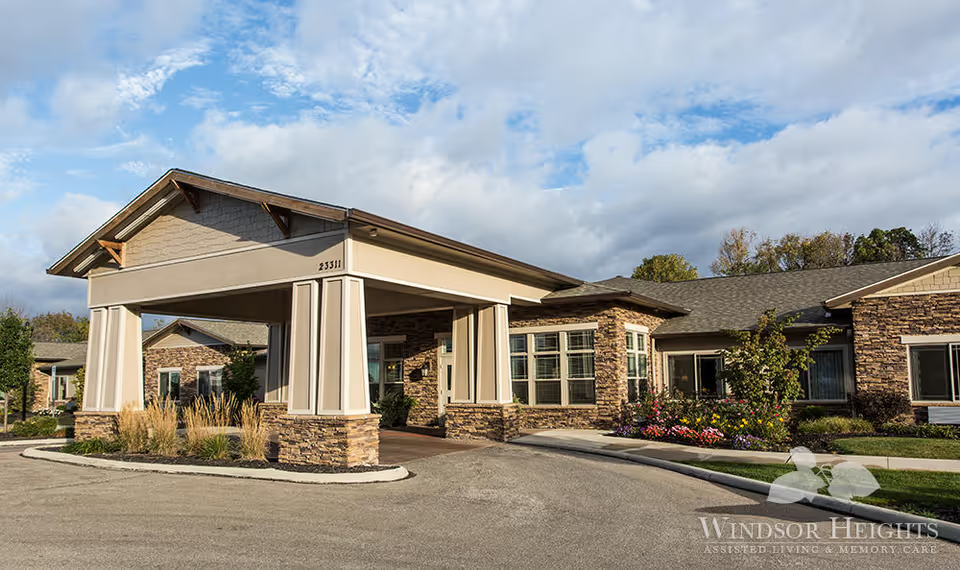
Facility condition shows contrast between renovated areas and maintenance shortfalls. Renovated private rooms, updated flooring, and improved common spaces receive strong positive comments. At the same time, multiple reviews raise sanitation and maintenance concerns — including mold in bathrooms/curtains, lingering odors in parts of the building, and general disrepair in older sections. Several reviewers also report problems with the nurse-call system or interim workarounds, which can affect response times and perceived safety.
Notable patterns: strong rehabilitation capability and several standout caregivers are consistent strengths; recurring operational issues—staffing instability, inconsistent clinical follow-through, communication and billing problems, and maintenance/sanitation lapses—are the principal weaknesses. A few reviews include serious allegations (theft and medication-related concerns), which merit further inquiry and, if present, regulatory attention. For families considering this facility, recommended verification steps include asking about current staffing ratios and agency use, observing call-response times, reviewing medication-management and property policies, touring renovated and non-renovated units, sampling meals, and speaking directly with therapy staff about expected outcomes.