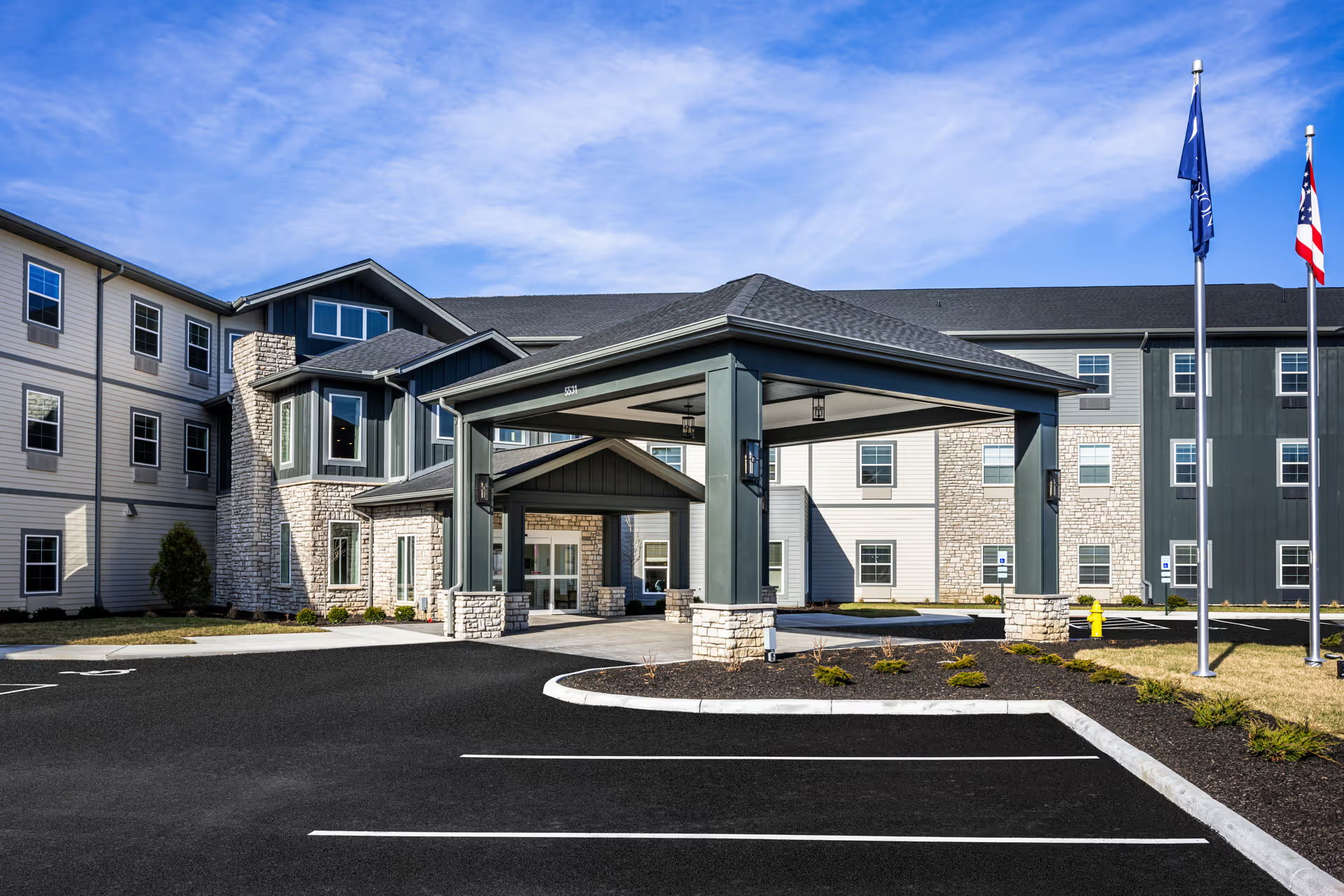
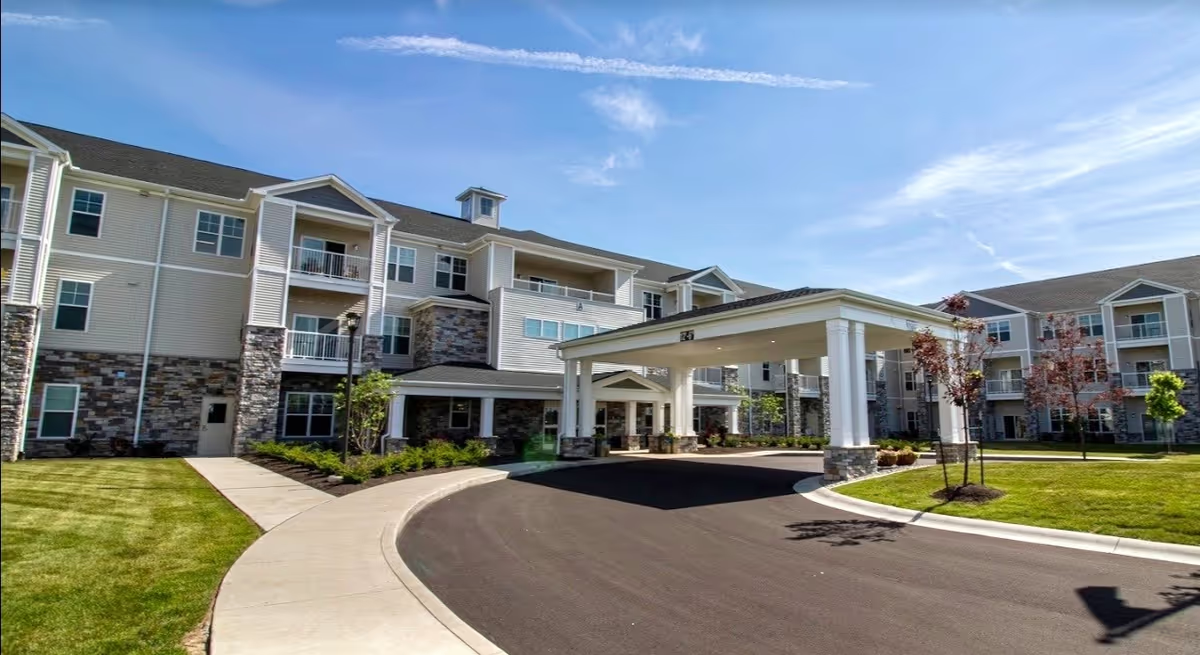
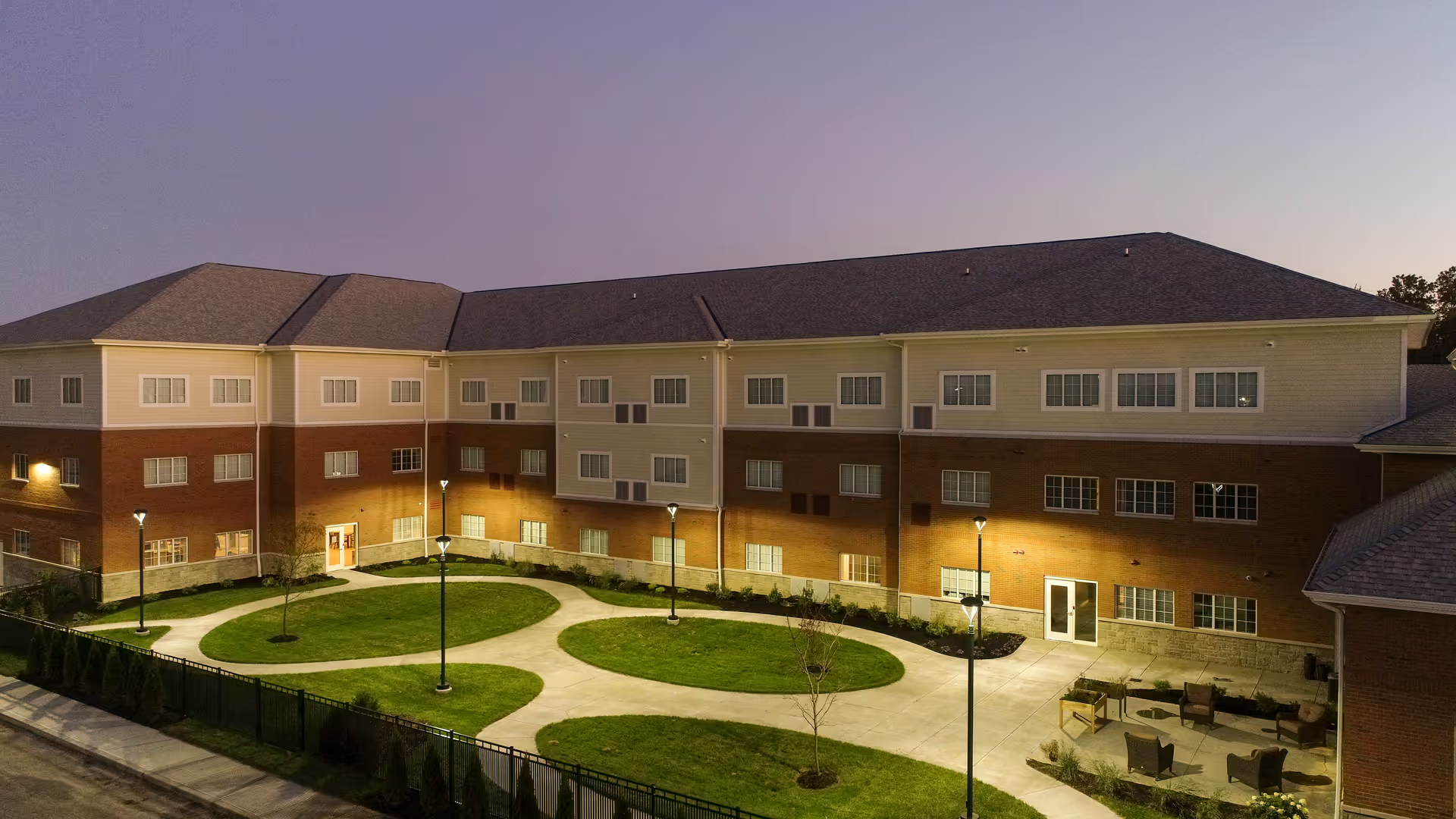
The reviews for Alois Alzheimer Center are strongly polarized. Many families describe dedicated, dementia-focused care with staff who understand Alzheimer’s disease and provide compassionate, person-centered support. Positive accounts highlight secure units, accessible sunrooms and courtyard gardens, on-site physical and occupational therapy, regular off-campus outings, and activities such as gardening and a Lunch Club. Several reviewers reported measurable clinical improvements for their loved ones (weight gain, improved skin tone, regained mobility) and praised the facility's experience and end-of-life support.
At the same time, a noticeable subset of accounts raise significant operational concerns. The most common themes are inconsistent meal quality and preparation; sanitation and housekeeping lapses in some areas; delays in incontinence-related care leading to odor concerns; and inconsistent laundry handling. Safety and security issues are cited, including unsecured doors and residents entering others’ rooms, which families associate with uneven supervision. Staffing instability and variability in staff conduct are recurring points: many families praise individual caregivers and therapists, while others describe aides and nurses as unresponsive or inattentive during certain shifts.
Programming and engagement receive mixed feedback. Some residents are described as socially active with regular on- and off-site activities and individualized engagement, while other accounts point to limited or difficult-to-arrange activity staffing, leading to periods with few organized opportunities. Dining and nutrition are likewise inconsistent across reports: some families find the food acceptable, but others describe repetitive, processed-style meals and a lack of fresh options.
Clinical and administrative practices show a split pattern. Several reviewers appreciated regular nursing contact, care conferences, and transparent therapy services. Conversely, families raised concerns about medication management and behavioral approaches, including the use of sedative strategies and inconsistent re-admission or behavior-management policies. Management responsiveness is uneven in the accounts: some families report effective communication and follow-through, while others experienced dismissive interactions, missed commitments, or slow responses to complaints. A small number of accounts escalate to allegations of property mishandling and financial concerns, which underscores the need for careful inquiry during tours and contracting.
Practical considerations: the facility is long-established and often priced below alternatives, which some families cite as a positive. The building is described as older in places but with comfortable common areas; maintenance and pest-control issues were mentioned in a minority of accounts. Prospective residents and families should weigh the facility’s dementia specialization, therapy offerings, and secure spaces against inconsistencies in housekeeping, activity staffing, meal preparation, and some aspects of management oversight. When evaluating Alois Alzheimer Center, visitors should request recent cleaning and inspection records, ask about staffing patterns (including night shift supervision), review medication- and behavior-management protocols, and consult current family references to understand unit- and shift-level variation in care.