CareCore at Meadows elicits strongly mixed impressions. Many families and residents praise direct-care staff and certain nursing personnel for compassionate, attentive interactions; individual staff members and newer leadership initiatives are repeatedly called out as positive influences. At the same time, there are persistent operational concerns that affect overall quality of care and safety.
Care quality shows notable variability. Positive accounts describe knowledgeable nurses and attentive aides who support recovery and dignity. However, distinct patterns of clinical gaps appear across reviews: missed or delayed medications, incomplete personal-care routines (inconsistent bathing and turning), wound and dialysis-care coordination problems, and instances that suggest inadequate response to clinical deterioration. Several families linked these care gaps to escalation of health issues. There are also recurring mentions of falls and potential shortcomings in transfer- and fall-prevention practices.
Staffing and communication are key drivers of both praise and concern. On the positive side, long-term employees and some new managers have cultivated a more open, resident-focused culture, with staff going beyond basic duties. Conversely, chronic understaffing, scheduling confusion, high workload, and occasional unprofessional conduct (including discourteous scheduling interactions) were commonly reported. Family communication difficulties — unanswered phones, delayed notifications about clinical changes, and inconsistent information from management — are prominent themes.
Dining and activities are inconsistent. Reviewers note some engaging outings and social opportunities and say some residents enjoy the programming. At the same time, meal quality and service timing are uneven; breakfast service delays and discrepancies between advertised and actual meals were frequently mentioned. Activity schedules likewise appear to vary between units and shifts.
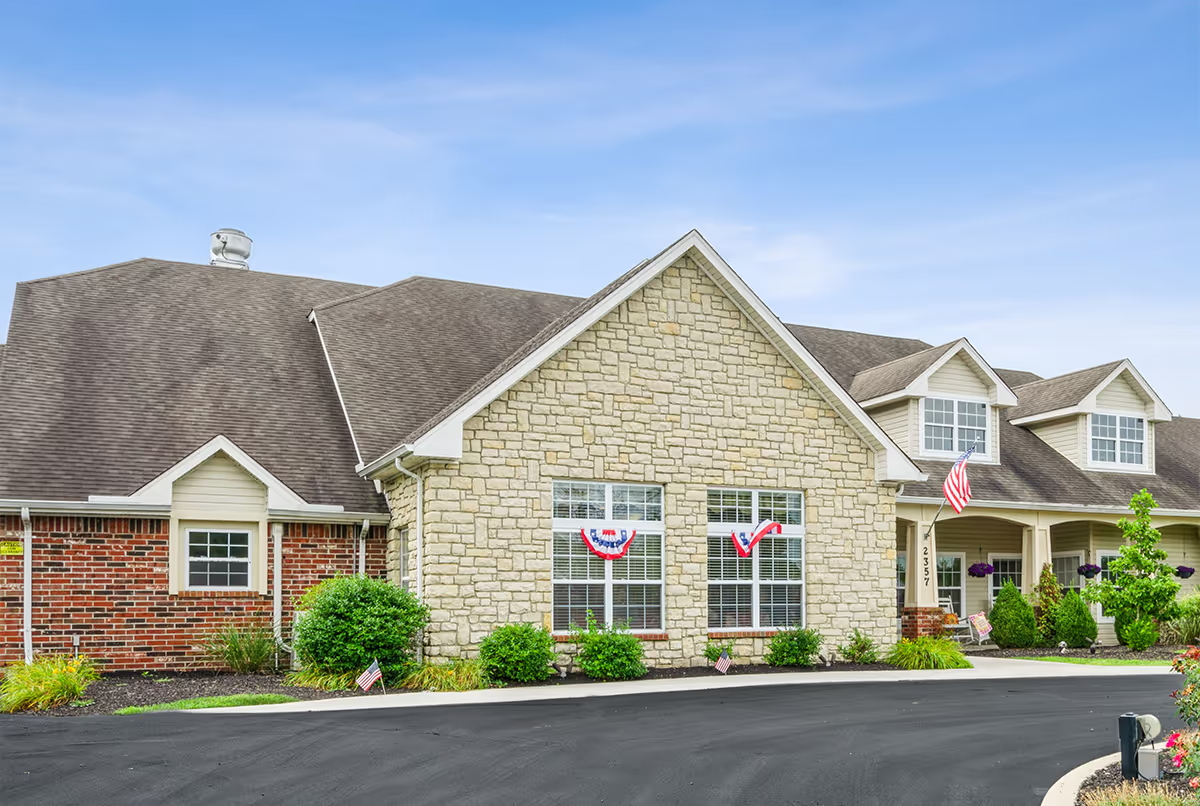
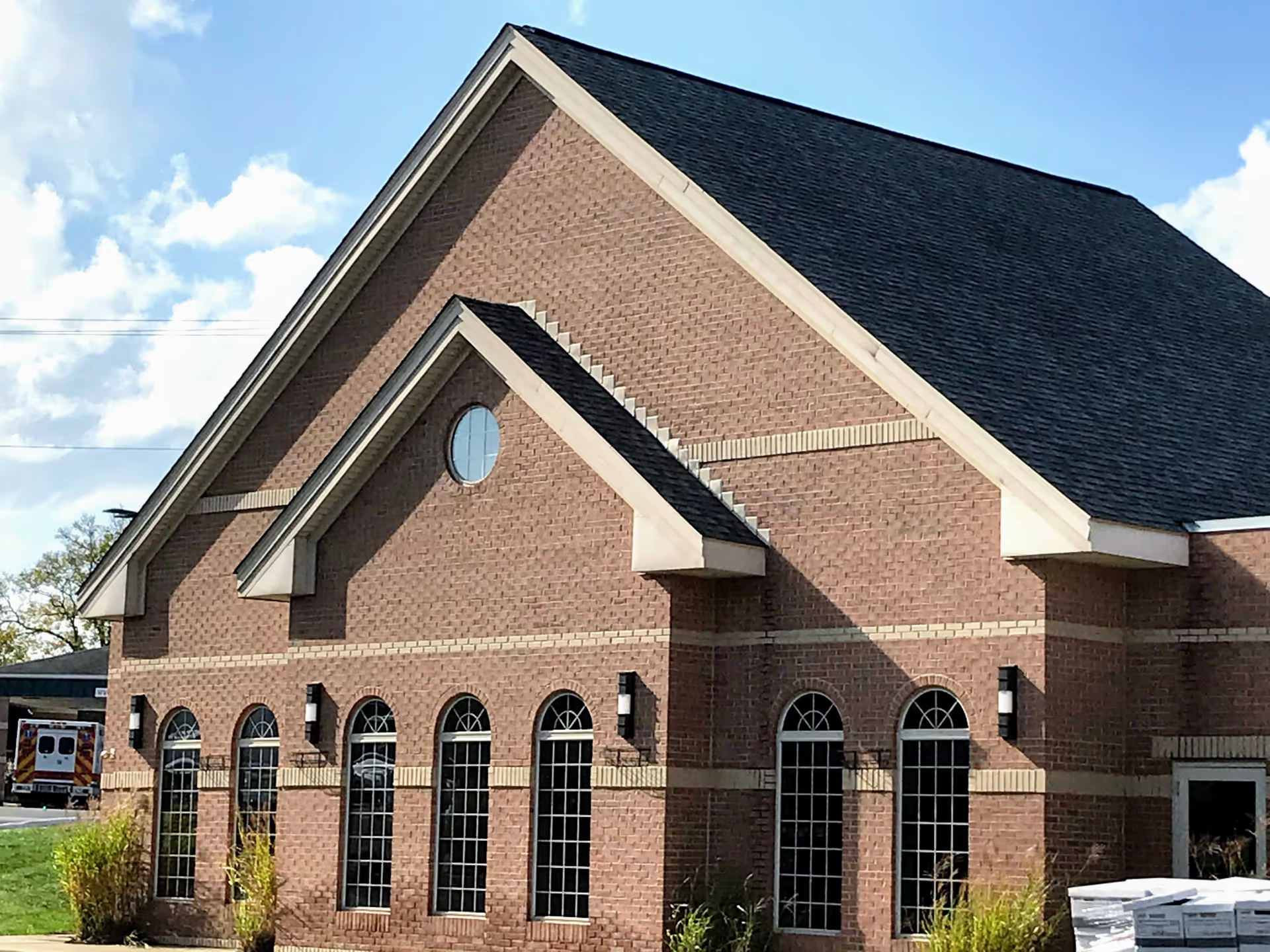
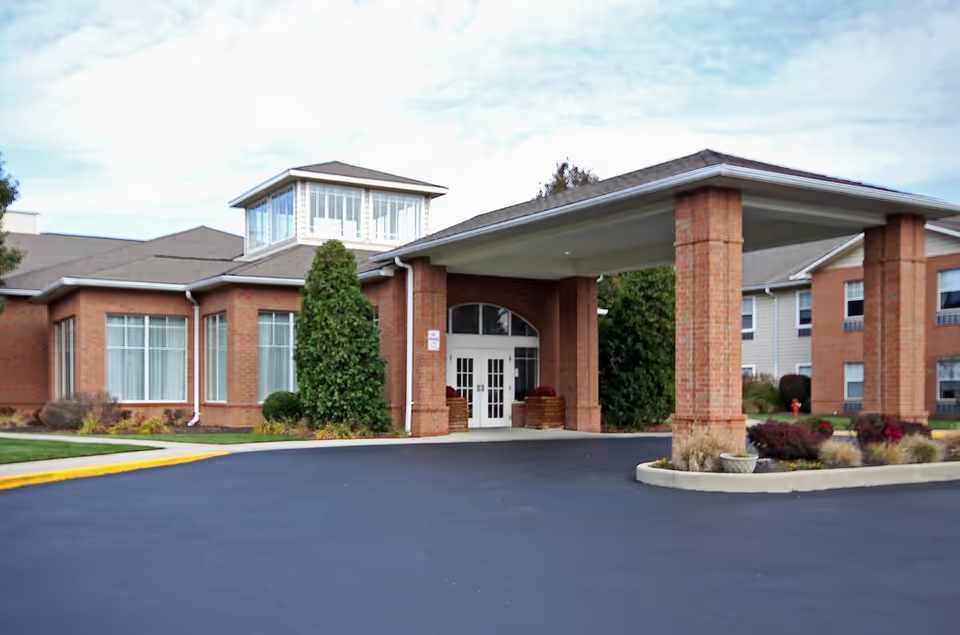
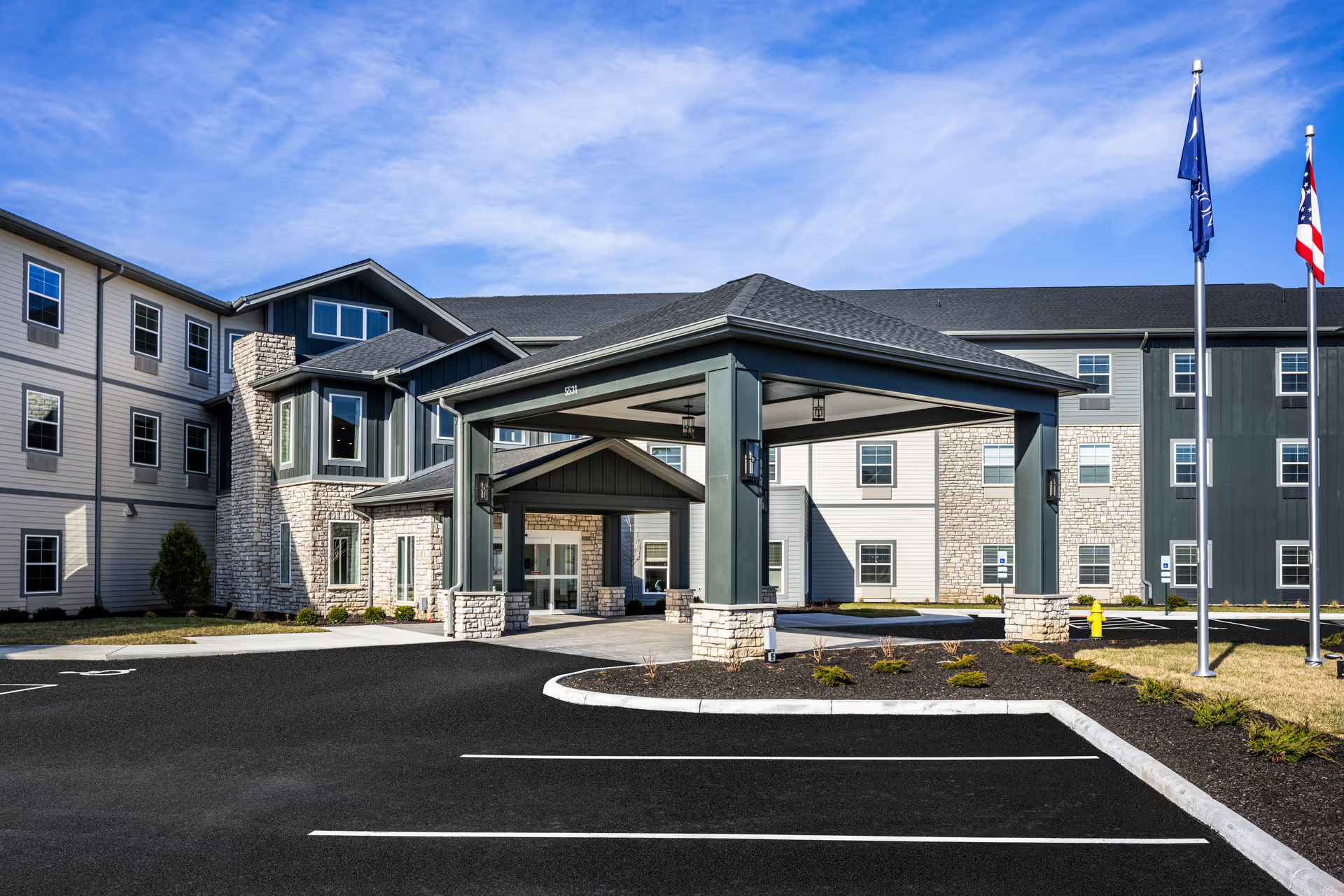
Facility condition and environmental management present mixed signals. Some reviews reference ongoing renovations and visible improvements. However, others describe sanitation and maintenance deficiencies in rooms and common areas, pest-control concerns, mold or water-damage indicators, broken or poorly maintained equipment, and accessibility limitations in certain units. These issues compound families’ concern about day-to-day living conditions and safety.
Management and oversight show signs of transition. Several reviewers praised new leadership, open-door approaches, and community partnerships (local pharmacy, employee supports). Yet other accounts describe unprofessional management behavior, inconsistent responsiveness to complaints, scheduling/staffing administration problems, and even allegations concerning financial stewardship. Regulatory attention and involvement by oversight entities were referenced by some families, indicating prior quality concerns have prompted external review.
Notable pattern: experiences appear polarized. Some families describe a caring, improving community with committed staff and visible changes under new management; others report repeated, operationally rooted failures that affect clinical safety, cleanliness, and communication. Prospective residents and families should weigh these divergent experiences, request up-to-date information on staffing ratios, medication administration policies, infection-control and maintenance records, recent inspection reports, and specific plans for medically complex care before making placement decisions.