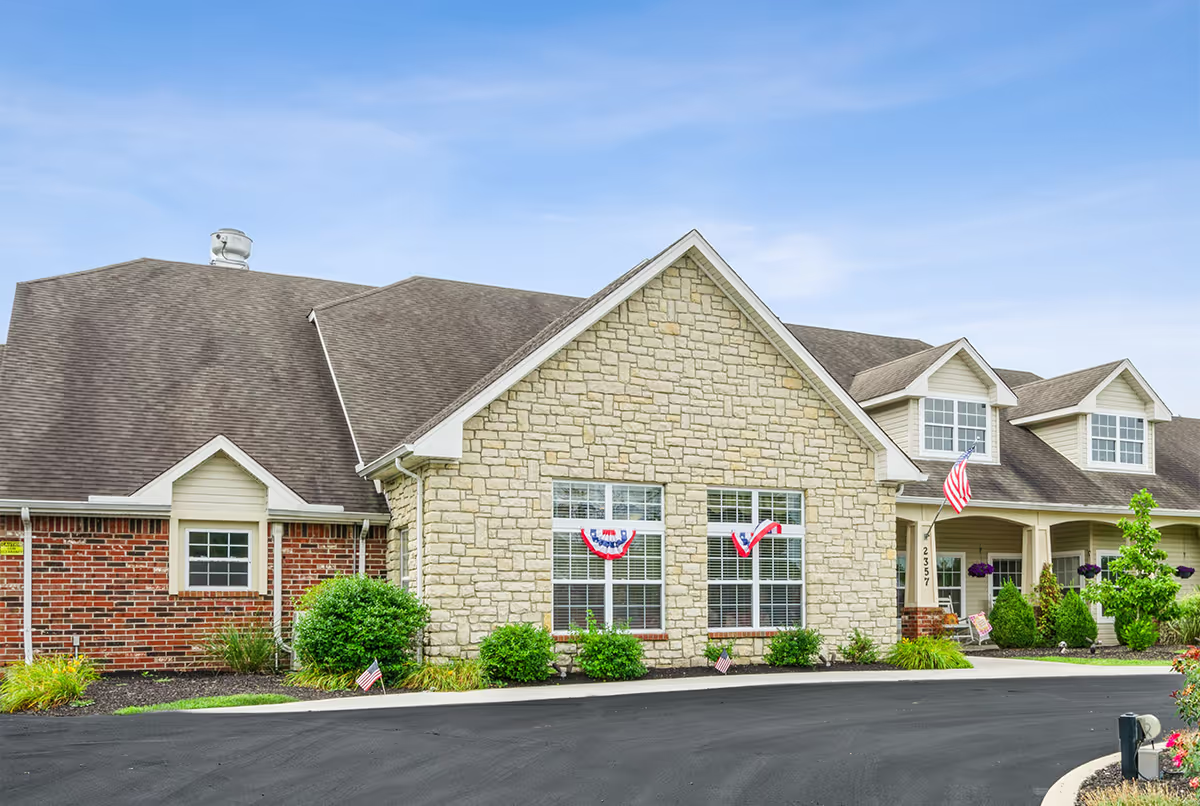
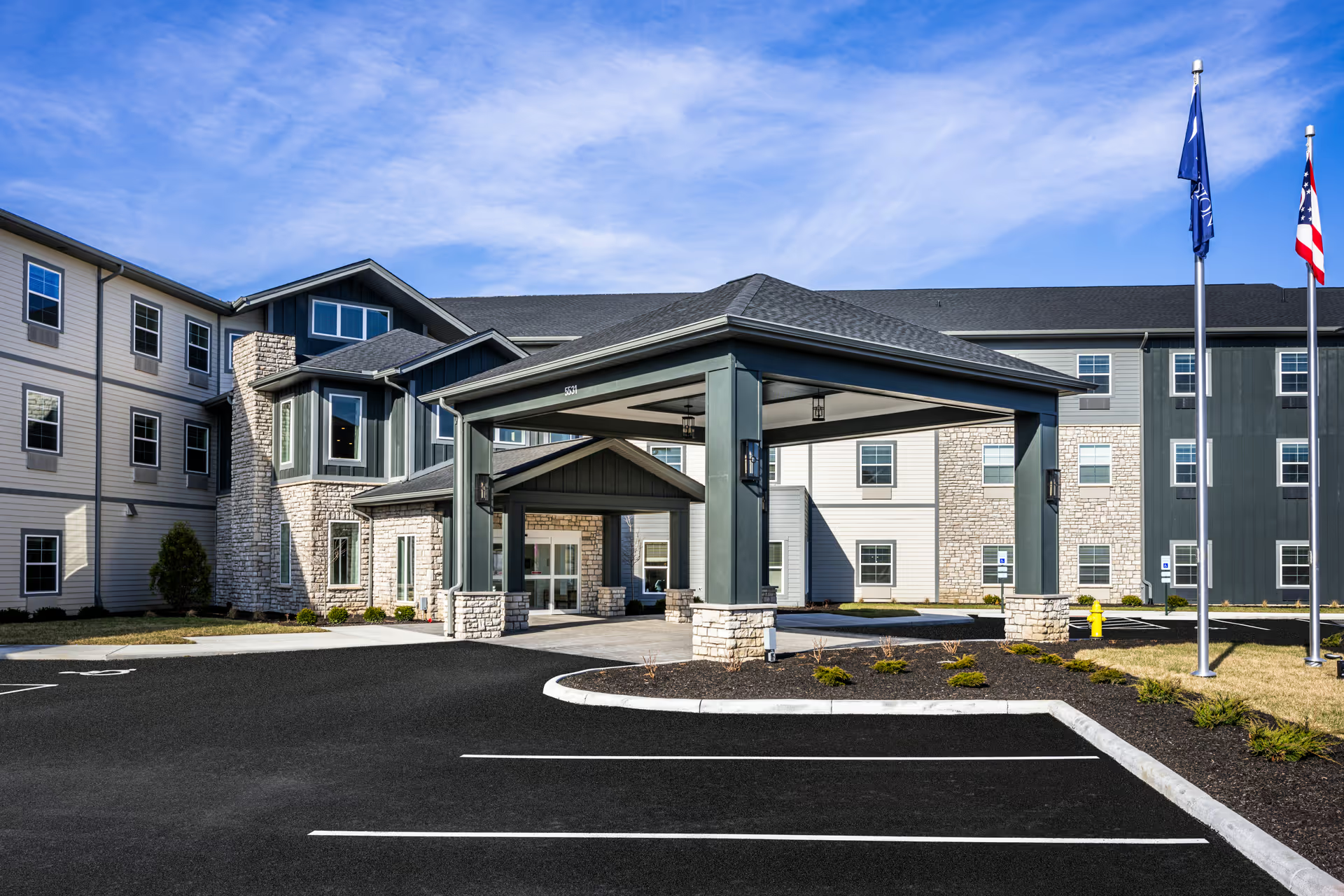
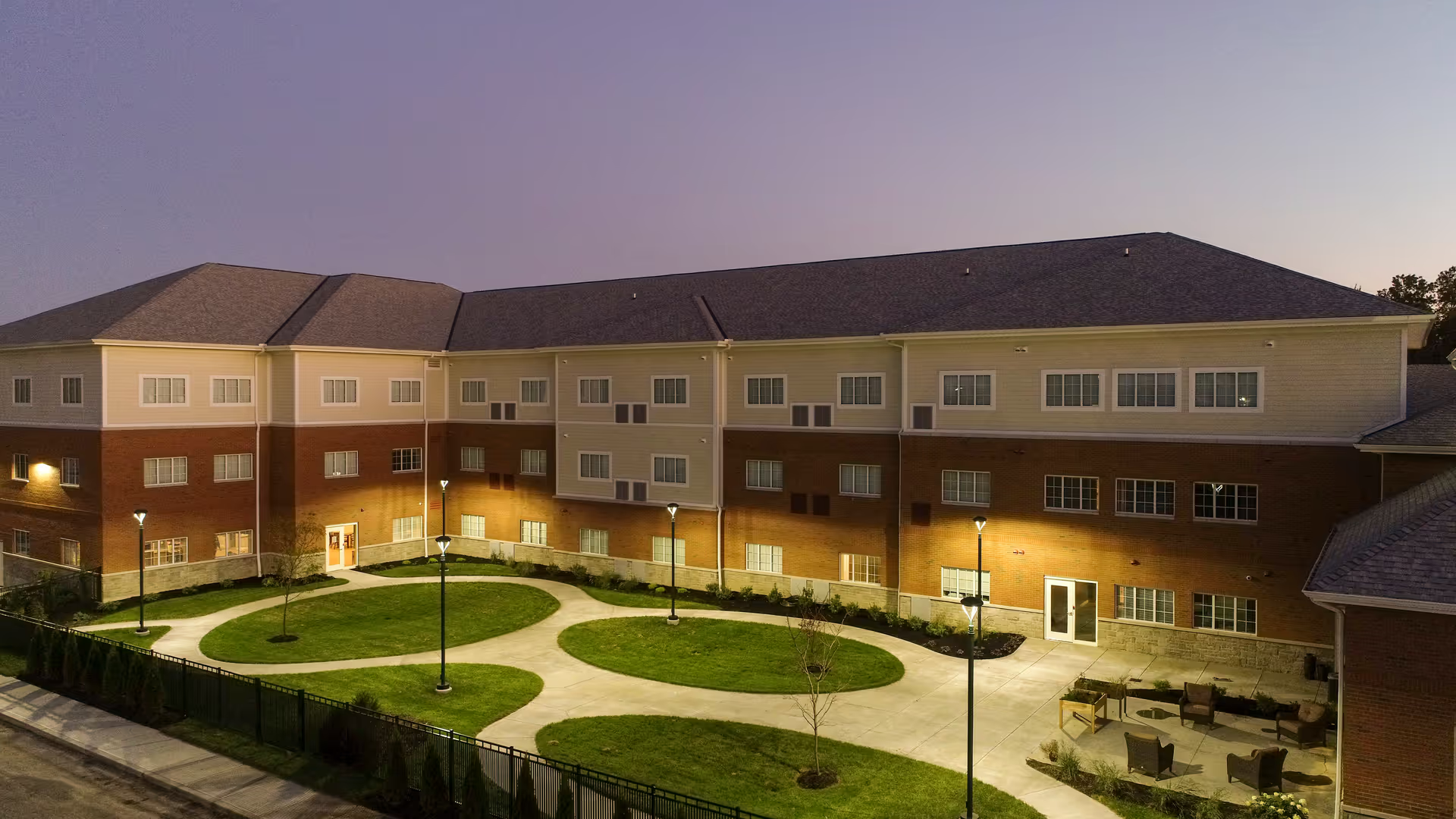
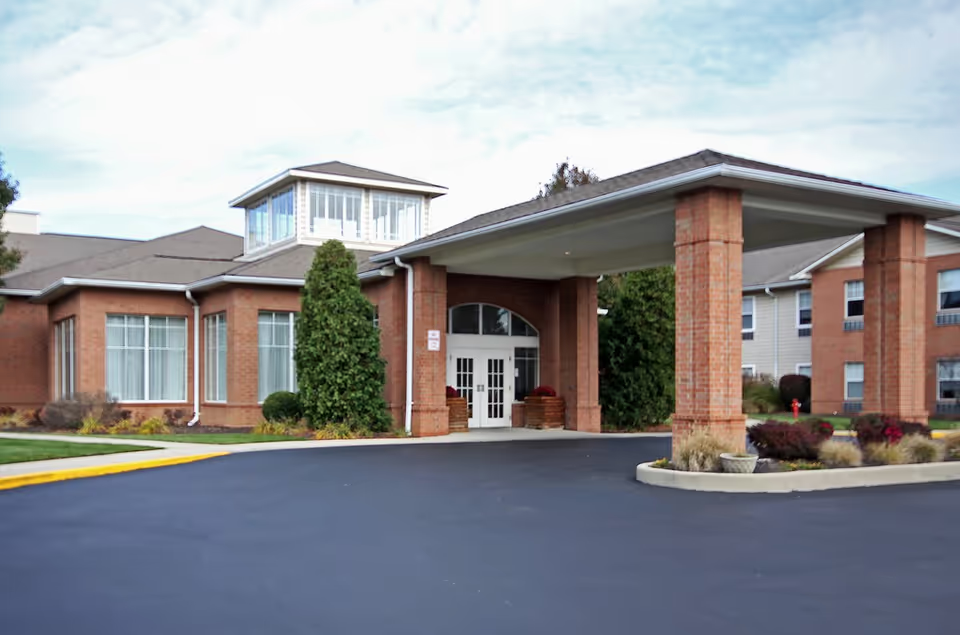
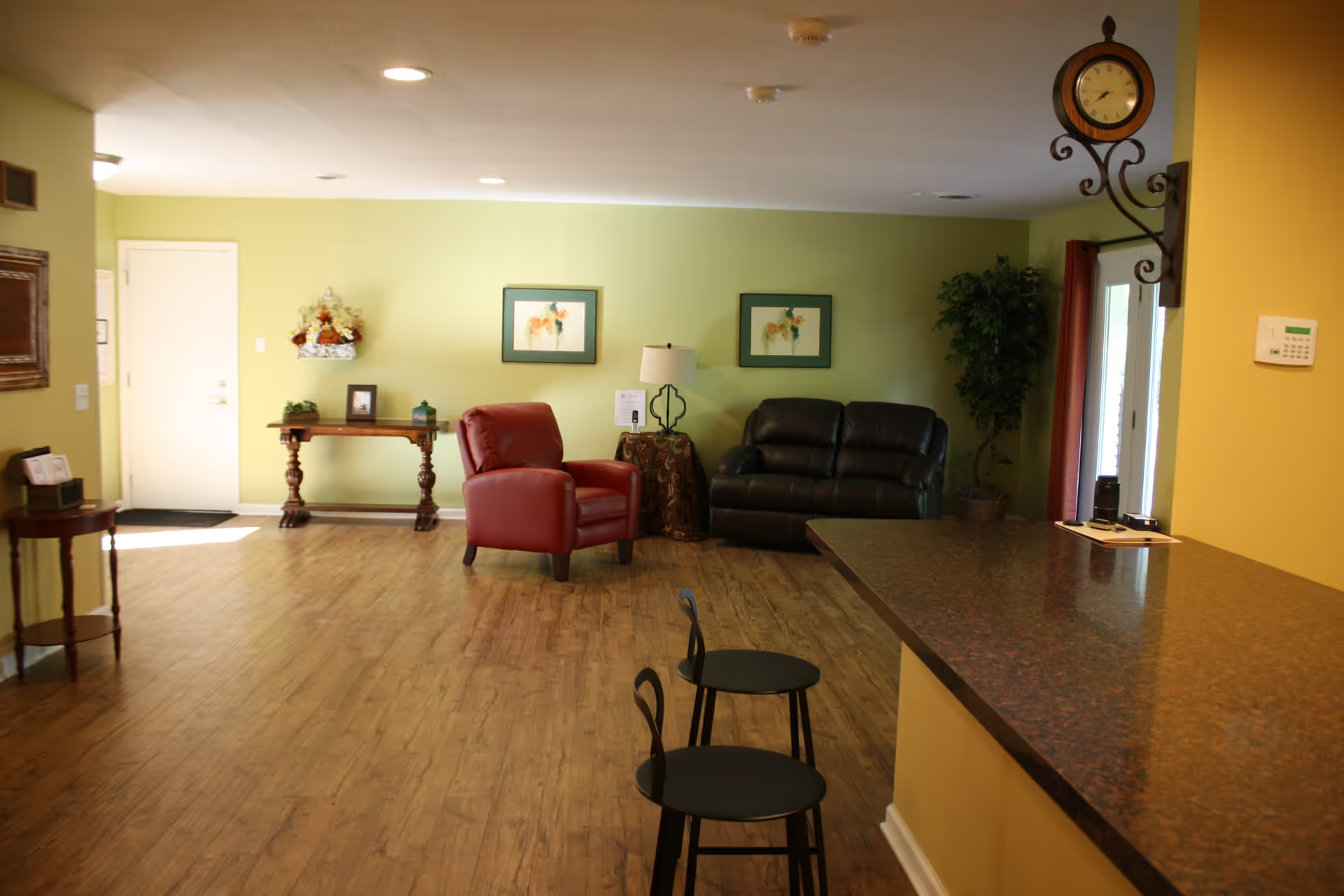
Maple Knoll Village is consistently described as a well-appointed, campus-style senior living community with a broad range of housing choices and on-site amenities. Strengths across the facility include extensive amenities included in the overall fee (utilities and basic connectivity), multiple care levels on a single campus, a robust wellness center (warm-water pool, sauna, whirlpool), varied fitness equipment, and an active schedule of classes, outings, and cultural programming. The grounds and landscaping are frequently praised; independent living options (apartments, cottages, townhomes, villas) are described as spacious, soundproof, and customizable, often with in-unit appliances and garage/workshop space.
Staffing and day-to-day caregiving evoke a mixed but notable pattern. Many families and residents highlight friendly, attentive caregivers and nursing staff who know residents by name and provide compassionate, rehabilitation-focused support during transitions. At the same time, there are recurring operational issues: chronic staffing shortages, high turnover, and uneven staffing levels contribute to variability in the resident experience—particularly in higher-acuity units. Reviewers indicate that assisted-living and independent-living care are generally well received, while skilled-nursing care quality appears inconsistent across specific units.
Dining and life-enrichment are clear selling points for many residents: on-site dining venues such as a Bistro and an all-day café, quality meals, and a long list of activities (water aerobics, chair yoga, Wine and Words, big band dances, outings and volunteer opportunities) support an active social environment. However, some reviews note variable kitchen leadership and inconsistent food quality in certain periods, and a few mention service-delivery issues such as disposable serving ware or interruptions in kitchen operations.
Management, admissions, and administrative processes emerge as another area of variability. Reviewers describe difficulty scheduling tours, long waitlists, and lengthy admission processes. Communication lapses, unreturned calls, or brusque phone handling were raised as concerns, as were perceptions that some operational decisions are profit-driven and have affected amenity levels. Cost is a common theme: the community carries a notable entrance fee and overall pricing that some prospective residents find burdensome.
Notable patterns: long-term residents frequently report high satisfaction, a strong sense of community, and improved quality of life through activities and friendships. Conversely, families with members requiring higher levels of care recommend careful inquiry into staffing patterns, dementia-capable services, response times for personal-care needs, and unit-specific clinical practices before committing. Prospective residents and families should weigh the community’s strong amenities, active social environment, and attractive campus against the documented operational challenges in staffing, admissions responsiveness, and consistency of skilled nursing services.