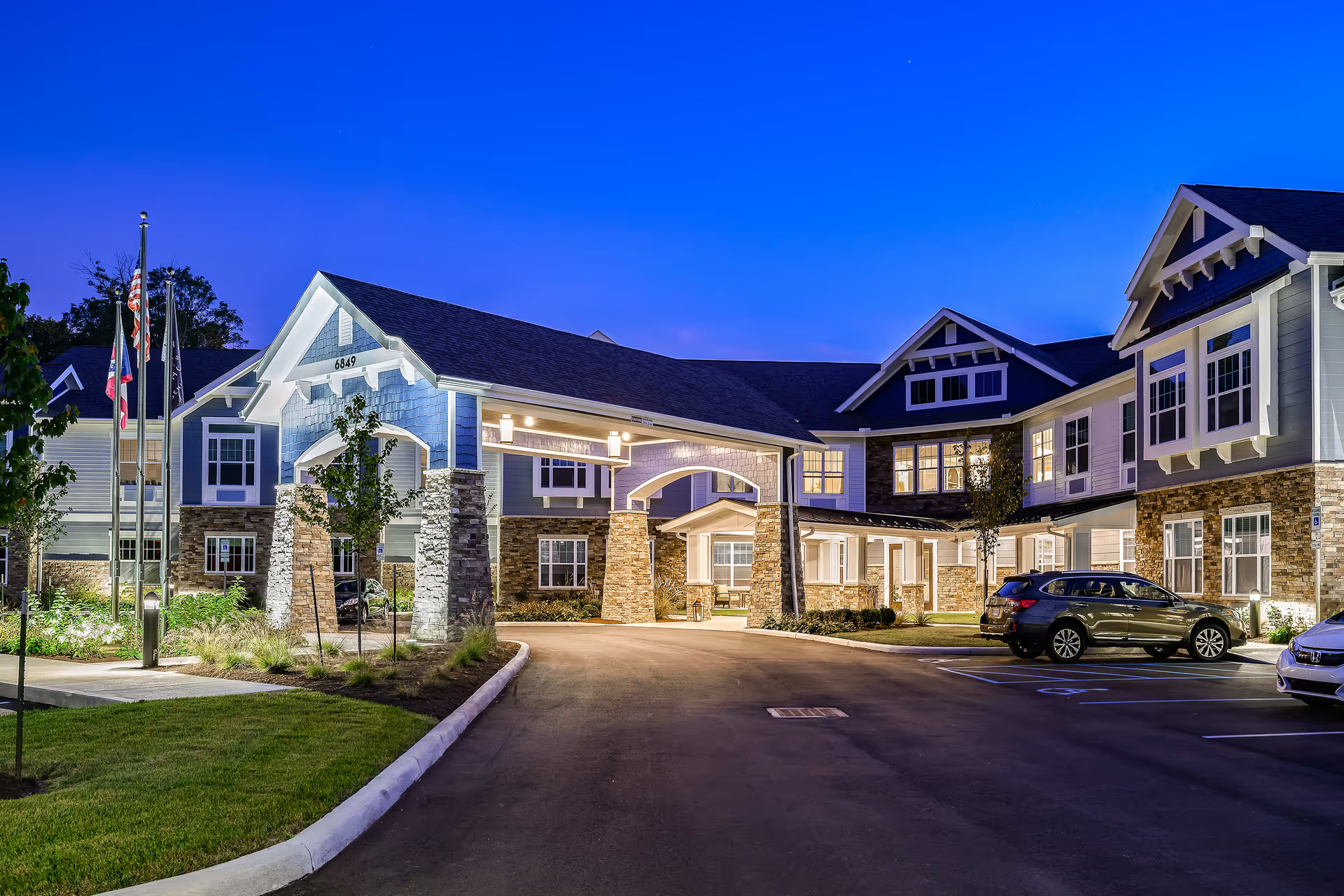
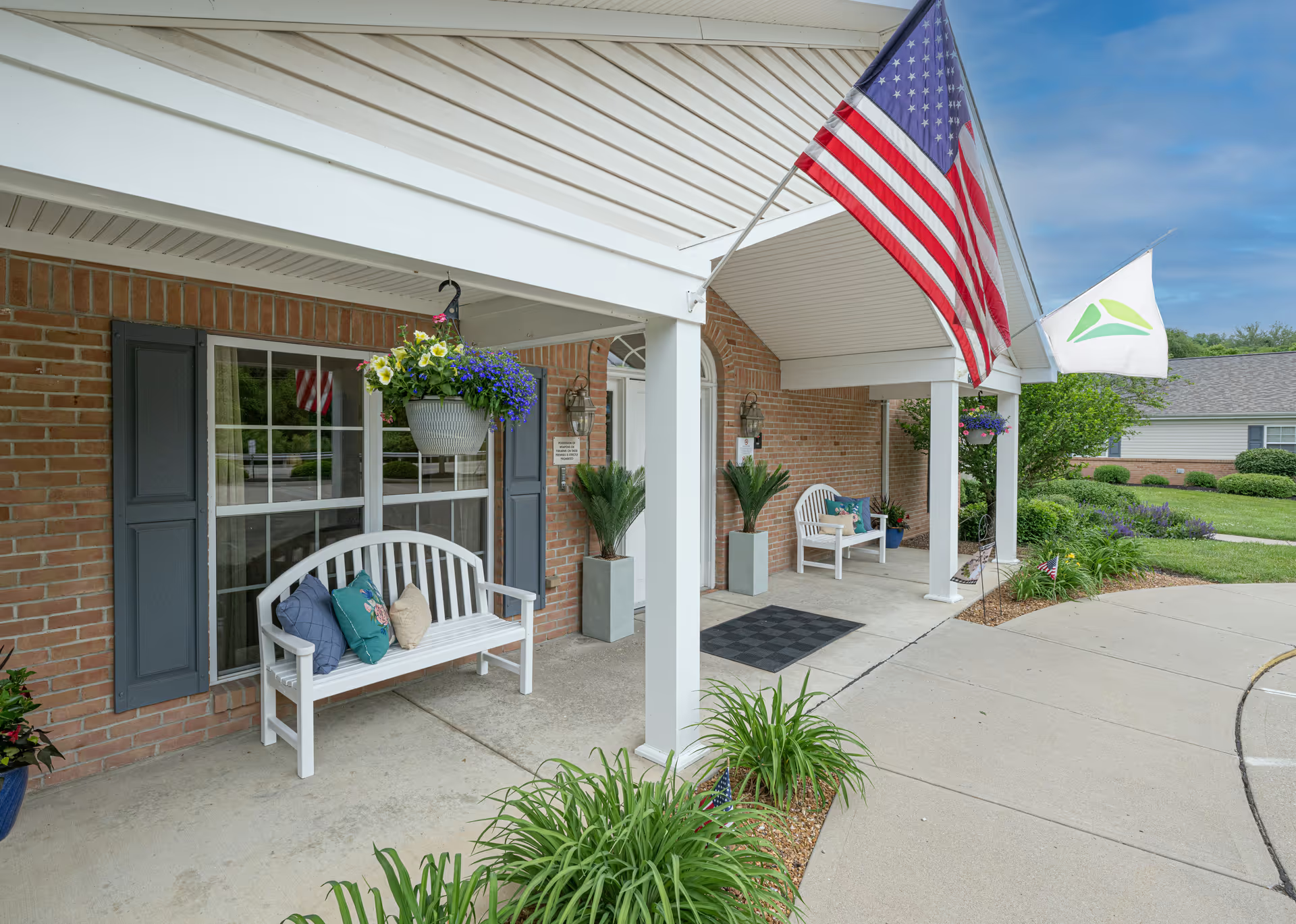
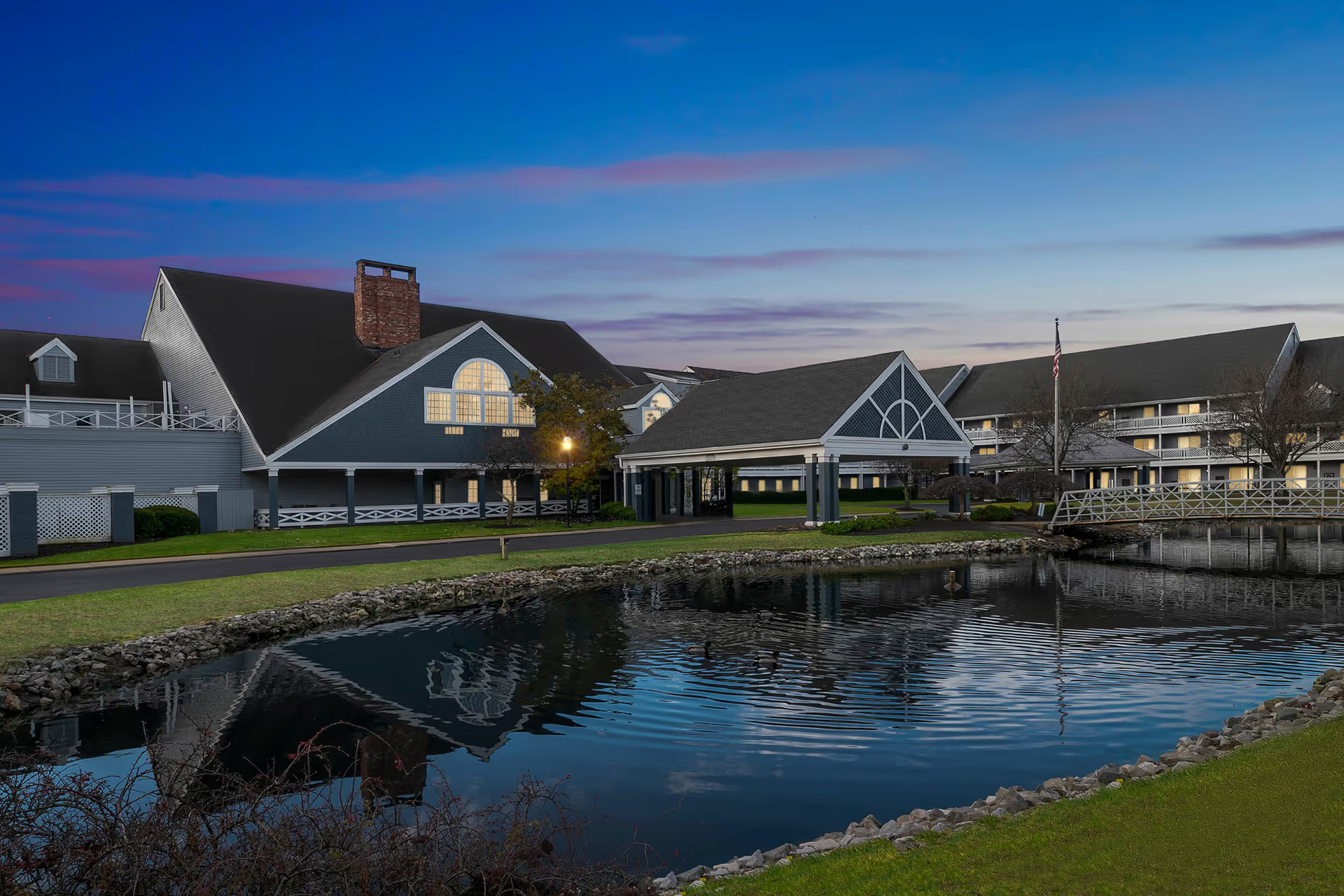
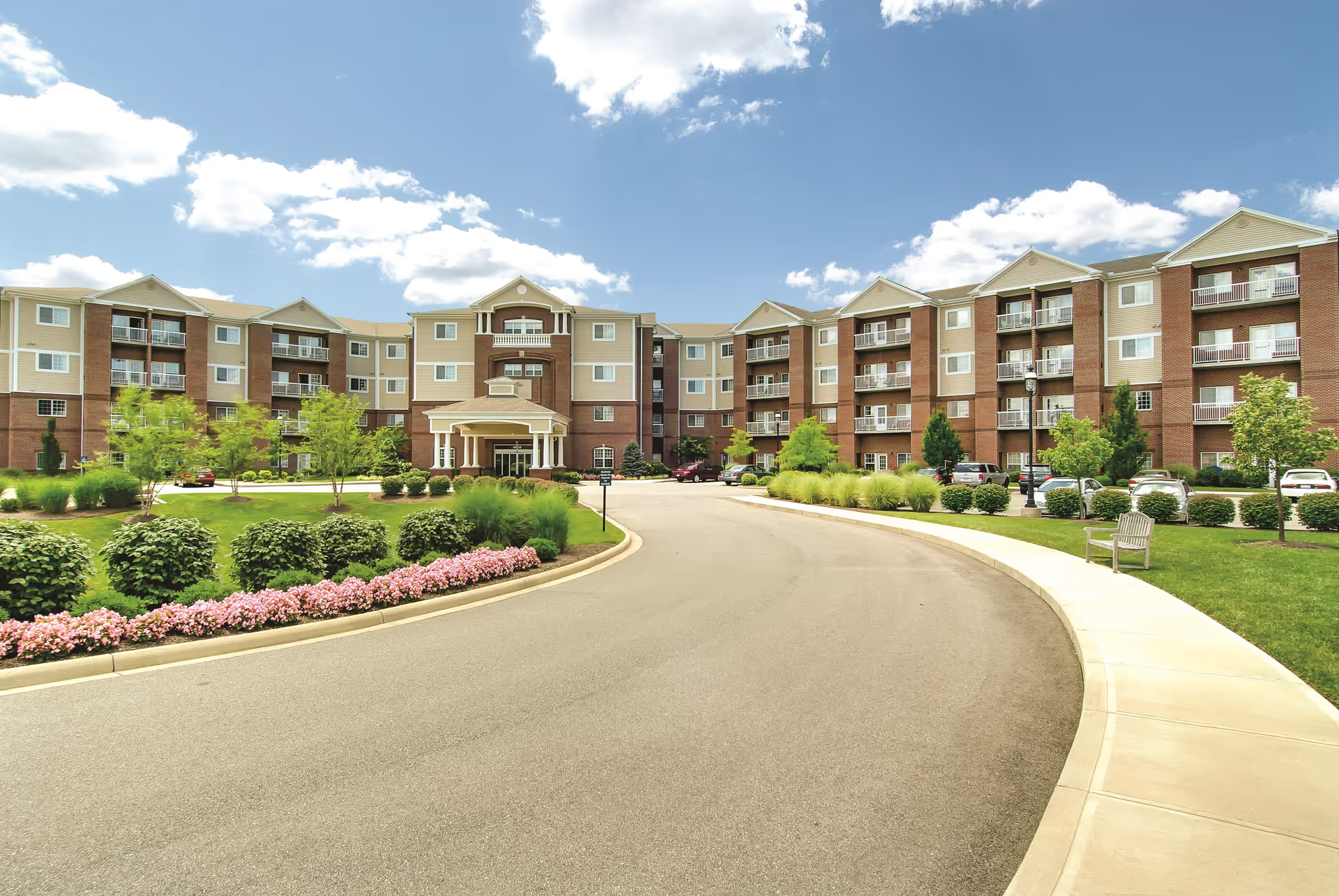
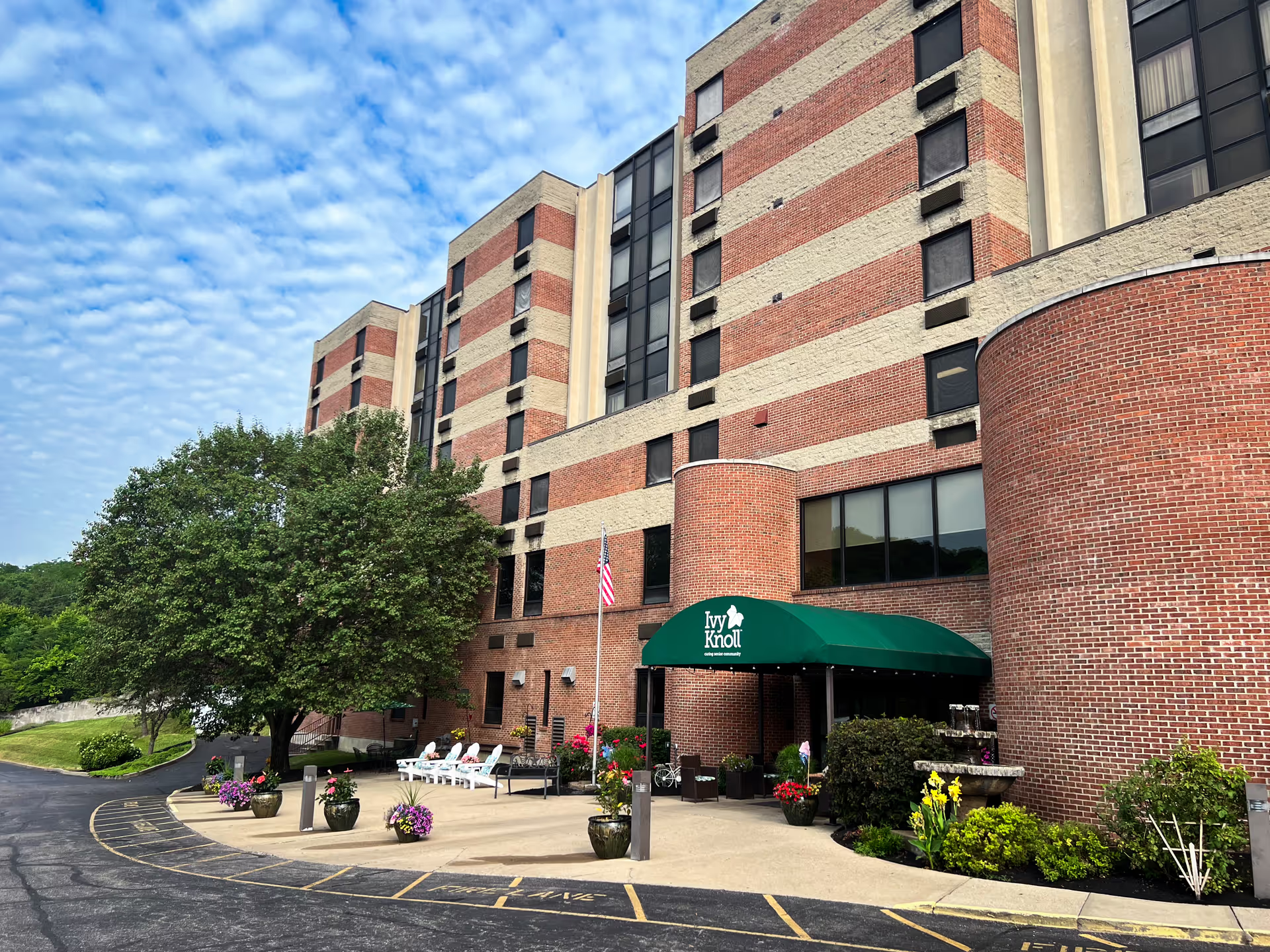
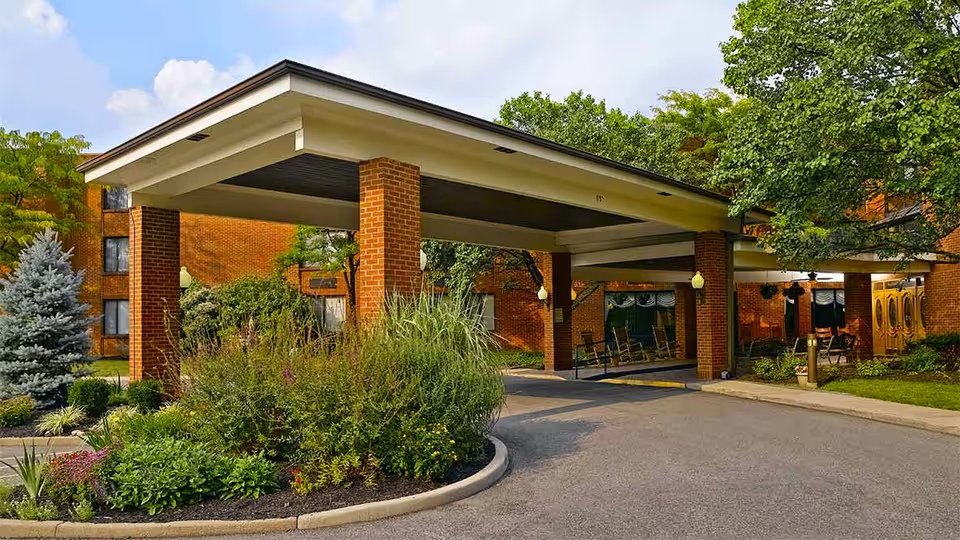
The Ashford of Mt. Washington elicits a strongly mixed set of impressions. Many families and long‑term residents describe attentive, personable caregiving: staff who learn residents’ names, remember preferences, and go beyond routine duties to arrange rides, assist with appointments, and support social needs. The community offers an active programming slate — day trips, grocery runs, manicures, movie nights, chair volleyball, and other activities — and several reviewers highlighted an engaged activities director and a family‑style social atmosphere. The physical campus is frequently described as renovated, light, and modern, with spacious studios and one‑bedroom apartments that include full kitchens and walk‑in showers, plus on‑site rehabilitation, therapy, transportation, library resources, and grooming services.
Care quality and staffing present a notable contrast. While many reviewers praise individual caregivers and long‑tenured employees who provide consistent, compassionate support, others describe variable caregiver responsiveness and shortcomings in assistance with daily living tasks. There are recurring concerns about the facility’s ability to support higher acuity or immobile residents: wound‑care and infection concerns, difficulties transferring or mobilizing residents, and instances where care needs were not met quickly. Several reviews emphasize delays in incident response and emergency triage after falls or acute events, and some families felt clinical follow‑up and communication around those events were inadequate.
Dining and housekeeping are similarly mixed. The Ashford offers daily meals with alternative menu choices and some reviewers found meals appealing and plentiful; others experienced inconsistency in meal quality, difficulties getting assistance with eating, or dietary restrictions not consistently honored. Housekeeping is generally described as satisfactory in many units, but there are periodic sanitation concerns, inconsistent deep‑cleaning, and complaints about laundry service reliability. These operational inconsistencies appear linked in part to staffing levels and the use of temporary or agency personnel.
Management and administration receive both praise and criticism. Several reviewers singled out specific directors and administrative staff as helpful, hands‑on, and responsive, and noted good communication and advocacy from marketing or social‑work personnel. Conversely, other families reported poor phone responsiveness, unreturned calls, billing disputes, and allegations of missing belongings or improper charges; those concerns contributed to perceptions of uneven accountability. High staff turnover, use of temporary nursing staff, and reported training or supervision gaps were commonly associated with operational weaknesses cited by dissatisfied families.
Notable patterns for prospective residents and families: the community demonstrates genuine strengths in social programming, campus amenities, affordability, and relationships with long‑standing staff members. At the same time, there are repeated, facility‑level concerns about staffing consistency, clinical capacity for higher‑acuity residents, incident‑response timeliness, housekeeping and laundry reliability, and administrative communication and billing controls. Prospective families may benefit from asking targeted questions about weekend and after‑hours staffing, clinical support for immobile or complex residents, incident‑response protocols and family notification practices, laundry/housekeeping schedules, and safeguards for resident belongings and billing transparency before making a placement decision.