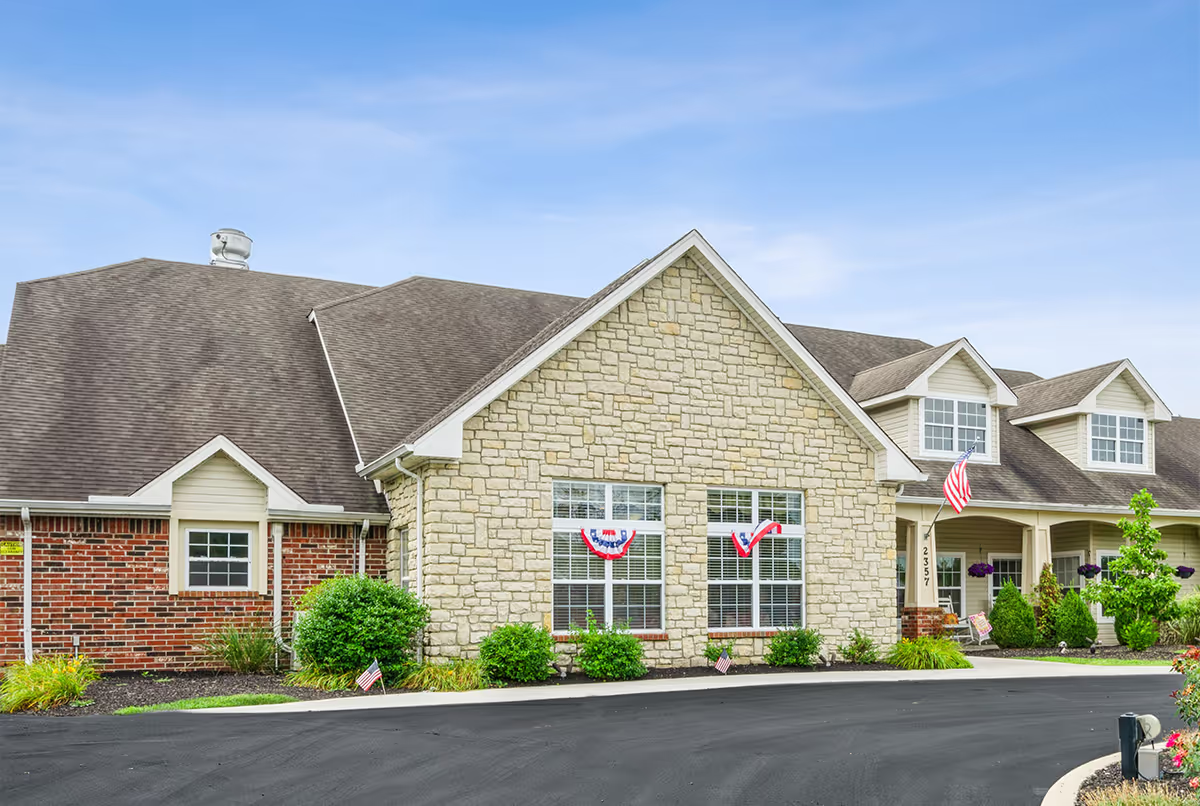
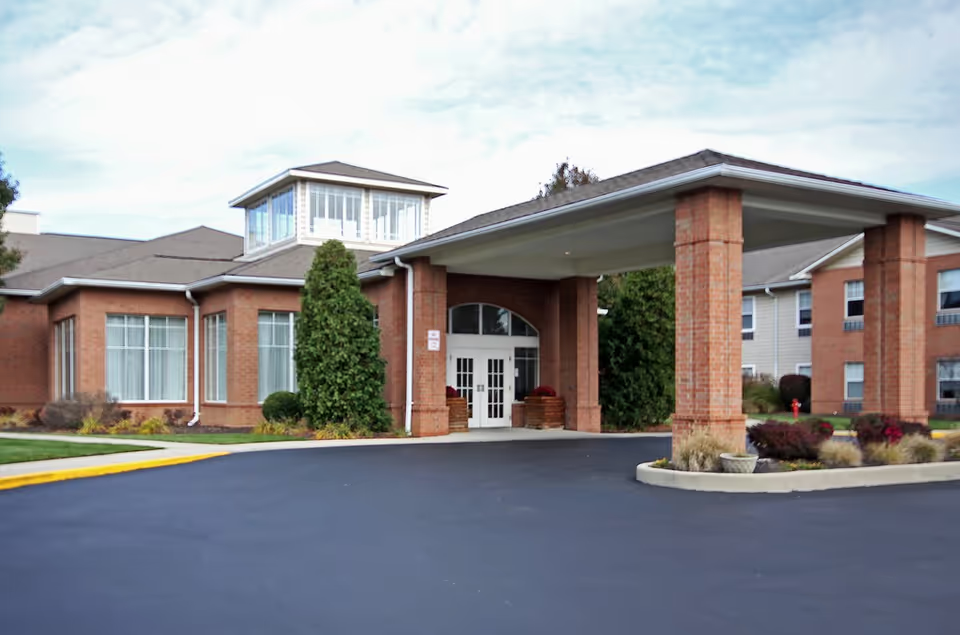
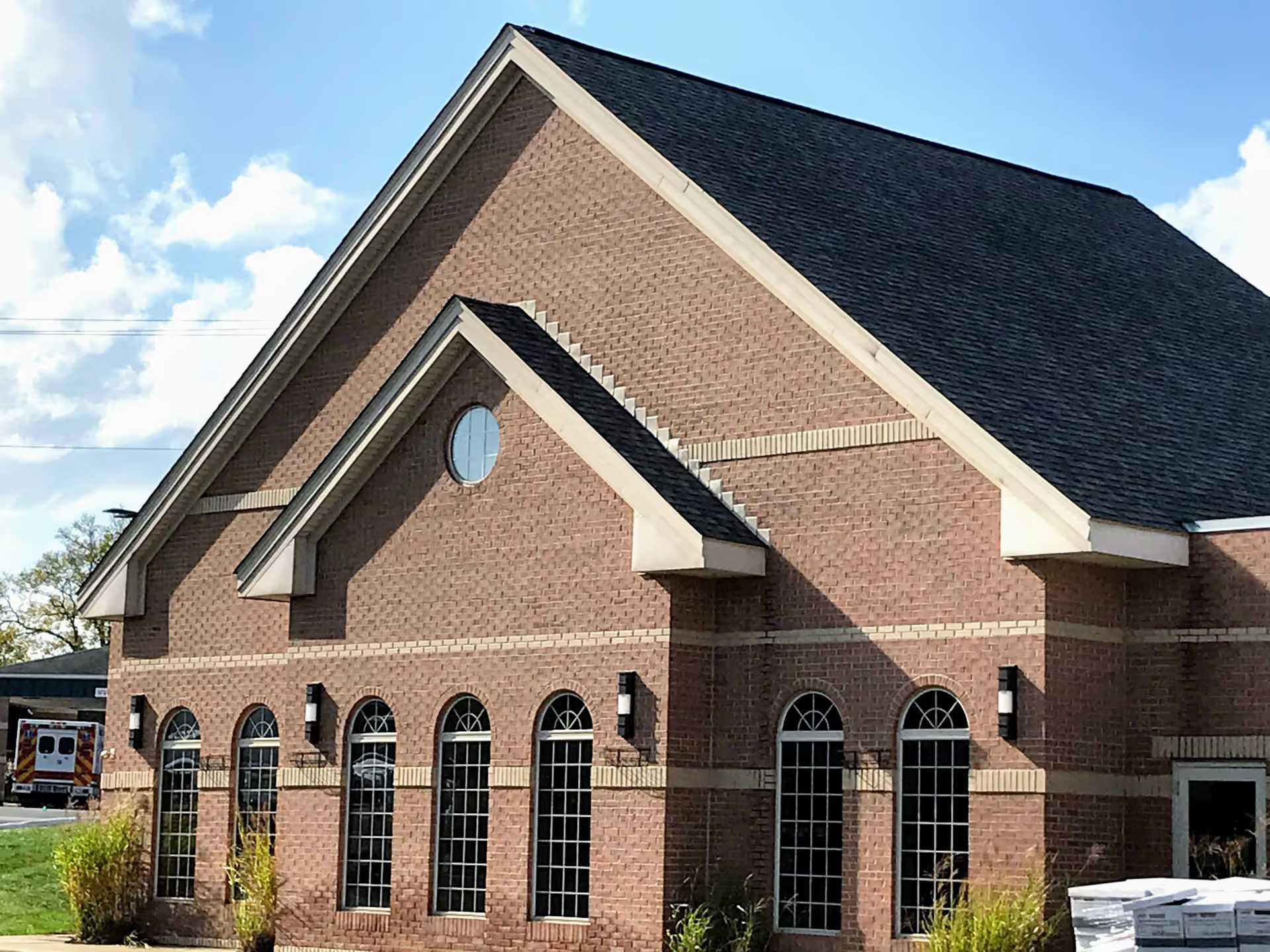
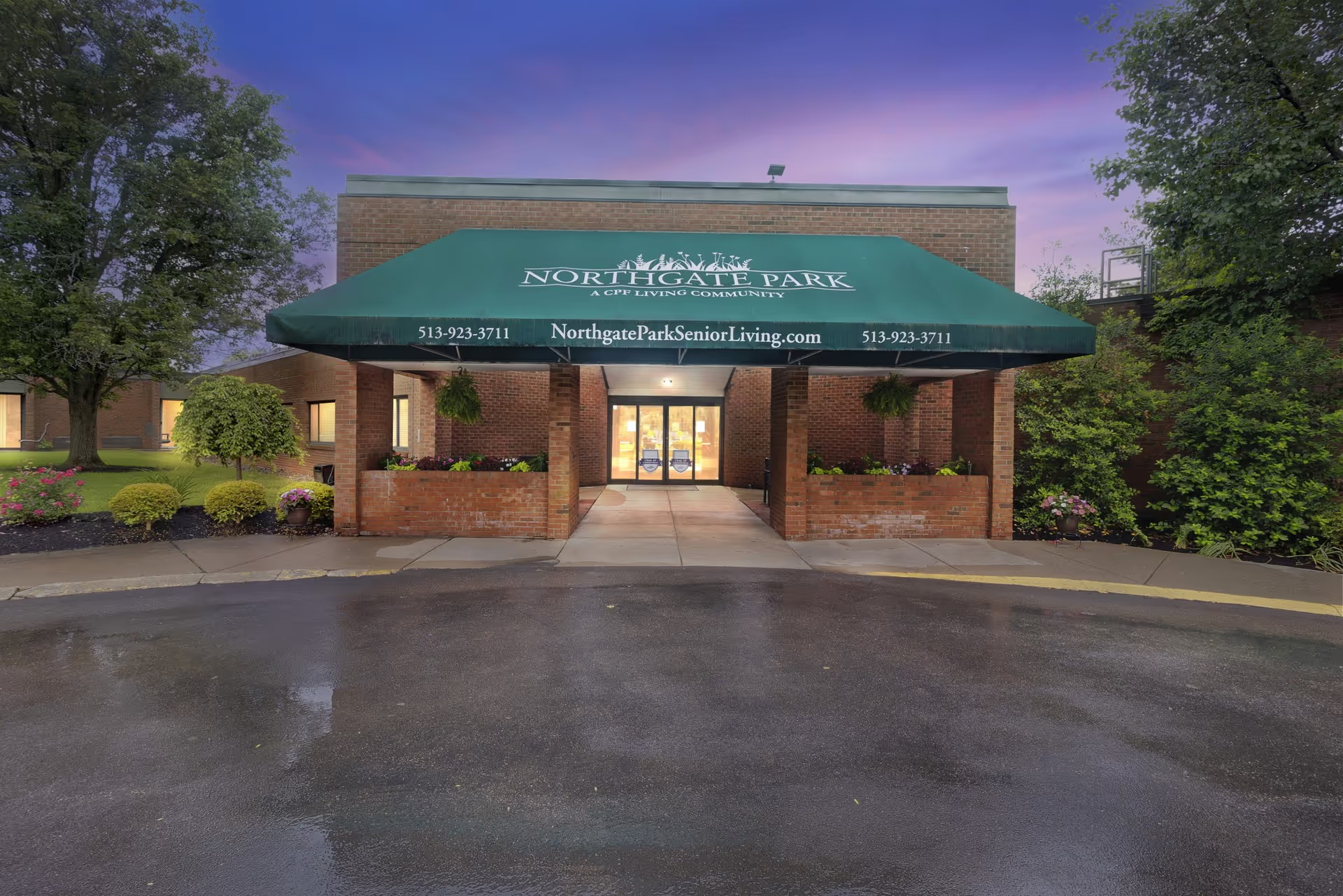
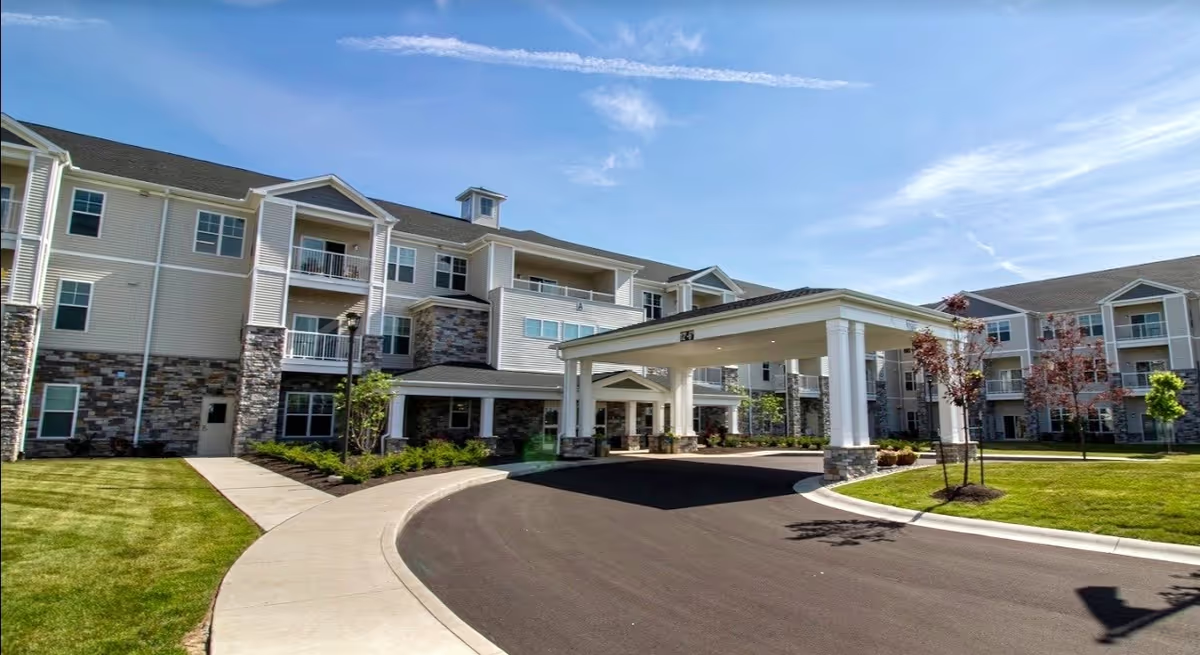
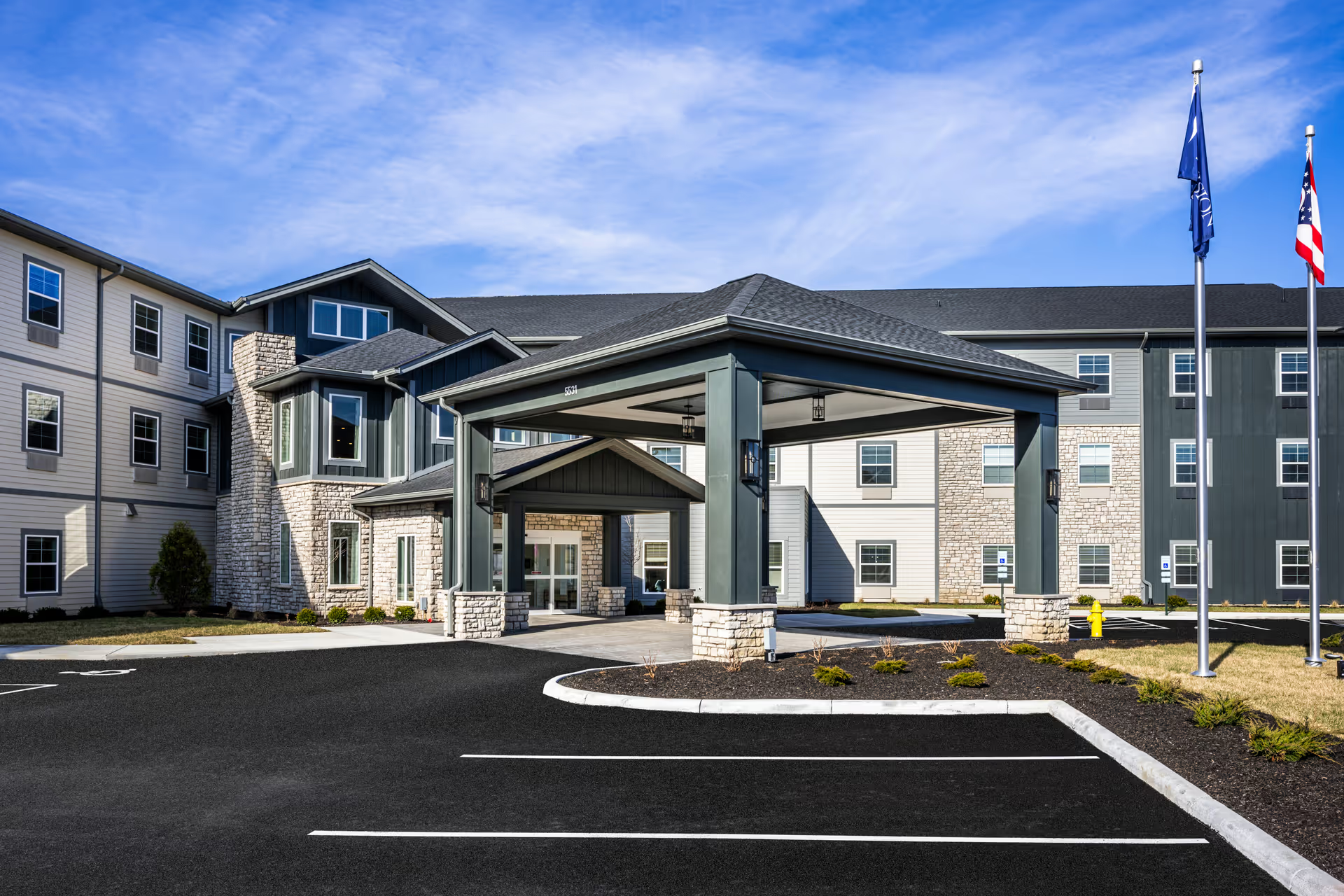
The reviews paint a mixed picture of Veranda Gardens. Many families and visitors highlight a number of real strengths: an attractive, well-kept building with on-site amenities; a therapy program that yields measurable improvement for some residents; and numerous accounts of warm, compassionate caregiving from nurses, aides, and admissions staff. Recreational offerings such as music, games, dancing and outdoor spaces are cited as meaningful engagement for residents, and several reviewers praised strong, respectful end-of-life practices and attentive family communication in specific cases.
Counterbalancing those positives are recurring operational concerns. Reviewers describe a period of leadership turnover and changes in clinical leadership that correlate with greater variability in care. Staffing consistency is a central issue: reports indicate insufficient coverage at times—particularly overnight—and variability in aide availability that affects response times and personal-care routines. Several accounts raise concerns about medication oversight, including use of psychotropic agents and the need for clearer documentation and family notification when significant medication changes occur.
Communication and coordination problems are another common theme. Families reported difficulty getting calls returned, missed scheduling or transportation for appointments, and gaps in discharge planning and aftercare coordination. There are specific, serious allegations around discharge practices and billing interactions; these have been raised to regulators by some families. Additionally, reviewers noted lapses in sanitation and odor control on particular units, inconsistencies in personal-care delivery (bathing, grooming, incontinence-care timing), and instances of belongings being misplaced or searched, suggesting weaknesses in property-security and inventory procedures.
The aggregate impression is one of polarization: many residents and families experienced high-quality, compassionate care in an attractive environment, while others encountered significant operational failures that materially affected care and safety. These divergent experiences appear linked to staffing levels, unit assignment, and recent managerial changes. Prospective families should weigh the facility’s strong amenities and therapy offerings against the variability in day-to-day operations and seek current, specific information about staffing patterns, medication-management protocols, sanitation practices, discharge policies, and the facility’s responsiveness to family concerns. Observing the unit during different shifts, requesting written care-plan and medication communication procedures, and asking about any recent regulatory actions can help clarify how the facility is performing at the time of placement.