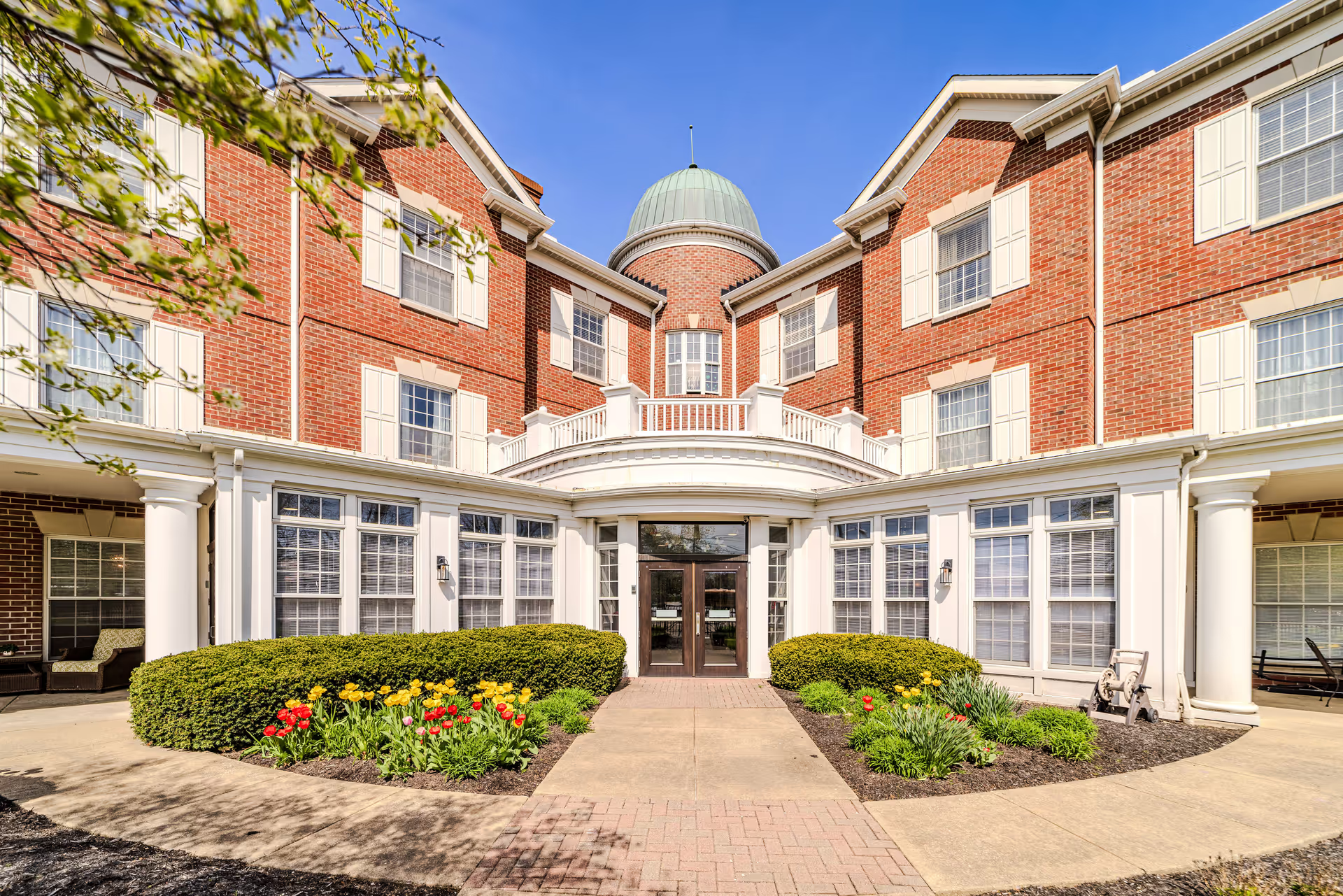
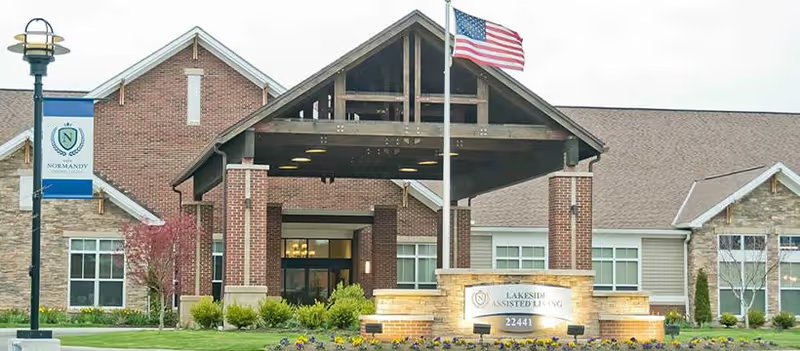
Overall impressions of Franklin Plaza are highly mixed, with distinct clusters of consistently positive experiences alongside repeated operational concerns. Positive feedback centers on clinical rehabilitation, select nursing staff, and certain units where families describe a warm, family-like atmosphere and attentive care. Admissions and social-work personnel are specifically praised for compassion and helpfulness, and therapy teams frequently receive accolades for improving mobility and supporting discharge home. Several named staff members and shifts are repeatedly described as professional and attentive, contributing to good outcomes for some residents.
Care quality presents a bifurcated picture. The facility’s rehabilitative services and some nursing teams are viewed as strengths, delivering measurable functional improvement for many patients. At the same time, reviewers describe patterns that indicate uneven execution of basic nursing tasks: delayed or missed medications and treatments, inconsistent wound and pressure-injury monitoring, problems with transfers and mobility assistance, and difficulty maintaining scheduled therapy in some cases. Family concerns about care transitions and discharge planning are recurrent, including instances where rehabilitation goals changed without clear communication and where hospice or discharge decisions generated conflict.
Staff-related themes show both clear strengths and operational weaknesses. Many families report compassionate, hardworking aides, nurses, and therapists who go beyond expectations. Conversely, frequent comments point to severe understaffing, variable training, inconsistent responsiveness to call buttons, and concerns about staff conduct and communication tone. Front-desk and reception processes also show variability in professionalism and timeliness. These differences often appear to be shift- and unit-specific: positive experiences are commonly associated with specific named employees or particular floors, while negative experiences cluster around other shifts or units.
Dining, housekeeping, and environmental maintenance are notable areas of concern. Reviews describe inconsistent meal quality, interruptions to meal service, and insufficient assistance during mealtimes for residents who require help. Cleanliness and sanitation problems are raised repeatedly, including odor concerns in common areas and rooms, problems with serving ware and tray cleaning, and lapses in laundry controls and personal belongings management. Facility infrastructure issues—such as broken elevators, cramped shared rooms, and an aged physical plant—contribute to negative perceptions of the environment and resident comfort.
Management and safety patterns warrant attention. Multiple reviews describe poor communication with families after incidents or mental-status changes, slow or absent callbacks, and an adversarial tone from some administrators. Security and parking-lot safety concerns are noted, along with inconsistent sign-in and visitation procedures. There are also serious allegations by reviewers regarding theft and improper financial handling; these are significant and may merit external investigation or clarification by regulatory bodies. A handful of reviewers referenced legal action or regulatory review, underscoring the need for transparent documentation and follow-up in these areas.
In summary, Franklin Plaza demonstrates tangible strengths—particularly in rehab services and among certain caregiving staff—but those strengths coexist with recurring operational problems that affect resident safety and satisfaction. Prospective residents and families should evaluate specific units and shifts, ask detailed questions about staffing ratios and training, review cleaning and infection-control procedures, and seek clarification on medication management and discharge processes. Visiting multiple times, meeting therapy staff, and confirming written care plans and communication protocols will help families identify whether the facility’s strong elements align with their needs and whether management is addressing the areas of concern documented by reviewers.