The reviews for Mayfair Village Nursing Care Center present a mixed but distinct pattern: many families praise the facility's rehabilitation services, food, and individual staff members, while others report operational shortcomings that materially affect day-to-day care. Strengths commonly cited include a robust therapy program that many families say supported post-acute recovery, an activities program with regular social programming (Bingo, live music, happy hours), and generally favorable dining experiences described as homemade and generous. Admissions and front-office staff, along with several named nurses and aides, receive repeated commendation for responsiveness and compassionate bedside care. Housekeeping and maintenance are frequently described as attentive in portions of the building, and the facility offers helpful services such as on-site transportation and dialysis coordination.
At the same time, a substantial set of operational concerns recurs across reviews. Staffing consistency and coverage are uneven, with reports that low staffing levels contribute to long waits for assistance with personal care and call-light responses. Families describe variability in nursing oversight, medication timing, and documentation practices. Therapy quality is often praised, but continuity—particularly on weekends or after management changes—has been inconsistent. Cleanliness and sanitation are described as uneven across units: some visitors find well-kept common areas and regularly cleaned rooms, while others raise concerns about sanitation and food-hygiene practices in certain areas.
Communication and management responsiveness form another important pattern. Several accounts indicate scheduling errors, delayed notifications to families about clinical events, and difficulty receiving timely responses from nursing leadership. These gaps are frequently linked in reviews to training or turnover challenges among staff, and to inconsistent adherence to clinical processes such as wound care, lab ordering, and medication administration. A subset of reviews allege serious clinical-process failures; these are described as isolated but significant and underscore the importance of reviewing clinical protocols with facility leadership before admission.
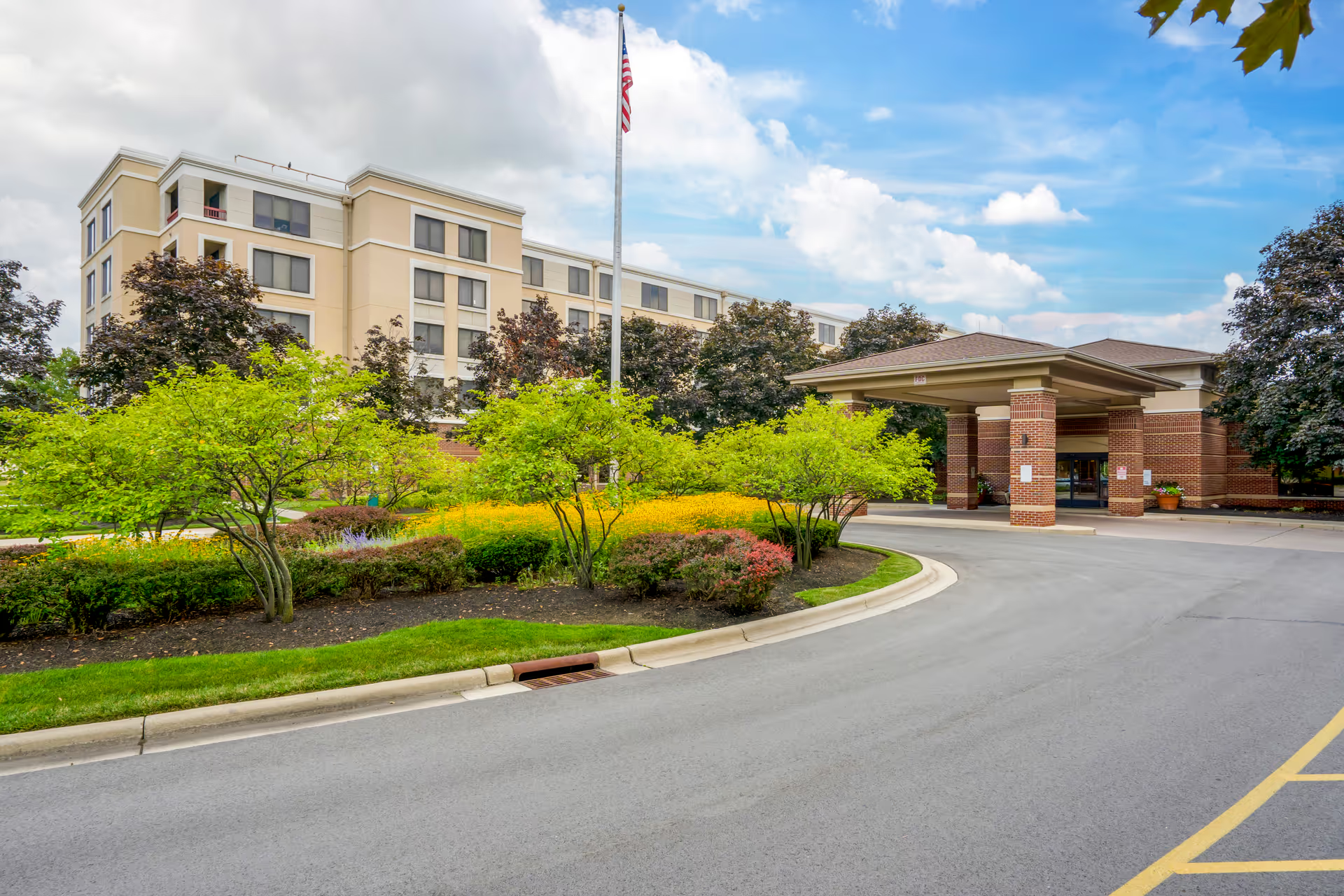
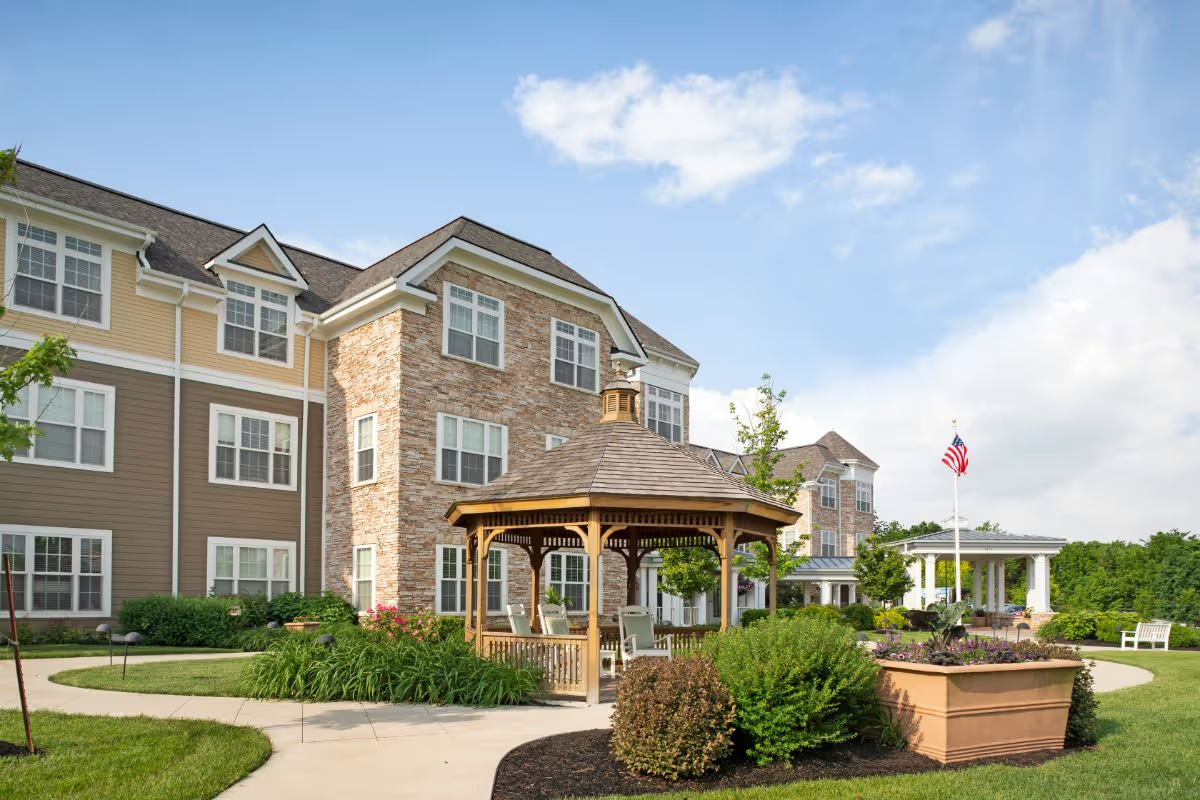
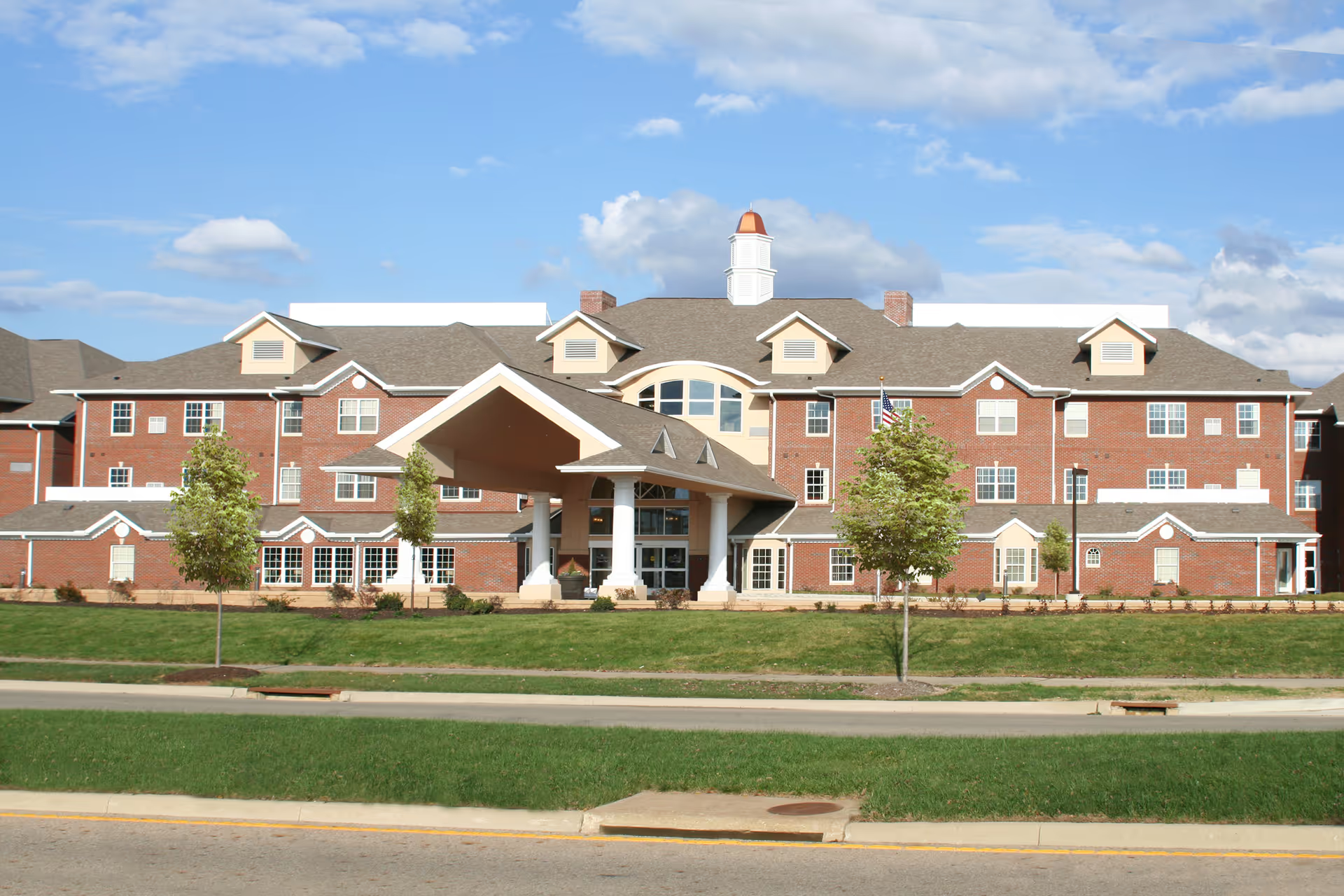
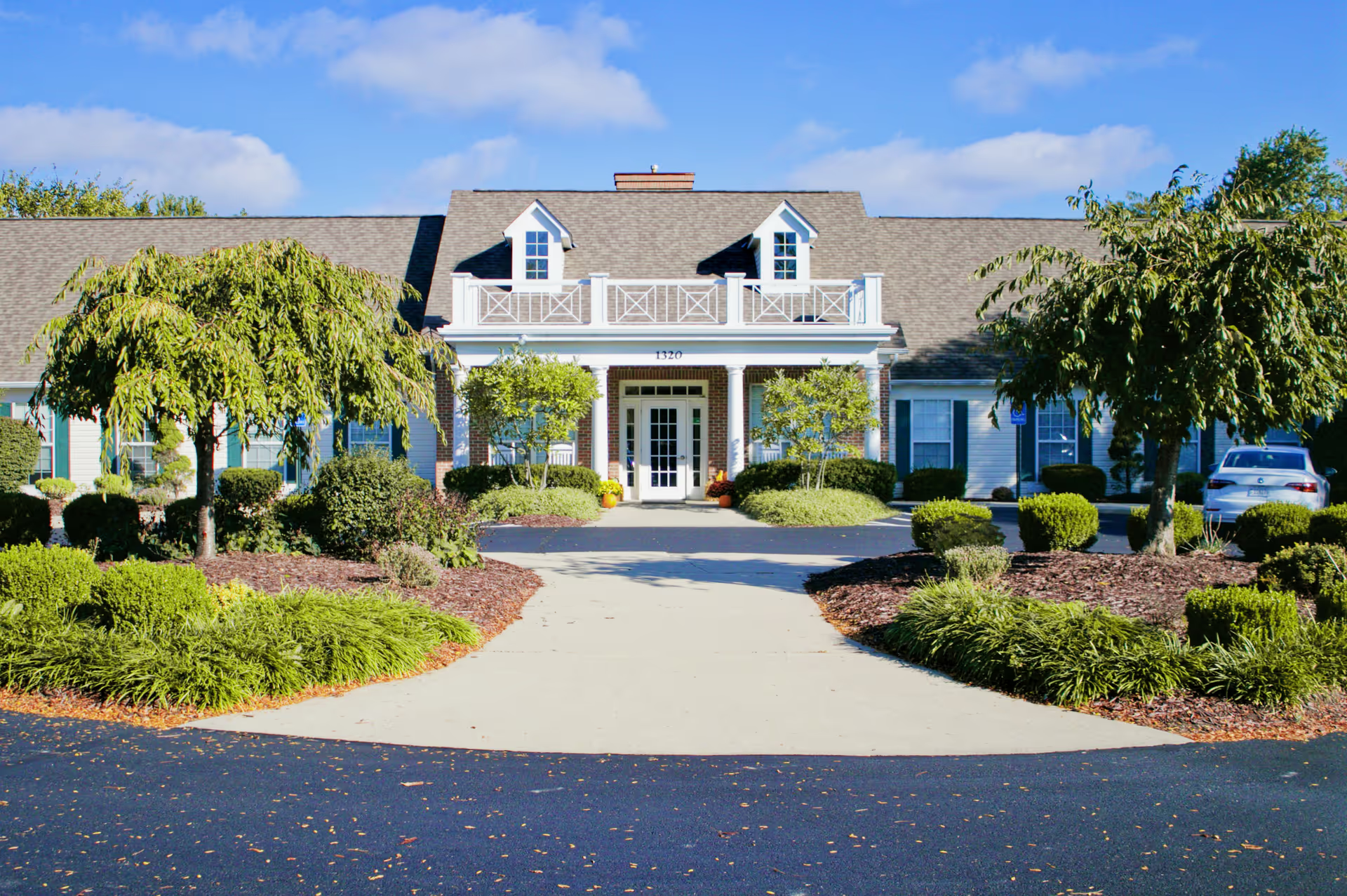
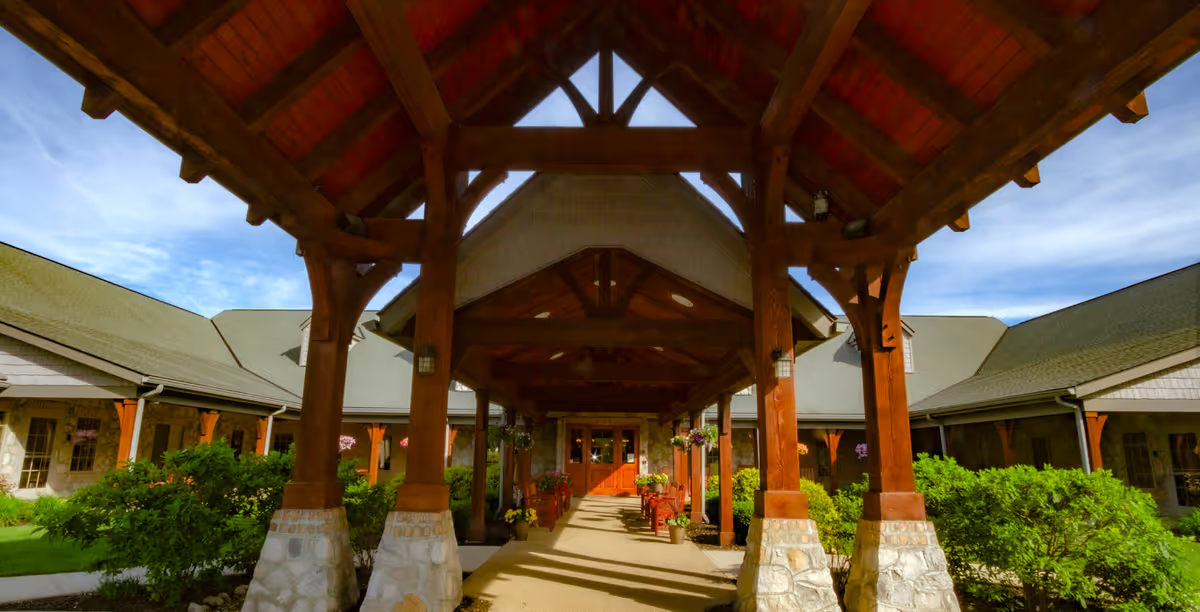
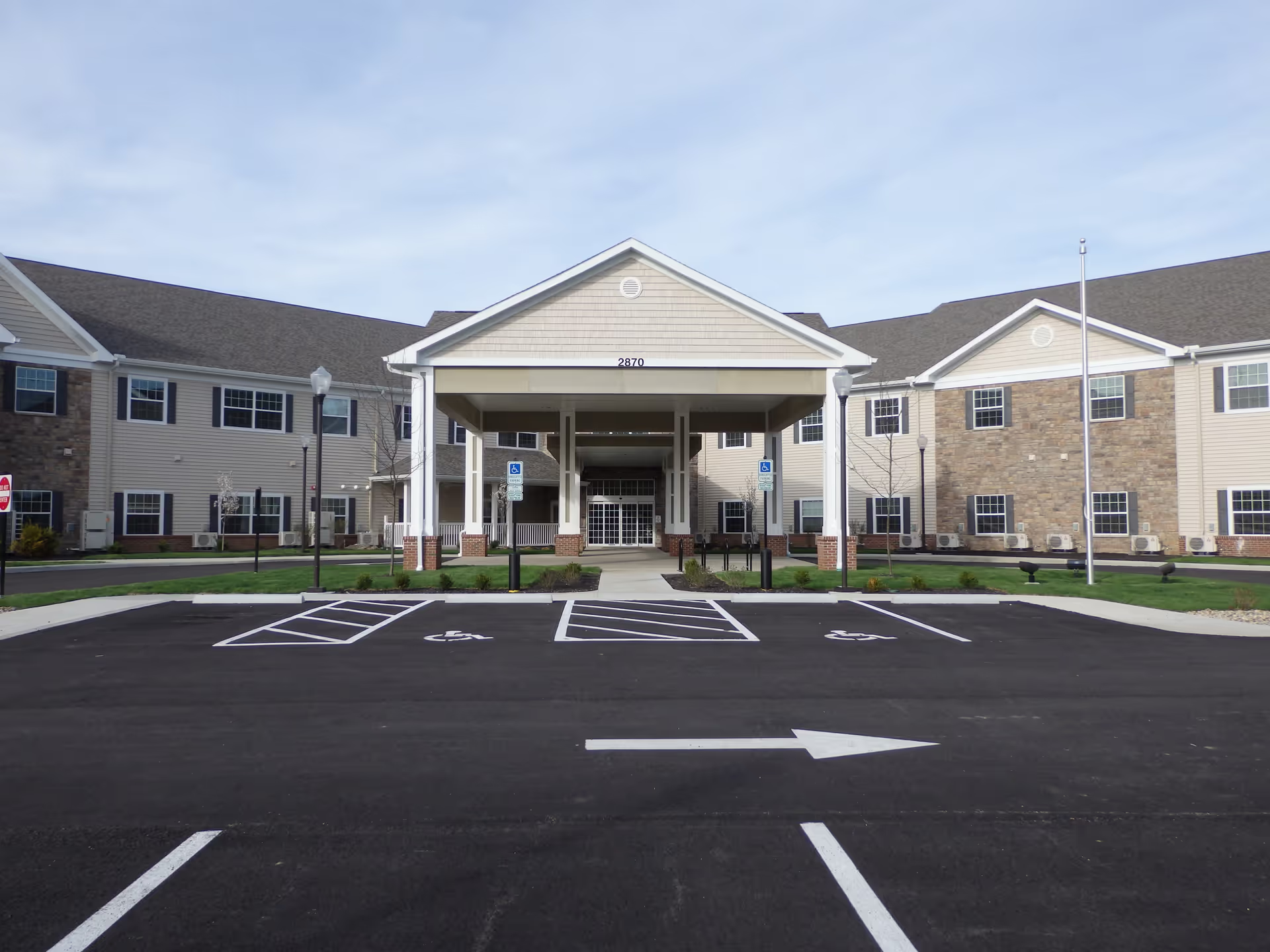
Facility and environment observations are mixed. Many visitors describe the community as warm, welcoming, and well-maintained, with long-tenured staff creating continuity in certain units. Conversely, some note an older physical plant with small rooms and occasional crowding or noise, factors that may affect privacy and comfort for long-term residents. Activity programming is seen as a strength for socially engaged residents but may be under-stimulating for those who need more individualized engagement.
Taken together, the pattern suggests that Mayfair Village offers substantial strengths—particularly in rehabilitation, engagement, and individual staff compassion—but also exhibits variability in operational consistency. Prospective residents and families would benefit from focused conversations with management about staffing levels and schedules, medication and wound-care protocols, call-response times, weekend therapy coverage, and specific sanitation practices. Asking for written care agreements and clarifying incident-notification procedures can help set expectations and identify whether the facility’s strengths align with an individual resident’s needs.