Experiences at New Albany - Optalis vary considerably. Many patients and families describe compassionate care, respectful interactions, and effective rehabilitation, including gains in walking, strength, and independence after surgery or illness. Other accounts raise concerns about delayed assistance, uneven clinical follow-through, and inconsistent personal care. One family raised concerns about delayed symptom escalation and weekend physician access in the period preceding a resident’s death. These accounts point to variability in care and communication that families may wish to explore directly.
Staff experiences are similarly mixed. Positive accounts praise attentive nurses, aides, therapists, and administrators, and describe staff who help residents feel welcomed and supported. Other accounts describe delays in answering call lights, variable courtesy, and difficulty reaching staff or receiving follow-up. Therapy is a clear strength in many accounts, with patients valuing knowledgeable PT and OT teams and reporting meaningful progress. However, other families describe uneven therapy frequency, limited weekend sessions, or concerns that rehabilitation did not meet expectations.
Dining feedback ranges from very positive to mixed. Some residents enjoyed the food and appreciated staff efforts to accommodate preferences; others found meals only fair or raised concerns about therapeutic diets and meal choices. Activities include live music, worship and Bible study, and other programming, though reports also describe limited evening engagement and, in one assisted-living account, less dining-room and social programming than expected.
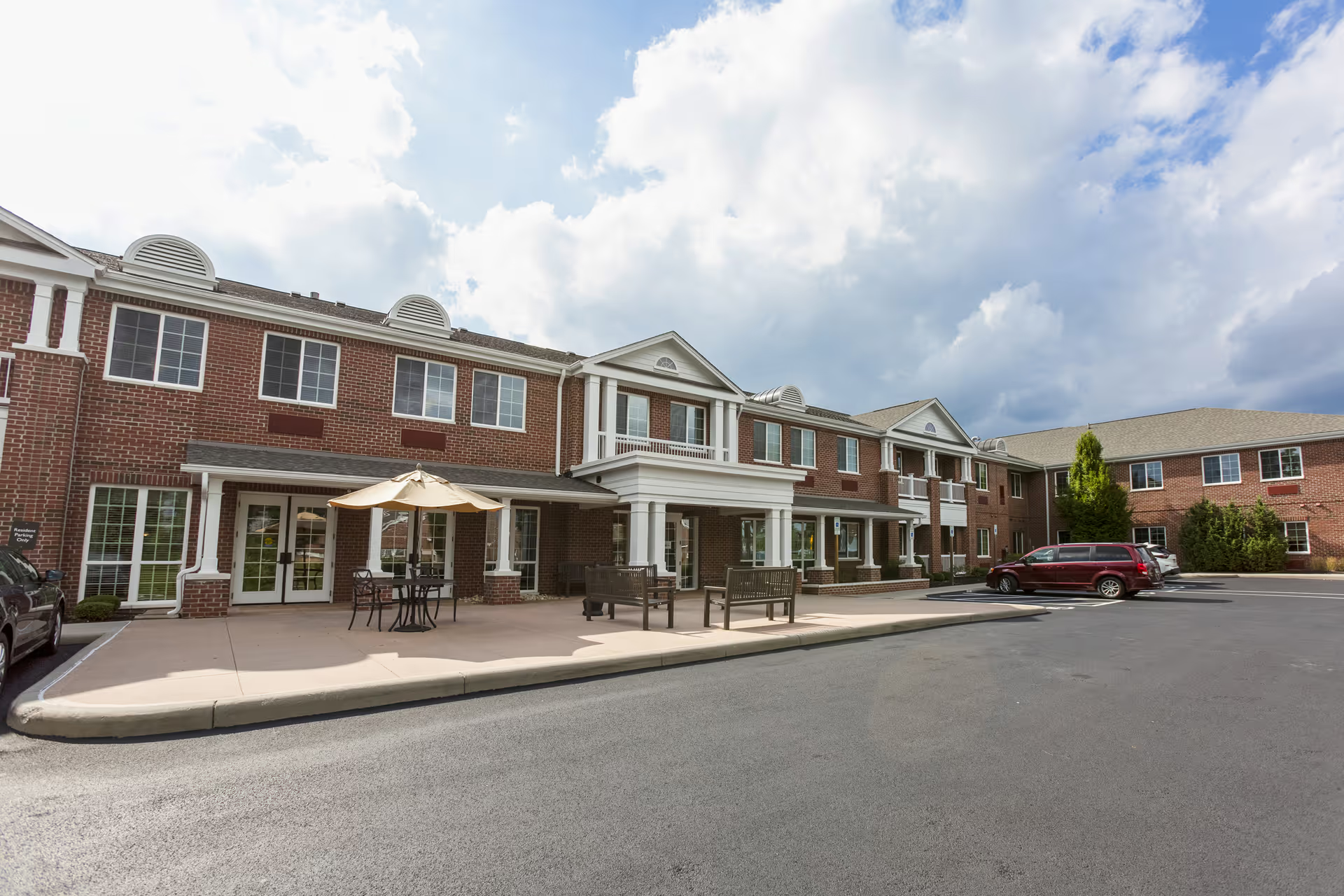
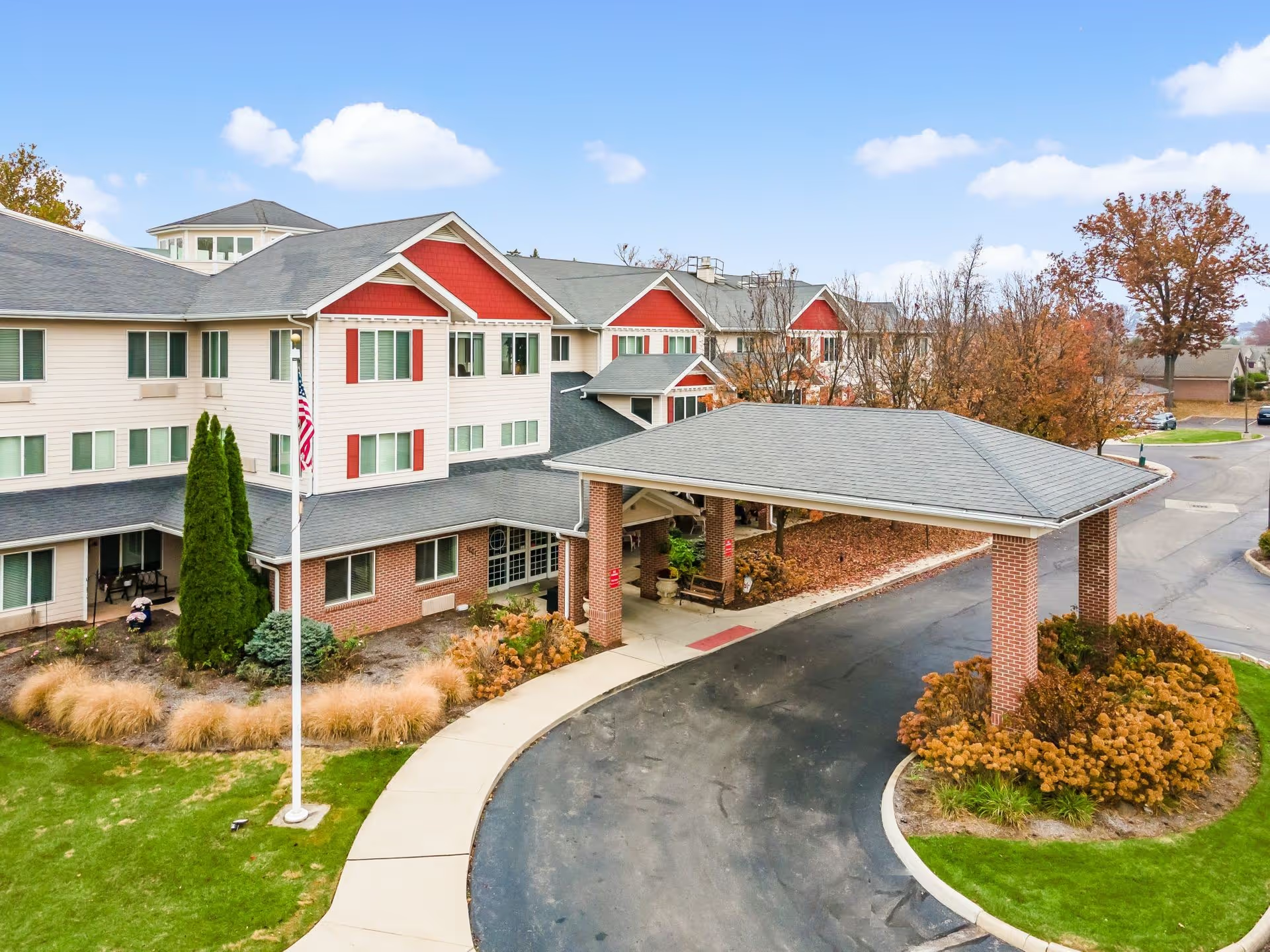
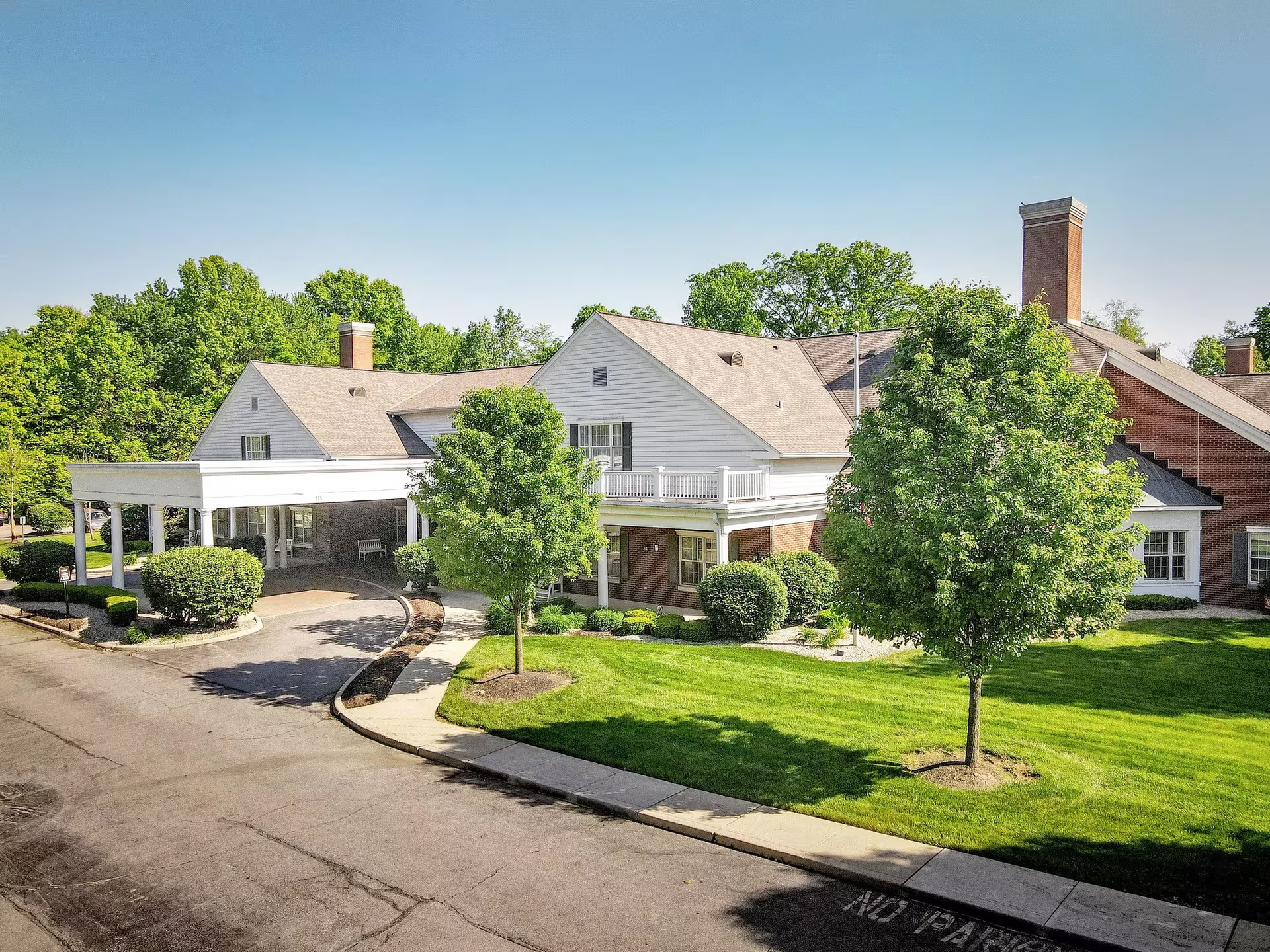
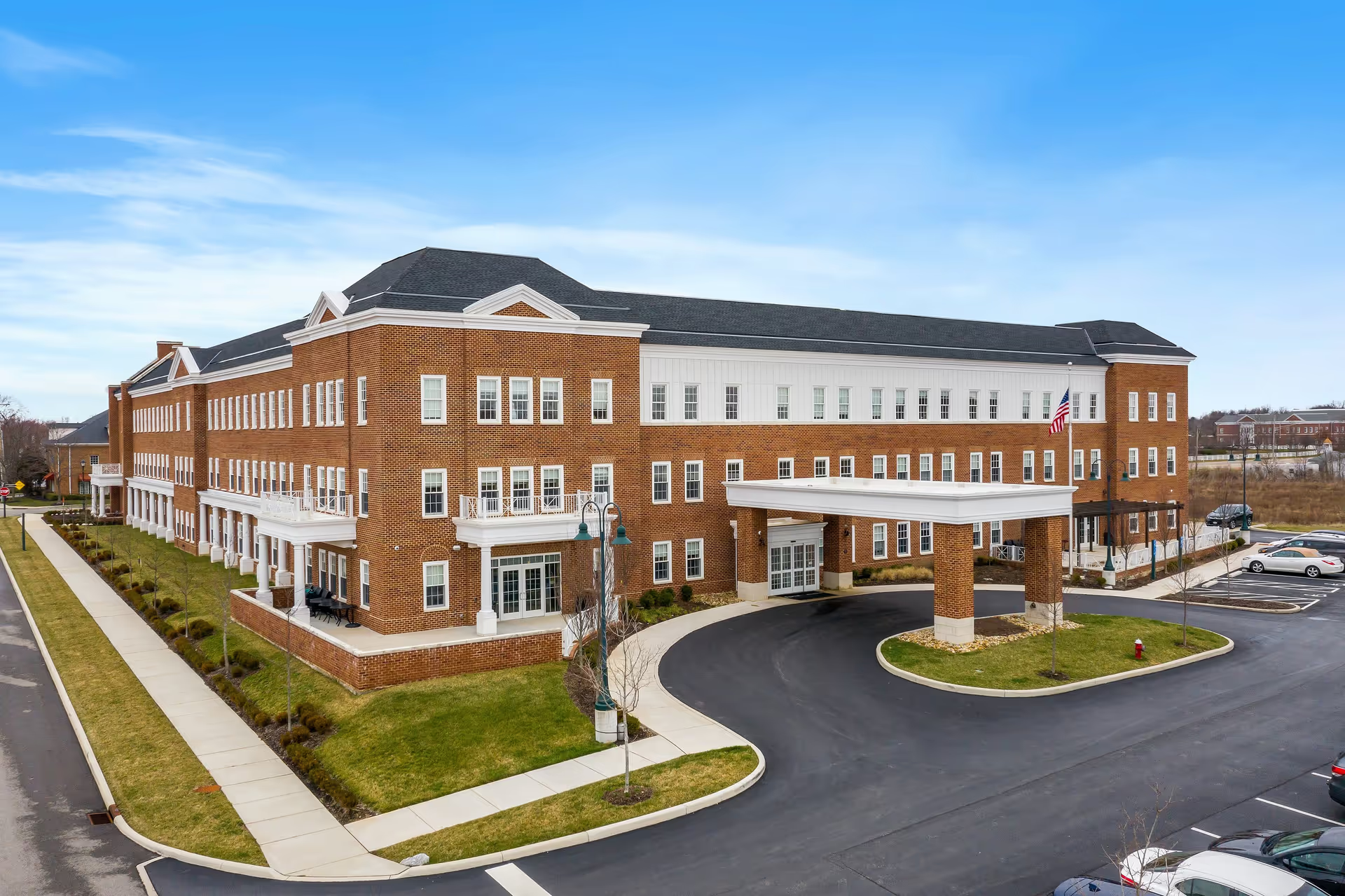
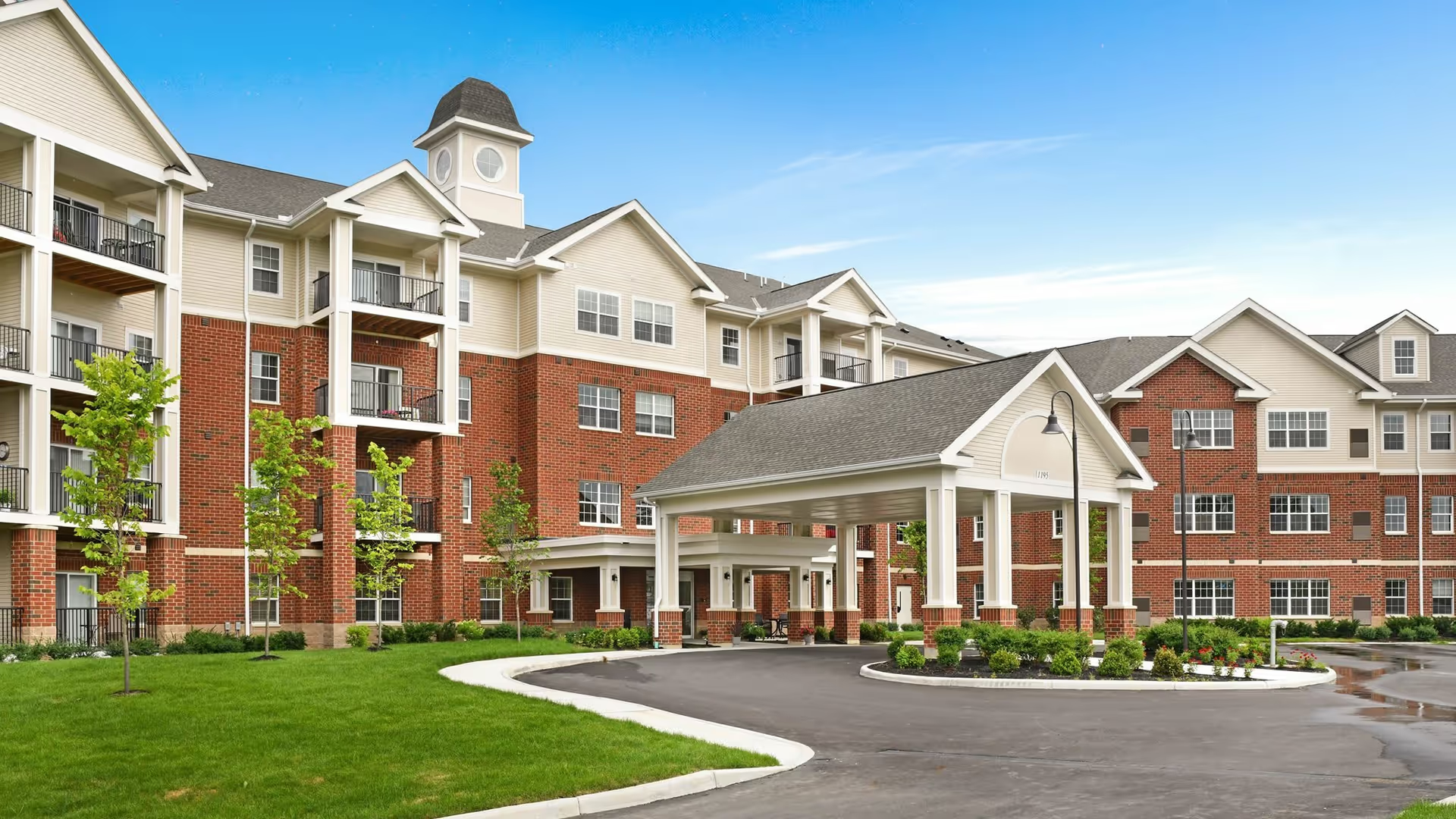
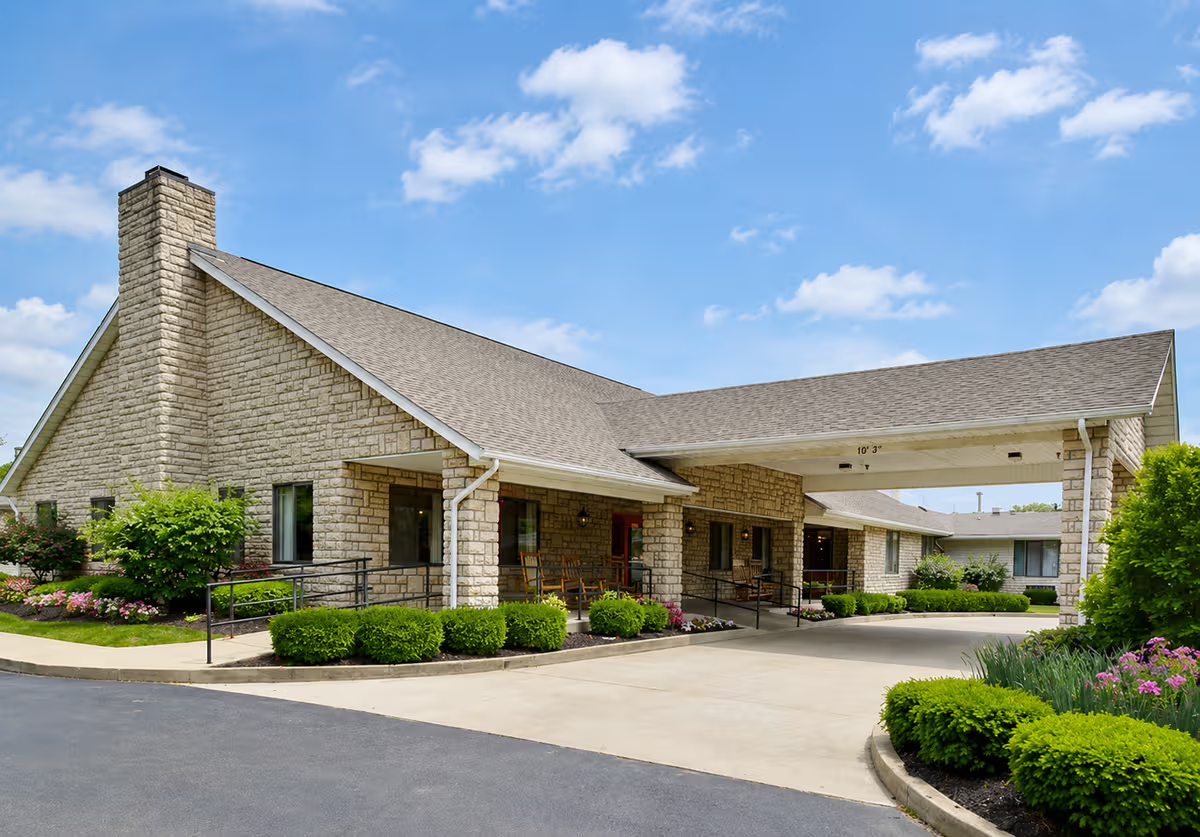
The building and grounds are often described as clean, attractive, and welcoming, with comfortable rooms, courtyards, and wildlife. Families also value the assisted-living apartments and the ability to transition from skilled care to assisted living. Management and admissions staff receive praise for arranging stays and supporting families, but other accounts describe unanswered concerns, delayed records or case-management follow-up, and difficulties with billing or administrative communication. Prospective residents and families may benefit from asking about staffing and physician coverage, call-light response, therapy schedules, personal-care routines, therapeutic-diet procedures, activities, and how progress updates are shared.