The reviews for Copley Health Center present a mixed picture: notable strengths in therapy, leadership, and some shifts are offset by recurring operational and staffing concerns. Many families and patients praised the facility's rehabilitation teams, long-tenured therapy staff, and the effectiveness of PT/OT/SLP in improving mobility and independence. Admissions and social-work staff are frequently described as helpful, and several reviewers highlighted attentive night-shift nurses and positive, compassionate aides who supported patients through recovery.
Clinical care appears uneven. Positive accounts emphasize good diagnostic work, medication adjustments, and measurable therapy gains. At the same time, there are repeated accounts of delayed call-light responses, missed or delayed medications, and limited follow-up from physicians or nurse practitioners in some cases. Reviewers raised concerns about transfer safety and fall-prevention practices, indicating a need for strengthened protocols and monitoring for higher-risk residents.
Staff performance and conduct are described variably by shift and role. Nursing leadership and particular individual clinicians receive positive mention for supportive management and responsiveness, while other frontline staff interactions are described as terse or unprofessional. There are consistent notes about poor communication at the nurses’ station, staff using phones during shifts, and instances of discourteous behavior at the front desk. These patterns point to inconsistent staff training and supervision across shifts.
Dining and activities show a split as well. Some reviewers found meals adequate and staff helpful during dining; others described limited menu options and inconsistent meal quality, suggesting the need for menu variety and improved meal-service continuity. The activities program and its director are frequently praised for engagement and kindness, contributing positively to patient morale and socialization.
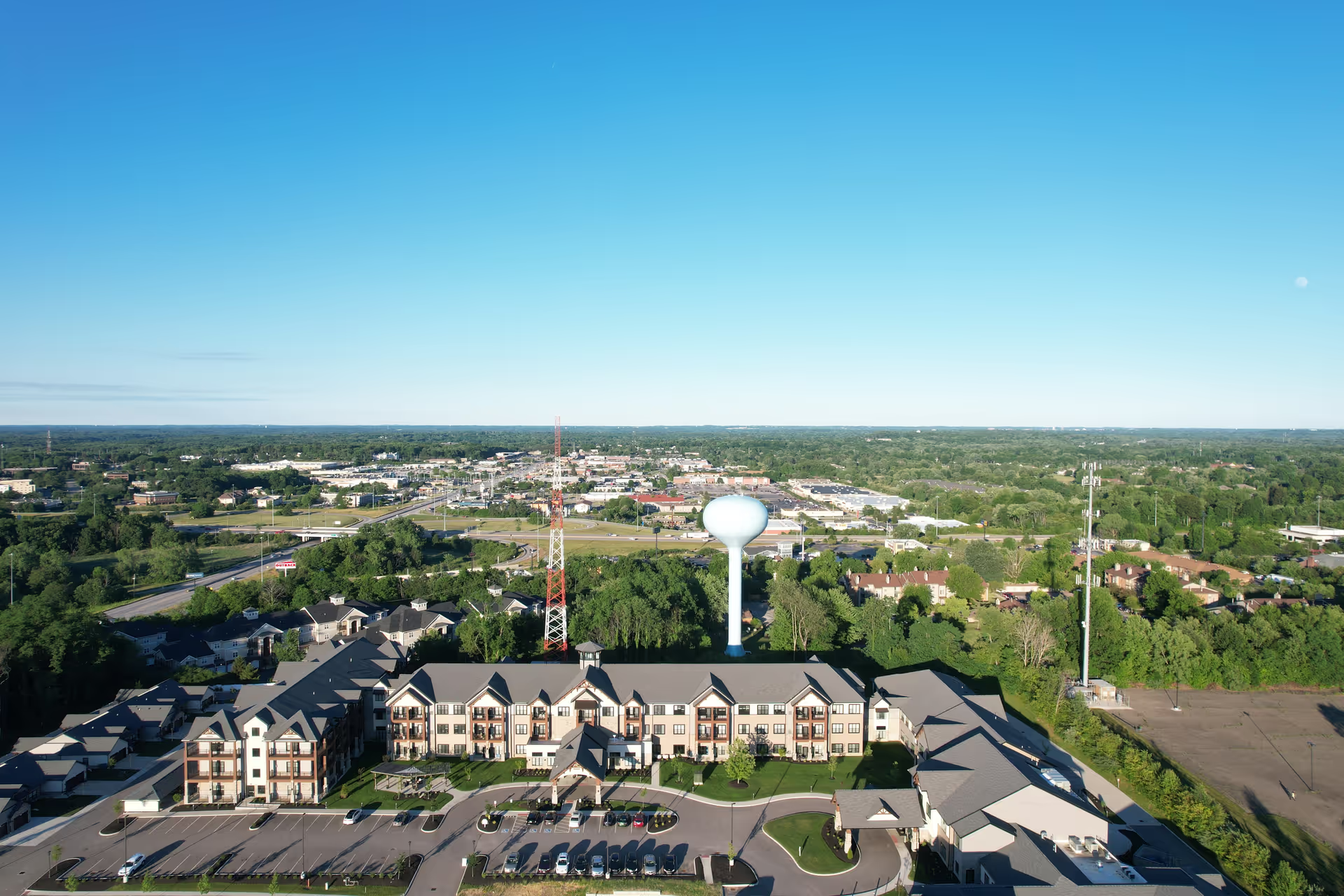
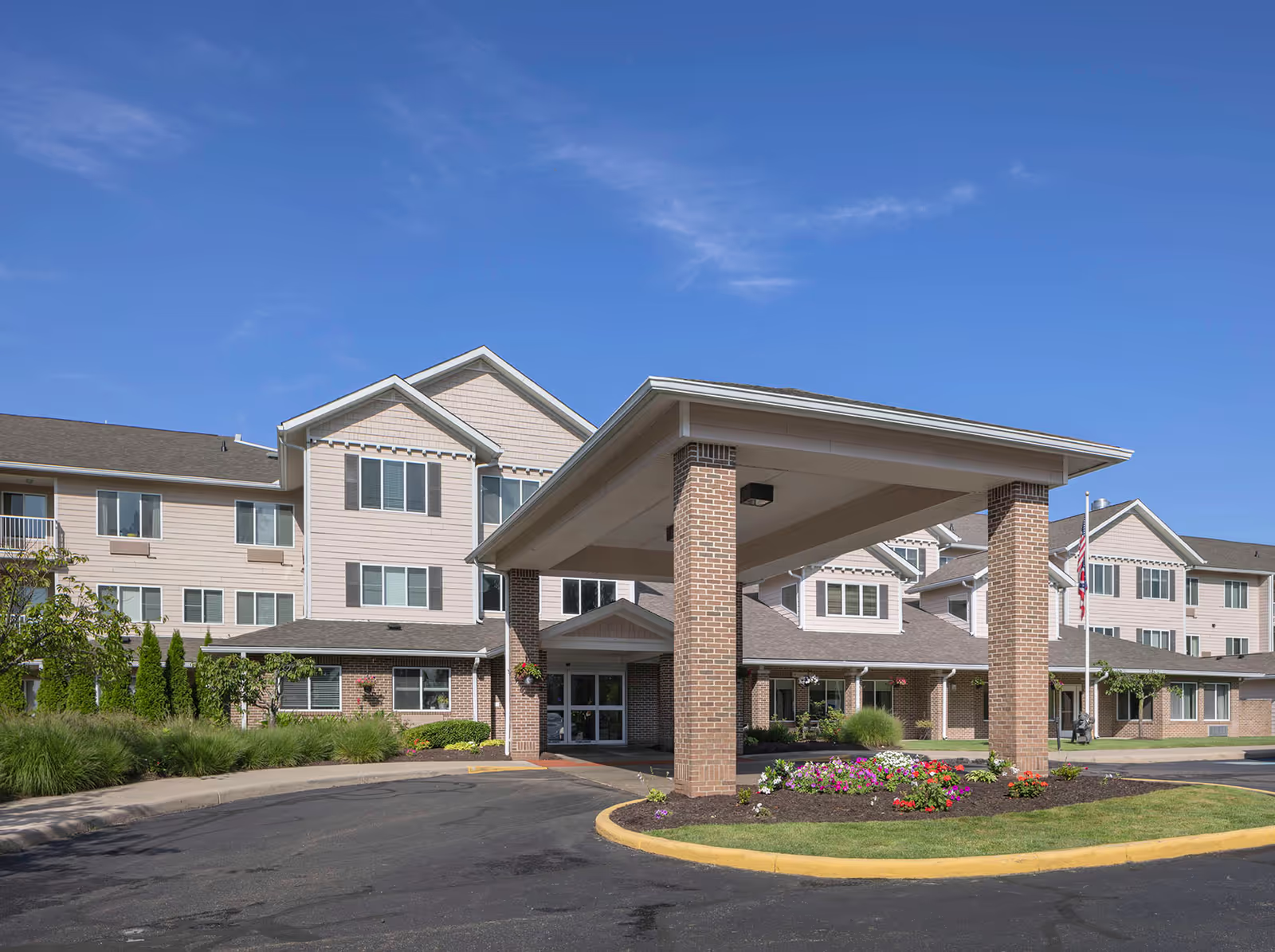
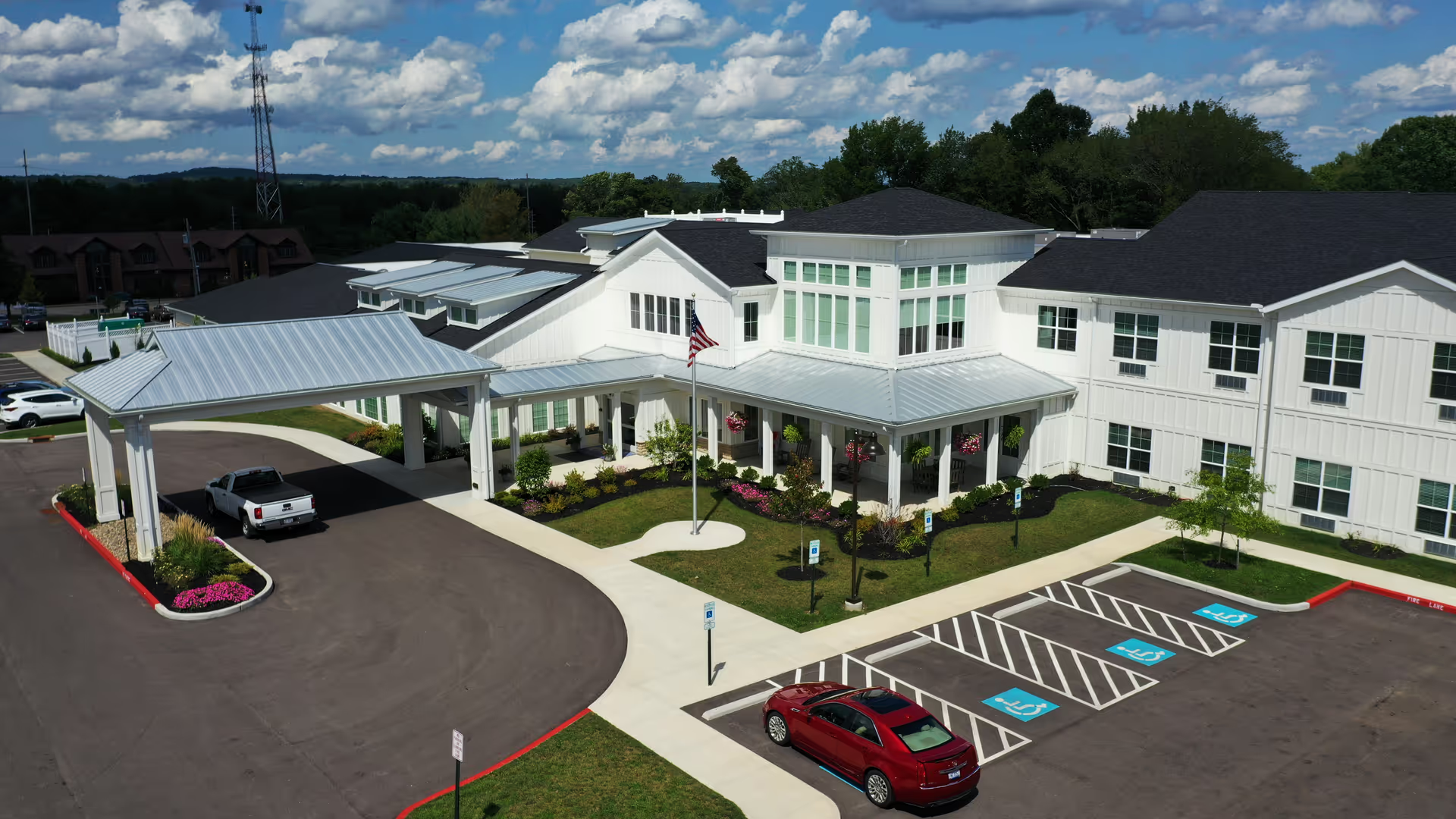
Facility condition and housekeeping present contrasting impressions. The building’s lobby and public areas are often described as clean and well-maintained, and some rooms are modern and comfortable. However, other accounts raise sanitation and odor concerns at the room level, inconsistent housekeeping in particular wings, visible maintenance issues (aging HVAC, worn fixtures, malfunctioning beds), and pest-control questions. These mixed observations suggest variability between units and the need for targeted environmental quality checks.
Management and oversight concerns appear repeatedly. Reviewers report inconsistent administrative responsiveness to family complaints, involvement of external advocates in some cases, and at least one allegation of staff theft and improper reporting. Taken together with staffing shortages and variable clinical follow-up, these items indicate opportunities for stronger quality-assurance processes, clearer family communication pathways, and timely corrective action when problems arise.
For prospective residents and families: the facility demonstrates clear strengths in rehabilitative care, supportive leadership, and some compassionate frontline staff, especially on certain shifts. At the same time, consider confirming current staffing levels and shift coverage, asking for recent inspection and pest-control records, observing room-level cleanliness during a tour, inquiring about call-response times and transfer protocols, and clarifying how administration handles family concerns. These steps can help assess whether the facility’s operational practices meet your relative priorities for safety, hygiene, and communication.