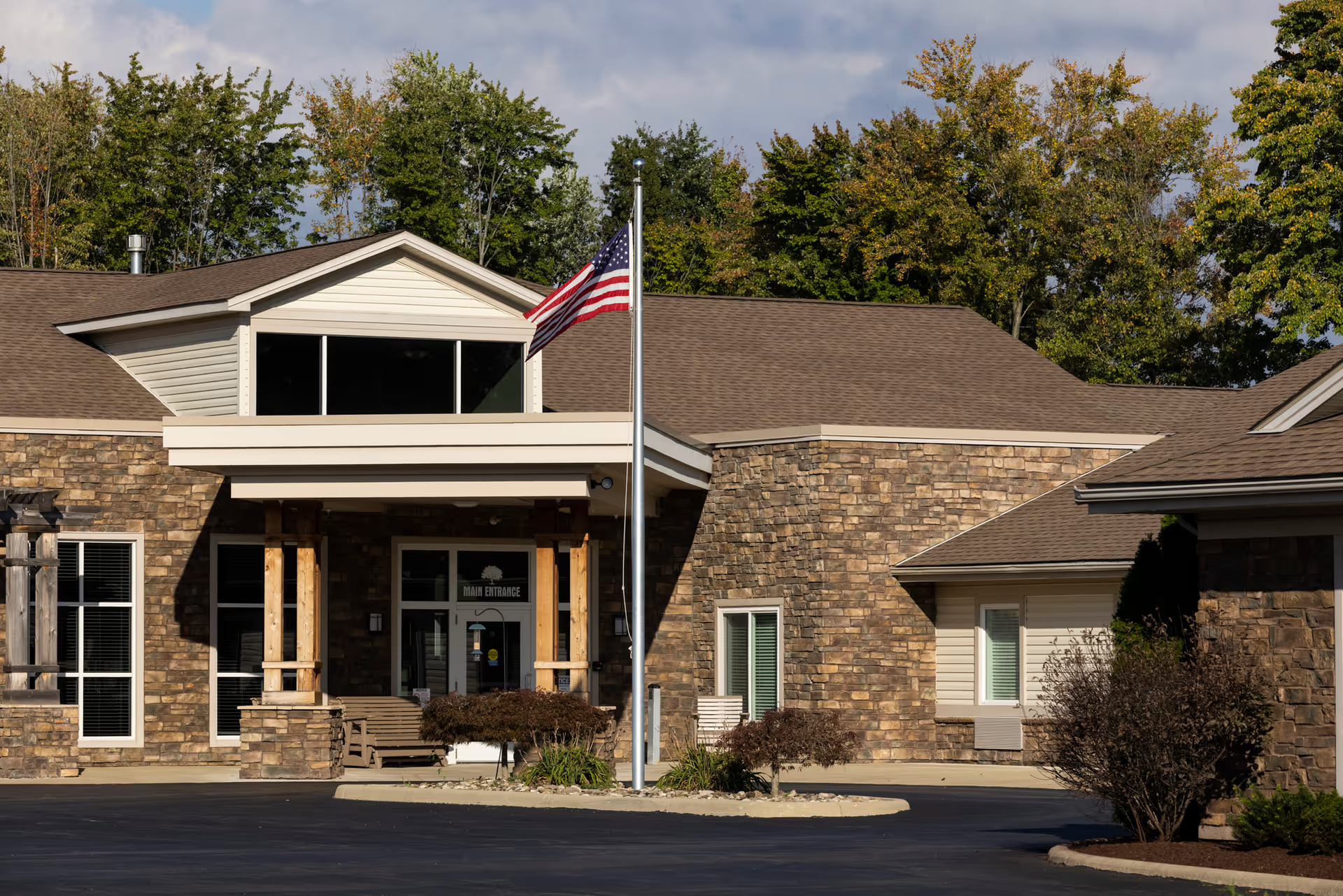
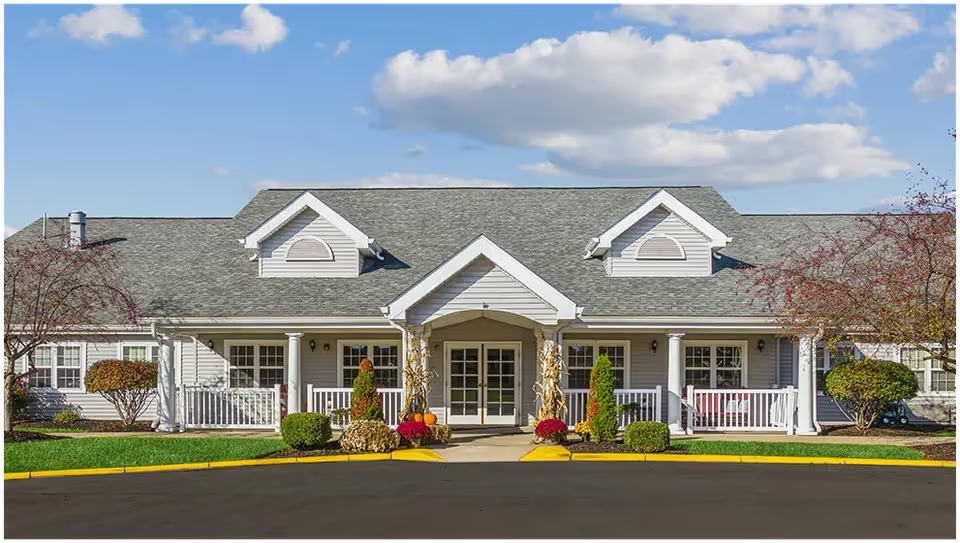
Reviews of Cortland Healthcare Center present a mixed but coherent picture: many families praise the facility for its compassionate staff, strong rehabilitation services, and recently renovated, hotel-like environment, while others report operational shortcomings that affect clinical reliability and daily care routines. Positive experiences commonly highlight the therapy team’s ability to produce mobility gains, a welcoming front desk, attentive housekeeping and laundry, flexible visitation, and a range of activities that contribute to a home-like social atmosphere.
Care quality and staff: Numerous accounts describe caring nurses, STNAs, and therapy staff who go above and beyond, creating a family-like culture that supports recovery and resident well‑being. However, there is notable variability in staffing and staff performance. Reviews point to staffing shortages and mandatory overtime that can lead to delays in assistance, inconsistent bathing and toileting schedules, and uneven conduct among some nursing assistants. There are also recurring concerns about medication-management processes and clinical follow-up—examples include missed or delayed doses, questions about medication changes without clear physician coordination, and occasional delays in obtaining timely medical evaluation.
Dining and activities: The dining program receives generally favorable comments for variety, customization, and attentiveness to preferences via kitchen intake meetings and morning menus with substitutions. At the same time, some reviewers report inconsistent tray delivery timing, occasional cold meals, and limited options for certain therapeutic diets (notably low-sugar/diabetes-friendly choices). Activities and social opportunities, including pet visits and communal engagement, are frequently described as strengths that support resident morale.
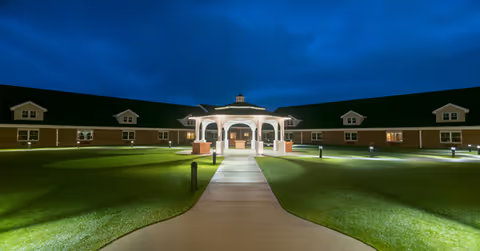
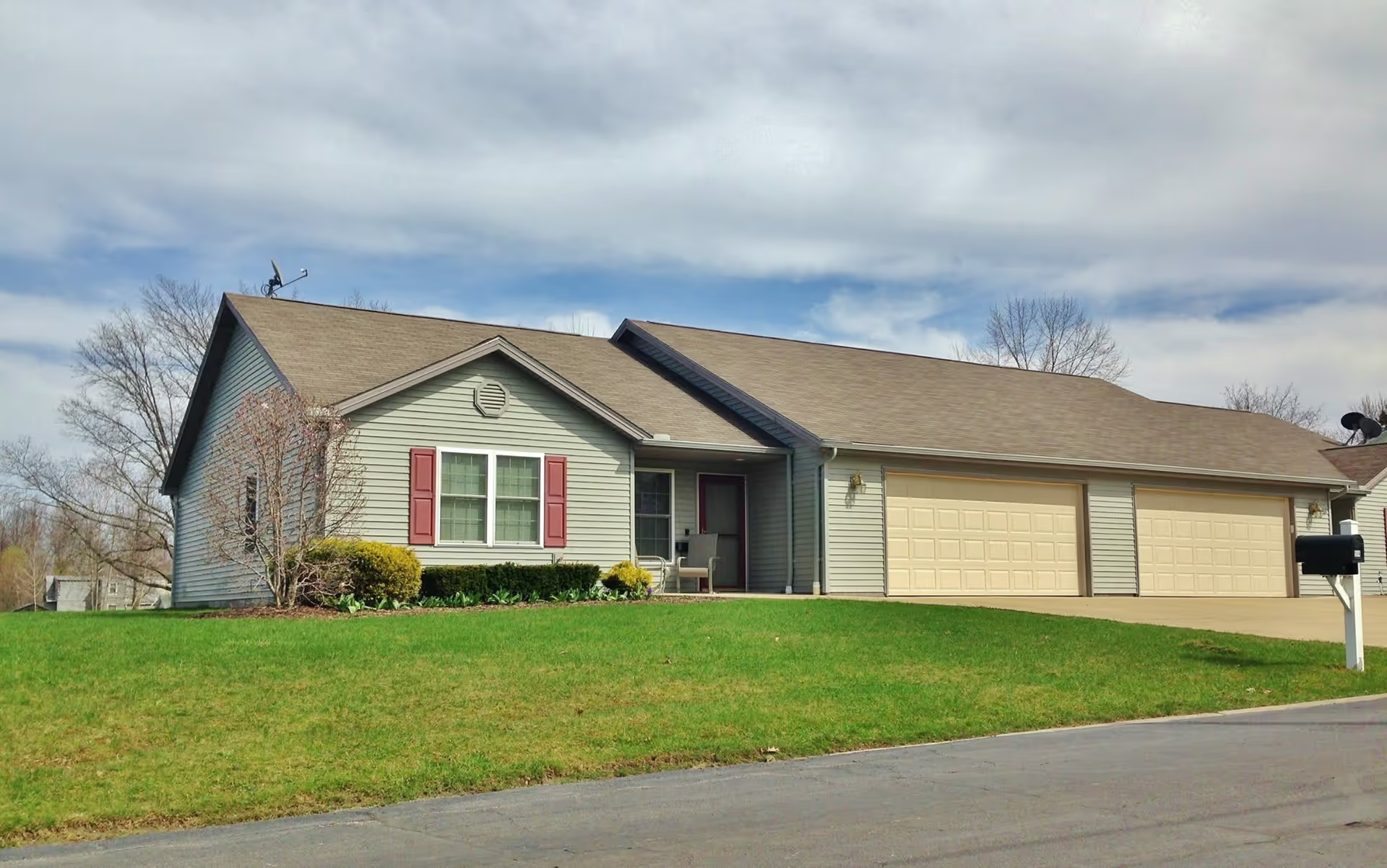
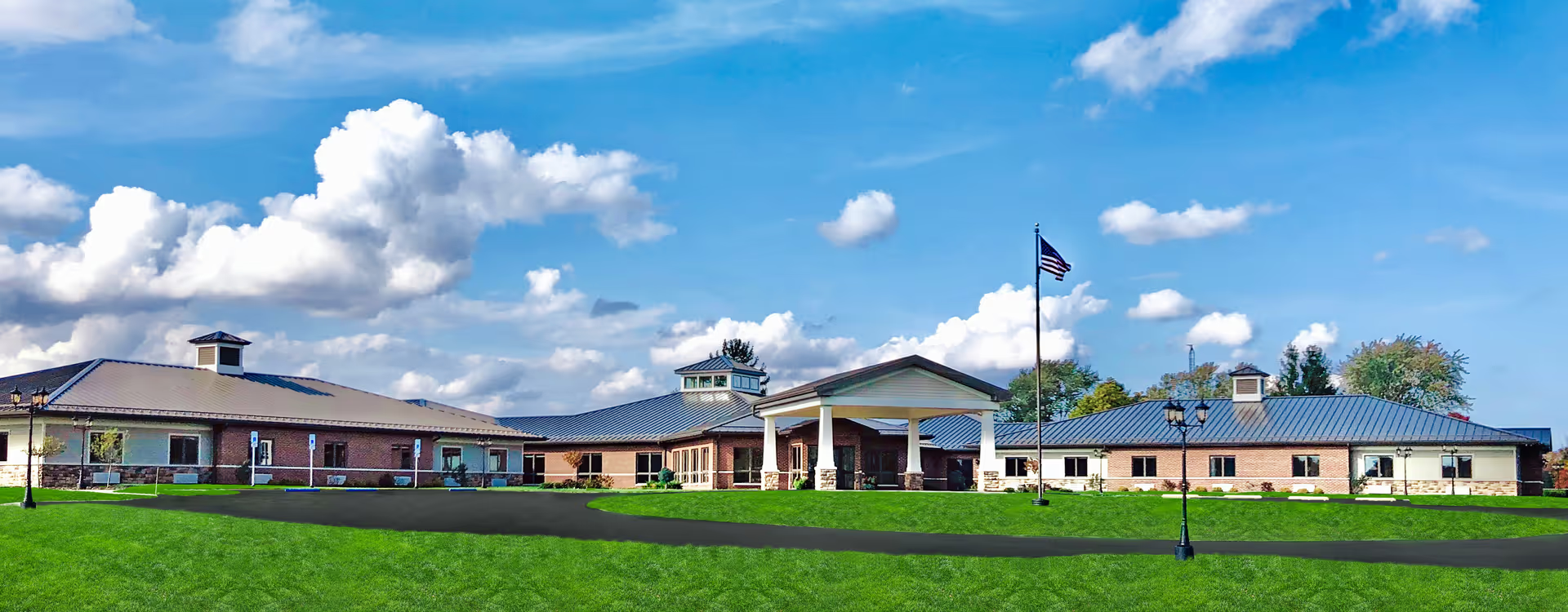
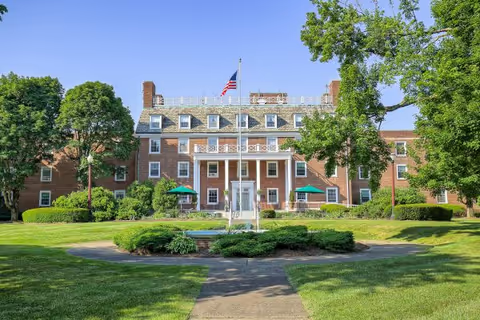
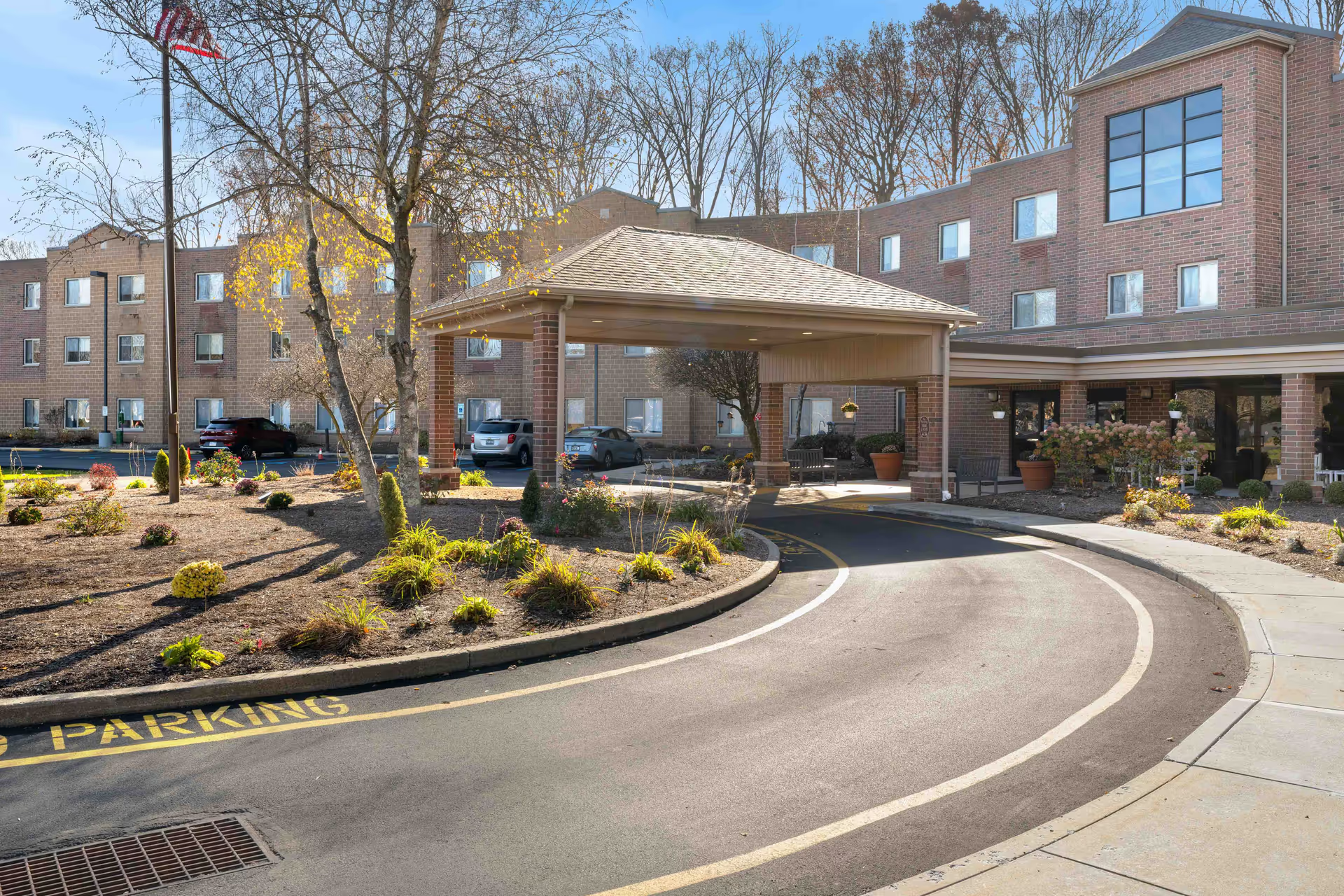
Facilities and cleanliness: Many reviewers praise the facility’s recent renovations, attractive rehab wing, private rooms, and overall cleanliness. Contrasting reports raise sanitation and odor concerns in particular units or common areas; these appear sporadic rather than universal. Prospective families should verify the condition of the specific unit or room they are considering and ask about recent corrective actions and pest control measures.
Management and operations: Feedback on administration is mixed. Several reviewers commend the administrator and social-work staff for responsiveness and strong communication, especially during COVID‑19. Others describe limited administrative availability, unfulfilled promises, or dismissive interactions. Patterned operational weaknesses include inconsistent care coordination between nursing, therapy, and medical providers, and gaps in follow-through on family concerns. There are also isolated allegations of resident property loss and security gaps that warrant clarification during a tour.
Notable patterns and recommendations: The overall pattern is one of a facility that delivers excellent rehabilitative care and strong interpersonal support for many residents, while simultaneously exhibiting operational variability—often tied to staffing levels, shift coverage, and departmental coordination. Families considering Cortland should tour the specific unit, review recent inspection reports, ask about typical staffing levels by shift, inquire about medication‑administration protocols and physician communication, confirm options for therapeutic diets, and discuss safeguards for resident belongings. These targeted questions can help assess whether the facility’s strengths align with an individual resident’s clinical and personal needs.