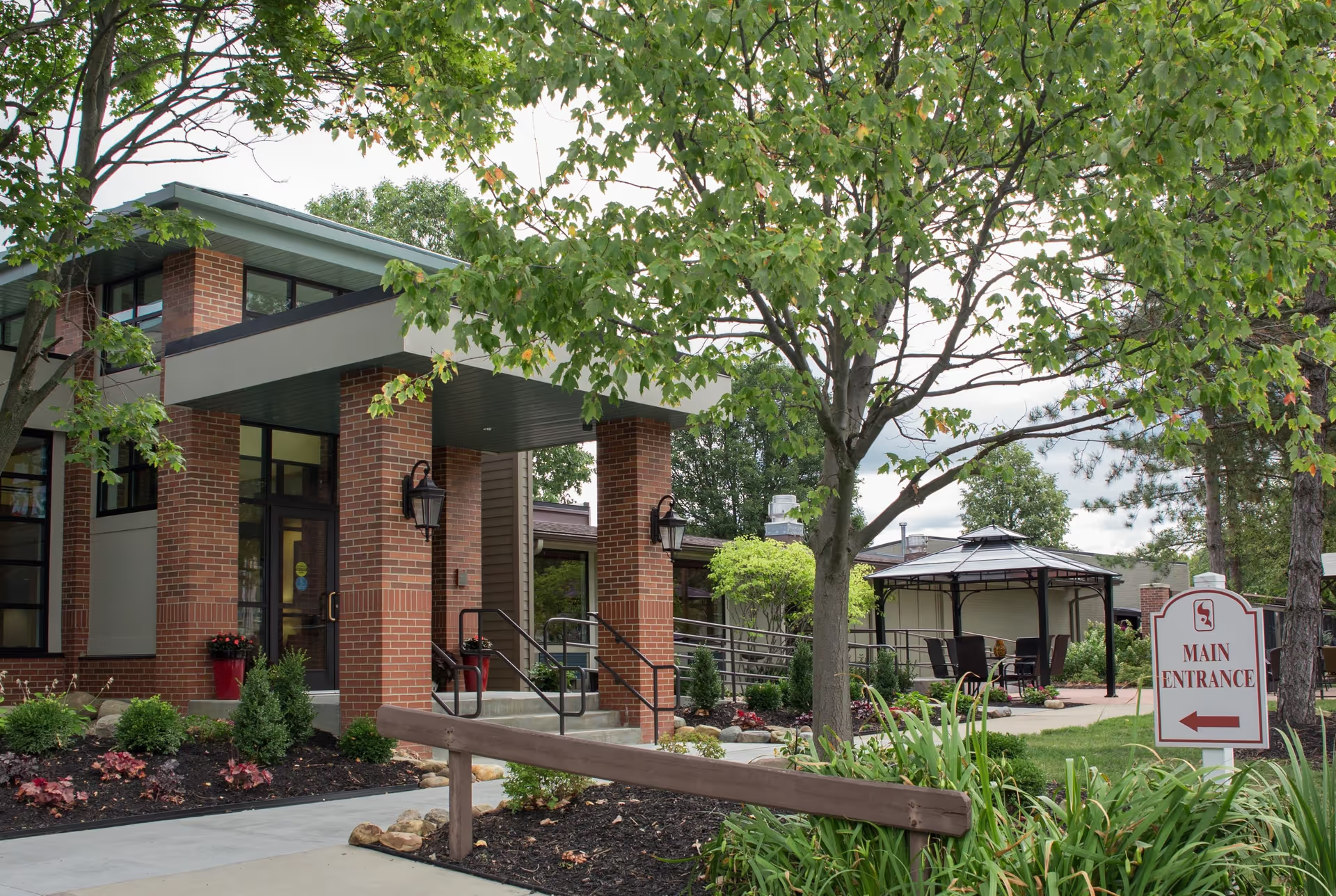
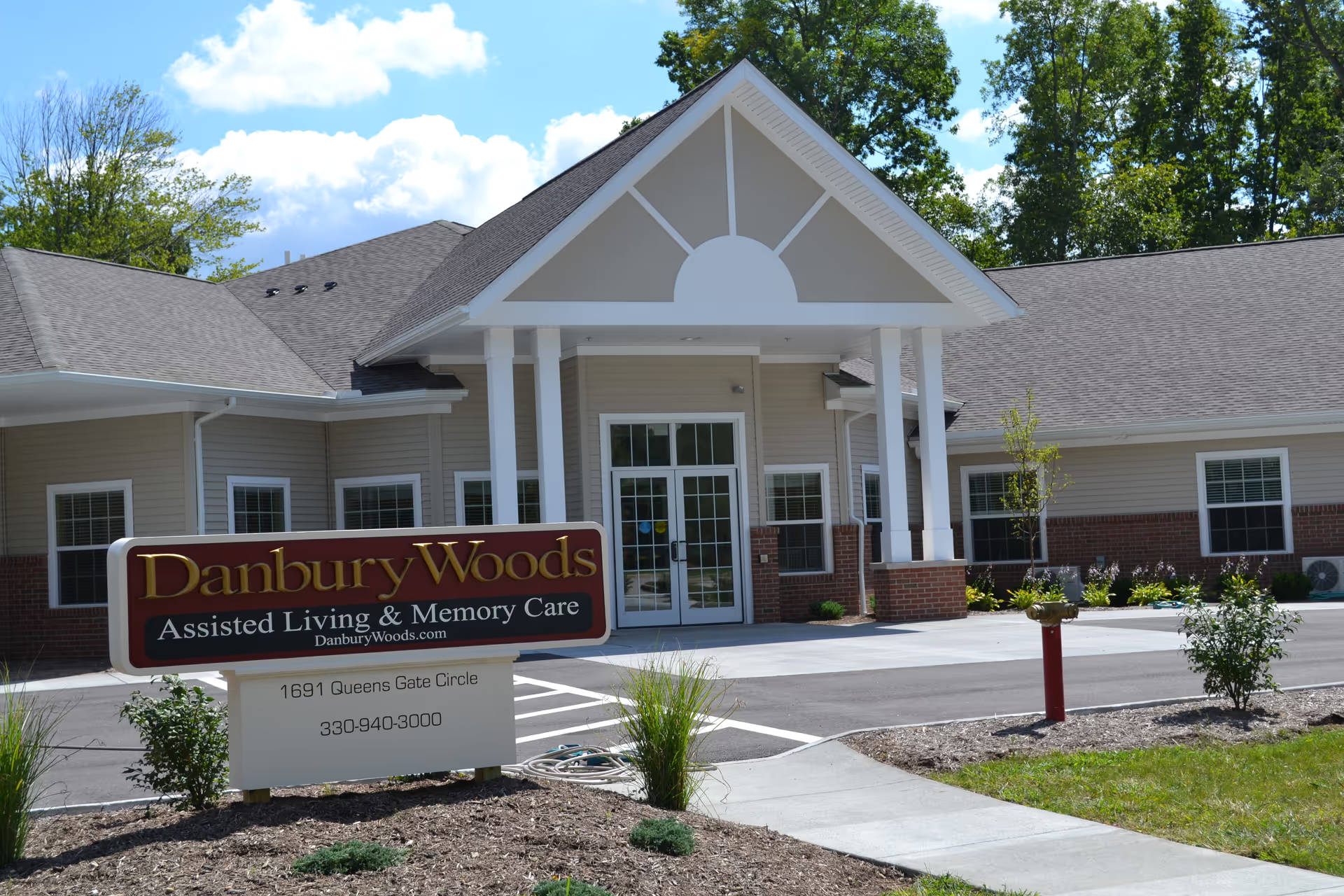
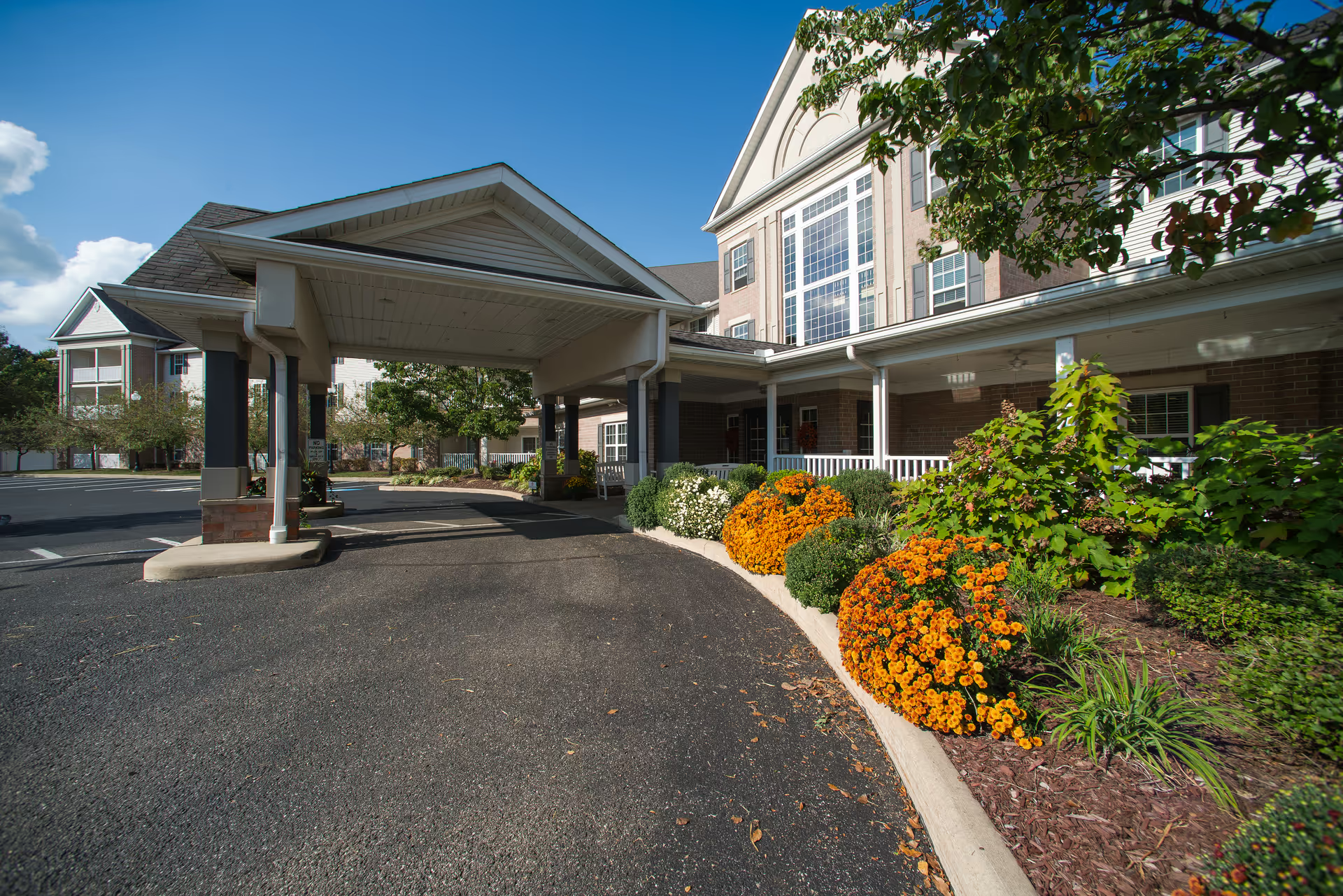
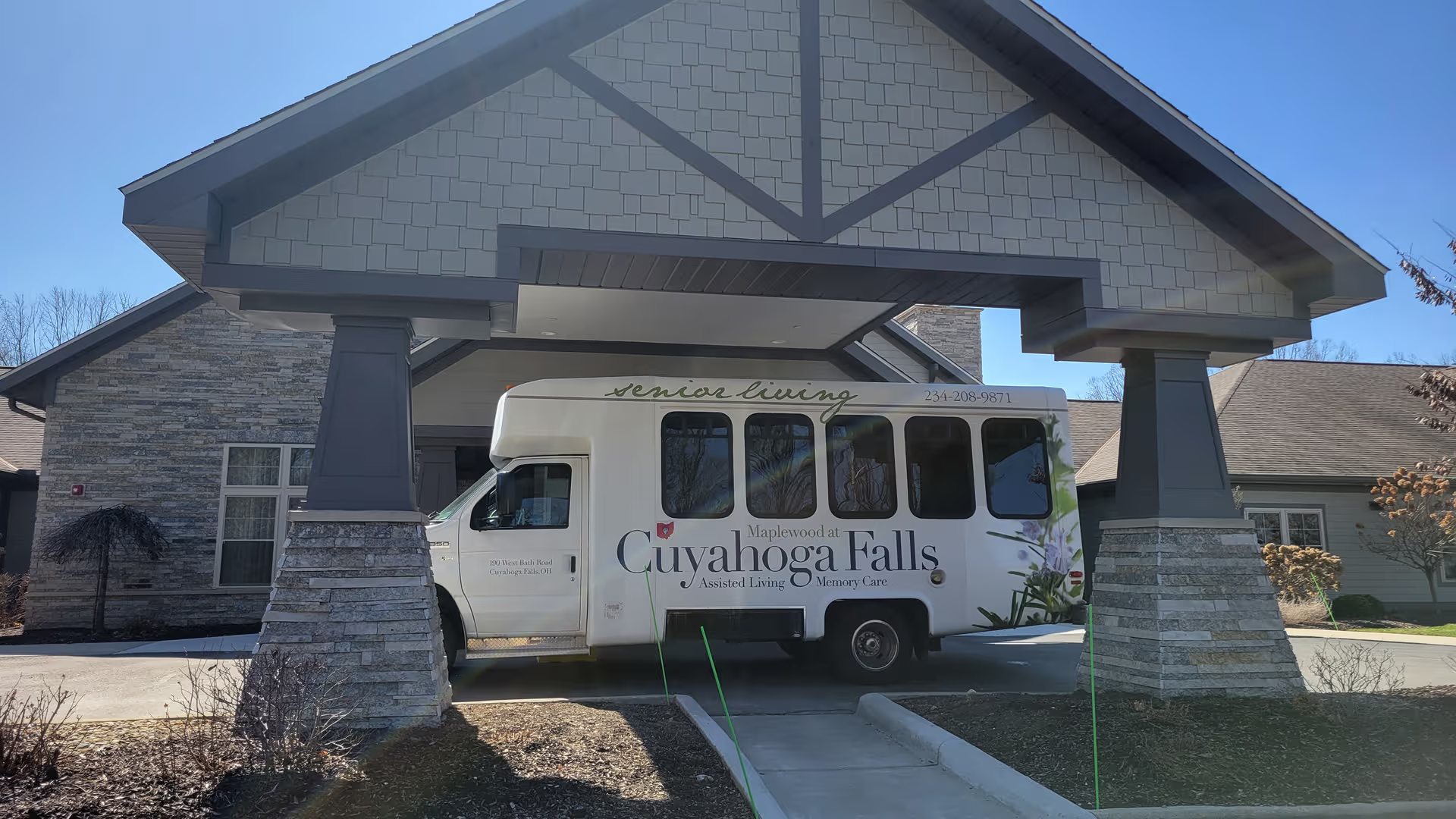
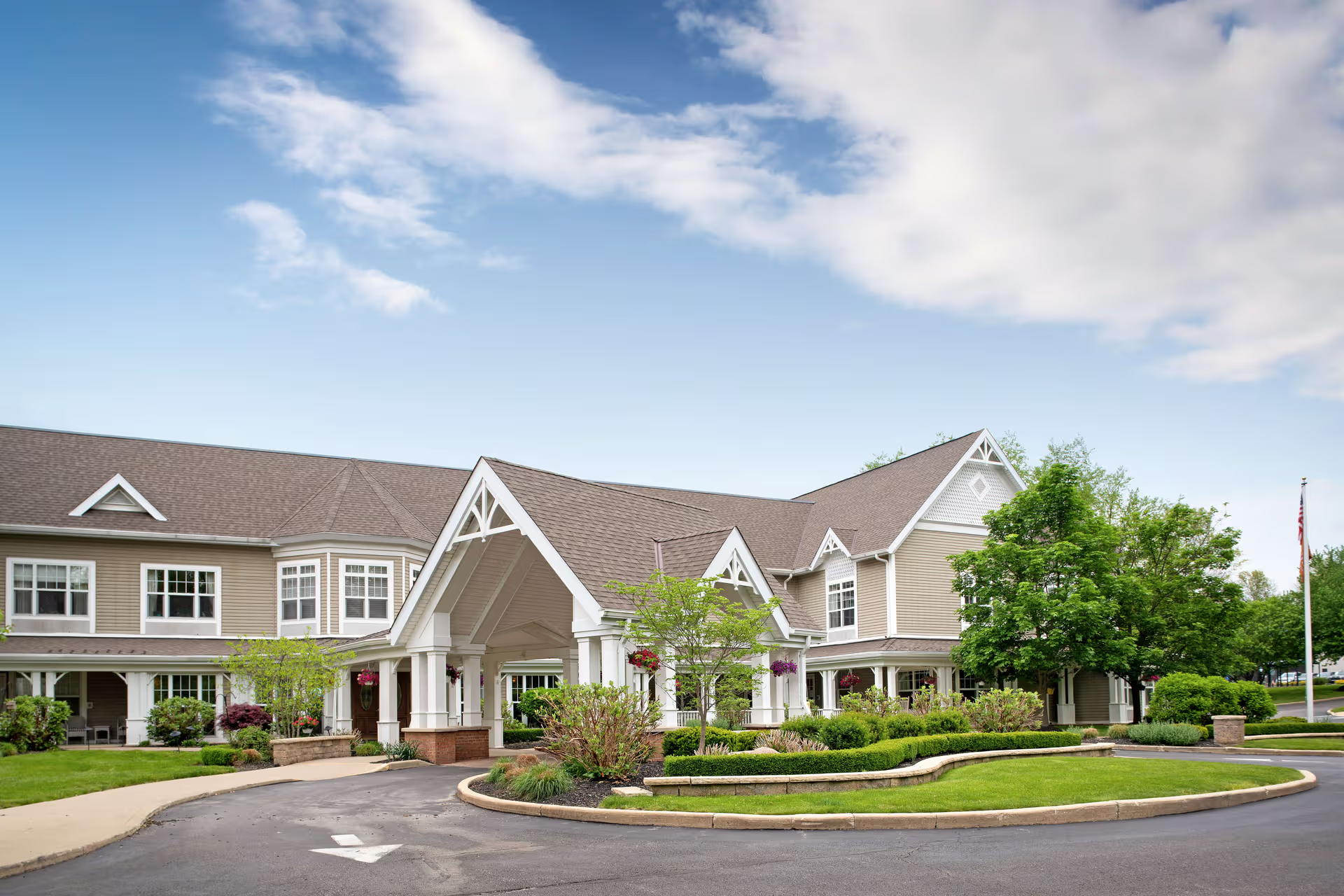
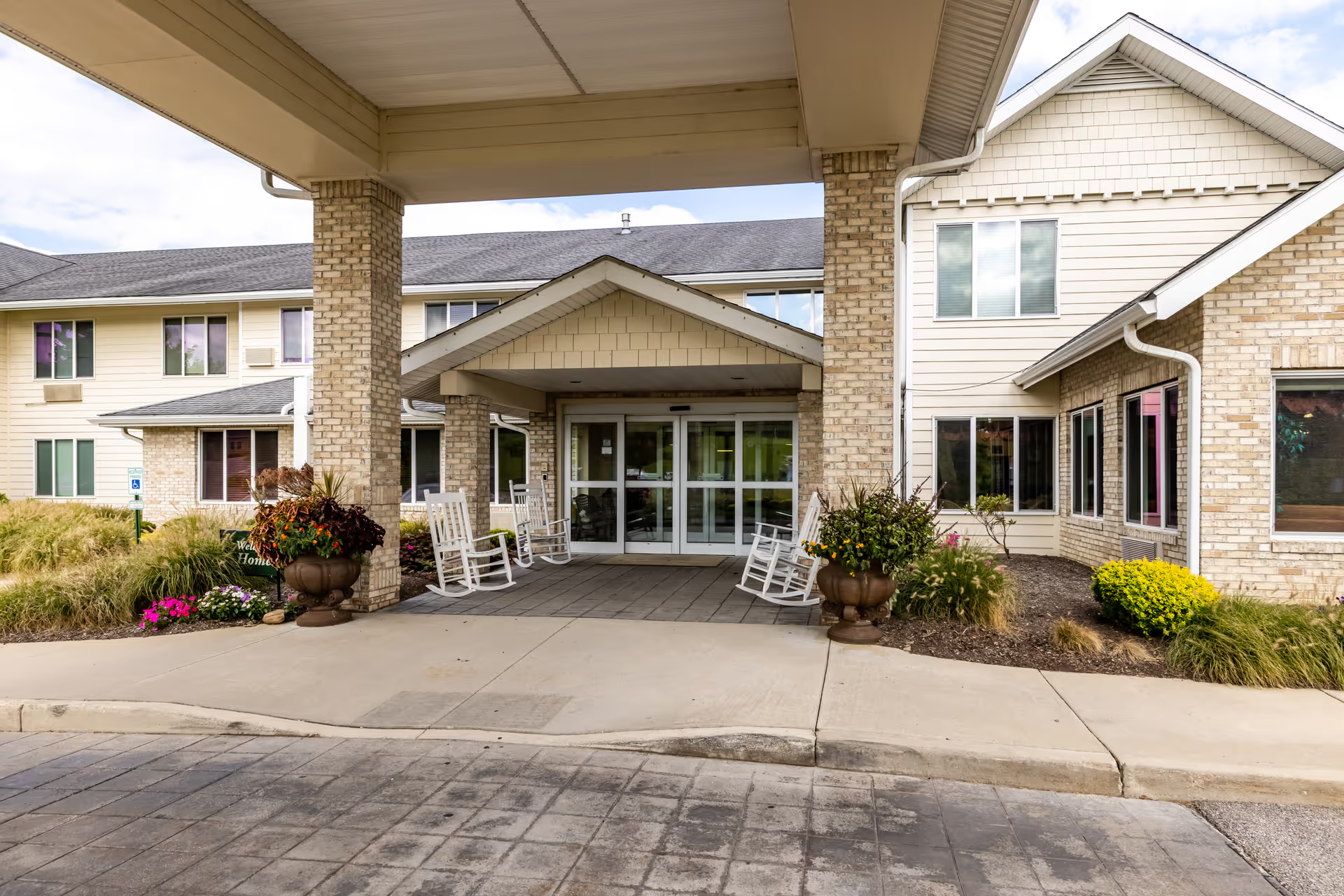
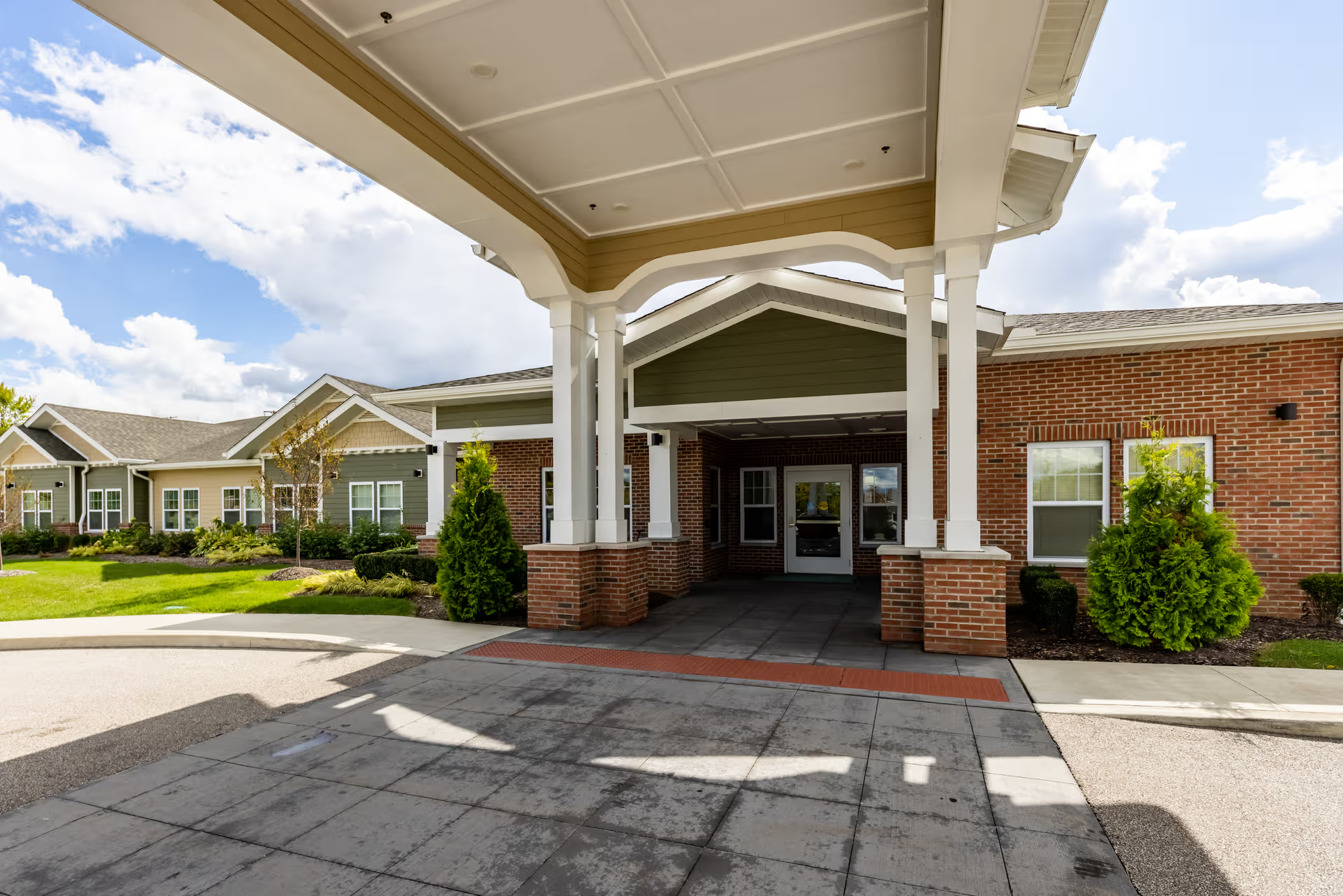
The reviews describe a facility with clear strengths in therapy, admissions, and portions of the caregiving staff, alongside persistent operational challenges. Physical and occupational therapy are frequently singled out as strong elements of care, with multiple accounts of successful rehabilitation and attentive therapy teams. Admissions and front-desk staff are often described as welcoming and efficient, and social-work support receives positive mention. Renovated public spaces, natural light in rooms, outdoor events, and some examples of warm, personalized caregiving contribute to residents’ comfort and family satisfaction.
At the same time, a consistent pattern emerges around staffing and day-to-day care. Many accounts describe chronic understaffing—particularly of direct-care aides—which translates into long waits for toileting, bathing, and repositioning assistance, and uneven coverage on weekends and off shifts. Reviewers indicate that these staffing limitations contribute to delays in clinical responsiveness, inconsistent medication and wound-care processes, and gaps in follow-up for laboratory or specialist recommendations. Several narratives also raise infection-prevention and wound-care concerns that families felt required closer oversight.
Facility condition and housekeeping are recurring themes. While some areas have been renovated and kept welcoming, other sections show aging infrastructure and maintenance deficits: worn carpeting, ductwork and ventilation that need cleaning, occasional water intrusion during heavy rain, and a notable number of rooms without private bathrooms. These conditions, together with sanitation and odor concerns in certain units, affect perceptions of cleanliness and overall comfort. Dining receives mixed feedback—some residents and families praise meals and kitchen staff, whereas others note late, cold, or unappealing offerings and limited menu variety for specific dietary needs.
Management and communication present a mixed picture. Several families praise staff who go above and beyond and cite prompt problem resolution in specific cases. Conversely, there are repeated comments about inconsistent communication during transitions of care, difficulties reaching the facility, and perceptions of limited accountability from upper management. Reviewers also raised serious individual claims, including allegations related to resident property and medication-related adverse events; such claims, if substantiated, would warrant formal review by oversight authorities. Staffing morale and wage concerns were mentioned as potential drivers of turnover and inconsistent service.
Notable patterns for prospective families to consider include the facility’s strong therapy and some exemplary frontline staff, offset by operational weaknesses tied to staffing levels, cleanliness and maintenance, clinical oversight consistency, and management responsiveness. When evaluating the facility, families may find it useful to ask about current staffing ratios across shifts, weekend coverage, infection-prevention protocols, wound- and medication-management procedures, property-security policies, and recent corrective actions for maintenance or sanitation deficiencies. A targeted tour that inspects resident rooms, bathrooms, dining service, and staff availability during different shifts will help clarify whether the positive elements highlighted in some accounts are present for a particular unit or admission.